What Equipment is Used for Deep Processing of Dolomite?
Introduction to Dolomite Deep Processing
Dolomite, a calcium magnesium carbonate mineral (CaMg(CO₃)₂), is a valuable industrial mineral with diverse applications across multiple sectors. The deep processing of dolomite involves transforming raw dolomite ore into high-value products through advanced grinding, classification, and purification technologies. This comprehensive guide explores the specialized equipment required for efficient dolomite processing, with particular focus on achieving the fine and ultra-fine particle sizes demanded by modern industries.
The quality requirements for processed dolomite vary significantly depending on the end-use application. While construction aggregates may require coarse particles, industries such as plastics, paints, rubber, and pharmaceuticals demand precisely controlled fine and ultra-fine powders with specific particle size distributions, high purity, and consistent chemical properties. This article examines the complete equipment chain for dolomite processing, from primary crushing to ultra-fine grinding, with technical insights into optimal machine selection and operational parameters.
Primary Crushing and Pre-Processing Equipment
Jaw Crushers and Impact Crushers
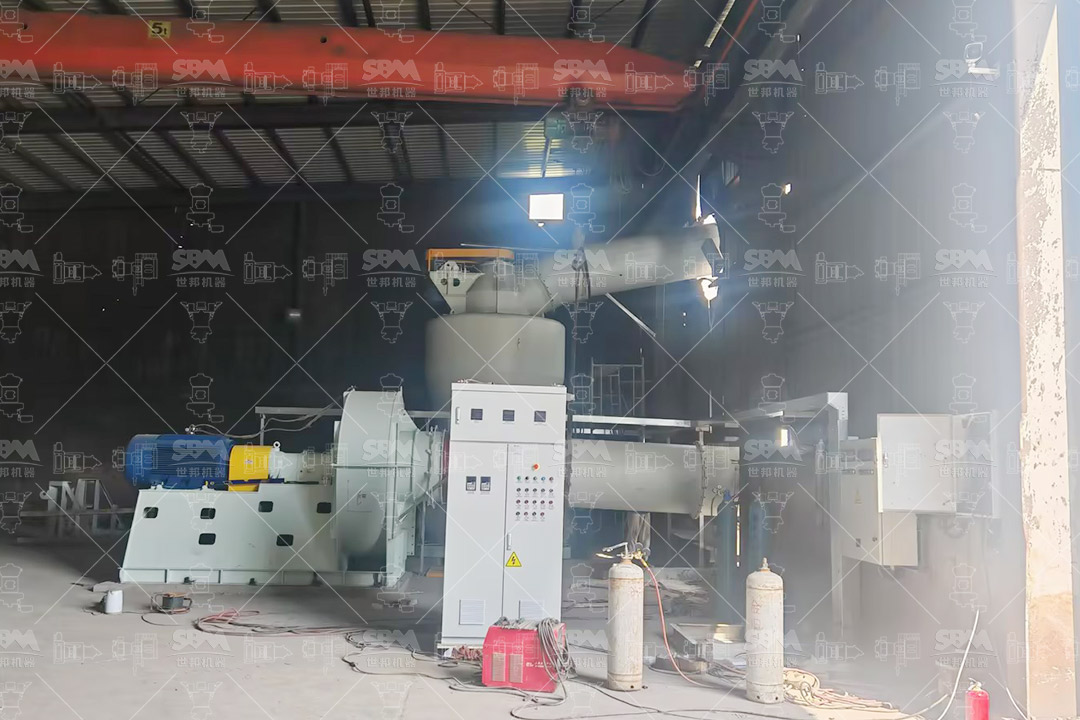
The dolomite processing journey begins with primary crushing, where large dolomite rocks (typically up to 1 meter in diameter) are reduced to manageable sizes. Jaw crushers serve as the workhorse for this initial size reduction, employing compressive force between a fixed and moving jaw plate to break down the material. For dolomite processing, heavy-duty jaw crushers with manganese steel jaws are preferred due to their ability to handle the abrasive nature of the mineral.
Following primary crushing, secondary crushing equipment such as impact crushers or cone crushers further reduce the material to sizes suitable for grinding mills. Modern impact crushers offer excellent reduction ratios and cubical product shape, which is beneficial for subsequent grinding operations. The selection between impact and cone crushers depends on factors including dolomite hardness, moisture content, and desired final product specifications.
Hammer Mills for Fine Crushing
For applications requiring finer initial crushing or when dealing with softer dolomite varieties, hammer mills provide an efficient solution. These machines utilize rapidly rotating hammers to impact and shatter the material against breaker plates. The Hammer Mill series is particularly effective for dolomite pre-processing, featuring high manganese steel hammers and replaceable liners that withstand the abrasive characteristics of dolomite.
Key advantages of using hammer mills in dolomite processing include their high reduction ratios, ability to handle moderately moist materials, and relatively low operating costs. Modern hammer mills incorporate advanced design features such as reversible rotors to extend hammer life and segmented breaker plates for easier maintenance. With capacities ranging from 8-70 tons per hour and output sizes adjustable between 0-8mm, these machines effectively bridge the gap between crushing and grinding operations in dolomite processing plants.
Grinding Equipment for Dolomite Processing
Ball Mills for Coarse to Medium Grinding
Ball mills represent the traditional workhorse for mineral grinding operations and remain relevant for dolomite processing where product fineness requirements range between 0.074-0.8mm. These rotating cylinders containing grinding media (typically steel balls) utilize impact and attrition principles to reduce particle size. For dolomite processing, ball mills offer the advantage of processing relatively moist materials (up to 5-8% moisture) without significant efficiency loss.
The operational principle involves the cascading and cataracting motion of grinding balls within the rotating mill, with the intensity of these motions determining the grinding efficiency. Modern ball mills for dolomite processing incorporate advanced lining systems to maximize energy utilization and minimize wear. With capacities ranging from 0.65 to 450 tons per hour across different models, ball mills provide scalable solutions for various production requirements. However, their relatively high energy consumption compared to newer grinding technologies has led many operators to consider more efficient alternatives for fine and ultra-fine dolomite production.
MTW Series Trapezium Mill for Medium-Fine Grinding
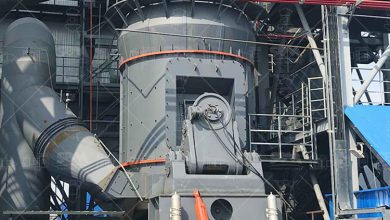
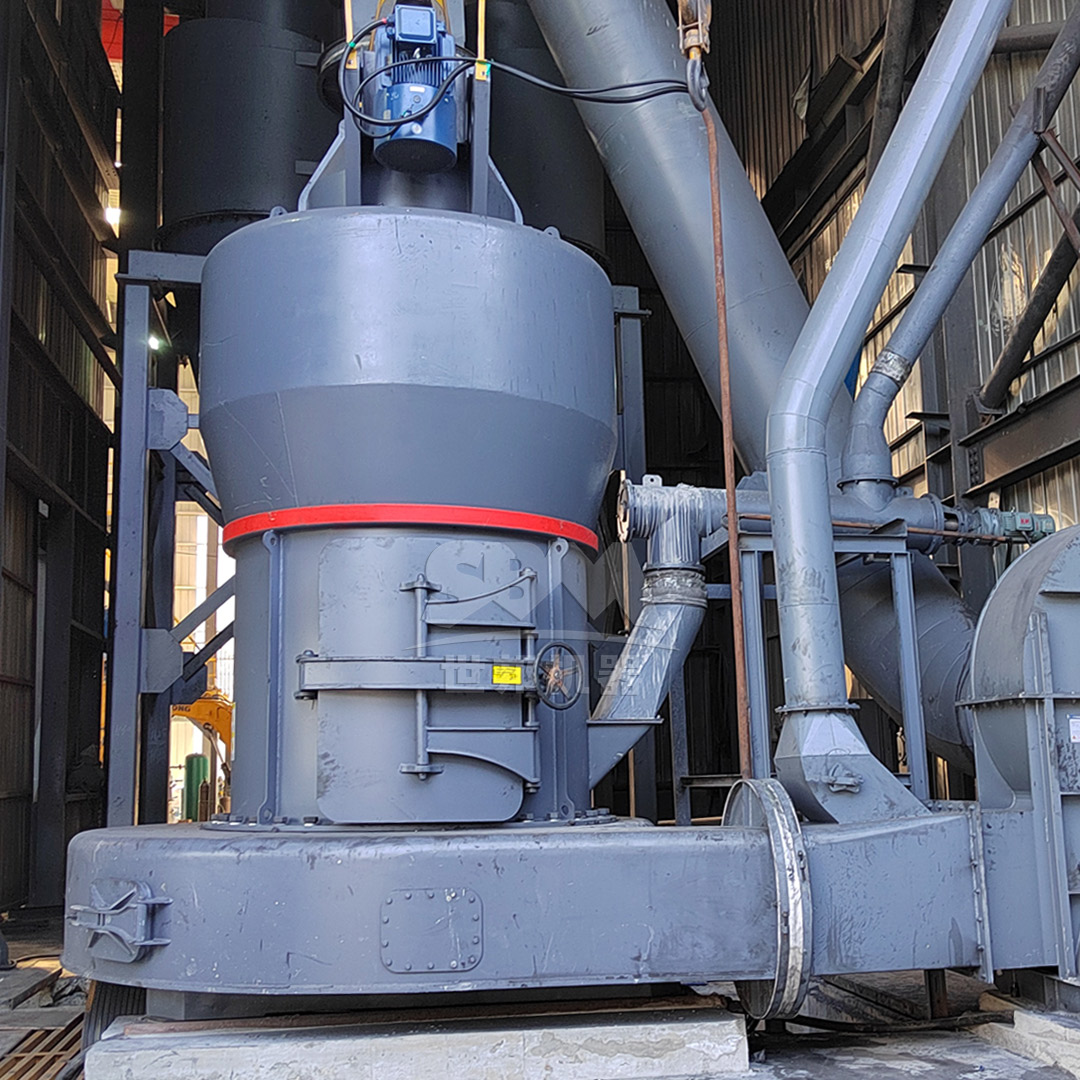
For dolomite processing applications requiring medium to fine powders in the 30-325 mesh range (600-45μm), the MTW Series Trapezium Mill offers an optimal balance of efficiency, product quality, and operational economy. This advanced grinding system incorporates several technological innovations specifically beneficial for dolomite processing, including curved air duct design that minimizes resistance and improves material conveying efficiency.
The MTW Series features a bevel gear integral transmission system that achieves remarkable 98% transmission efficiency, significantly reducing energy consumption compared to traditional grinding systems. Its wear-resistant volute structure and combined blade design further enhance operational economy by extending component life and reducing maintenance requirements. With capacity options ranging from 3-45 tons per hour across different models, these mills can be precisely matched to production requirements. The intelligent grinding system automatically adjusts operational parameters to maintain consistent product quality even with variations in feed material characteristics.
For dolomite processors targeting the 30-325 mesh market, which includes applications in agriculture, glass manufacturing, and construction materials, the MTW Series Trapezium Mill represents an excellent technical solution that delivers high-quality product with lower operational costs and enhanced reliability compared to traditional grinding systems.
SCM Ultrafine Mill for High-Value Applications
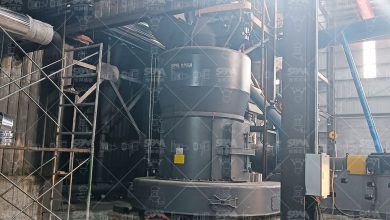
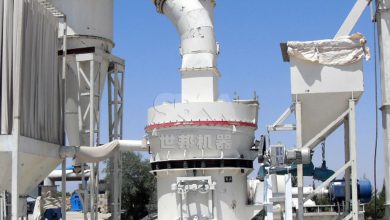
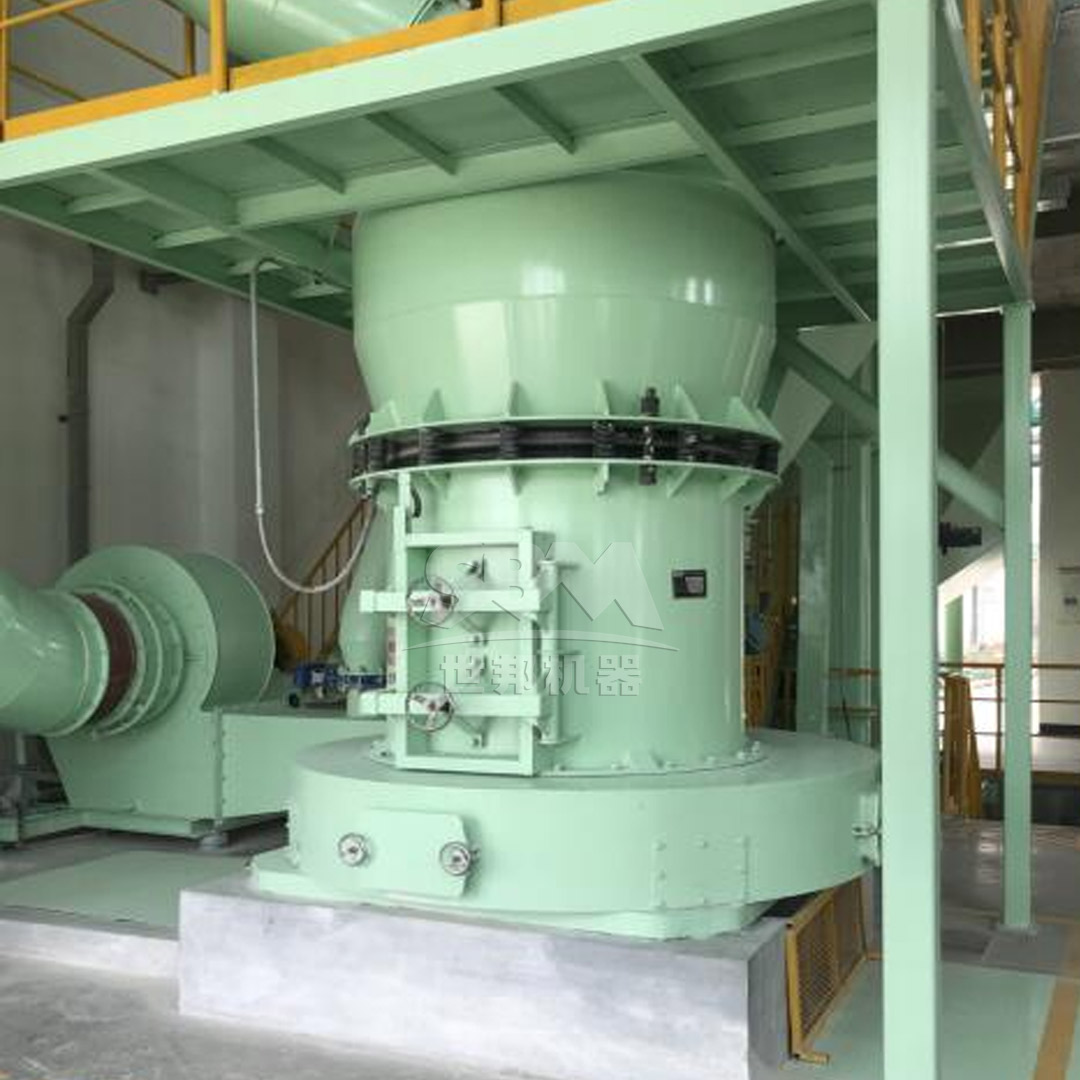
For the most demanding dolomite applications requiring ultra-fine powders between 325-2500 mesh (45-5μm), the SCM Ultrafine Mill stands as the industry benchmark. This advanced grinding system employs a unique combination of mechanical grinding and precision air classification to produce dolomite powders with exceptional particle size control and uniformity. The mill’s vertical turbine classification system ensures precise particle size cuts without coarse particle contamination, making it ideal for high-value applications in plastics, paints, coatings, and pharmaceutical formulations.
The SCM series demonstrates remarkable efficiency advantages, delivering up to twice the output of jet mills while reducing energy consumption by 30%. This is achieved through optimized grinding geometry, advanced material flow control, and intelligent operational systems that automatically maintain target particle size distributions. The mill’s special material roller and grinding ring assembly significantly extends component life while the bearingless screw grinding chamber design enhances operational stability and reduces maintenance requirements.
With models ranging from the SCM800 (0.5-4.5 tons/hour) to the high-capacity SCM1680 (5.0-25 tons/hour), processors can select the optimal configuration for their specific production needs. The system’s comprehensive dust collection and noise reduction features ensure compliance with stringent environmental standards, with pulse dust collector efficiency exceeding international benchmarks and operational noise levels below 75dB. For dolomite processors targeting premium markets where product performance depends on precise particle characteristics, the SCM Ultrafine Mill delivers unmatched technical capabilities and economic benefits.
Classification and Separation Equipment
Air Classifiers for Precision Particle Separation
Modern dolomite processing increasingly relies on advanced air classification technology to achieve precise particle size distributions required by specialty applications. Air classifiers separate particles based on size, shape, and density using a combination of centrifugal forces and aerodynamic drag. For dolomite processing, both static and dynamic classifiers find application, with dynamic classifiers offering superior precision for ultra-fine separations.
Advanced classifier designs incorporate multiple rotor stages and adjustable parameters to fine-tune the cut point and sharpness of separation. This precision is particularly important for high-value dolomite products where consistent performance depends on tight particle size distributions. Modern classification systems integrate seamlessly with grinding circuits, either in closed-loop configurations for improved grinding efficiency or as standalone units for product fractionation.
Magnetic Separators for Impurity Removal
While high-purity dolomite deposits naturally contain minimal iron impurities, some applications demand exceptionally low iron content. Magnetic separators provide an effective solution for removing ferromagnetic and paramagnetic contaminants from processed dolomite. Both permanent magnet and electromagnetic systems find application in dolomite processing, with selection depending on the nature and concentration of impurities.
High-intensity magnetic separators can reduce iron content to levels below 0.1%, significantly enhancing product value for applications such as high-quality glass manufacturing and specialty chemicals. Modern magnetic separation systems offer automated self-cleaning features to maintain separation efficiency during continuous operation, with minimal manual intervention required.
Dust Collection and Environmental Control Systems
Dolomite processing operations, particularly fine and ultra-fine grinding, generate significant amounts of dust that must be effectively controlled to ensure worker safety, protect equipment, and meet environmental regulations. Modern dust collection systems for dolomite processing typically employ pulse-jet baghouse filters capable of achieving collection efficiencies exceeding 99.9%.
These systems incorporate advanced filter media specifically selected for dolomite dust characteristics, with options including membrane-coated filters for enhanced dust release properties. Automated cleaning systems maintain filter performance while minimizing compressed air consumption. For ultra-fine dolomite products, specialized cartridge filter systems may be employed to achieve the highest collection efficiencies for sub-micron particles.
Material Handling and Storage Solutions
Efficient material handling is critical for maintaining product quality and operational efficiency in dolomite processing plants. Pneumatic conveying systems offer the most practical solution for transferring fine and ultra-fine dolomite powders between process stages, with both pressure and vacuum systems finding application depending on specific layout requirements.
Modern pneumatic conveyors incorporate features specifically designed for abrasive materials like dolomite, including wear-resistant piping with specialized bends, air injection systems to maintain material flow, and advanced controls to optimize conveying efficiency. For storage, silos with appropriate discharge aids prevent material bridging and rat-holing, ensuring consistent material flow to packaging or loadout systems. Moisture control through appropriate ventilation or conditioning systems is particularly important for maintaining the flowability of fine dolomite products.
Selecting the Optimal Equipment Configuration
The selection of equipment for dolomite deep processing depends on multiple factors including feed material characteristics, target product specifications, production capacity requirements, and economic considerations. For operations targeting multiple product grades, a flexible system incorporating different grinding technologies may provide the optimal solution.
Small to medium operations focusing on standard filler grades may find the MTW Series Trapezium Mill provides the best balance of capital investment and operational costs. For specialized operations targeting ultra-fine and high-purity markets, the SCM Ultrafine Mill delivers the technical capabilities required to compete in premium market segments. Comprehensive technical and economic evaluation, including consideration of total cost of ownership rather than just initial investment, should guide equipment selection decisions.
Conclusion
The deep processing of dolomite requires carefully selected equipment capable of transforming raw mineral into high-value products meeting precise specifications. From initial size reduction through ultra-fine grinding and classification, modern processing equipment incorporates advanced technologies to maximize efficiency, product quality, and operational economy. The MTW Series Trapezium Mill and SCM Ultrafine Mill represent two exemplary solutions for different segments of the dolomite market, each offering specific advantages for their target applications.
As market demands for specialized dolomite products continue to evolve, equipment manufacturers continue to innovate, developing increasingly efficient and capable processing solutions. By understanding the capabilities and applications of different processing technologies, dolomite producers can optimize their operations to maximize product value and competitive position in the global marketplace.