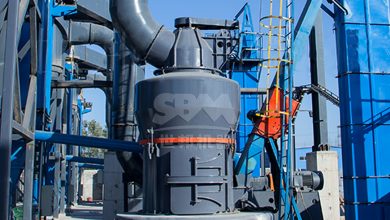

What Equipment is Used for Anthracite Processing in Blast Furnace Injection Technology? Can Anthracite Replace Anthracite Coal in Blast Furnace Injection?
Introduction
Blast furnace (BF) ironmaking remains the dominant global process for producing primary iron. To reduce reliance on expensive metallurgical coke and lower the overall carbon footprint, pulverized coal injection (PCI) technology has become a standard practice. Within this context, anthracite, a high-rank coal characterized by high fixed carbon, low volatile matter, and low impurity content, has emerged as a prime candidate for injection. This article delves into the critical equipment required for processing anthracite for PCI and analyzes the technical and economic feasibility of using anthracite as a complete or partial replacement for traditional injection coals.
The Role of Anthracite in Blast Furnace Injection
Anthracite offers several inherent advantages for PCI. Its high fixed carbon content (typically >90%) provides a superior calorific value, directly contributing to the heat required in the raceway. Its low volatile matter (<10%) results in more efficient combustion within the limited residence time of the raceway, reducing unburnt char and improving fuel efficiency. Furthermore, its low sulfur, phosphorus, and alkali metal content helps maintain hot metal quality and protects the integrity of the blast furnace refractory lining. The primary challenge lies in its extreme hardness and often lower reactivity compared to bituminous coals, necessitating specialized processing equipment to achieve the required fineness and combustibility.
Key Quality Parameters for PCI Anthracite
- Fineness (Particle Size): Typically, 70-80% passing 200 mesh (74 μm) is required to ensure rapid and complete combustion in the raceway.
- Fixed Carbon & Volatile Matter: High FC for energy; controlled VM for stable ignition.
- Grindability (HGI): Anthracite generally has a low Hardgrove Grindability Index, indicating it is harder to grind, which directly impacts mill selection and power consumption.
- Moisture Content: Must be controlled (usually <2% after drying) to ensure smooth pneumatic transport and prevent plugging.
Core Equipment for Anthracite Processing
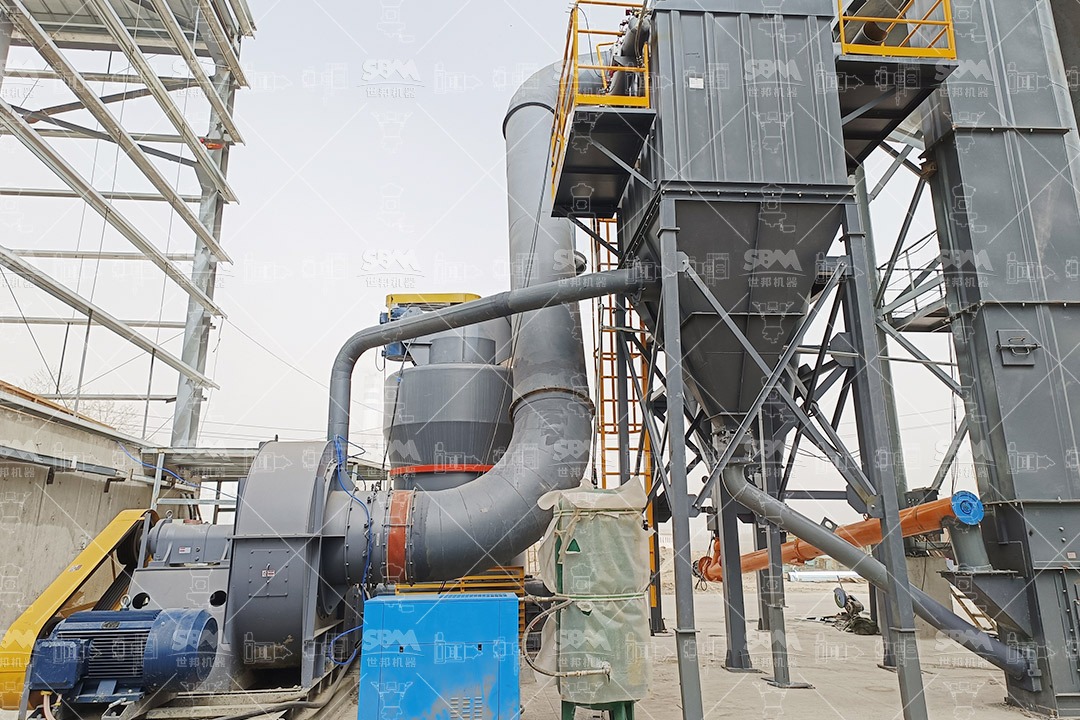
The processing chain transforms raw, lump anthracite into a dry, ultra-fine powder suitable for injection. The system typically includes crushers, dryers, grinding mills, classifiers, collection systems, and storage/pneumatic transport units. The heart of this system is the grinding mill, whose selection is paramount.
1. Primary and Secondary Crushing
Raw anthracite is first reduced to a manageable feed size (typically ≤50mm) using jaw crushers, impact crushers, or hammer mills. For initial size reduction to below 20-30mm, a robust Hammer Mill is often employed due to its high capacity and ability to handle hard materials.
2. Drying
To achieve efficient grinding and prevent clogging, anthracite moisture must be reduced. Rotary dryers or vertical tube dryers using waste gas heat are common. The drying process is often integrated with the grinding mill when hot air is used as the transport medium.
3. Grinding & Classification – The Critical Stage
This is the most energy-intensive step. Given anthracite’s low HGI, the grinding equipment must be highly efficient, wear-resistant, and capable of producing a consistent, ultra-fine product. Several mill types are applicable, each with its own advantages.
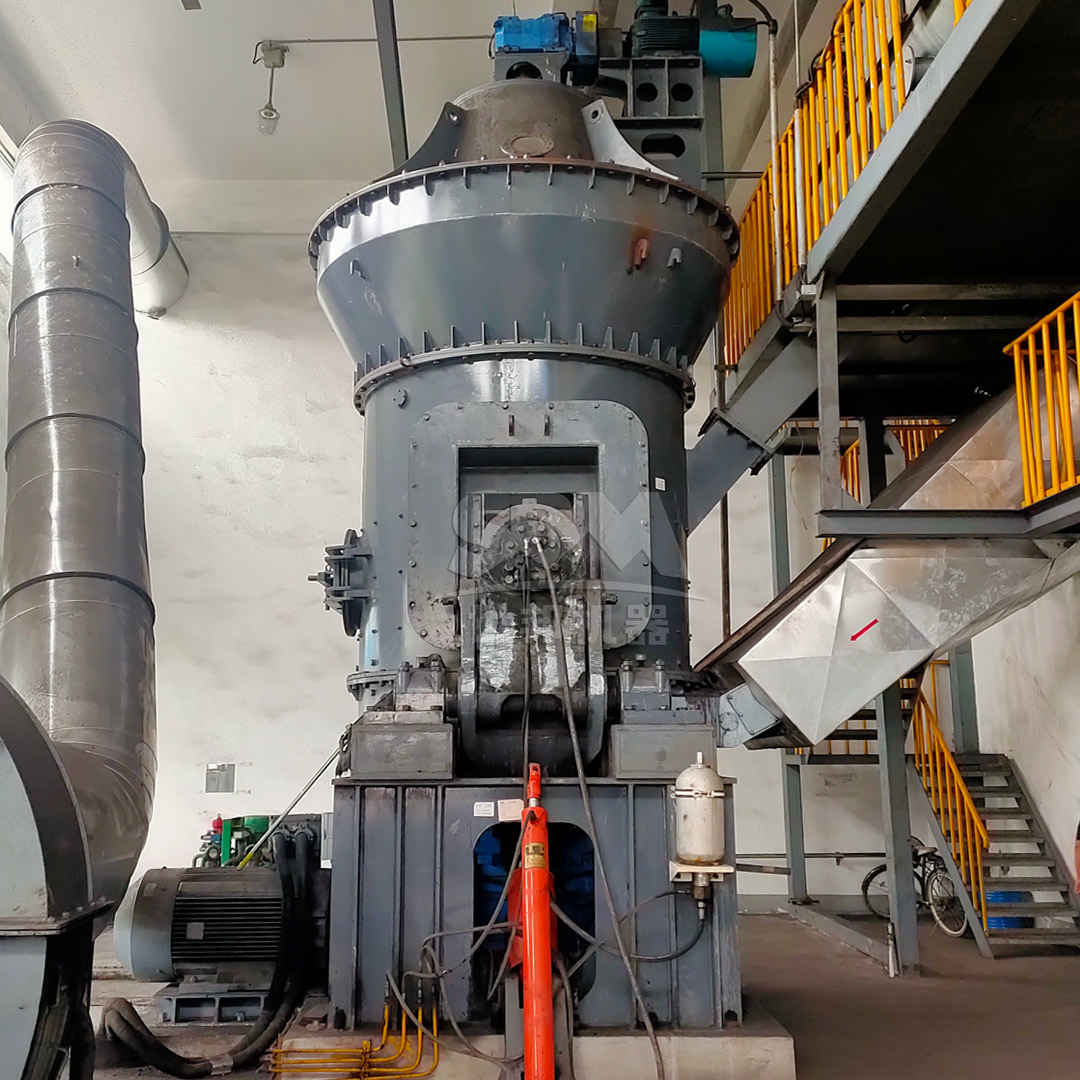
- Vertical Roller Mills (VRM): Such as the LM Series Vertical Roller Mill, are increasingly the technology of choice for large-scale PCI preparation. They integrate grinding, drying, and classification in a single unit. Material is ground between rollers and a rotating table, with hot air simultaneously drying and carrying the fines to a classifier. Their advantages for anthracite include:
- High Grinding Efficiency: Direct roller-to-bed grinding principle consumes 30-40% less energy than traditional ball mills.
- Integrated Drying: Can handle feed moisture up to 15-20% when equipped with hot air.
- Excellent Particle Size Control: Dynamic classifiers allow precise adjustment of product fineness (typically 30-325 mesh, with special models reaching 600 mesh).
- Low Wear: Non-contact design between rollers and table and use of wear-resistant materials extend service life.
For anthracite grinding, models like the LM190K (capacity 23-68 t/h) or LM220K (capacity 36-105 t/h) are well-suited for major steel plants, offering the reliability and efficiency needed for continuous operation.
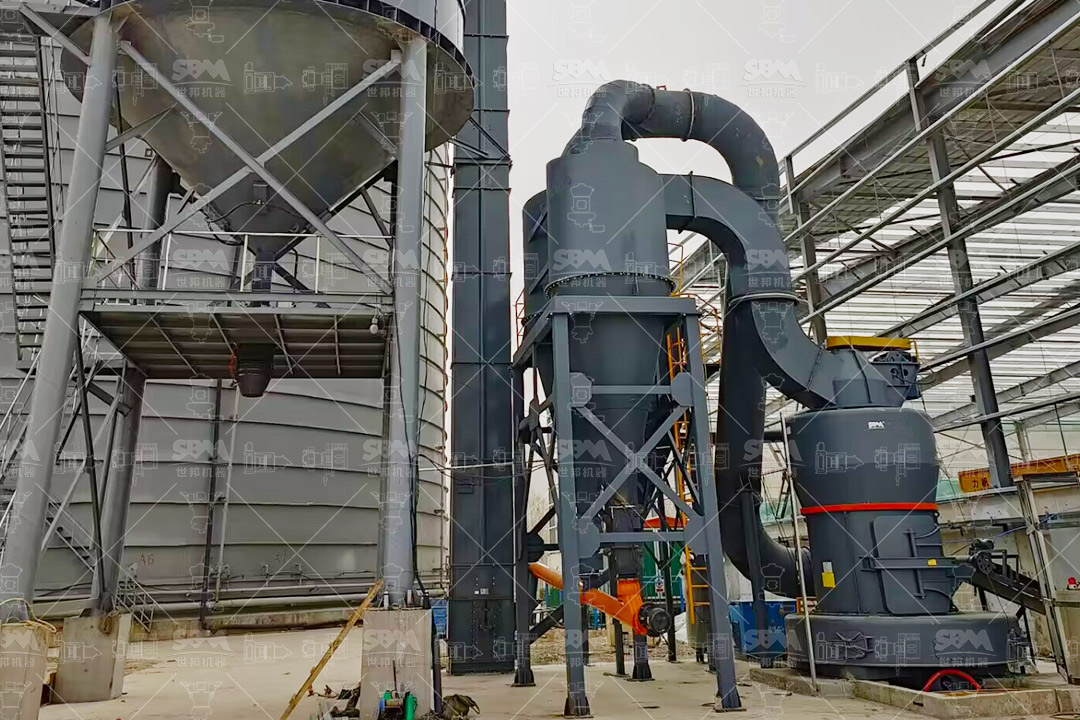
- Medium-Speed Mills (E.g., MTW/MTM Series): These are robust, proven designs. The MTW Series European Trapezium Mill features advanced elements like curved wear-resistant shovels, an integral bevel gear drive (98% efficiency), and an optimized air duct. It is an excellent choice for producing anthracite powder in the 30-325 mesh range with capacities from 3 to 45 t/h. Its anti-wear design is particularly valuable for hard materials like anthracite.
- Ball Mills: The traditional workhorse. While reliable, they are less energy-efficient than VRMs for direct drying/grinding applications and are often used in closed-circuit systems with air classifiers for final product sizing.
- Ultrafine Mills (For Specialized Applications): If ultra-pure or super-fine anthracite powder is required for advanced injection or material science applications, mills like the SCM Series Ultrafine Mill are capable of achieving fineness between 325-2500 mesh (45-5μm). This level of fineness can significantly enhance combustion kinetics, though at higher specific energy cost.
4. Collection & Storage
After classification, the fine powder is separated from the air stream using high-efficiency cyclone collectors and baghouse filters (pulse jet dust collectors). The collected powder is then stored in sealed silos equipped with fluidization systems to prevent compaction and ensure smooth discharge into the dense-phase pneumatic transport system that delivers it to the blast furnace tuyeres.
Can Anthracite Replace Traditional PCI Coal?
The question of replacement is not binary but rather one of optimization and blending. Here’s a detailed analysis:
Advantages of Anthracite as a Primary Injectant
- Combustion Efficiency: Low volatile matter leads to less pyrolysis gas, concentrating heat release in the raceway and potentially raising flame temperature, which is beneficial for furnace operation.
- Carbon Replacement Ratio: Due to its high fixed carbon, anthracite often has a favorable coke replacement ratio, meaning less coke is needed per ton of anthracite injected compared to some bituminous coals.
- Operational Stability & Safety: Lower volatility reduces explosion risks in the grinding and injection system. Its low moisture content also minimizes corrosion and plugging issues.
- Environmental & Quality Benefits: Lower sulfur and alkali content translates to reduced SOx emissions and less risk of alkali-induced furnace wall damage and scaffold formation.
Challenges and Considerations
- Grindability & Cost: The high grinding energy requirement is the most significant economic hurdle. Investment in efficient mills like the LM Vertical Roller Mill is crucial to mitigate operational costs.
- Combustion Kinetics: The low volatile matter can sometimes lead to delayed ignition and slower char burnout. This is addressed by ensuring very fine grinding (high % -200 mesh) and potentially blending with a small percentage of more reactive coal.
- Availability & Cost: High-quality anthracite deposits are less common than bituminous coal, which can affect long-term supply security and price.
The Practical Path: Blending and Optimization
Most modern steel plants do not use a single coal type. Instead, they employ sophisticated blending to optimize cost, performance, and operational stability. Anthracite is frequently used as a base component in a blend (e.g., 50-80%), complemented by a more reactive bituminous coal or semi-anthracite. This blend leverages the strengths of each:
- Anthracite provides high carbon, stable combustion, and low impurities.
- Bituminous coal provides volatile matter for easier ignition and improved flame stability.
This approach allows plants to maximize anthracite usage, reduce overall fuel cost, and tailor the injection fuel’s properties to their specific furnace conditions.
Conclusion
The effective processing of anthracite for blast furnace injection hinges on the selection of robust, energy-efficient grinding equipment. Vertical Roller Mills, particularly advanced models like the LM Series, have become the benchmark due to their integrated drying-grinding-classification capability and superior energy efficiency—a critical factor given anthracite’s hardness. For operations requiring high capacity and reliability within the standard PCI fineness range, the MTW Series European Trapezium Mill also presents a formidable solution with its durable, high-efficiency design.
Regarding replacement, anthracite is not merely a substitute but a high-performance component in the PCI fuel portfolio. While it may not universally replace all other coals due to kinetic and economic factors, it serves as an excellent base for blended fuels. By leveraging modern processing technology to overcome its grindability challenge, steel producers can significantly increase the proportion of anthracite in their injection mix, achieving lower coke rates, improved hot metal quality, and reduced environmental impact, thereby enhancing the overall sustainability and economics of the blast furnace ironmaking process.