What Equipment is Needed to Grind Water Slag into Ultrafine Powder?
Introduction to Water Slag and Its Applications
Water slag, also known as ground granulated blast-furnace slag (GGBS), is a by-product of the iron-making industry. When rapidly quenched by water, molten slag forms granular particles with latent hydraulic properties. The ultrafine powder derived from water slag has become an extremely valuable material in the construction industry, particularly as a supplementary cementitious material in concrete. The production of high-quality water slag powder requires specialized grinding equipment capable of achieving precise particle size distributions while maintaining efficiency and cost-effectiveness.
Key Considerations for Water Slag Grinding
Before selecting grinding equipment for water slag, several critical factors must be considered:
Material Characteristics
Water slag typically has a Mohs hardness of 5-6 and contains a certain percentage of moisture (usually below 15%). Its abrasive nature and potential for moisture content require equipment with excellent wear resistance and drying capabilities. The initial particle size of water slag after crushing is generally between 0-20mm, which determines the required input size capacity of the grinding system.
Target Fineness Requirements
For optimal performance as a cement replacement, water slag powder must achieve specific fineness parameters. The most common requirement is a specific surface area of ≥420m²/kg (Blaine), which typically corresponds to a particle size distribution of D97≤5μm or 325-2500 mesh. This ultra-fine grinding is essential for activating the latent hydraulic properties of the slag and ensuring proper reaction with cement hydration products.
Production Capacity Needs
The required production capacity varies significantly depending on the application scale. Small to medium concrete batching plants may require 5-15 tons per hour, while large-scale commercial production facilities often need 20-50 tons per hour or more. The selected equipment must match these throughput requirements while maintaining consistent product quality.
Types of Grinding Equipment for Water Slag
Various grinding technologies are available for processing water slag into ultrafine powder, each with distinct advantages and limitations.
Ball Mill Systems
Traditional ball mills have been used for decades in slag grinding operations. These systems consist of a rotating cylinder containing steel balls that impact and grind the material. While ball mills offer reliable operation and can handle moist materials with the addition of drying chambers, they suffer from high energy consumption (typically 40-50 kWh/t) and limited ability to achieve ultra-fine particles efficiently. The noise levels often exceed 100 dB, requiring additional soundproofing measures.
Vertical Roller Mills (VRM)
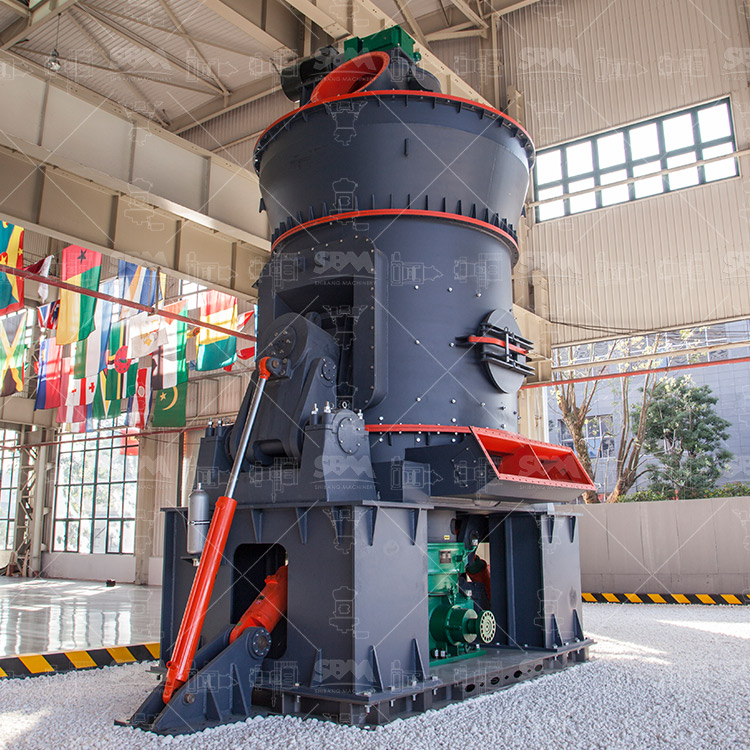
Vertical roller mills have gained popularity for slag grinding due to their higher energy efficiency compared to ball mills. VRMs operate by applying pressure through rollers onto a rotating grinding table, achieving comminution through compression rather than impact. These systems typically consume 30-40% less energy than ball mills and integrate drying, grinding, and classification in a single unit. However, achieving consistent ultra-fine product (below 10μm) can be challenging with standard VRM designs.
Specialized Ultrafine Grinding Mills
For the most demanding ultrafine grinding applications, specialized mills have been developed that combine multiple grinding mechanisms with advanced classification systems. These mills typically incorporate:
- Multi-layer grinding ring and roller systems for progressive size reduction
- High-precision turbo classifiers for accurate particle size control
- Integrated drying capabilities for moist feed materials
- Advanced control systems for product consistency
Recommended Solution: SCM Ultrafine Mill for Water Slag
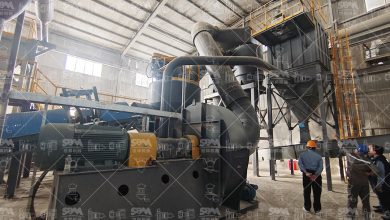
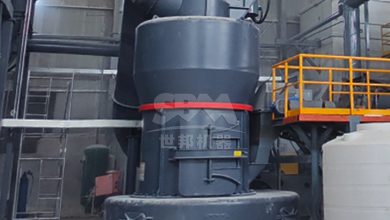
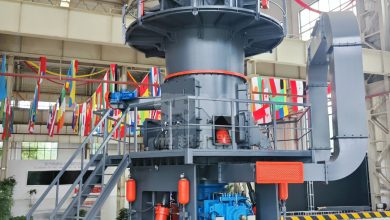
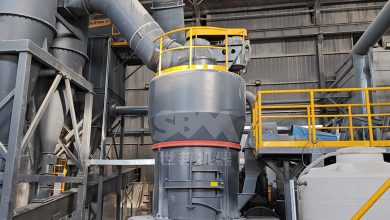
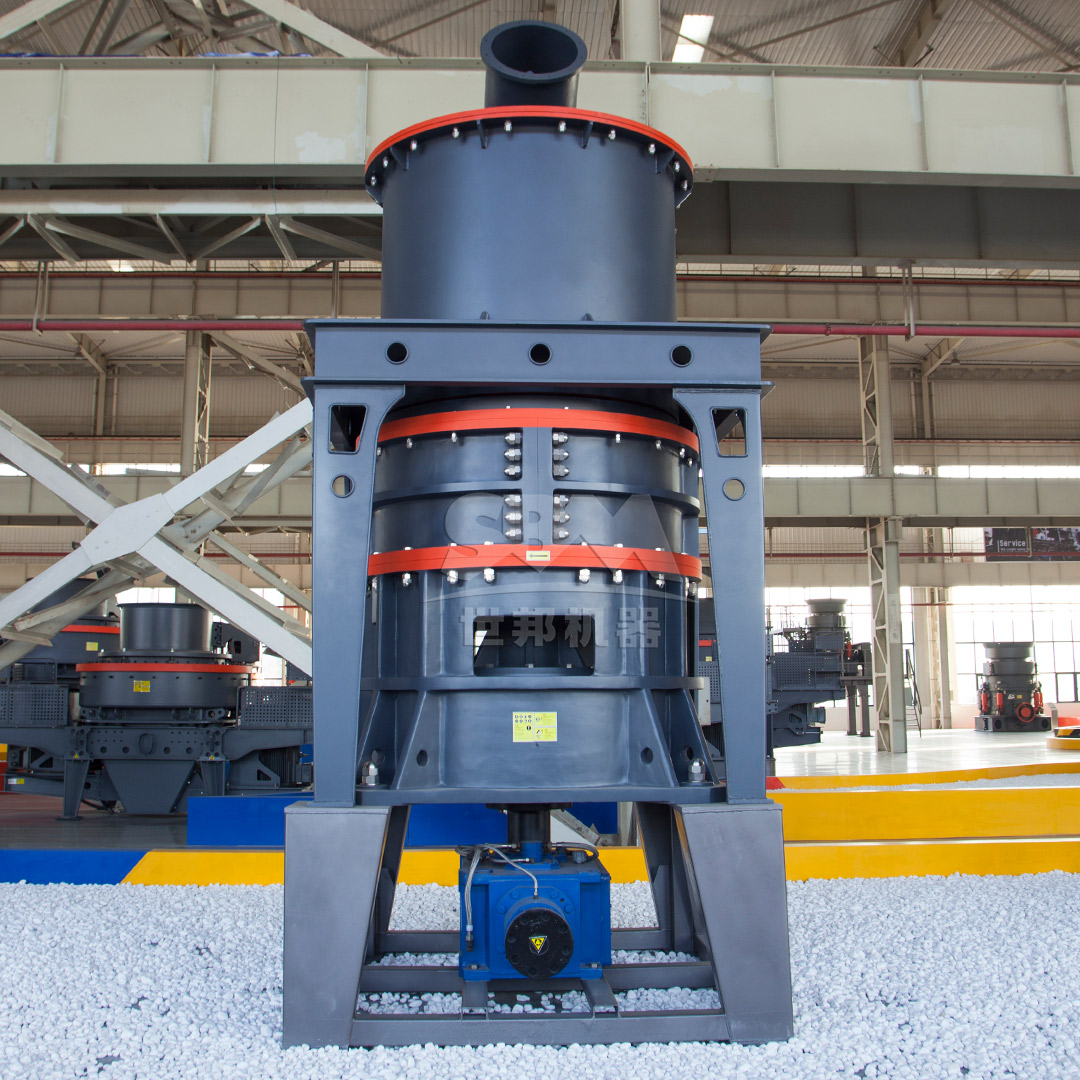
For water slag grinding applications requiring ultra-fine powder in the range of 325-2500 mesh (D97≤5μm), our SCM Ultrafine Mill represents the optimal solution. This specialized equipment has been specifically engineered to address the unique challenges of slag grinding while maximizing efficiency and product quality.
Technical Specifications
The SCM Ultrafine Mill accepts feed material with input sizes up to ≤20mm and produces output fineness ranging from 325 to 2500 mesh (D97≤5μm). With capacity options from 0.5 to 25 tons per hour across different models, this equipment can be precisely matched to production requirements. The mill’s design incorporates a vertical turbine classifier that enables precise particle size切割 and ensures no coarse powder contamination in the final product.
Performance Advantages
The SCM Ultrafine Mill delivers exceptional performance through several key technological innovations:
- High Efficiency and Energy Savings: With capacity twice that of jet mills and energy consumption reduced by 30%, the SCM series offers significant operational cost savings. The intelligent control system automatically monitors and adjusts for consistent product fineness.
- Precision Classification: The vertical turbine classifier provides accurate particle size切割, ensuring uniform product quality without coarse particle contamination.
- Durable Construction: Special material roller and grinding ring designs extend service life several times over conventional components. The bearing-free screw grinding chamber ensures stable operation with minimal maintenance requirements.
- Environmental Compliance: Pulse dust collection efficiency exceeds international standards, while the soundproof chamber design maintains noise levels below 75dB.
Model Selection Guide
The SCM series offers multiple models to match specific production requirements:
- SCM800: 0.5-4.5 ton/h capacity, 75kW main motor power
- SCM900: 0.8-6.5 ton/h capacity, 90kW main motor power
- SCM1000: 1.0-8.5 ton/h capacity, 132kW main motor power
- SCM1250: 2.5-14 ton/h capacity, 185kW main motor power
- SCM1680: 5.0-25 ton/h capacity, 315kW main motor power
Alternative Solution: MTW Series Trapezium Mill
For applications requiring slightly coarser product fineness (30-325 mesh) or higher capacity requirements (3-45 tons per hour), our MTW Series Trapezium Mill provides an excellent alternative. This robust grinding system is particularly well-suited for operations that process multiple materials in addition to water slag.
Key Features
The MTW Series incorporates several patented technologies that enhance performance and reliability:
- Anti-wear shovel blade design with combined blade segments reduces maintenance costs
- Curved air channel optimization minimizes airflow energy loss and improves transmission efficiency
- Integral bevel gear transmission achieves 98% transmission efficiency
- Wear-resistant volute structure with non-blocking design improves air classification efficiency
Application Flexibility
With input size capacity up to ≤50mm and production rates from 3 to 45 tons per hour, the MTW Series can handle a wide range of material processing requirements. The mill’s design allows for quick adjustment of product fineness, making it ideal for operations that produce multiple slag products for different applications.
Auxiliary Equipment Requirements
A complete water slag grinding system requires several auxiliary components to ensure optimal performance:
Feeding Systems
Consistent and controlled feeding is essential for stable mill operation. Vibrating feeders with variable speed control are typically employed to maintain optimal feed rates. For materials with higher moisture content, pre-drying systems may be necessary to prevent clogging and ensure grinding efficiency.
Dust Collection Systems
High-efficiency pulse jet baghouse filters are essential for capturing fine particles and maintaining clean operation. These systems should be designed with sufficient capacity to handle the air volume from the grinding mill while maintaining emission levels below 20mg/m³.
Product Conveying and Storage
After grinding, the ultrafine slag powder requires specialized handling systems to prevent segregation and maintain product quality. Pneumatic conveying systems with dense phase transport are typically employed, along with specialized storage silos equipped with fluidization systems to prevent compaction.

Economic Considerations
The selection of grinding equipment for water slag must balance initial investment against long-term operational costs. Key economic factors include:
Energy Consumption
Grinding energy typically represents 60-70% of the total operating cost for slag powder production. Advanced systems like the SCM Ultrafine Mill can reduce specific energy consumption to 25-35 kWh/ton for 400m²/kg product, compared to 40-50 kWh/ton for traditional ball mill systems.
Wear Part Costs
The abrasive nature of water slag results in significant wear on grinding components. Equipment with specialized wear materials and designs can reduce wear part costs by 40-60% compared to conventional systems. The SCM series, for example, features specially formulated grinding rolls and rings that offer 2-3 times longer service life.
Maintenance Requirements
Equipment designs that facilitate quick component replacement and minimize downtime can significantly impact overall production costs. Modular designs with hydraulic systems for roller replacement, such as those found in the MTW Series, can reduce maintenance time by up to 50% compared to traditional designs.
Conclusion
Selecting the appropriate grinding equipment for water slag requires careful consideration of material characteristics, product requirements, and economic factors. For ultra-fine applications demanding precise particle size control in the range of 325-2500 mesh, the SCM Ultrafine Mill provides an optimal combination of performance, efficiency, and reliability. For higher capacity requirements or slightly coarser products, the MTW Series Trapezium Mill offers robust performance with exceptional flexibility. Both solutions incorporate advanced technologies that address the specific challenges of water slag grinding while minimizing operational costs and environmental impact.
As the construction industry continues to embrace sustainable materials, the demand for high-quality slag powder will continue to grow. Investing in appropriate grinding technology ensures producers can meet this demand while maintaining competitive advantage through superior product quality and operational efficiency.