What Equipment is Needed to Grind Limestone into 3000 Mesh Ultra Fine Powder?
Introduction to Ultra Fine Limestone Grinding
The production of 3000 mesh ultra fine limestone powder represents one of the most demanding applications in mineral processing technology. Achieving this exceptional fineness level requires specialized equipment capable of generating tremendous grinding forces while maintaining precise particle size control. Limestone, composed primarily of calcium carbonate, finds extensive applications in plastics, rubber, paints, pharmaceuticals, and advanced composites when processed to ultra fine specifications. The transformation of raw limestone into 3000 mesh powder (approximately 5μm) demands a comprehensive understanding of grinding mechanics, classification technology, and system integration.
The journey from quarry-sized limestone to ultra fine powder involves multiple processing stages, each requiring specific equipment configurations. This article explores the technical requirements, equipment selection criteria, and operational considerations for producing 3000 mesh limestone powder, with particular emphasis on the technological advancements that make such fine grinding economically viable.
Technical Challenges in 3000 Mesh Grinding
Producing 3000 mesh limestone powder presents several significant technical challenges that must be addressed through equipment selection and process optimization:
Energy Consumption Considerations
The relationship between particle size reduction and energy input follows Rittinger’s law, which states that the energy required for size reduction is proportional to the new surface area created. As particle size decreases to the micron and sub-micron range, the energy requirement increases exponentially. Grinding limestone to 3000 mesh typically consumes 3-5 times more energy than producing 325 mesh powder, making energy efficiency a critical factor in equipment selection.
Particle Size Distribution Control
Maintaining a narrow particle size distribution at 3000 mesh presents substantial challenges. Conventional grinding systems often produce a wide distribution with both oversize and undersize particles. For premium applications, the presence of oversize particles can compromise product performance, while excessive fines can increase viscosity and processing difficulties in downstream applications. Advanced classification systems are essential for achieving the required distribution control.
Heat Generation and Product Degradation
The intense mechanical forces involved in ultra fine grinding generate significant heat, which can potentially degrade heat-sensitive components of limestone or cause agglomeration of fine particles. Effective cooling systems and heat management strategies are necessary to maintain product quality and prevent the formation of hard agglomerates that are difficult to redisperse.
Contamination Control
At 3000 mesh fineness, even minimal wear of grinding media and liners can introduce significant contamination. Equipment designed for ultra fine grinding must incorporate wear-resistant materials and designs that minimize product contamination while maintaining grinding efficiency.
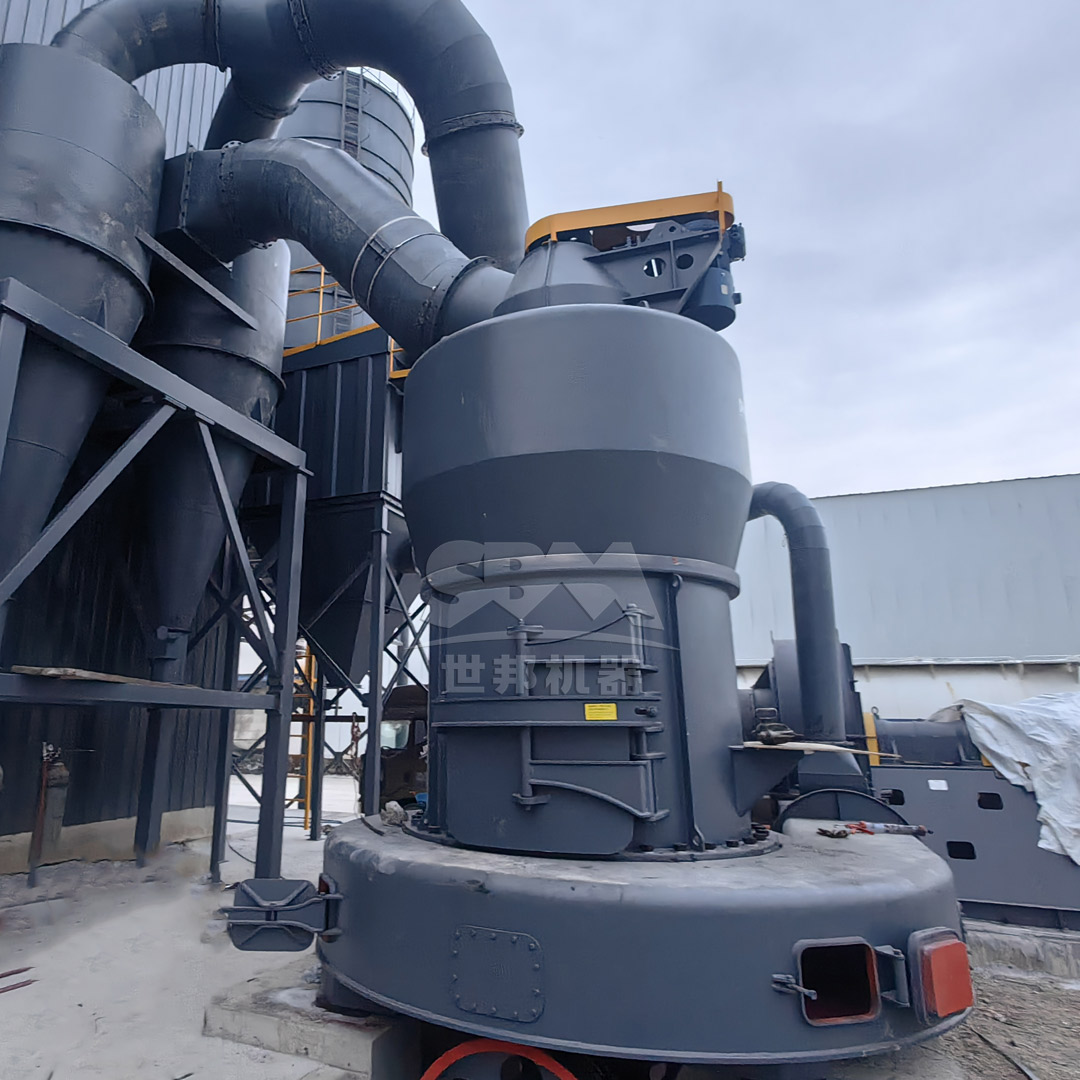
Equipment Selection for 3000 Mesh Limestone Grinding
The production of 3000 mesh limestone powder requires a systematic approach to equipment selection, considering both primary grinding and precision classification stages. The following equipment categories represent the current state of the art in ultra fine limestone processing:
Primary Crushing and Pre-Grinding Equipment
Before ultra fine grinding, limestone must be reduced to a suitable feed size through primary and secondary crushing stages. Jaw crushers typically handle the initial size reduction from quarry run to 150-200mm, followed by secondary cone crushers or impact crushers that further reduce the material to 20-50mm. For the final pre-grinding stage, vertical roller mills or hammer mills can efficiently reduce limestone to 1-5mm, creating an optimal feed for ultra fine grinding systems.
Our Hammer Mill series provides an excellent solution for the pre-grinding stage, with capabilities to reduce 0-40mm limestone feed to 0-3mm product in a single pass. The optimized cavity design and high manganese steel wear components ensure stable operation with minimal maintenance requirements, creating the ideal feedstock for subsequent ultra fine grinding operations.
Ultra Fine Grinding Mills
The core of any 3000 mesh limestone production system is the ultra fine grinding mill. Several mill types have proven effective for this application, each with distinct advantages and limitations:
Classification Systems for Ultra Fine Powders
Advanced classification technology is essential for producing 3000 mesh limestone powder with tight particle size distribution. Turbo classifiers, air classifiers, and dynamic classifiers separate fine particles from coarse material, returning oversize particles to the grinding chamber for further size reduction. The efficiency of the classification system directly impacts product quality, energy consumption, and production rate.
Recommended Solution: SCM Ultrafine Mill for 3000 Mesh Limestone
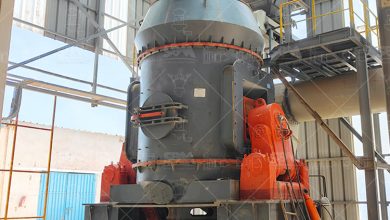
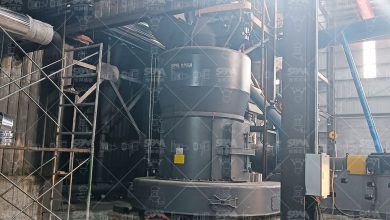
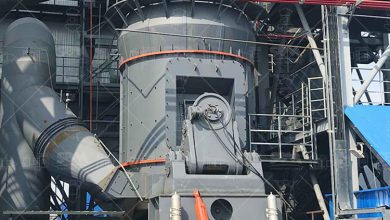
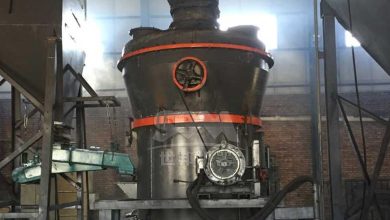
For the specific requirement of producing 3000 mesh limestone powder, our SCM Ultrafine Mill represents the optimal technical solution. This advanced grinding system incorporates multiple technological innovations specifically designed for ultra fine powder production:
Technical Specifications
The SCM Ultrafine Mill accepts limestone feed material with maximum size of ≤20mm and produces powder in the range of 325-2500 mesh (D97≤5μm), comfortably encompassing the 3000 mesh target. With capacity ranging from 0.5-25 tons per hour depending on model selection, the SCM series offers scalability from pilot-scale operations to full industrial production.
Key Technological Advantages
The SCM Ultrafine Mill delivers exceptional performance through several distinct technological advantages:
- High Efficiency and Energy Savings: With capacity twice that of jet mills and energy consumption reduced by 30%, the SCM series represents a significant advancement in ultra fine grinding efficiency. The intelligent control system automatically monitors and adjusts operating parameters to maintain target product fineness.
- High Precision Classification: The integrated vertical turbo classifier provides precise particle size切割, ensuring consistent product quality without contamination from coarse particles. This precision is essential for achieving the narrow particle size distribution required for 3000 mesh applications.
- Durable Design: Specially formulated materials for grinding rollers and rings extend service life by multiple times compared to conventional designs. The innovative bearing-free screw grinding chamber ensures stable operation and reduces maintenance requirements.
- Environmental Compliance: With pulse dust collection efficiency exceeding international standards and integrated soundproofing that reduces noise to ≤75dB, the SCM series addresses both environmental and workplace safety requirements.
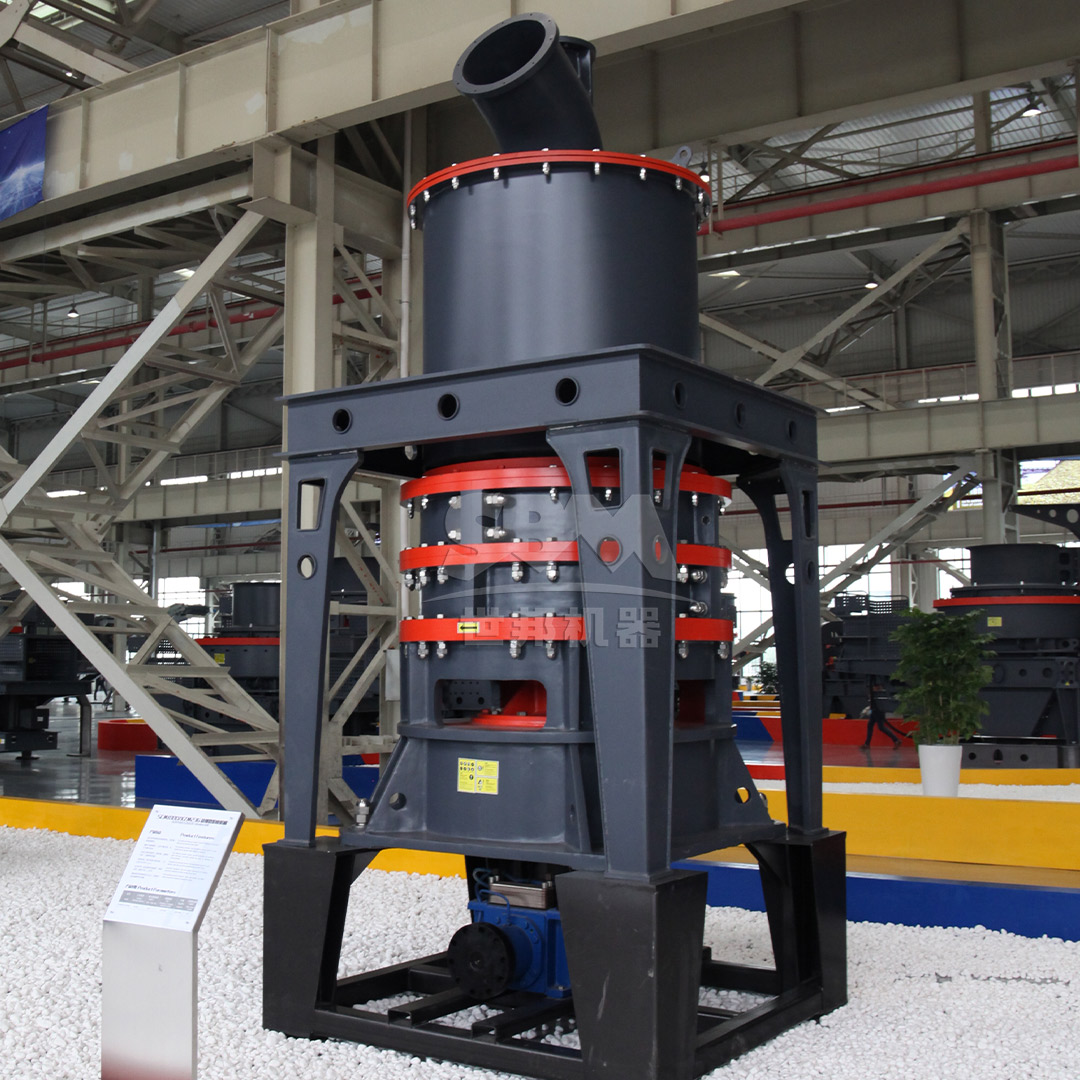
Working Principle
The SCM Ultrafine Mill operates on an advanced grinding principle where the main motor drives multiple grinding rings to rotate. Material is fed into the mill and dispersed by centrifugal force into the grinding path. Progressive grinding occurs through multiple layers of rollers applying pressure to the material bed. The ground powder is transported by airflow to the integrated classification system, where precisely controlled centrifugal forces separate particles according to size. Qualified fine powder passes through the classifier to the collection system, while oversize particles return to the grinding chamber for further reduction.
Model Selection Guide
The SCM series offers multiple models to match specific production requirements:
- SCM800: Processing capacity 0.5-4.5 ton/h, main motor power 75kW
- SCM900: Processing capacity 0.8-6.5 ton/h, main motor power 90kW
- SCM1000: Processing capacity 1.0-8.5 ton/h, main motor power 132kW
- SCM1250: Processing capacity 2.5-14 ton/h, main motor power 185kW
- SCM1680: Processing capacity 5.0-25 ton/h, main motor power 315kW
For most 3000 mesh limestone production applications, the SCM1000 or SCM1250 models provide the optimal balance of capacity, energy efficiency, and operational flexibility.
Auxiliary Equipment Requirements
Successful production of 3000 mesh limestone powder requires proper integration of auxiliary equipment with the primary grinding system:
Feeding Systems
Consistent, controlled feeding is essential for stable ultra fine grinding operation. Vibratory feeders with variable speed control maintain optimal material bed depth in the grinding chamber, preventing overloading or starvation that can disrupt grinding efficiency and product quality.
Dust Collection Systems
Pulse jet baghouse collectors with high-efficiency filter media are essential for capturing 3000 mesh limestone powder. These systems must provide high collection efficiency while maintaining low pressure drop to minimize energy consumption. Explosion protection measures, including venting or suppression systems, should be incorporated due to the explosive nature of fine limestone dust.
Product Handling and Packaging
The extreme fineness of 3000 mesh limestone presents challenges in material handling. Pneumatic conveying systems designed for ultra fine powders, incorporating dense phase conveying technology where appropriate, minimize product degradation and segregation. Packaging systems must prevent contamination and moisture absorption while maintaining product quality during storage and transportation.
Process Control Systems
Advanced process control systems monitor and adjust critical parameters including feed rate, grinding pressure, classifier speed, and gas flow. Modern control systems incorporate expert system technology to optimize performance and maintain consistent product quality despite variations in feed material characteristics.
Operational Considerations for 3000 Mesh Production
Successful operation of ultra fine limestone grinding systems requires attention to several critical operational factors:
Moisture Control
Limestone feed moisture should be maintained below 1% to prevent agglomeration and grinding efficiency reduction. Pre-drying systems may be required in high-humidity environments or when processing freshly quarried material.
Grinding Media Optimization
For ball mill-based systems, proper selection of grinding media size, shape, and composition significantly impacts grinding efficiency and product contamination. Ceramic or high-chrome media typically provide the best balance of wear resistance and contamination control for ultra fine limestone grinding.
System Integration and Optimization
All components of the grinding system must be properly integrated and balanced to achieve optimal performance. Airflow rates, classifier speeds, and grinding pressures must be coordinated to maximize production rate while maintaining target product quality.
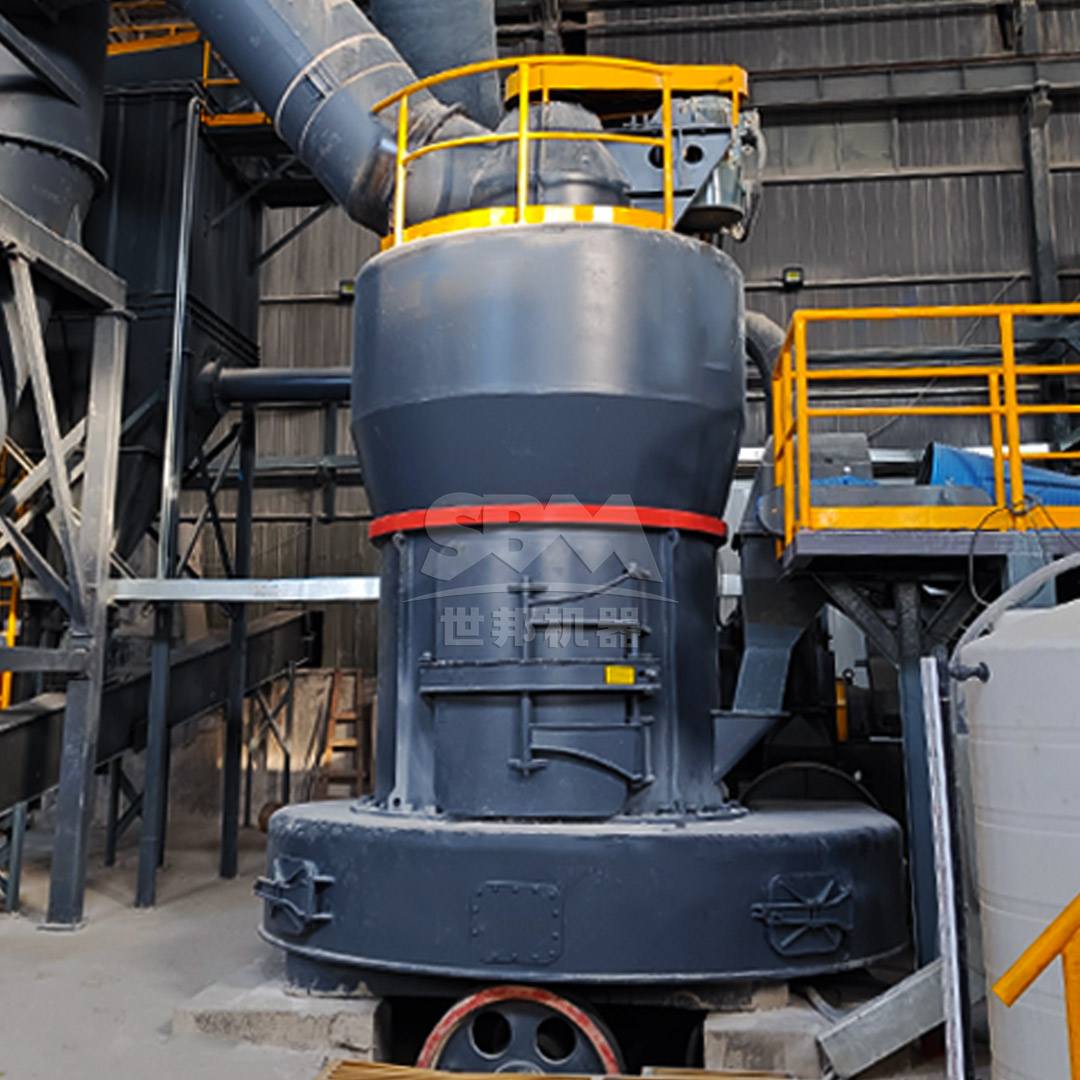
Economic Considerations
The production of 3000 mesh limestone powder involves significant capital and operating costs that must be justified by product value. Key economic factors include:
Capital Investment
Complete systems for 3000 mesh limestone production represent substantial capital investment, with ultra fine grinding mills comprising the largest component. Proper equipment selection based on production requirements and growth projections is essential for economic viability.
Operating Costs
Energy consumption represents the largest component of operating cost for ultra fine grinding. The high efficiency of the SCM Ultrafine Mill significantly reduces operating costs compared to alternative technologies. Maintenance costs, wear part consumption, and labor requirements also contribute significantly to operating economics.
Return on Investment
The premium value of 3000 mesh limestone powder in specialty applications typically justifies the increased production costs. Products such as high-performance plastics, advanced coatings, and pharmaceutical formulations command prices significantly above conventional limestone products, providing attractive returns on investment for properly implemented ultra fine grinding systems.
Conclusion
The production of 3000 mesh limestone powder requires specialized equipment capable of generating extreme fineness with controlled particle size distribution. Our SCM Ultrafine Mill represents the current state of the art in ultra fine grinding technology, combining high efficiency, precise classification, and operational reliability in a single integrated system. With capacities ranging from 0.5 to 25 tons per hour and the ability to produce powder from 325 to 2500 mesh, the SCM series provides a scalable solution for operations ranging from pilot scale to full industrial production.
When selecting equipment for 3000 mesh limestone production, consideration must be given to the complete system including feeding, grinding, classification, collection, and product handling. Proper system design and integration are essential for achieving economic production of high-quality ultra fine limestone powder. The technical advantages of the SCM Ultrafine Mill, particularly its energy efficiency, classification precision, and operational reliability, make it the preferred choice for demanding ultra fine limestone applications across multiple industries.