What Equipment is Needed for Producing Slag Powder from Water Slag?
Introduction to Slag Powder Production
The production of high-quality slag powder from water-quenched blast furnace slag (GBFS) is a critical process in modern construction materials and sustainable industrial practices. Slag powder, when finely ground, exhibits excellent latent hydraulic and pozzolanic properties, making it a valuable supplementary cementitious material (SCM). The transformation of granular water slag into a consistent, fine powder requires a carefully selected and integrated system of equipment. This article provides a comprehensive overview of the essential equipment needed for a complete slag powder production line, from raw material handling to final product packaging, with a focus on the core grinding technology.
1. Raw Material Handling and Pre-Treatment System
Before grinding, water slag must be properly prepared. The handling system typically includes:
- Storage and Reclaiming: Water slag, with a typical moisture content of 10-15%, is stored in large silos or sheds. Bridge-type scrapers, stacker-reclaimers, or front-end loaders are used for homogenization and feeding.
- Drying System: Efficient drying is paramount. Rotary dryers or vertical flash dryers are commonly employed to reduce moisture to below 1-2%. This step is often integrated with the mill’s hot gas system for energy efficiency.
- Feeding and Metering: Belt conveyors, bucket elevators, and precise weigh feeders ensure a stable and controlled feed rate into the grinding mill, which is crucial for stable mill operation and product consistency.

2. The Core Component: The Grinding Mill
The grinding mill is the heart of the slag powder production line. The choice of mill technology directly determines the product’s fineness (specific surface area), particle size distribution, energy consumption, and overall production cost. Several mill types are applicable, each with its own advantages.
2.1 Vertical Roller Mills (VRM)
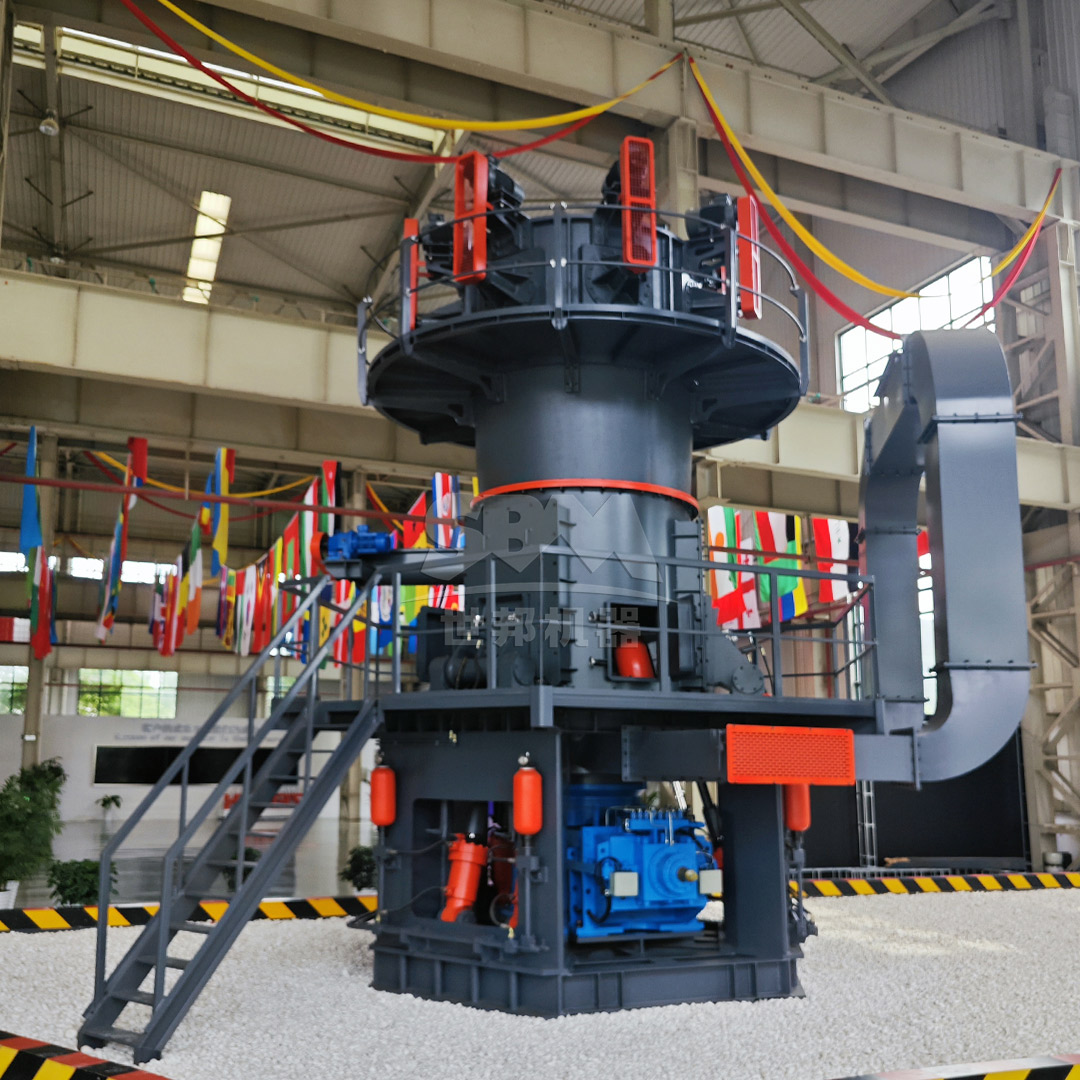
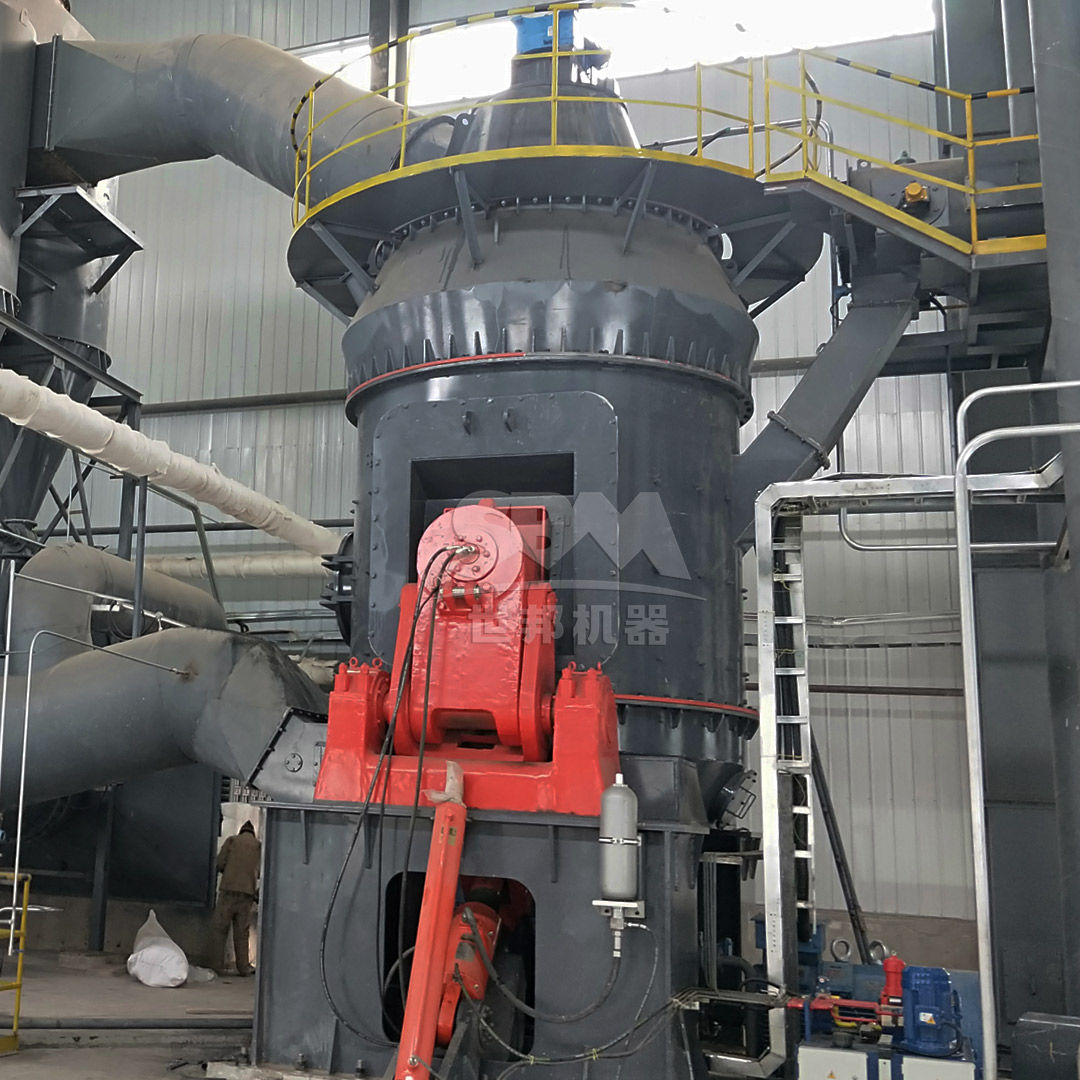
Vertical Roller Mills have become the industry standard for large-scale slag grinding due to their high energy efficiency and integrated drying-grinding-classifying process. Material is fed onto a rotating grinding table and ground under rollers pressed against the table. Hot gases simultaneously dry the material and transport the ground powder to an integrated classifier.
Key Advantages for Slag:
- High Energy Efficiency: VRMs consume 30-50% less energy than traditional ball mills for the same product fineness.
- Integrated Drying: Can handle slag with significant moisture content by utilizing hot gases.
- Compact Design: Occupies less space compared to ball mill circuits.
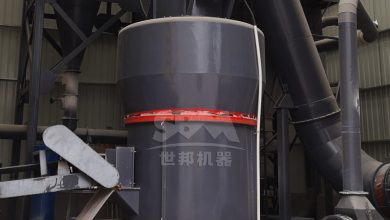
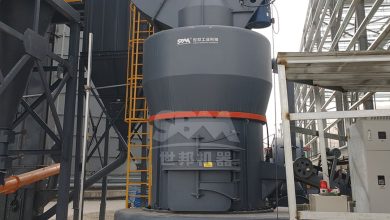
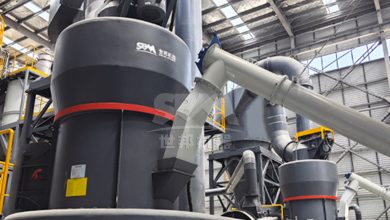
For dedicated, high-capacity slag grinding lines, our LM Vertical Slag Mill series (e.g., LM220N, LM280N) is specifically engineered for this task. These mills feature non-contact grinding roller designs that dramatically extend wear part life, expert automatic control systems for stable operation, and achieve product fineness exceeding 420 m²/kg with capacities ranging from 20 to over 100 tons per hour. Their ability to operate under full negative pressure ensures dust emissions are kept well below international standards.
2.2 Ultrafine Grinding Mills
For applications requiring ultra-high fineness slag powder (e.g., for high-performance concrete or as a filler), specialized ultrafine mills are necessary. These mills combine intense grinding forces with highly precise air classification.
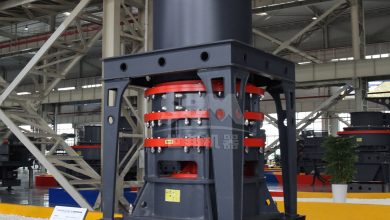
Our SCM Ultrafine Mill is an exemplary solution for producing slag powder in the range of 325 to 2500 mesh (D97 ≤ 5μm). Its technological advantages are particularly relevant for premium slag products:
- Superior Energy Efficiency: It offers twice the capacity of jet mills while reducing energy consumption by 30%, a critical factor in fine grinding operations.
- Exceptional Product Uniformity: The vertical turbine classifier ensures precise particle size cuts, eliminating coarse particles and delivering a remarkably consistent product essential for enhancing concrete performance.
- Robust and Low-Maintenance: Constructed with special material rollers and rings that last several times longer, and featuring a bearingless screw grinding chamber for stable, low-vibration operation.
- Environmental Compliance: Equipped with a high-efficiency pulse dust collector and soundproofing design, keeping noise levels below 75dB.
With models like the SCM1250 (2.5-14 t/h) or SCM1680 (5-25 t/h), it provides a scalable solution for producing high-value, ultrafine slag powder.
2.3 Ball Mills (with Roller Press Pre-Grinding)
While less efficient than VRMs, ball mills are a proven, reliable technology. For new installations, they are often used in conjunction with a roller press for pre-grinding in a semi-finish or finish grinding circuit. This combination significantly improves the efficiency of the ball mill. The system is robust but generally has higher energy consumption and footprint than a standalone VRM system.
3. Classification and Product Collection
Efficient classification is vital to ensure the final product meets the target fineness. Modern mills have dynamic classifiers integrated at the top (in VRMs) or as separate units (for ball mills and some other systems). These classifiers use adjustable rotor speeds to separate fine product from coarse material, which is returned to the grinding zone. The final fine powder is then collected in high-efficiency cyclones and baghouse filters (pulse jet bag filters). The collection system must be designed to handle the high volume of air from the mill and achieve a dust emission concentration of less than 20 mg/Nm³.
4. Product Conveying, Storage, and Packaging
After collection, the finished slag powder is typically conveyed to storage silos via air slides, bucket elevators, or pneumatic conveying systems. Silos are equipped with aeration systems to prevent compaction and ensure smooth discharge. Finally, the product can be dispatched in bulk tankers or packaged into bags using automatic valve bag packers or big bag (FIBC) filling stations. Dust control at all transfer points is essential.
5. Auxiliary Systems
A complete plant also relies on several auxiliary systems:
- Electrical & Automation: A central PLC/DCS control system monitors and controls the entire process, optimizing mill operation, feed rates, and temperatures.
- Compressed Air: Required for pneumatic conveying, instrument control, and pulse-jet cleaning of bag filters.
- Dust Collection: A plant-wide network of bag filters at all potential dust emission points ensures a clean working environment.
- Heat Source: For drying, a hot gas generator (using gas, oil, or coal as fuel) provides the necessary thermal energy.
Conclusion
Establishing an efficient slag powder production line requires a holistic approach to equipment selection, with the grinding mill being the most critical decision. The trend strongly favors energy-efficient, integrated vertical roller mills like our LM series for standard to high-capacity production, while specialized ultrafine mills like the SCM series unlock the potential for premium, high-fineness products. A successful plant integrates robust pre-treatment, precise grinding and classification, efficient product handling, and comprehensive environmental controls to transform water slag into a consistent, high-value construction material that promotes sustainability and performance.