What Equipment is Best for Making Rutile Powder and What Are Its Uses?
Introduction to Rutile Powder Processing
Rutile, a naturally occurring titanium dioxide (TiO₂) mineral, is one of the most important industrial minerals due to its exceptional properties and wide-ranging applications. The processing of rutile into fine powder requires specialized equipment that can achieve precise particle size distribution while maintaining high efficiency and product quality. The selection of appropriate grinding machinery is critical to producing rutile powder that meets the stringent requirements of various industries.
Rutile’s high refractive index, chemical stability, and UV absorption capabilities make it invaluable in numerous applications. However, these same properties present challenges in the grinding process, as rutile is relatively hard (6-6.5 on Mohs scale) and requires equipment capable of handling abrasive materials while producing ultra-fine powders with consistent quality.
Key Considerations for Rutile Grinding Equipment
Particle Size Requirements
The optimal particle size for rutile powder varies significantly depending on the intended application. For pigment applications, rutile typically requires grinding to 0.2-0.3μm for optimal light scattering and opacity. In welding electrode coatings, particle sizes of 45-150μm are common, while electronic applications may require sub-micron or even nano-sized particles. The grinding equipment must offer precise control over the final particle size distribution to meet these diverse requirements.
Production Capacity and Efficiency
Industrial-scale rutile processing demands equipment with high throughput capabilities while maintaining energy efficiency. The grinding system should be capable of handling varying feed sizes and moisture content while producing consistent output. Energy consumption is a significant factor in operational costs, making efficiency a crucial consideration in equipment selection.
Product Contamination and Purity
Maintaining the chemical purity of rutile during grinding is essential, as even minor contamination can affect the performance in sensitive applications. Equipment with minimal wear parts and appropriate lining materials is necessary to prevent iron or other metallic contamination. The grinding mechanism should also minimize heat generation to prevent phase changes or degradation of the rutile properties.
Recommended Equipment for Rutile Powder Production
SCM Ultrafine Mill for High-Precision Applications
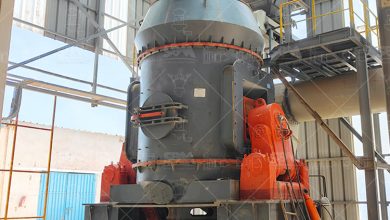
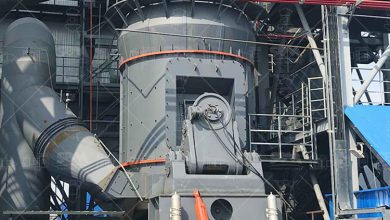
For applications requiring ultra-fine rutile powder with precise particle size control, the SCM Ultrafine Mill represents an optimal solution. This advanced grinding system is specifically engineered to produce powders in the range of 325-2500 mesh (D97≤5μm), making it ideal for high-value applications where particle size consistency is critical.
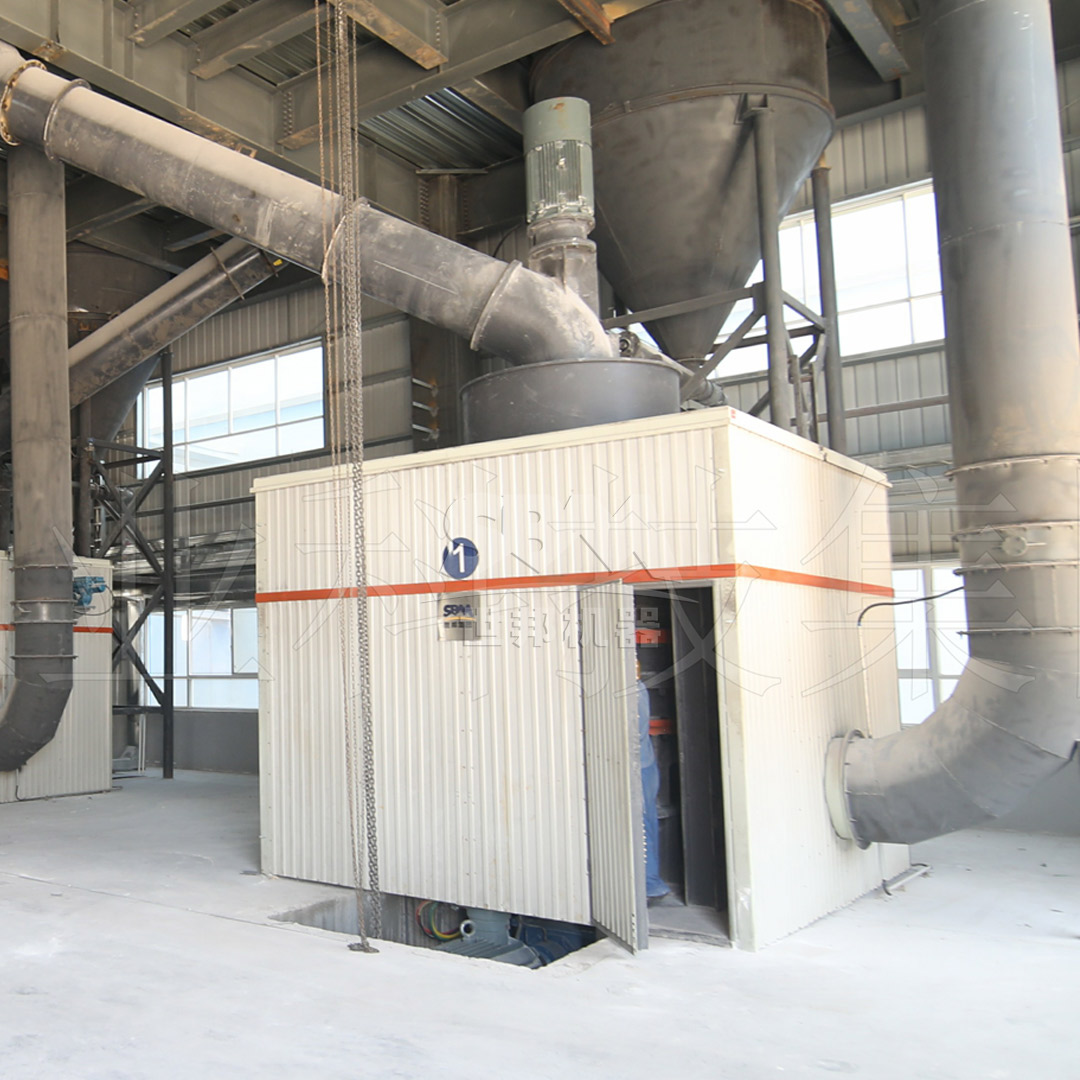
The SCM series incorporates several technological advantages that make it particularly suitable for rutile processing. Its high-efficiency classification system ensures uniform particle size distribution, while the special wear-resistant materials used in grinding components minimize contamination. The mill’s intelligent control system automatically monitors and adjusts operating parameters to maintain consistent product quality, even with variations in feed material characteristics.
With models ranging from SCM800 to SCM1680, offering processing capacities from 0.5 to 25 tons per hour, the SCM Ultrafine Mill can be scaled to match production requirements from pilot plants to large-scale industrial operations. The system’s energy efficiency, achieving 30% lower energy consumption compared to jet mills while providing double the output capacity, makes it an economically viable choice for rutile processing.
MTW Series Trapezium Mill for General Applications
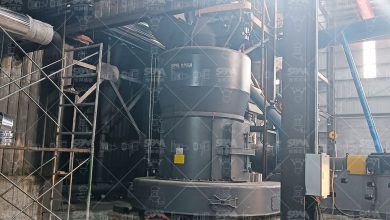
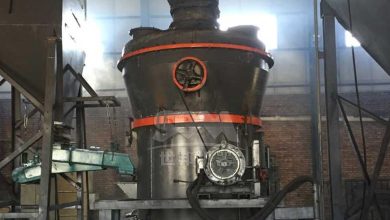
For applications requiring rutile powder in the 30-325 mesh range, the MTW Series Trapezium Mill offers an excellent balance of performance, efficiency, and reliability. This robust grinding system is designed to handle the abrasive nature of rutile while maintaining consistent output quality and low operating costs.
The MTW series features several innovations that enhance its suitability for rutile processing. The curved air channel design reduces energy loss and improves material transport efficiency, while the wear-resistant shovel design extends maintenance intervals. The integrated cone gear transmission system provides high transmission efficiency (up to 98%) and reliable operation, crucial for continuous processing operations.
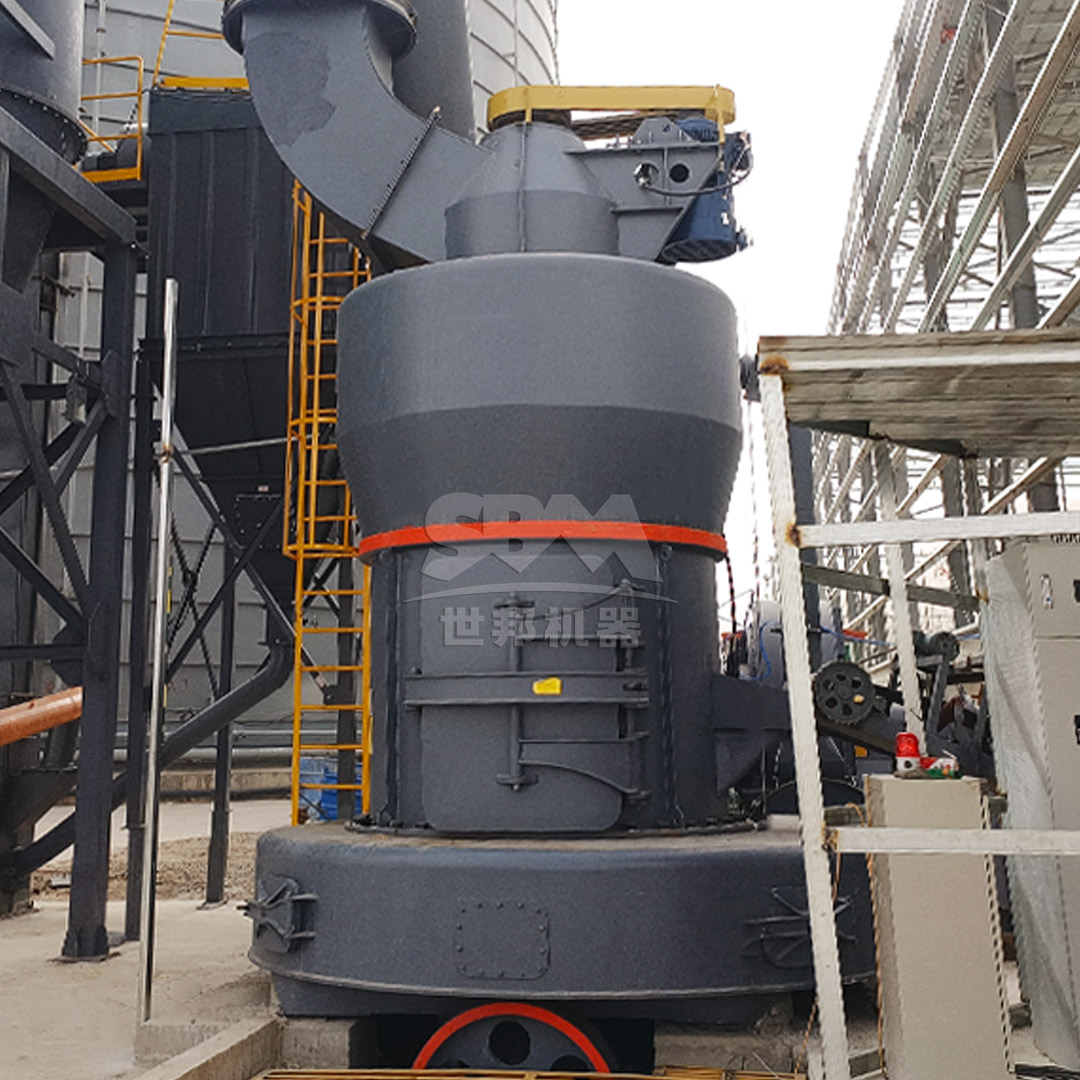
Available in multiple configurations from MTW110 to MRN218, with capacities ranging from 3 to 45 tons per hour, the MTW Series can be tailored to specific production requirements. The mill’s advanced dust collection system ensures compliance with environmental standards, while the automated control system minimizes operator intervention and maintains consistent product quality.
Comparative Analysis of Grinding Technologies
Ultrafine vs. Conventional Grinding
The choice between ultrafine grinding systems like the SCM series and conventional mills like the MTW series depends primarily on the target particle size distribution and the specific application requirements. Ultrafine grinding typically involves higher energy consumption per unit mass but produces higher-value products suitable for premium applications. Conventional grinding offers higher throughput at coarser sizes, making it more suitable for applications where extreme fineness is not required.
Energy Efficiency Considerations
Modern grinding equipment incorporates several features to optimize energy efficiency. The SCM Ultrafine Mill’s vertical turbine classification system and optimized grinding chamber design significantly reduce energy consumption compared to traditional grinding systems. Similarly, the MTW Series’ curved air channel and efficient transmission system contribute to lower operating costs. When selecting equipment for rutile processing, the total cost of ownership, including energy consumption, maintenance, and wear part replacement, should be carefully evaluated.
Applications of Rutile Powder
Pigments and Coatings
Rutile titanium dioxide is the most widely used white pigment globally, valued for its exceptional brightness, high refractive index, and UV resistance. In this application, the particle size and size distribution are critical parameters that determine the scattering efficiency and opacity of the pigment. The ability of equipment like the SCM Ultrafine Mill to produce precisely controlled particle sizes in the optimal range for pigment applications makes it invaluable for titanium dioxide producers.
Welding Electrodes
Rutile is a key component in flux coatings for welding electrodes, where it helps stabilize the arc, improves slag detachment, and enhances weld appearance. For this application, particle size control in the 45-150μm range is typically required, making equipment like the MTW Series Trapezium Mill well-suited for production. The consistent particle size distribution ensures uniform coating composition and predictable welding performance.
Ceramics and Refractories
In ceramic applications, rutile is used as a colorant, producing yellow to brown shades depending on concentration and firing conditions. The material’s high melting point and chemical stability also make it valuable in refractory applications. Grinding equipment must produce powders with consistent particle size to ensure uniform coloration and predictable thermal performance in finished ceramic products.
Electronic and Specialty Applications
High-purity rutile finds applications in electronics, particularly as a dielectric material in capacitors and other components. For these applications, ultra-fine powders with tight particle size distributions are essential, requiring advanced grinding technology like that found in the SCM Ultrafine Mill. The ability to produce contamination-free powders with precise size control is critical for meeting the stringent requirements of electronic applications.
Operational Best Practices for Rutile Grinding
Feed Preparation and Handling
Proper preparation of rutile feed material is essential for optimal grinding performance. The feed size should be controlled within the equipment specifications, typically below 20mm for ultrafine mills and below 50mm for trapezium mills. Moisture content should be monitored and controlled, as excessive moisture can reduce grinding efficiency and potentially cause operational issues.
Wear Management and Maintenance
Given the abrasive nature of rutile, wear management is a critical aspect of grinding operations. Equipment selection should prioritize systems with wear-resistant components and designs that facilitate maintenance. The SCM Ultrafine Mill’s special material grinding rollers and rings, for example, offer extended service life compared to conventional materials, reducing downtime and maintenance costs.
Quality Control and Process Optimization
Implementing robust quality control procedures is essential for producing rutile powder that meets specification requirements. Regular monitoring of particle size distribution, chemical composition, and physical properties ensures consistent product quality. Modern grinding equipment with integrated control systems, such as the intelligent control featured in the SCM series, facilitates process optimization and quality consistency.
Future Trends in Rutile Processing
Nano-Particle Production
The growing demand for nano-sized rutile particles for advanced applications is driving the development of increasingly sophisticated grinding technology. Equipment capable of producing particles in the nanometer range while maintaining narrow size distributions and high throughput will become increasingly important. The evolution of systems like the SCM Ultrafine Mill continues to address these emerging requirements.
Sustainable Processing
Sustainability considerations are increasingly influencing equipment selection and processing methodologies. Energy-efficient grinding systems, reduced water consumption, and minimized environmental impact are becoming key decision factors. Modern equipment designs incorporate features that address these concerns, such as the SCM series’ 30% energy reduction compared to conventional systems and advanced dust collection technology that exceeds international standards.
Conclusion
The selection of appropriate grinding equipment is critical for successful rutile powder production. The specific requirements of the intended application, including particle size distribution, production capacity, and product purity, should guide equipment selection. For ultra-fine applications requiring precise particle size control, the SCM Ultrafine Mill offers superior performance with its advanced classification system and energy-efficient design. For general applications requiring powders in the 30-325 mesh range, the MTW Series Trapezium Mill provides an excellent balance of performance, reliability, and operating efficiency.
As demand for high-quality rutile powder continues to grow across diverse industries, the importance of selecting the right processing equipment cannot be overstated. By understanding the capabilities of modern grinding technology and matching them to specific application requirements, producers can optimize their operations, enhance product quality, and maintain competitiveness in the global market.