What Can Tile Waste Be Used For? Innovative Recycling Ideas
Introduction: The Growing Challenge of Tile Waste
The global construction industry generates millions of tons of tile waste annually, creating significant environmental challenges and landfill burdens. Ceramic and porcelain tiles, while durable and long-lasting, eventually become construction and demolition waste that traditionally ends up in landfills. However, recent technological advancements and innovative thinking have transformed this waste stream into valuable resources across multiple industries.
Tile waste primarily consists of broken or discarded ceramic, porcelain, and natural stone tiles from manufacturing processes, construction sites, and renovation projects. The composition of these materials makes them ideal for recycling and repurposing, provided they are properly processed and refined.
Primary Applications for Recycled Tile Waste
Construction and Building Materials
One of the most significant applications for recycled tile waste is in the production of new construction materials. When properly processed, tile waste can replace natural aggregates in concrete production, reducing the environmental impact of quarrying while maintaining structural integrity. The high durability and low water absorption characteristics of tile particles make them excellent aggregates for non-structural concrete applications.
Additionally, crushed tile waste serves as an effective raw material for manufacturing new tiles. Manufacturers can incorporate up to 30% recycled content without compromising quality, creating a circular economy within the tile industry. The unique aesthetic properties of recycled tiles also appeal to environmentally conscious consumers seeking sustainable building materials.
Road Construction and Infrastructure
Processed tile waste demonstrates excellent performance as aggregate in road base and sub-base layers. The angular shape and hardness of crushed tiles provide superior mechanical interlock and bearing capacity compared to conventional aggregates. Municipalities and construction companies are increasingly specifying recycled tile aggregates for pedestrian pathways, bicycle lanes, and secondary roads.
Research has shown that properly graded tile aggregates can enhance drainage properties while maintaining structural stability. This application not only diverts waste from landfills but also reduces the carbon footprint associated with transporting virgin aggregates over long distances.
Advanced Processing Technologies for Tile Waste
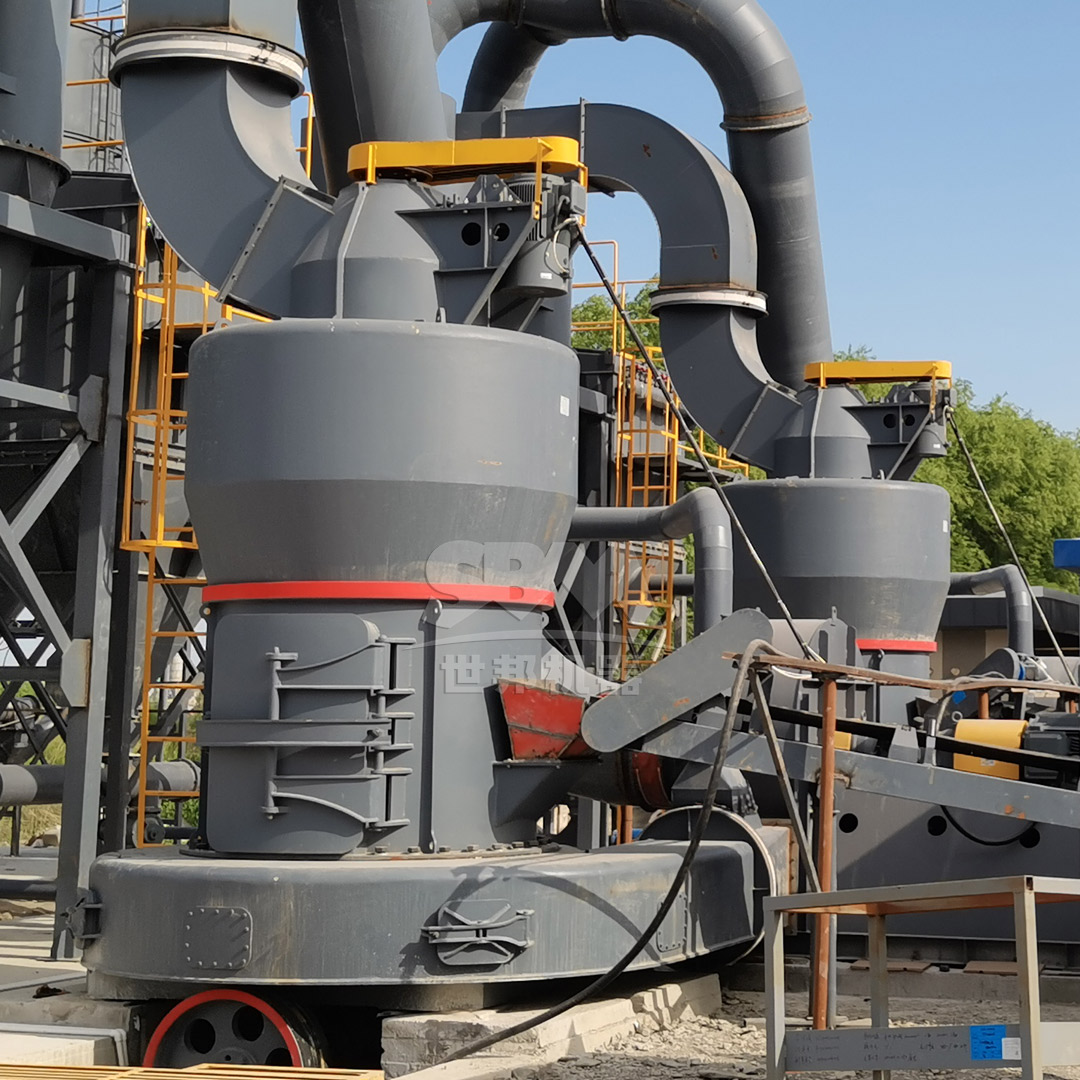
The transformation of tile waste into valuable products requires sophisticated processing equipment capable of handling the hard, abrasive nature of ceramic materials. Modern grinding and milling technologies have revolutionized the efficiency and quality of tile waste processing.
Initial Size Reduction
Before fine grinding, tile waste undergoes primary crushing to reduce large pieces to manageable sizes. Jaw crushers and impact crushers typically handle this stage, producing material with particle sizes below 50mm. This initial reduction is crucial for optimizing downstream processing efficiency and protecting finer grinding equipment from damage.
Fine Grinding Solutions
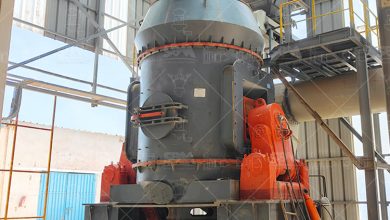
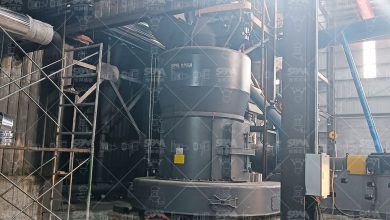
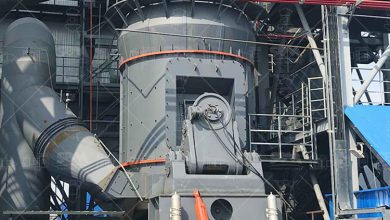
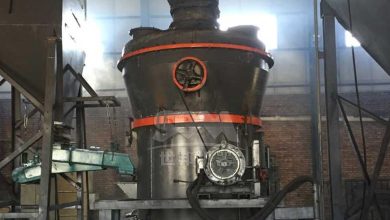
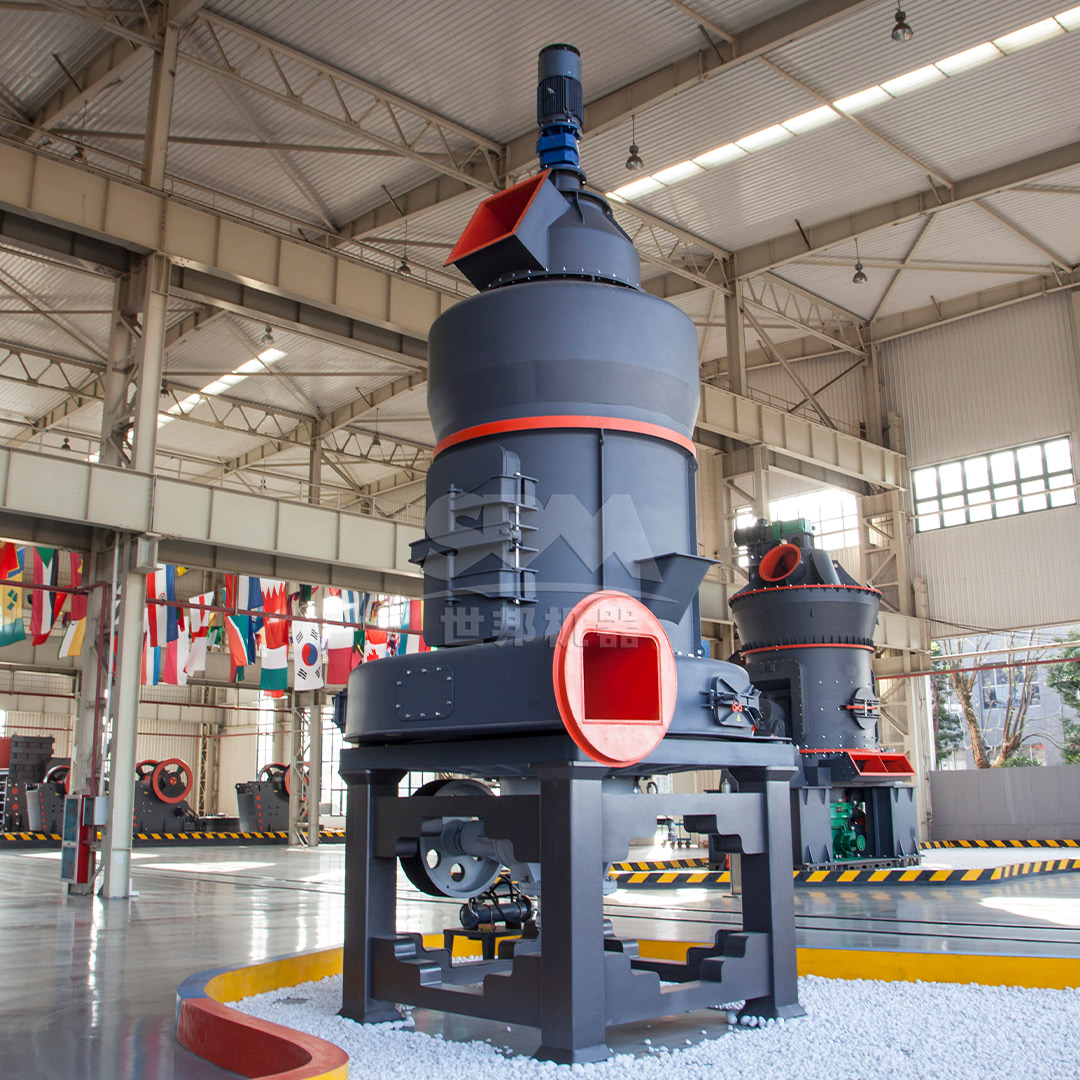
For applications requiring ultra-fine powders, advanced milling equipment is essential. Our SCM Ultrafine Mill series represents the cutting edge in tile waste processing technology. With output fineness ranging from 325 to 2500 mesh (D97≤5μm) and processing capacities from 0.5 to 25 tons per hour, these mills can transform tile waste into high-value powders suitable for numerous industrial applications.
The SCM series features several technological advantages specifically beneficial for processing hard ceramic materials:
- High-efficiency grinding system with special wear-resistant materials that withstand the abrasive nature of tile ceramics
- Precision classification technology ensuring consistent particle size distribution for superior product quality
- Energy-efficient operation consuming 30% less power compared to conventional grinding systems
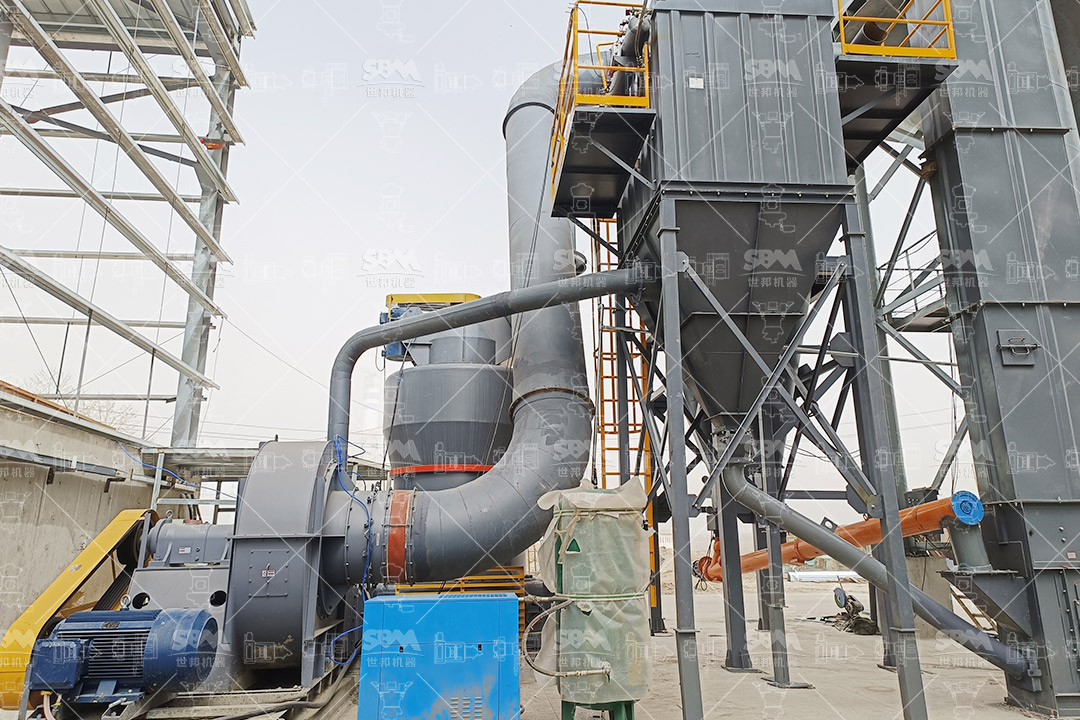
- Environmental compliance with integrated pulse dust collection maintaining workplace safety and emissions standards
For operations requiring medium-fine powders, our MTW Series Trapezium Mill offers an excellent balance of performance and economy. With output fineness from 30 to 325 mesh and capacities reaching 45 tons per hour, this equipment efficiently processes tile waste for construction aggregate applications. The MTW series features innovative wear-resistant designs that significantly reduce maintenance costs when processing abrasive ceramic materials.
Specialized Applications of Processed Tile Powder
Agricultural and Horticultural Uses
Finely ground tile powder serves as an effective soil amendment, particularly in clay-rich soils where improved drainage is needed. The inert nature of ceramic materials makes them ideal for creating stable growing media without introducing chemical contaminants. Horticultural applications include use in potting mixes, turf management, and as a component in green roof systems.
Research has demonstrated that specific particle size distributions of tile powder can enhance soil aeration while maintaining moisture retention capabilities. The optimal fineness for these applications typically falls between 100 and 400 mesh, easily achievable with modern milling equipment.
Industrial Fillers and Additives
Ultra-fine tile powders (typically below 10μm) function as high-performance fillers in plastics, paints, and coatings. The whiteness, chemical inertness, and thermal stability of porcelain tile waste make it particularly valuable in these applications. When surface-treated, these powders can improve mechanical properties while reducing material costs.
In the rubber industry, ceramic powders from tile waste enhance abrasion resistance in products such as industrial tires and conveyor belts. The controlled particle size distribution achievable with advanced milling technology ensures optimal reinforcement without compromising processability.
Economic and Environmental Benefits
Cost Savings and Revenue Generation
Implementing tile waste recycling programs generates significant economic benefits through multiple channels. Landfill diversion reduces disposal costs, while processed materials create new revenue streams. The value of recycled tile products increases with processing level – from basic aggregates commanding modest prices to specialty powders with premium market value.
Businesses investing in tile waste processing typically achieve return on investment within 2-3 years, with ongoing operational savings and revenue generation. Government incentives and green building certifications further enhance the financial viability of tile recycling initiatives.
Environmental Impact Reduction
The environmental advantages of tile waste recycling extend beyond landfill diversion. Using recycled tile aggregates reduces quarrying activities, preserving natural landscapes and reducing habitat destruction. The embodied energy in ceramic tiles represents significant resource investment, which recycling helps to maximize.
Life cycle assessments demonstrate that products containing recycled tile content typically have 20-40% lower carbon footprints compared to virgin alternatives. This environmental benefit aligns with global sustainability goals and corporate social responsibility initiatives.
Implementation Considerations
Collection and Sorting Infrastructure
Successful tile waste recycling begins with efficient collection and sorting systems. Source separation at construction and demolition sites significantly improves material quality and processing efficiency. Developing partnerships with waste generators, transporters, and processors creates a stable supply chain for recycled tile materials.
Advanced sorting technologies, including optical scanners and air classifiers, can separate tile fragments from mixed construction debris, enhancing purity and marketability of the final products.
Quality Control and Standards
Consistent product quality is essential for market acceptance of recycled tile materials. Implementing rigorous quality control protocols ensures that processed materials meet industry specifications. Particle size distribution, chemical composition, and physical properties should be regularly monitored to maintain product consistency.
Industry standards and certifications help build confidence among specifiers and end-users. Third-party verification of product performance and environmental claims further strengthens market position.
Future Outlook and Innovation
The tile waste recycling industry continues to evolve with technological advancements and market development. Emerging applications include use in 3D printing materials, advanced composites, and smart construction systems. Research into chemical modification of tile powders may unlock additional high-value applications in coming years.
As circular economy principles gain traction globally, the demand for recycled tile products is expected to grow significantly. Companies investing in advanced processing technologies today position themselves for long-term success in this expanding market.
Conclusion
Tile waste represents not an environmental problem but a valuable resource opportunity. Through innovative processing technologies and creative applications, what was once considered waste can be transformed into high-value products across multiple industries. The economic and environmental benefits of tile waste recycling make it an essential component of sustainable materials management strategies.
Advanced processing equipment, such as our SCM Ultrafine Mill and MTW Trapezium Mill series, enables efficient transformation of tile waste into marketable products. As technology continues to advance and markets for recycled materials expand, the potential applications for tile waste will only increase, creating new opportunities for businesses committed to sustainability and innovation.