What Can Shell Powder Be Used For? Which Large Machine is Used for Shell Grinding in Paint Industry?
Introduction: The Rise of Shell Powder as a Functional Filler
In the relentless pursuit of sustainable, high-performance, and cost-effective materials, the industrial world is increasingly turning to nature for inspiration and raw materials. Among these, shell powder—derived from the calcination and grinding of marine mollusk shells such as oysters, clams, and mussels—has emerged as a remarkably versatile functional filler. Its unique composition, primarily calcium carbonate (CaCO3) with trace minerals and a distinctive microstructure, imparts a range of beneficial properties that are highly sought after in numerous industries, most notably in paints and coatings. This article delves into the multifaceted applications of shell powder and explores the critical industrial machinery required to process it to the exacting standards of modern manufacturing, with a special focus on the paint industry.
1. Multifaceted Applications of Shell Powder
The utility of shell powder extends far beyond a simple inert filler. Its applications are a testament to its functional benefits.
1.1 Paints and Coatings Industry
This is arguably the most significant application area for finely ground shell powder. Its role is transformative:
- Reinforcement and Durability: The plate-like structure of shell powder particles enhances the mechanical strength, scratch resistance, and abrasion resistance of paint films.
- Improved Opacity and Whiteness: As a bright white pigment extender, it improves hiding power (opacity), reducing the need for more expensive primary pigments like titanium dioxide.
- Rheology Control: It acts as a rheological modifier, improving the suspension of other particles, reducing settling, and enhancing brushability and application properties.
- Corrosion Resistance: In anti-corrosive primers, especially for marine environments, its alkaline nature can help passivate metal substrates.
- Eco-Friendly Profile: Being a natural, biodegradable, and often waste-derived material, it aligns perfectly with the growing demand for sustainable and low-VOC (Volatile Organic Compound) coatings.
1.2 Plastics and Polymers
Shell powder serves as an excellent filler in plastics (PVC, PP, PE) to:
- Increase stiffness and heat deflection temperature.
- Improve surface finish and printability.
>Reduce raw material costs.
1.3 Construction Materials
It is used in:
- Putties and Sealants: For body, texture, and smooth application.
- Artificial Marble and Terrazzo: Providing aesthetic veining and structural filler.
- Asphalt and Road Surfaces: As a mineral filler to improve stability.
1.4 Agriculture and Animal Feed
As a natural source of calcium, it is used as a soil conditioner to neutralize acidity and as a calcium supplement in poultry and livestock feed.
1.5 Cosmetics and Personal Care
Finely ground, ultra-pure shell powder finds use as a gentle exfoliant, texture modifier, and opacifying agent in products like toothpaste, facial scrubs, and creams.
2. The Critical Process: Shell Grinding for the Paint Industry
The performance of shell powder in any application, especially in high-quality paints, is intrinsically linked to its particle size distribution (PSD), fineness, and purity. The paint industry demands powder with very fine and tightly controlled particle sizes—typically ranging from 325 mesh (45μm) for some primers to ultra-fine grades of 1250 mesh (10μm) or even finer for topcoats and specialty finishes. Achieving this requires sophisticated, large-scale grinding equipment capable of handling abrasive materials like calcium carbonate efficiently and consistently.
2.1 Key Machine Requirements for Shell Grinding
An ideal shell grinding system must possess:
- High-Precision Classification: Ability to produce a narrow, consistent particle size distribution without coarse tails.
- Wear Resistance: Shells are abrasive. Critical grinding components must be made from special, hardened materials to ensure long service life and consistent product quality.
- Energy Efficiency: Grinding to micron and sub-micron levels is energy-intensive. Modern mills must optimize energy consumption per ton of output.
- Environmental Control: Fully enclosed systems with efficient pulse-jet dust collectors are mandatory to ensure a clean working environment and product recovery.
- Automation and Stability: Intelligent control systems for stable operation, automatic fineness feedback, and reduced manual intervention.
3. The Industrial Workhorse: Ultrafine Grinding Mills
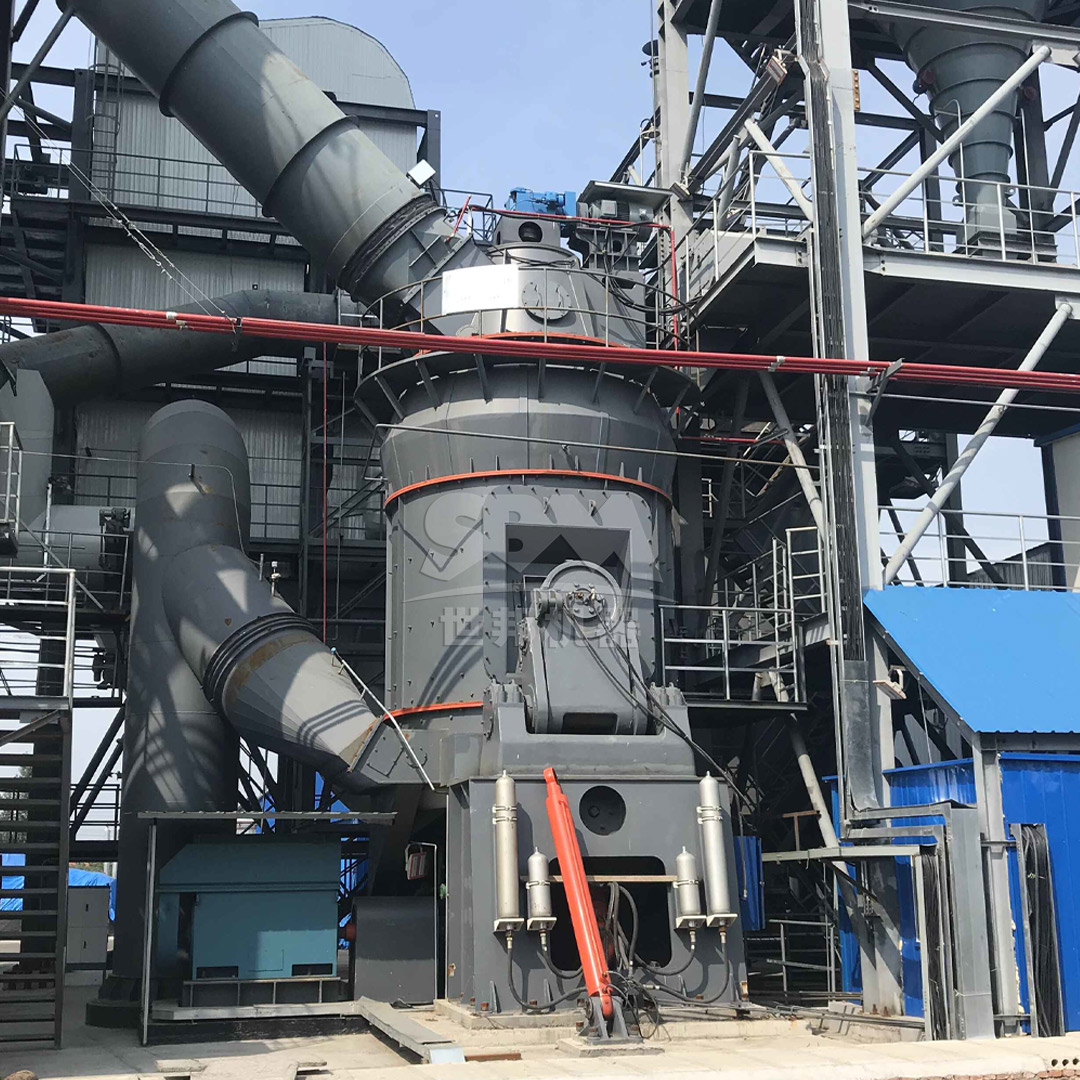
Several types of large grinding machines can process shell powder. However, for the high-value, fine-grade powder required by the paint industry, Ultrafine Mills and Vertical Roller Mills are the technologies of choice.
3.1 The SCM Series Ultrafine Mill: Engineered for Excellence
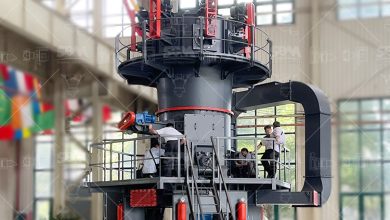
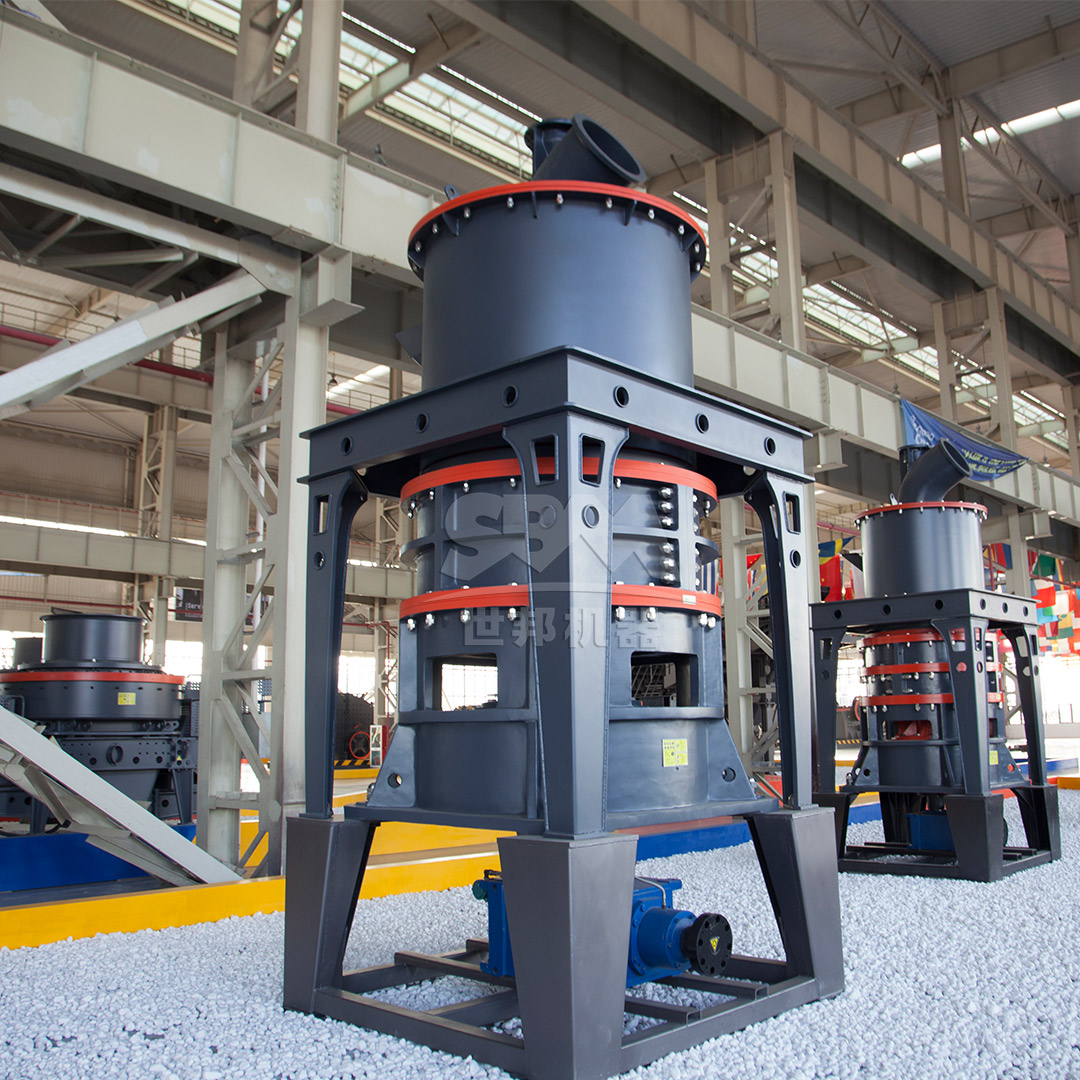
For producers targeting the premium segment of the paint industry, where fineness requirements often exceed 800 mesh, the SCM Series Ultrafine Mill represents a pinnacle of grinding technology. This mill is specifically designed to produce powders in the range of 45 to 5 microns (325 to 2500 mesh), making it perfectly suited for high-gloss paints, automotive coatings, and industrial finishes where superior dispersion and film smoothness are paramount.
Why the SCM Mill is Ideal for Premium Shell Powder:
- Unmatched Fineness & Precision: Its vertical turbine classifier provides extremely precise particle size切割, ensuring no coarse powder mixes into the final product. This results in a uniform, high-quality powder that delivers consistent performance in paint formulations.
- Superior Wear Resistance: The grinding rollers and rings are made from special wear-resistant materials, extending service life several times over when processing abrasive shells. The shaftless screw design in the grinding chamber further enhances operational stability and reduces maintenance.
- Efficiency Leader: With a capacity reported to be twice that of traditional jet mills and energy consumption 30% lower, it offers significant operational cost savings. Its intelligent control system with automatic granularity feedback ensures optimal performance at all times.
- Eco-Friendly Operation: The integrated pulse dust collection system exceeds international emission standards, while the soundproof room design keeps noise levels well within industrial requirements.
For a paint manufacturer or a specialized filler producer looking to supply 1250 mesh or finer shell powder, models like the SCM1000 (1.0-8.5t/h) or SCM1250 (2.5-14t/h) provide the perfect balance of output, fineness control, and operational economy.
3.2 The MTW Series European Trapezium Mill: The High-Capacity Solution
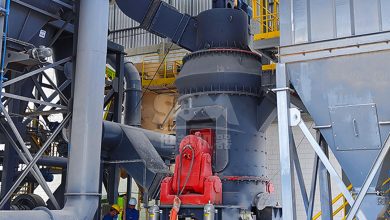
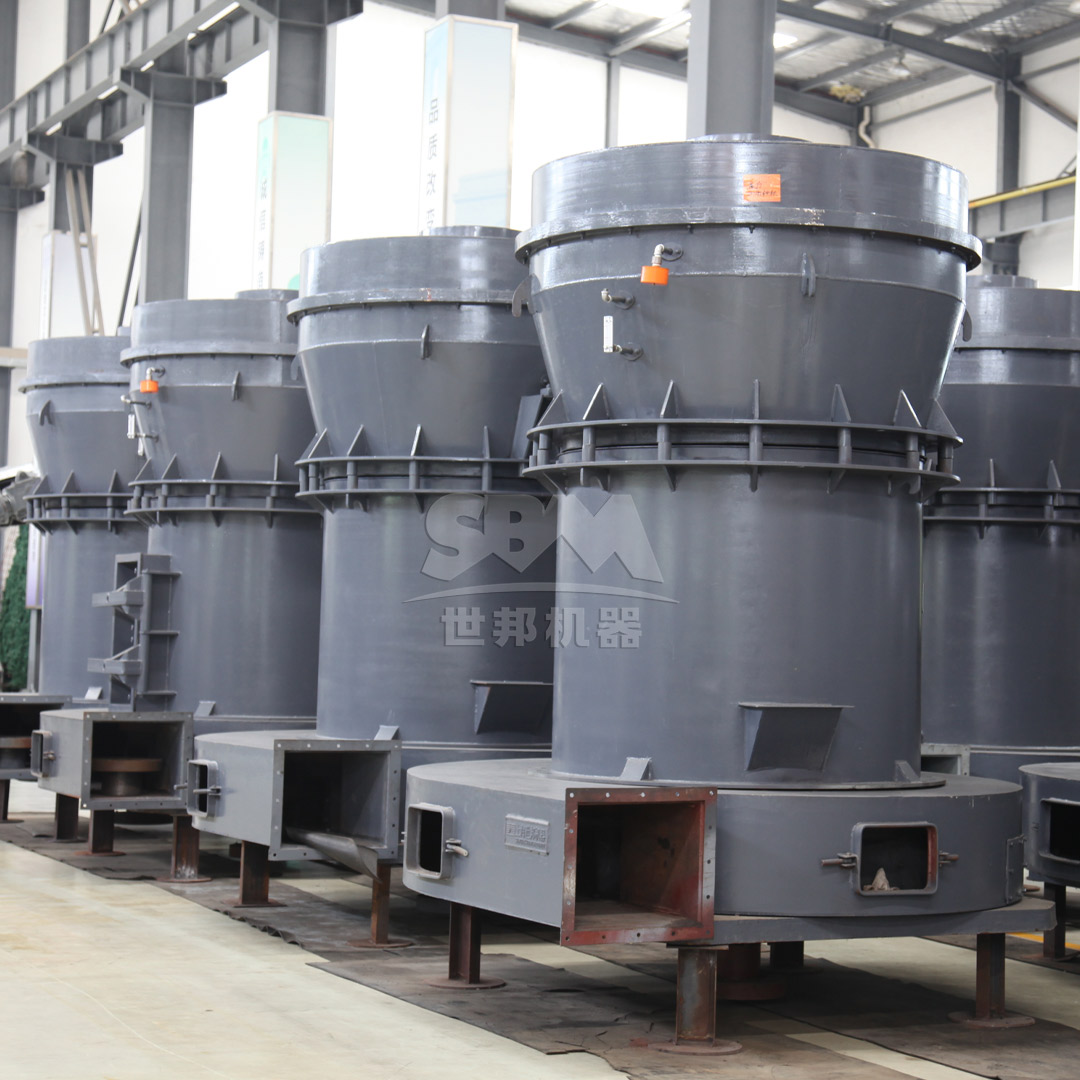
For large-scale production of shell powder in the coarser to medium-fine range (30-325 mesh, or 600-45μm)—ideal for primers, textured paints, putties, and construction materials—the MTW Series European Trapezium Mill stands out as a robust and efficient solution.
Key Advantages for Bulk Shell Processing:
- High Capacity and Reliability: With capacities ranging from 3 to 45 tons per hour, it is built for continuous, high-volume production. Its anti-wear shovel design and curved grinding rollers are engineered to handle hard, abrasive materials like shells with minimal downtime.
- Advanced Drive System: The integral bevel gear drive boasts a 98% transmission efficiency, saving energy and reducing maintenance costs compared to traditional gearbox systems.
- Optimized Airflow and Classification: The patented arc air duct and wear-resistant volute structure minimize energy loss and improve the efficiency of the air classification system, ensuring a consistent product.
Models such as the MTW175G (9.5-25t/h) or the MTW215G (15-45t/h) are exemplary choices for establishing a major shell powder processing line serving the broader coatings and building products markets.
4. Conclusion: Partnering Performance with the Right Technology
Shell powder has cemented its role as a valuable, multi-functional additive across industries, with its impact in the paint sector being particularly profound. However, unlocking its full potential is contingent upon transforming raw shell into a precisely engineered powder. This transformation is not possible without advanced, industrial-scale grinding machinery.
The choice between an ultrafine mill like the SCM Series for premium, super-fine applications and a high-capacity trapezium mill like the MTW Series for broader-range, bulk production depends on the target market and product specifications. Both represent the cutting edge in grinding technology, offering the wear resistance, classification precision, energy efficiency, and environmental controls necessary to produce shell powder that meets the stringent demands of today’s paint formulators and end-users. Investing in the right grinding technology is, therefore, not merely an operational decision but a strategic one that defines product quality, market competitiveness, and sustainability credentials.