What Are the Uses of Silicon Micro Powder?
Introduction: The Ubiquitous Power of Silicon Micro Powder
Silicon micro powder, also known as silica fume or microsilica, is a byproduct of producing silicon metal or ferrosilicon alloys in electric arc furnaces. This ultra-fine, amorphous powder, composed primarily of silicon dioxide (SiO2), possesses unique physical and chemical properties that have propelled it from an industrial waste material to a highly sought-after additive across numerous high-tech and traditional industries. Its particle size typically ranges from sub-micron to a few microns, giving it an extremely high surface area. The transformation of raw quartz into this functional material requires sophisticated grinding and classification technology to achieve the precise particle size distribution and purity demanded by end-use applications.
Key Properties and Production
The exceptional value of silicon micro powder stems from its defining characteristics: ultra-fineness, high amorphous silica content (often >90%), and pozzolanic activity. These properties are not inherent in raw silica but are unlocked through precise processing. The production involves crushing, grinding, and, most critically, ultra-fine milling and classification to separate particles into specific size ranges. The choice of grinding equipment directly impacts the powder’s final characteristics, such as its particle shape, size distribution, and surface energy, which in turn dictate its performance in various applications.
Major Industrial Applications of Silicon Micro Powder
1. High-Performance Concrete and Construction
This is the largest volume application for silicon micro powder. When added to concrete mixes, it acts as a highly reactive pozzolan. The ultra-fine particles fill the microscopic voids between cement grains, dramatically reducing permeability and increasing density. This results in concrete with significantly enhanced compressive and flexural strength, improved abrasion and corrosion resistance, and superior durability against chemical attack from chlorides and sulfates. It is indispensable in critical infrastructure like bridges, marine structures, high-rise buildings, and nuclear containment vessels.
2. Refractories and Ceramics
In refractory materials, silicon micro powder serves as an excellent bonding agent and performance enhancer. It promotes low-temperature sintering, increases high-temperature strength, and improves thermal shock resistance. Its fine particles help create a denser microstructure in castables and plastics, reducing porosity and enhancing corrosion resistance against molten metals and slags. In advanced ceramics, it is used as a sintering aid and to improve the mechanical properties of silicon carbide and silicon nitride composites.
3. Electronics and Semiconductor Industry
High-purity silicon micro powder is a fundamental material in the electronics sector. It is used in the production of silicon wafers, the base substrate for most integrated circuits. Furthermore, it is a key component in epoxy molding compounds (EMCs) used to encapsulate semiconductor chips, where it acts as a filler to control the coefficient of thermal expansion (CTE), improve thermal conductivity, and enhance mechanical strength. The purity and consistent particle size are paramount here.
4. Polymers and Composites
As a functional filler in plastics, rubbers, and coatings, silicon micro powder improves a wide range of properties. It enhances tensile strength, modulus, and tear resistance. It increases thermal stability and flame retardancy. In adhesives and sealants, it controls viscosity, prevents sagging, and improves bonding strength. Its chemically inert nature makes it suitable for a broad spectrum of polymer matrices.
5. Other Specialized Applications
- Chemical Production: As a precursor for the manufacture of silanes, silicones, and other silicon-based chemicals.
- Batteries: Research is ongoing into using nano-structured silicon powders as a high-capacity anode material for next-generation lithium-ion batteries.
- Cosmetics: Very fine, high-purity silica is used as a viscosity modifier, anti-caking agent, and gentle abrasive in toothpastes and skin care products.
- Agriculture: As a soil amendment to improve water retention and provide a slow-release source of silicon for plants.
The Critical Role of Precision Grinding Technology
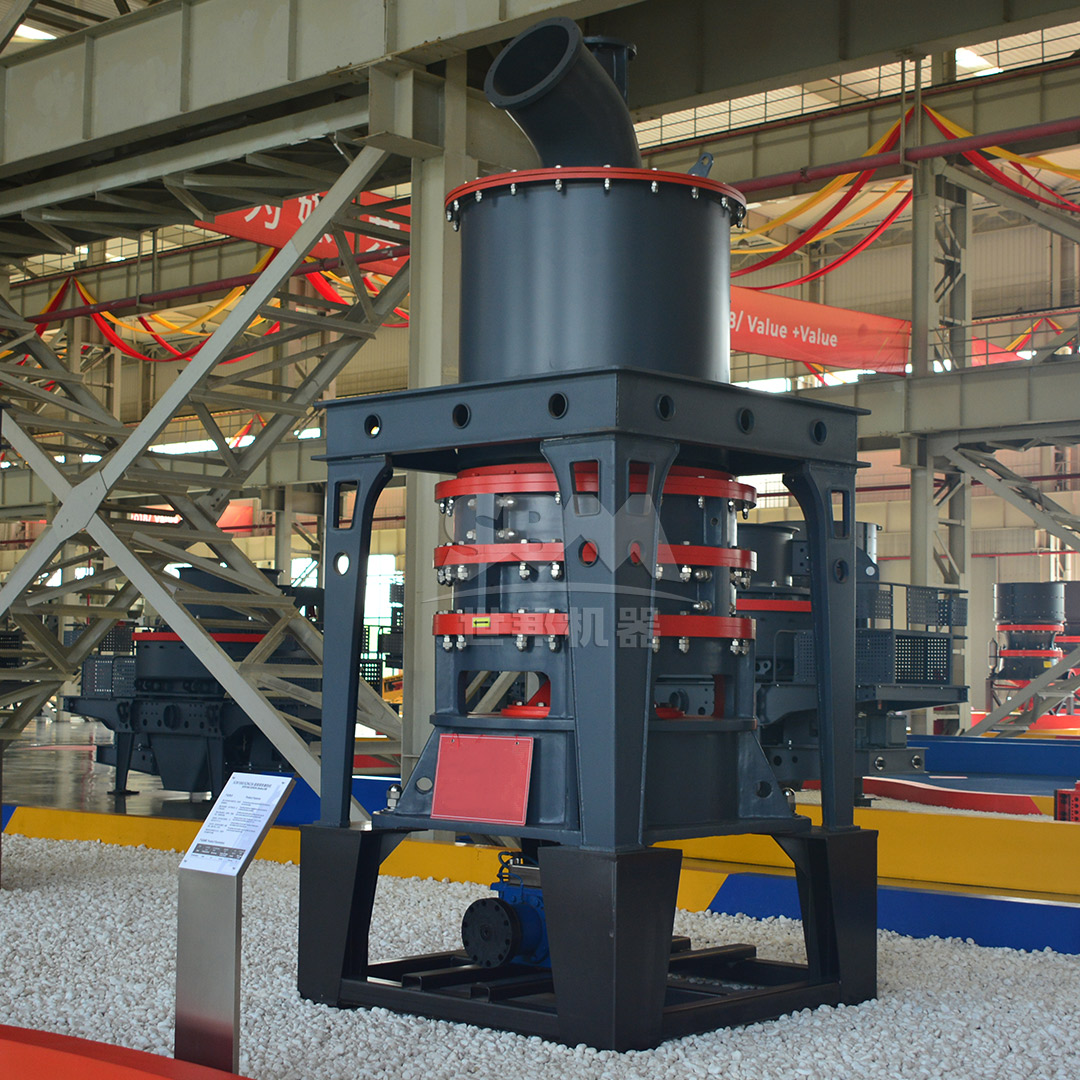
The diverse applications of silicon micro powder demand equally diverse specifications. Producing powder for high-strength concrete (often 400-600 mesh) requires different technology than producing ultra-pure powder for semiconductors or battery anodes (which can reach 2500 mesh or finer). The grinding system must offer not only high fineness but also precise classification to ensure a narrow particle size distribution, energy efficiency for cost-effectiveness, and durability to handle abrasive materials.
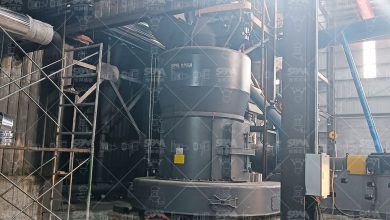
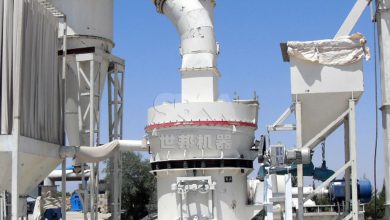
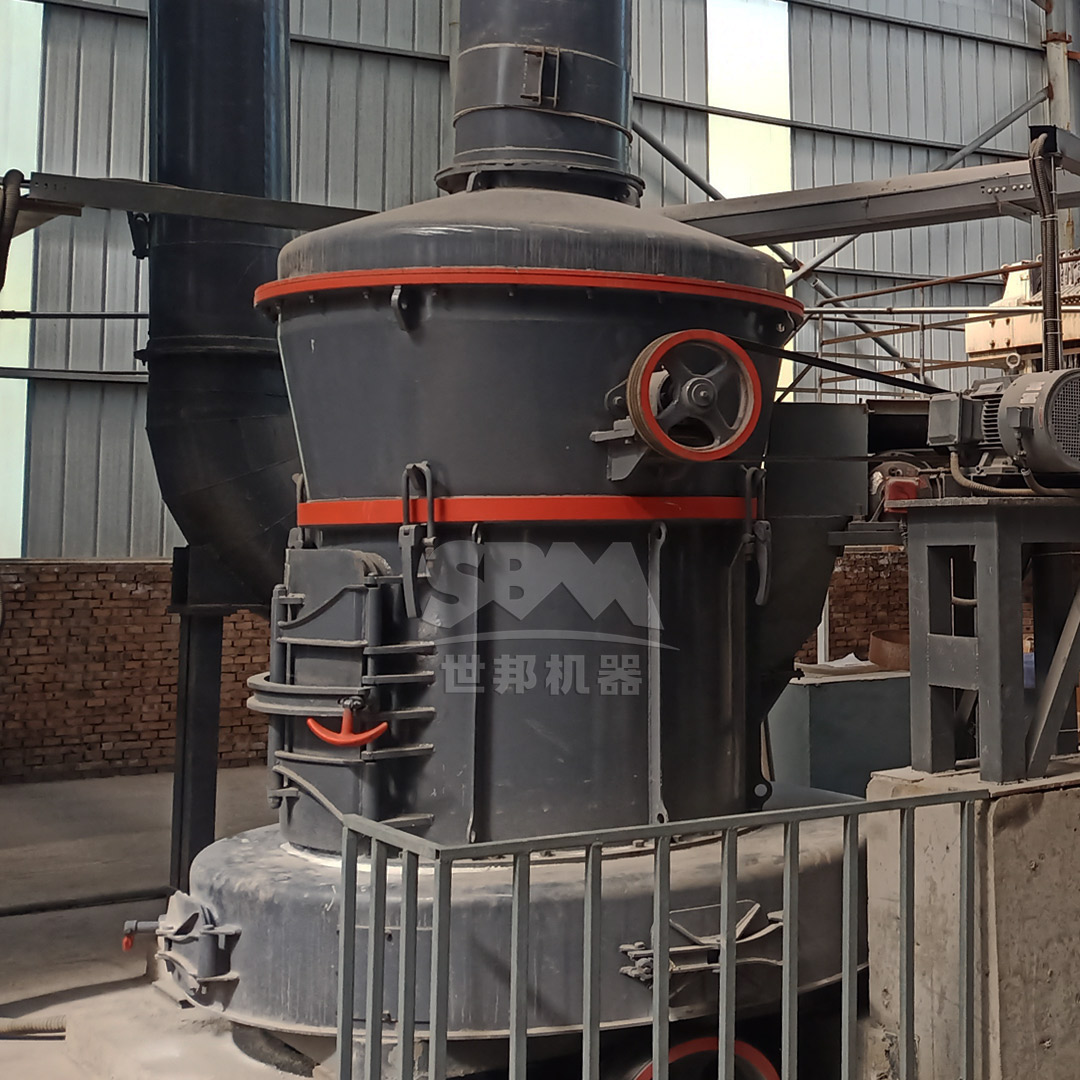
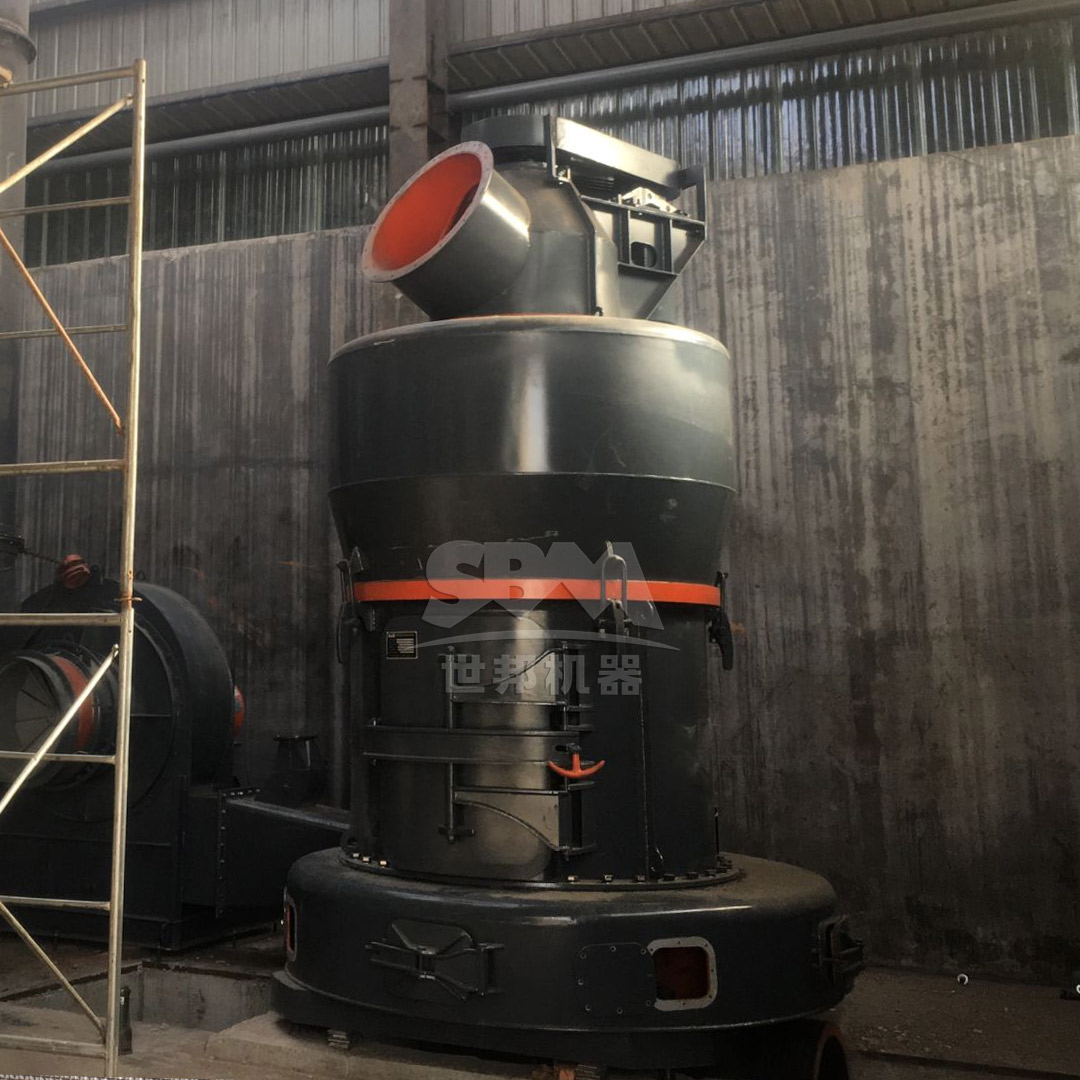
For coarse to medium-fine grinding of raw silica to a feed size for ultra-fine mills, robust and efficient equipment is essential. Our MTW Series European Trapezium Mill is ideally suited for this stage. With an input size of up to 50mm and an output fineness range of 30-325 mesh (600-45μm), it can efficiently pre-process silica. Its advantages, such as the wear-resistant combined shovel design, optimized arc air duct for high transmission efficiency, and the integral bevel gear drive with 98% efficiency, make it a reliable and low-maintenance workhorse for achieving the consistent mid-range powder quality required for feeding downstream ultra-fine processes.
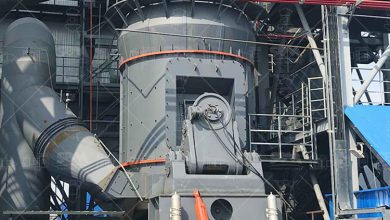
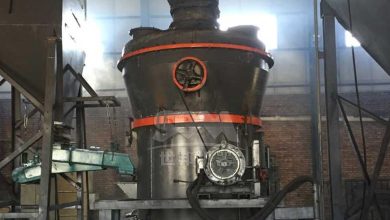
To achieve the truly micro and nano-scale fineness required for the most demanding applications, advanced ultra-fine grinding technology is non-negotiable. This is where our flagship SCM Series Ultrafine Mill excels. Engineered specifically for producing powders in the range of 325 to 2500 mesh (45-5μm), it is the perfect solution for producing high-value silicon micro powder. Its vertical turbine classifier ensures high-precision particle size cutting, eliminating coarse powder mixing for a uniform product. The mill operates with remarkable efficiency, offering capacity twice that of jet mills while consuming 30% less energy. Furthermore, its durable design with special material rollers and rings, coupled with an eco-friendly pulse dust collection system that exceeds international standards, makes it the ideal choice for modern, high-output powder production facilities aiming for the premium market.
Conclusion
Silicon micro powder is a versatile and critical material that enhances performance across a vast spectrum of industries, from the concrete foundations of our cities to the microchips in our devices. Its value is directly tied to its fineness, purity, and consistency. Therefore, investing in the right grinding technology—from reliable pre-grinding solutions like the MTW Series Mill to cutting-edge ultra-fine systems like the SCM Series Ultrafine Mill—is not an operational cost but a strategic decision that defines product quality, operational efficiency, and ultimately, market competitiveness. By partnering with a technology provider that understands the full spectrum of size reduction needs, producers can fully unlock the potential of silicon and capture value in its most advanced forms.