What Are the Uses of Refractory Lithium Spodumene Powder?
Introduction
Refractory lithium spodumene, a primary source of lithium, is a pyroxene mineral with the chemical formula LiAlSi2O6. Its high lithium content (theoretically up to 8.03% Li2O) makes it a cornerstone of the global lithium supply chain. However, the raw ore must undergo a series of processing steps, with fine grinding being one of the most critical, to unlock its value. The production of high-quality, uniformly fine spodumene powder is essential for its subsequent metallurgical extraction and diverse industrial applications. This article explores the key uses of refractory lithium spodumene powder and the advanced milling technology required for its production.
The Critical Role of Fine Grinding in Spodumene Processing
Spodumene is termed “refractory” because its α-phase crystal structure is inert and does not react with common reagents. To extract lithium, the ore must first be converted through high-temperature calcination (around 1100°C) to the more reactive β-phase. The efficiency of this phase transformation and the subsequent acid or alkaline leaching processes is highly dependent on the particle size and specific surface area of the feed material.
Fine grinding serves several vital functions:
- Enhancing Reactivity: Reducing particle size exponentially increases the surface area exposed to heat during calcination and to chemicals during leaching, dramatically improving reaction kinetics and lithium recovery rates.
- Promoting Phase Conversion: A uniform, fine powder ensures more complete and consistent conversion from α-spodumene to β-spodumene during calcination.
- Optimizing Energy Consumption: While grinding itself consumes energy, producing an optimally sized feed can reduce the energy required for downstream calcination and improve overall process economics.
- Purification: Fine grinding can liberate lithium-bearing minerals from gangue materials, facilitating physical beneficiation methods like flotation.
Primary Uses of Refractory Lithium Spodumene Powder
1. Lithium Carbonate and Lithium Hydroxide Production
This is the dominant application, consuming the majority of spodumene concentrate. The fine powder is subjected to the sulfate or lime process.
- Sulfate Process: Calcined β-spodumene powder is mixed with sulfuric acid and roasted. The resulting lithium sulfate is leached and then precipitated as lithium carbonate.
- Lime Process: Involves sintering the fine powder with limestone, followed by water leaching and carbonation to produce lithium carbonate.
These lithium compounds are fundamental precursors for lithium-ion battery electrolytes and cathodes.
2. Direct Use in Ceramics and Glass Industries
Finely ground spodumene powder is valued as a fluxing agent in ceramics and glass manufacturing.
- Ceramics: It lowers the vitrification temperature and thermal expansion coefficient of ceramic bodies, reducing firing time and energy. It also improves mechanical strength and thermal shock resistance in products like sanitaryware, tiles, and high-temperature cookware.
- Glass: Lithium oxide from spodumene acts as a powerful flux, lowering melting temperatures and viscosity, which increases production rates and improves glass quality.
3. Welding Electrode Coatings
Spodumene powder is used in the coating of certain welding rods. It contributes to arc stability, forms a protective slag layer over the weld bead, and can help deoxidize the weld pool, resulting in cleaner, stronger welds.
4. Specialized Refractories and Foundry Sands
Given its own refractory nature, spodumene powder is incorporated into specialized refractory linings and molds for metal casting. Its low thermal expansion helps prevent cracking and improves the dimensional stability of molds and cores under high temperatures.
Technical Requirements for Grinding Spodumene
Grinding spodumene presents specific challenges due to its hardness (6.5-7 on the Mohs scale) and abrasiveness. An ideal milling solution must offer:
- High Efficiency & Low Energy Consumption: To manage the high energy cost of processing hard materials.
- Precise Particle Size Control: Consistent production of powder within a tight target range (typically D97 between 45μm and 150μm for calcination feed, and down to 5μm for specialized applications).
- Wear Resistance: Critical components must withstand highly abrasive materials to ensure low maintenance costs and consistent product quality.
- System Integration & Environmental Compliance: A closed, dust-free system with efficient collection is essential for product recovery and workplace safety.

Recommended Milling Solutions for Spodumene Powder Production
Selecting the right grinding equipment is paramount for profitability in lithium processing. Based on the required fineness and capacity, our company’s advanced mill series offer optimal solutions.
For High-Capacity, Coarse to Medium-Fine Grinding (Feed for Calcination)
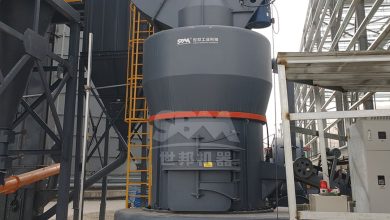
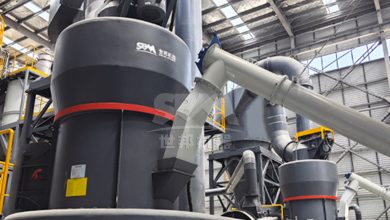
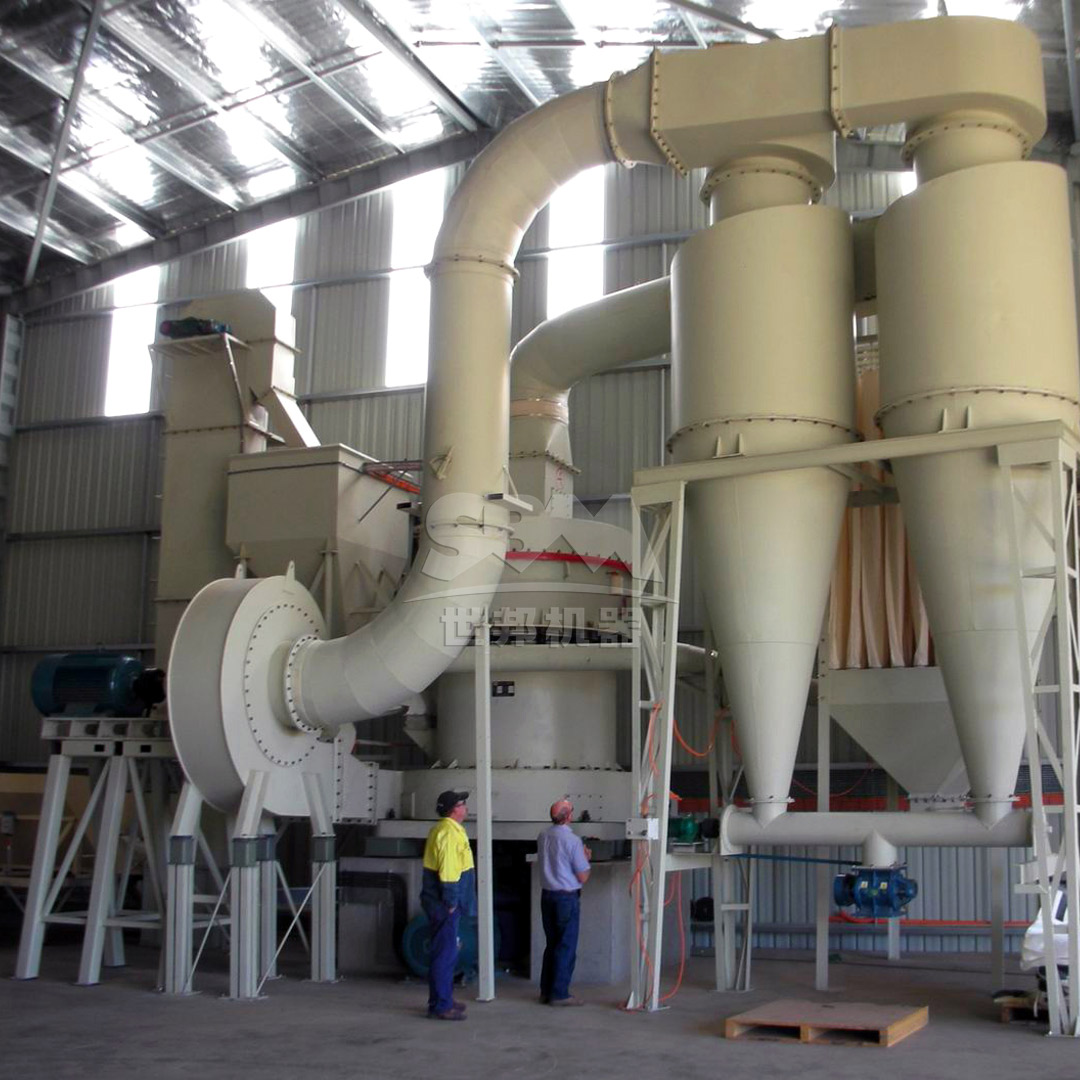
For the initial size reduction of calciner feed to the 30-150 mesh (600-100μm) range at high tonnage rates, the MTW Series European Trapezium Mill is an excellent choice. Its robust design features a curved air duct for lower flow resistance and high transmission efficiency. The innovative bevel gear overall transmission system boasts up to 98% efficiency, saving space and energy. With models like the MTW215G offering capacities up to 45 tons per hour and handling feed sizes up to 50mm, it is perfectly suited for the primary milling stage in a large-scale spodumene concentrator.
For Ultra-Fine and High-Precision Grinding (Advanced Applications)
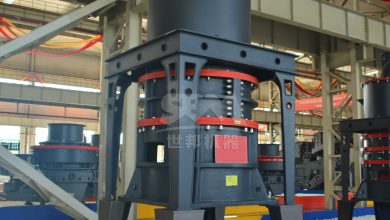
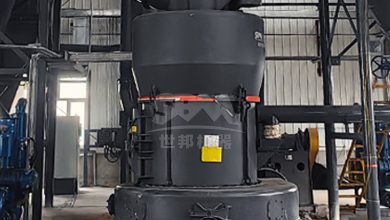
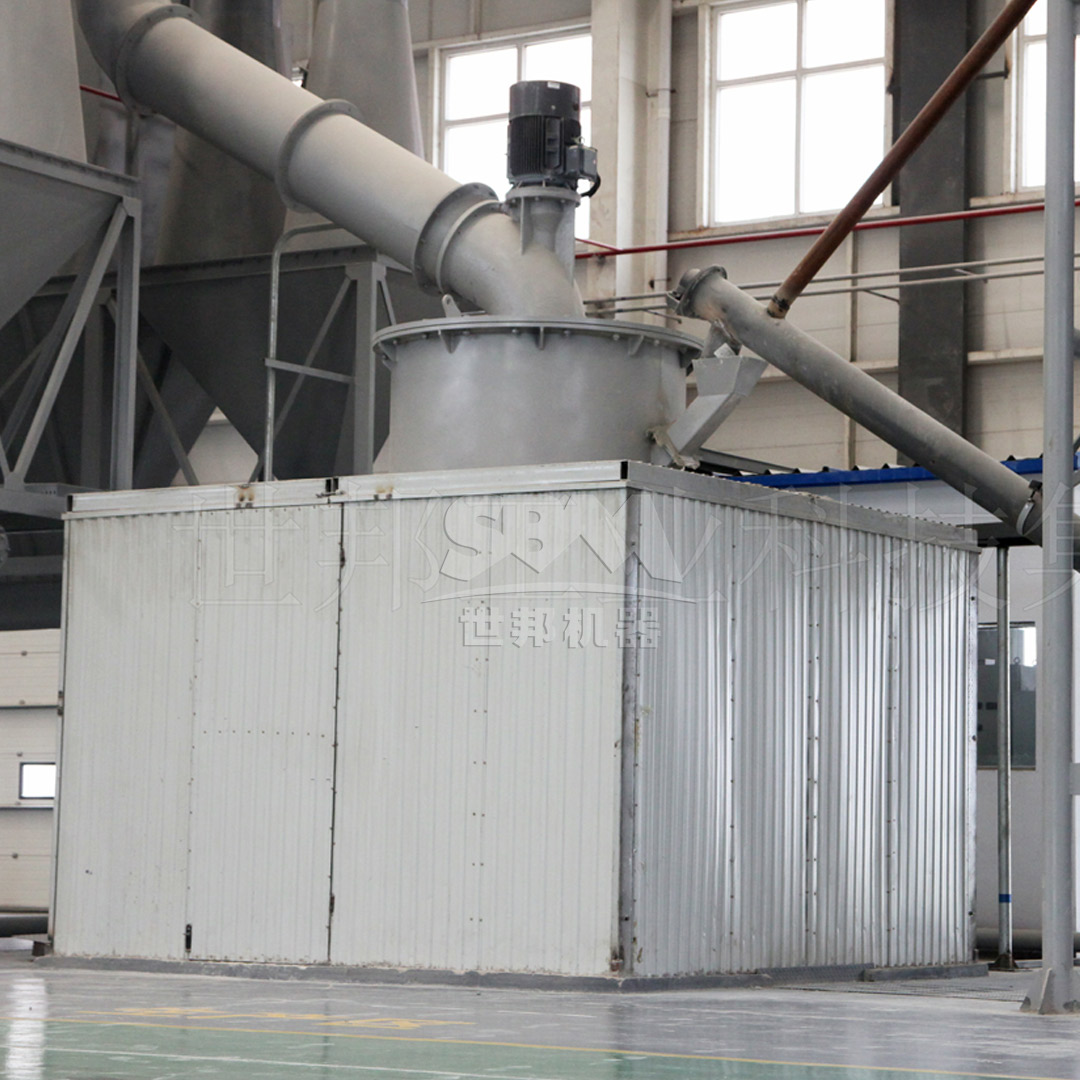
When the application demands ultra-fine spodumene powder in the range of 325-2500 mesh (45-5μm), such as for high-performance ceramics or specialized chemical processes, the SCM Series Ultrafine Mill is the industry-leading technology. Its core advantage lies in the high-precision vertical turbine classifier, which ensures sharp particle size cuts and a uniform product without coarse grain contamination. Engineered for hard, abrasive materials, it features special alloy grinding rollers and rings that last several times longer than conventional parts. Furthermore, its intelligent control system automatically adjusts operational parameters based on real-time feedback of product fineness, guaranteeing consistency. With an energy consumption 30% lower than jet mills and double the capacity, the SCM1680 model, capable of processing 5-25 tons per hour down to D97 ≤ 5μm, represents the pinnacle of efficiency and precision for ultra-fine spodumene production.
Conclusion
The transformation of refractory lithium spodumene ore into a versatile industrial powder is a technologically demanding process that unlocks the mineral’s critical value, primarily for the lithium battery revolution and secondarily for ceramics, glass, and other industries. The efficiency and success of this transformation hinge on the selection of advanced, reliable, and efficient milling equipment. Technologies like the high-capacity MTW Series and the ultra-fine SCM Series provide tailored solutions to meet the specific particle size, capacity, and economic requirements of modern spodumene processing plants, ensuring optimal lithium recovery and high-quality powder for diverse downstream applications.