What are the Uses of Lithium Carbonate Residue and How Does a Grinding Mill Help?
Introduction
Lithium carbonate residue, a byproduct generated during lithium extraction and processing, has long been considered industrial waste. However, with advancing technology and growing environmental awareness, this material is now recognized as a valuable resource with multiple applications across various industries. The transformation of lithium carbonate residue from waste to useful material heavily depends on proper processing, particularly grinding and milling operations that optimize its physical and chemical properties for specific applications.
Understanding Lithium Carbonate Residue
Lithium carbonate residue is generated during the production of lithium compounds from spodumene, brine, or other lithium-bearing minerals. The composition varies depending on the source material and extraction process, but typically contains silica, alumina, calcium compounds, and residual lithium. The physical characteristics of raw residue—including particle size distribution, moisture content, and chemical composition—determine its potential applications and the necessary processing requirements.
The chemical properties of lithium carbonate residue make it suitable for various industrial applications, particularly in construction materials, ceramics, and agriculture. However, to unlock its full potential, the residue must undergo size reduction and classification processes to achieve the required fineness and particle size distribution.
Major Applications of Processed Lithium Carbonate Residue
Construction Industry Applications
Processed lithium carbonate residue serves as an excellent supplementary cementitious material in concrete production. When ground to the appropriate fineness, it exhibits pozzolanic properties that enhance the strength and durability of concrete. The fine particles fill voids between cement grains, resulting in denser concrete with reduced permeability. This application requires consistent particle size distribution in the range of 325-600 mesh (45-20μm), which can be efficiently achieved with modern grinding equipment.
In cement manufacturing, lithium carbonate residue can be used as a raw material component or cement additive. The lithium content, though minimal, can act as a mineralizer during clinker formation, potentially reducing burning temperature and energy consumption. For this application, the material typically needs to be ground to 200-325 mesh (74-45μm).
Ceramic and Glass Manufacturing
The ceramic industry utilizes finely ground lithium carbonate residue as a fluxing agent in tile and sanitaryware production. The material reduces firing temperature and improves the mechanical properties of the final ceramic products. For most ceramic applications, the residue must be processed to ultrafine levels of 800-1250 mesh (18-10μm) to ensure uniform distribution and optimal performance.
In glass manufacturing, lithium carbonate residue serves as a source of flux and can improve the chemical resistance and thermal stability of glass products. The fine grinding ensures complete reaction during the melting process and prevents defects in the final glass products.
Agricultural Applications
When properly processed, lithium carbonate residue can be used as a soil amendment, particularly for acidic soils. The calcium and magnesium compounds present in the residue help neutralize soil acidity, while the trace lithium content may provide benefits for certain crops. For agricultural use, the material is typically ground to 100-200 mesh (149-74μm) to ensure easy application and rapid reaction in the soil.
Other Industrial Applications
Additional applications include use as filler in plastics and rubber products, raw material for lightweight aggregate production, and component in waste water treatment processes. Each application requires specific particle size characteristics that can only be achieved through precise grinding and classification operations.
The Role of Grinding Mills in Lithium Carbonate Residue Processing
Particle Size Reduction Fundamentals
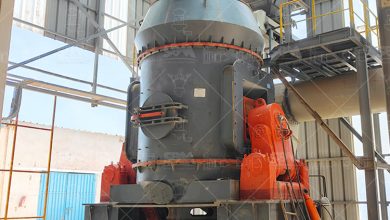
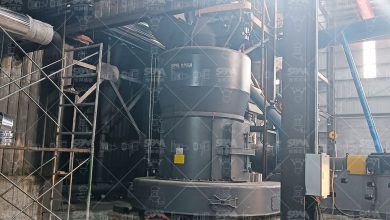
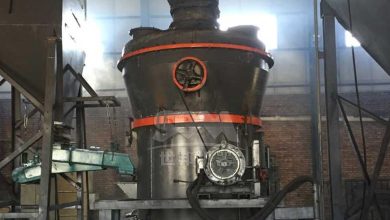
Grinding mills perform the essential function of reducing particle size through mechanical forces including impact, compression, and attrition. For lithium carbonate residue processing, the selection of appropriate grinding technology depends on the initial particle size, required final fineness, production capacity, and energy efficiency considerations.
The grinding process not only reduces particle size but also modifies particle morphology and increases specific surface area, both critical factors determining the material’s reactivity and performance in downstream applications. Proper grinding ensures uniform particle size distribution, which is essential for consistent product quality.
Key Grinding Parameters for Lithium Carbonate Residue
Several parameters must be carefully controlled during the grinding of lithium carbonate residue. The moisture content significantly affects grinding efficiency, with most mills requiring material moisture below 5-10% for optimal performance. The abrasiveness of the residue determines wear rates on grinding elements and influences maintenance requirements.
The target fineness varies by application, ranging from 325 mesh (45μm) for construction applications to 2500 mesh (5μm) for high-value specialty applications. Energy consumption increases exponentially with finer grinding requirements, making equipment selection critical for economic viability.
Recommended Grinding Solutions for Lithium Carbonate Residue
SCM Ultrafine Mill for High-Fineness Applications
For applications requiring ultrafine processing of lithium carbonate residue, our SCM Ultrafine Mill represents the ideal solution. This advanced grinding system offers several distinct advantages for lithium residue processing:
With an output fineness range of 325-2500 mesh (D97≤5μm), the SCM Ultrafine Mill can produce the superfine powders required for high-value applications in ceramics, specialty chemicals, and advanced materials. The vertical turbine classifier ensures precise particle size control without coarse powder contamination, delivering consistent product quality batch after batch.
The efficiency advantages are particularly noteworthy. With capacity twice that of jet mills and energy consumption reduced by 30%, the SCM Ultrafine Mill offers significant operational cost savings. The intelligent control system automatically monitors and adjusts operating parameters to maintain target product fineness, reducing operator intervention and ensuring consistent quality.
Durability features include special material roller and ring designs that extend service life several times over conventional mills. The bearingless screw grinding chamber enhances operational stability and reduces maintenance requirements. Environmental performance meets the highest standards with pulse dust collection efficiency exceeding international requirements and noise levels below 75dB.
The SCM series includes multiple models with capacities from 0.5 to 25 tons per hour, allowing selection of the optimal size for any production requirement. The working principle involves main motor-driven multi-layer grinding rings that create centrifugal force to disperse material into the grinding path, where it undergoes progressive compression grinding before final collection by cyclone and pulse dust removal systems.
MTW Series Trapezium Mill for General Applications
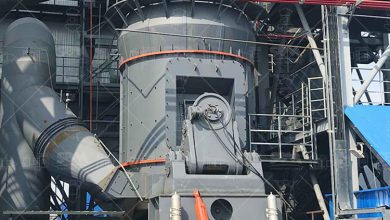
For standard applications requiring fineness in the 30-325 mesh range, our MTW Series Trapezium Mill provides an excellent balance of performance, efficiency, and reliability. This robust grinding system features several technological advancements specifically beneficial for lithium carbonate residue processing:
The wear-resistant shovel blade design incorporates combined blade segments that significantly reduce maintenance costs, while the curved surface design extends roller service life. The optimized arc air channel reduces airflow energy loss and improves transmission efficiency, with high-strength guard plates protecting the channel working surface.
The integrated bevel gear transmission achieves remarkable 98% transmission efficiency while saving space and reducing installation costs. The wear-resistant volute structure incorporates unobstructed flow design to enhance air classification efficiency and lower maintenance costs by 30%.
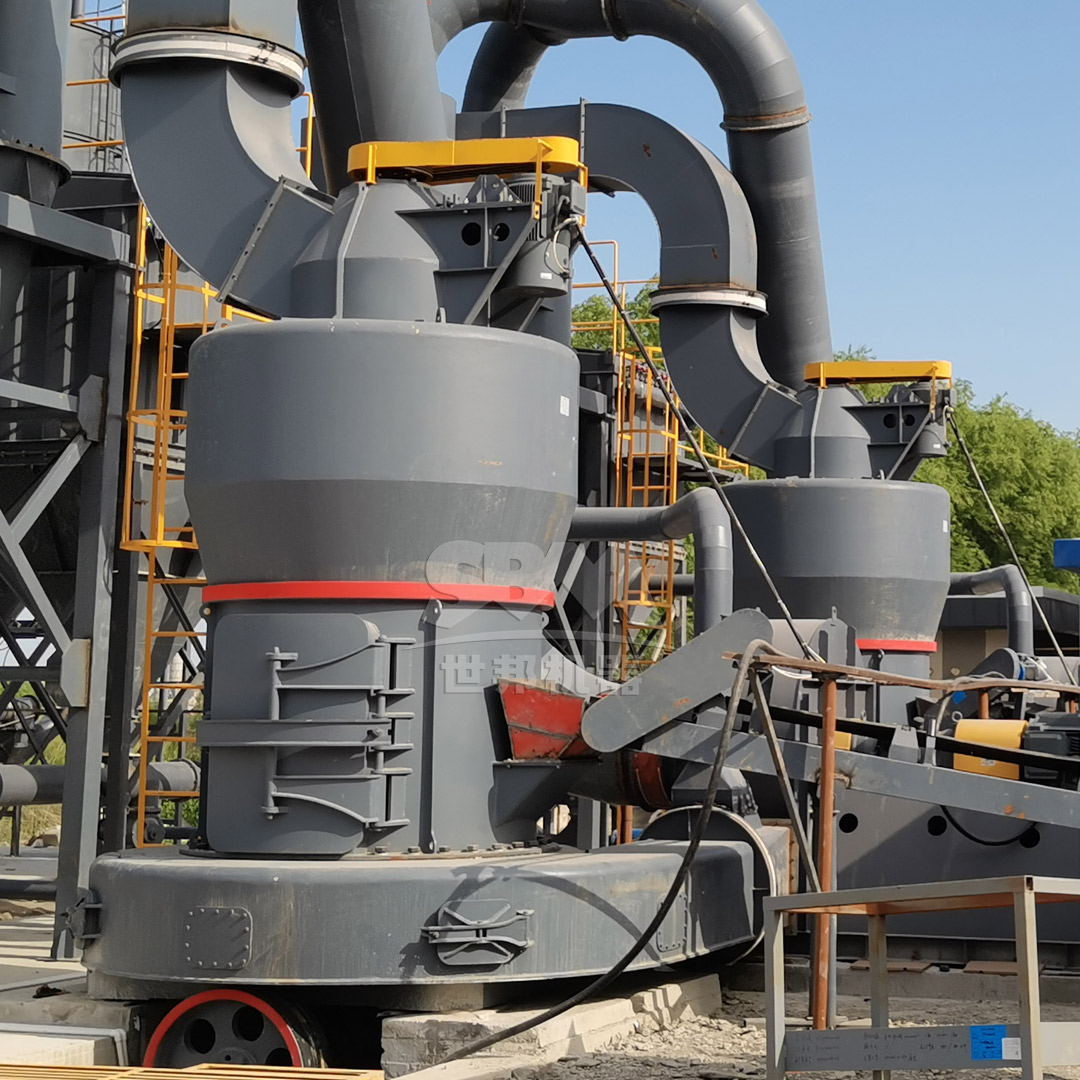
The working principle involves the main motor driving grinding rollers to revolve around the central axis while rotating themselves to generate centrifugal force. Shovel blades throw material between the grinding ring and rollers to form a material layer, achieving efficient crushing through compression, with the classification system precisely controlling final product fineness.
With multiple models offering capacities from 3 to 45 tons per hour and comprehensive supporting equipment configurations, the MTW Series provides complete grinding solutions for lithium carbonate residue processing across various production scales.
Technical Considerations for Grinding System Selection
Material Characteristics Assessment
Selecting the appropriate grinding system for lithium carbonate residue begins with comprehensive analysis of material characteristics. Key factors include initial particle size distribution, moisture content, abrasiveness, and specific grinding energy requirements. Laboratory testing with representative samples provides essential data for equipment selection and system design.
The chemical composition, particularly the presence of abrasive components, influences wear part selection and maintenance planning. Materials with higher quartz content require more wear-resistant grinding elements and more frequent maintenance intervals.
Production Requirements Analysis
Production capacity requirements, both current and projected future needs, significantly influence equipment selection. Systems should be sized to accommodate planned production volumes with appropriate operational flexibility. The required product fineness and particle size distribution specifications determine whether standard or specialized grinding equipment is needed.
Operational considerations include available space, utility requirements, and environmental regulations. Systems must comply with local emissions standards for dust and noise, which may require additional environmental control equipment.

Economic Evaluation
A comprehensive economic evaluation should consider capital investment, operating costs, maintenance requirements, and expected equipment lifetime. Energy consumption typically represents the largest component of operating costs, making efficiency a critical selection criterion. Systems with higher initial costs but lower operating expenses often provide better long-term value.
Maintenance requirements, including frequency of wear part replacement and associated downtime, significantly impact operational economics. Systems designed for easy maintenance and with longer-lasting wear parts reduce lifetime costs and improve operational availability.
Operation and Maintenance Best Practices
Optimizing Grinding Performance
Proper operation of grinding systems for lithium carbonate residue begins with consistent feed characteristics. Variations in moisture content, feed rate, or particle size can significantly impact grinding efficiency and product quality. Implementing strict feed control protocols ensures stable operation and consistent product quality.
Regular monitoring of key operating parameters including motor current, grinding pressure, and classifier speed allows early detection of potential issues before they impact product quality or cause equipment damage. Modern control systems can automate much of this monitoring and implement corrective actions automatically.
Maintenance Strategies
Preventive maintenance programs should address all critical components including grinding elements, classifiers, bearings, and lubrication systems. Regular inspection and replacement of wear parts according to established schedules prevents unexpected failures and maintains product quality.
Condition monitoring techniques including vibration analysis, oil analysis, and thermal imaging can identify developing issues before they cause equipment failure. Implementing predictive maintenance strategies based on equipment condition rather than fixed schedules optimizes maintenance costs while maximizing equipment availability.
Future Trends in Lithium Carbonate Residue Utilization
The utilization of lithium carbonate residue is expected to expand significantly as processing technologies advance and environmental regulations tighten. Research continues to identify new applications in emerging fields including advanced materials, environmental remediation, and energy storage.
Grinding technology continues to evolve toward higher efficiency, finer capabilities, and reduced environmental impact. Developments in classifier technology, wear materials, and control systems will further improve the economics of lithium carbonate residue processing.
The growing emphasis on circular economy principles drives increased interest in byproduct utilization across industries. Lithium carbonate residue, once considered waste, is increasingly recognized as a valuable resource with multiple potential applications when properly processed.
Conclusion
Lithium carbonate residue represents a significant opportunity for value creation through proper processing and utilization. The transformation from waste material to valuable product depends critically on appropriate grinding technology that can deliver the required particle characteristics efficiently and reliably.
Modern grinding mills, particularly advanced systems like the SCM Ultrafine Mill and MTW Series Trapezium Mill, provide the technological foundation for economic utilization of lithium carbonate residue across multiple industries. These systems offer the precision, efficiency, and reliability needed to meet the stringent requirements of various applications.
As technology advances and environmental considerations become increasingly important, the utilization of lithium carbonate residue will continue to grow, supported by sophisticated grinding solutions that optimize material properties for specific applications. Proper equipment selection, professional system design, and appropriate operational practices ensure successful implementation of lithium carbonate residue processing projects.