What Are the Uses of Industrial Waste Carbide Slag?
Introduction: From Waste to Resource
Carbide slag, a by-product generated during the production of acetylene gas from calcium carbide, has long been considered a challenging industrial waste. Traditionally, its disposal posed significant environmental and logistical problems due to its high alkalinity and substantial volume. However, with advancements in processing technology and a growing emphasis on circular economy principles, carbide slag is being transformed from a liability into a valuable resource. This article explores the multifaceted applications of processed carbide slag and highlights the critical role of advanced milling equipment in unlocking its potential.
Chemical and Physical Properties of Carbide Slag
The primary component of carbide slag is calcium hydroxide (Ca(OH)₂), typically comprising 85-95% of its mass. It also contains minor impurities such as silica, alumina, iron oxide, and unreacted carbon. In its raw form, it is a moist, highly alkaline (pH > 12) paste with variable particle size. For effective utilization, it must be dried and finely ground to achieve specific physical properties, including particle size distribution, specific surface area, and reactivity. The quality of the final powdered product is directly dependent on the efficiency and precision of the grinding process.
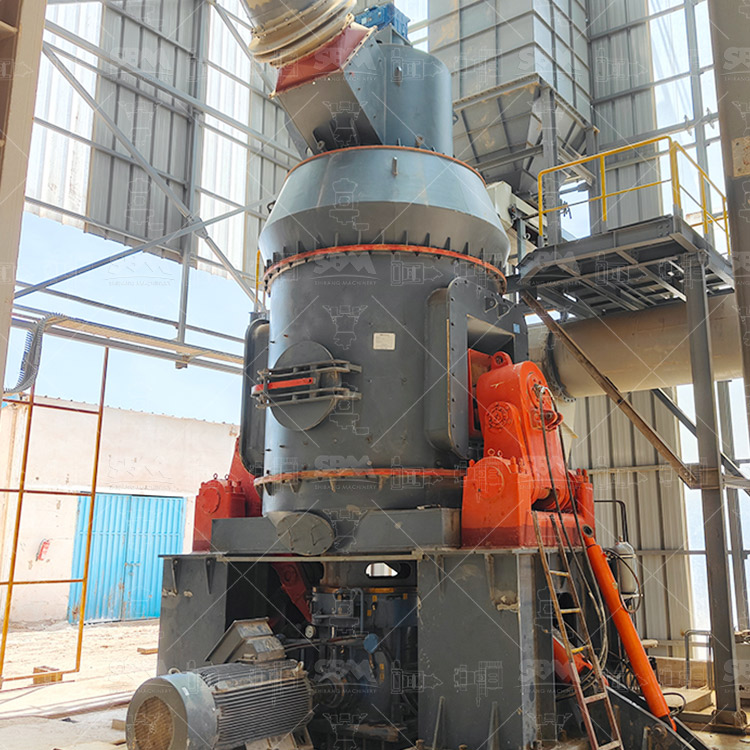
Key Applications of Processed Carbide Slag
1. Construction and Building Materials
This is the largest and most established market for carbide slag.
- Partial Substitute for Cement Clinker: Finely ground carbide slag, due to its high Ca(OH)₂ content, exhibits pozzolanic activity. When blended with materials like fly ash or granulated blast furnace slag, it can partially replace Portland cement in concrete, reducing the carbon footprint and cost of construction.
- Production of Autoclaved Aerated Concrete (AAC): Carbide slag is an excellent calcium source in the production of AAC blocks. Its fine particle size ensures a uniform reaction with silica, leading to consistent pore structure and strength.
- Stabilization and Solidification Agent: Its alkalinity makes it effective for stabilizing soft soils and solidifying heavy metal-contaminated soils or other hazardous wastes, immobilizing pollutants.
2. Environmental Remediation
Carbide slag’s chemical properties are leveraged for pollution control.
- Flue Gas Desulfurization (FGD): It is a cost-effective alternative to limestone in wet flue gas desulfurization systems for power plants and industrial boilers. It reacts with sulfur dioxide (SO₂) to form calcium sulfite or sulfate.
- Wastewater Treatment: As a neutralizing agent, it is used to treat acidic industrial wastewater. It also helps precipitate phosphates and certain heavy metals from solution.
3. Chemical Industry Raw Material
- Production of Precipitated Calcium Carbonate (PCC): High-purity carbide slag can be carbonated with CO₂ to produce high-value PCC, used as a filler in paper, plastics, paints, and pharmaceuticals.
- Calcium-Based Chemical Synthesis: It serves as a feedstock for producing various calcium salts like calcium chloride and calcium nitrate.
4. Agriculture
After proper treatment to ensure the absence of harmful impurities, it can be used as a soil amendment to neutralize acidic soils, providing calcium and improving soil structure.
The Critical Role of Grinding Technology
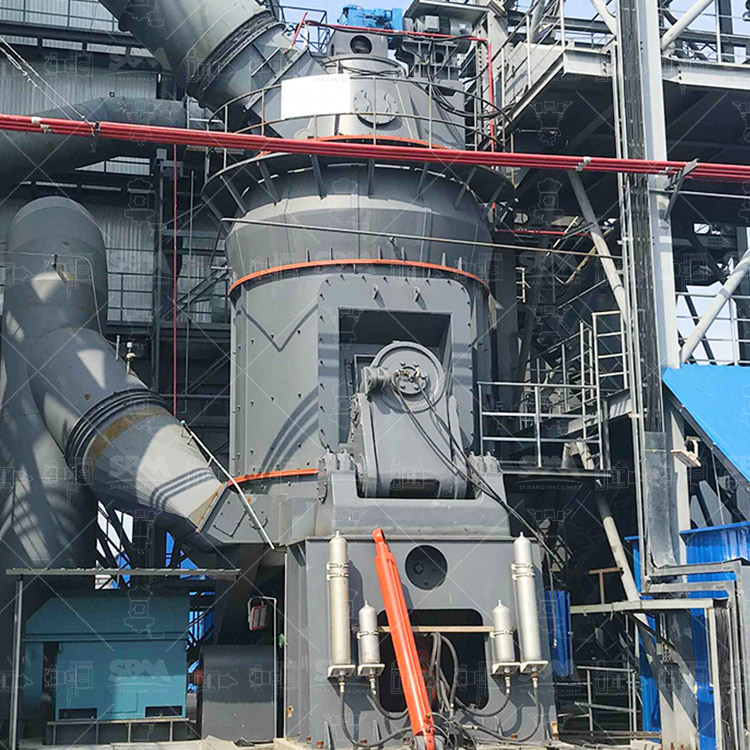
The transformation of lumpy, wet carbide slag into a consistent, reactive powder is the cornerstone of its valorization. The choice of grinding equipment determines the product’s fineness, energy efficiency, and overall economic viability. The process typically involves two stages: initial drying/crushing to reduce moisture and size, followed by fine or ultra-fine grinding to achieve the target specifications for the intended application.
For coarse to medium-fine grinding (e.g., for soil stabilization or FGD sorbent), robust mills capable of handling slightly abrasive materials are ideal. For high-value applications like PCC precursor or SCMs in high-performance concrete, ultra-fine grinding with precise particle size control is paramount.
Recommended Equipment for Carbide Slag Processing
Selecting the right mill is crucial for profitability. Based on the diverse fineness requirements across different applications, we recommend the following solutions from our portfolio:
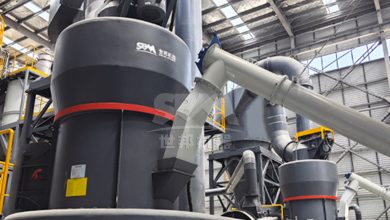
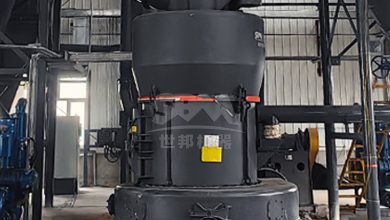
For High-Capacity, Coarse to Fine Grinding: MTW Series Trapezium Mill
When the target is to process large volumes of dried carbide slag into powders ranging from 30 to 325 mesh (600-45μm) for applications like construction materials or environmental sorbents, the MTW Series Trapezium Mill is an outstanding choice. Its advantages align perfectly with the needs of this sector:
- High Capacity & Robustness: With models like the MTW215G offering capacities up to 45 tons per hour, it is built for large-scale industrial processing. Its durable design, featuring wear-resistant shovel blades and curved air channels, ensures longevity when handling materials like slag.
- Energy Efficiency: The integral transmission with bevel gears achieves up to 98% transmission efficiency, and the optimized airflow design reduces energy loss, leading to lower operational costs.
- Precise Classification: The built-in turbine classifier allows for reliable control over the final product fineness, ensuring consistency for downstream applications.
This mill provides the perfect balance of output, durability, and control for mainstream carbide slag valorization projects.
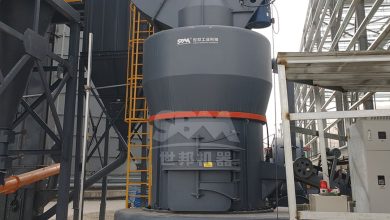
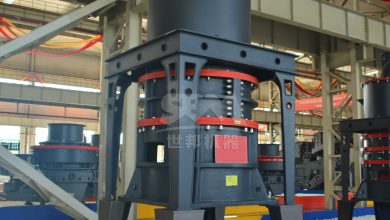
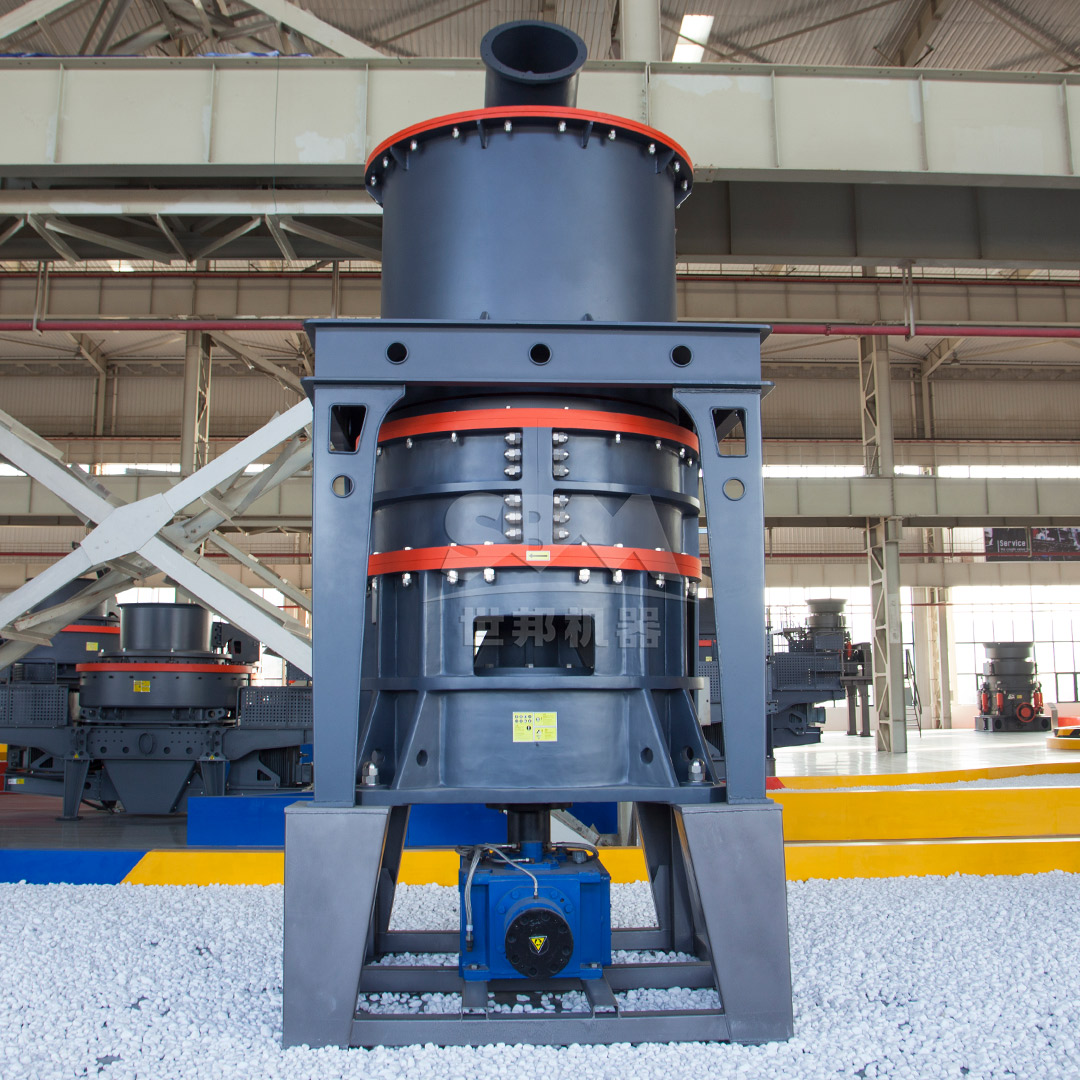
For High-Value, Ultra-Fine Products: SCM Ultrafine Mill
To unlock the highest value from carbide slag—such as producing ultra-fine powders for advanced SCMs or high-purity chemical precursors—the SCM Ultrafine Mill is the technological leader. This mill is engineered to produce powders as fine as 2500 mesh (D97 ≤ 5μm), which dramatically increases the slag’s reactivity and market value.
- Unmatched Fineness & Uniformity: The vertical turbine classifier system achieves precise particle size cuts, producing powders with a narrow size distribution and no coarse grain contamination. This is essential for high-performance applications.
- Superior Efficiency: Compared to traditional jet mills, the SCM series can double the production capacity while reducing energy consumption by approximately 30%, thanks to its layered grinding principle and intelligent control system.
- Exceptional Durability & Clean Operation: Special alloy grinding rollers and rings extend service life significantly. Coupled with a high-efficiency pulse dust collector (>99.9%) and soundproofing design (noise ≤75dB), it ensures an environmentally friendly and low-maintenance operation.
For a project aiming to produce 8-10 tons per hour of ultra-fine carbide slag powder, the SCM1000 model, with its 132kW main motor and output fineness adjustable between 325-2500 mesh, would be a highly efficient and reliable solution.
Conclusion: A Sustainable Future with Advanced Processing
The utilization of industrial waste carbide slag represents a significant stride towards sustainable industrial practices. Its successful integration into construction, environmental, and chemical value chains depends entirely on efficient and precise processing technology. By employing advanced grinding solutions like the MTW Series Trapezium Mill for high-volume applications and the SCM Ultrafine Mill for premium products, industries can not only mitigate a waste problem but also create economic value and reduce the environmental footprint of primary resource extraction. The future of carbide slag is not in landfills, but in the high-performance materials and cleaner processes enabled by modern milling innovation.