What Are the Uses of Glass Powder After Grinding?
Introduction: From Waste to Resource
The grinding of glass, particularly post-consumer or industrial waste glass, transforms a challenging waste stream into a versatile and valuable material known as glass powder or glass cullet. This finely ground material, with particle sizes ranging from coarse sand-like grains to ultrafine micron-level powders, unlocks a multitude of applications across diverse industries. The key to harnessing this potential lies in achieving precise and consistent particle size distribution through advanced grinding technology. This article explores the extensive uses of ground glass powder and highlights the critical role of modern milling equipment in this value-creation process.
Construction and Building Materials
1. Pozzolanic Cement and Concrete Additive
One of the most significant applications for finely ground glass powder (typically below 45μm or 325 mesh) is as a supplementary cementitious material (SCM). When glass powder possesses the right chemical composition (high in silica) and fineness, it exhibits pozzolanic properties. This means it can react with calcium hydroxide in the presence of water to form additional cementitious compounds, similar to fly ash or silica fume.
Benefits:
- Enhanced Strength & Durability: Improves later-age compressive strength and reduces long-term permeability, leading to more durable concrete structures.
- Alkali-Silica Reaction (ASR) Mitigation: Ultrafine glass powder can effectively suppress the destructive ASR in concrete by sequestering alkalis.
- Sustainability: Reduces the carbon footprint of concrete by partially replacing Portland cement, a major CO2 emitter.
- Waste Diversion: Provides a high-volume outlet for recycled glass.

2. Construction Fillers and Additives
Coarser ground glass (30-100 mesh) finds use as a functional filler or aggregate replacement.
- Polymer-Modified Tile Adhesives & Grouts: Glass powder improves dimensional stability, water resistance, and adhesion strength.
- Asphalt (Glassphalt): Used as a partial replacement for sand in asphalt mixes, improving skid resistance and providing a reflective quality.
- Lightweight Foamed Concrete: Can be incorporated to modify density and thermal properties.
Manufacturing and Industrial Applications
1. Abrasives and Blasting Media
Glass powder, especially with controlled angular shapes, is an excellent material for abrasive blasting. It offers a less hazardous alternative to silica sand (preventing silicosis) and is more recyclable than many synthetic media. It is used for cleaning, deburring, and surface preparation of metals, stone, and composites.
2. Ceramics and Glass-Ceramics
In the ceramics industry, ground glass acts as a flux, lowering the melting temperature of ceramic bodies and glazes, which reduces firing energy. It can also be the primary raw material for producing sintered glass-ceramics—engineered materials with superior mechanical and thermal properties used for countertops, architectural panels, and industrial components.
3. Filler in Plastics, Paints, and Coatings
Fine glass powder serves as an inert, low-cost filler in various composites. It can improve hardness, thermal stability, and corrosion resistance in plastics. In paints and coatings, it contributes to sheen control, durability, and barrier properties. Its chemical inertness makes it suitable for a wide range of formulations.
Advanced and Specialty Applications
1. Filtration Media
Processed glass powder, sintered into porous granules or filter beds, is used in water and wastewater filtration. Its high chemical resistance and controllable pore size make it effective for removing contaminants.
2. Reflective Additives
In traffic paints and signage, glass beads made from ground and spheroidized glass provide critical retro-reflectivity for nighttime road safety.
3. 3D Printing (Additive Manufacturing)
Ultrafine glass powder is a feedstock for selective laser sintering (SLS) or binder jetting 3D printing processes, enabling the creation of complex, transparent, or high-strength glass components directly from digital models.
The Critical Role of Grinding Technology
The breadth of applications for glass powder is directly tied to its particle size distribution, shape, and purity. Inconsistent or coarse grinding limits use to low-value fillers, while precise, efficient ultrafine grinding unlocks high-value markets like pozzolanic cement and advanced ceramics. The grinding process must also be energy-efficient and capable of handling glass’s abrasive nature.
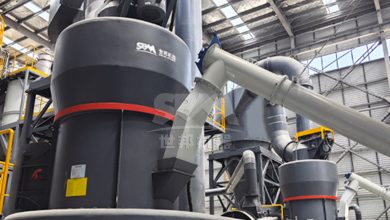
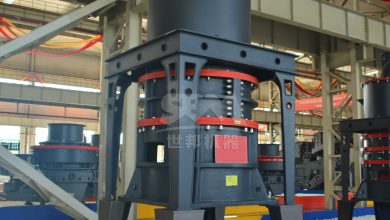
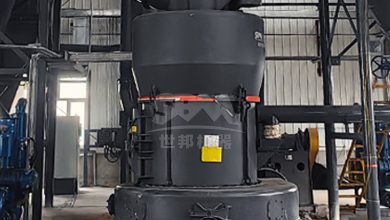
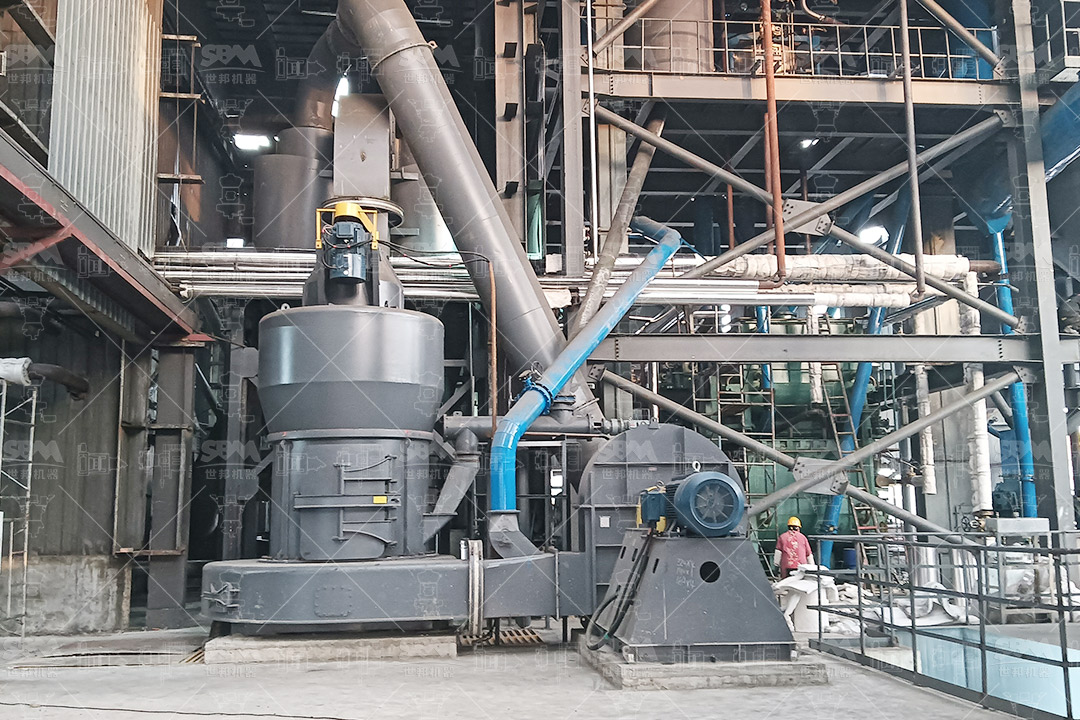
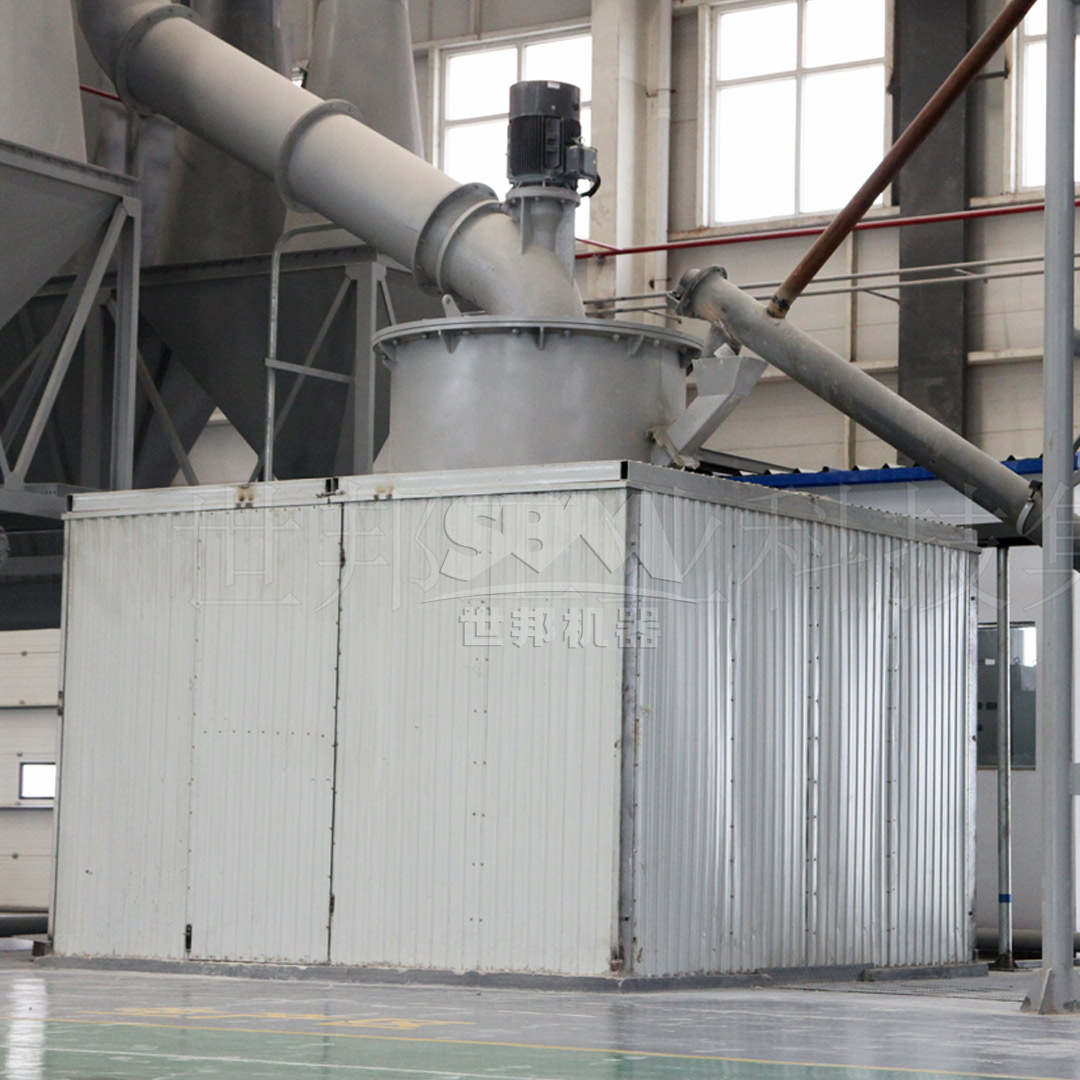
This is where selecting the right milling equipment becomes paramount. For producing premium glass powder, especially for construction and high-tech applications, an Ultrafine Mill is often the ideal solution. Our SCM Series Ultrafine Mill is specifically engineered to meet these challenges.
Why Our SCM Series Ultrafine Mill is Ideal for Glass Powder Production
- High-Precision Classification: Its vertical turbine classifier ensures precise particle size cutting, delivering uniform product in the range of 325-2500 mesh (45-5μm). This is essential for activating pozzolanic properties or achieving the fineness needed for premium fillers.
- Durable Design for Abrasive Materials: Featuring special material rollers and rings, the mill’s wear parts are built to withstand the abrasiveness of glass, extending service life significantly and reducing maintenance costs.
- High Efficiency & Energy Saving: With a capacity twice that of jet mills and 30% lower energy consumption, it offers an economical path to high-volume ultrafine powder production.
- Eco-friendly Operation: The integrated pulse dust collection system ensures dust emission exceeds international standards, making the process clean and safe.
For projects requiring high-capacity processing of glass into slightly coarser powders (e.g., for abrasives or filler applications in the 30-325 mesh range), our MTW Series European Trapezium Mill presents a robust and efficient option. Its anti-wear shovel design and optimized arc air duct are well-suited for continuous, high-tonnage operations, providing excellent reliability and lower operating costs.
Conclusion
Grinding transforms glass from a disposal problem into a multifaceted resource with applications spanning sustainable construction, advanced manufacturing, and industrial processes. The economic and environmental value derived from glass powder is maximized when produced with consistent quality and appropriate fineness. Investing in advanced, reliable grinding technology, such as our SCM or MTW series mills, is not just an equipment purchase—it’s a strategic decision to unlock higher-value markets, ensure product performance, and contribute to a more circular economy. By partnering with the right technology provider, processors can fully realize the potential of this remarkable recycled material.