What Are the Uses of Calcium Hydroxide?
Introduction to Calcium Hydroxide
Calcium hydroxide, also known as slaked lime or hydrated lime, is a chemical compound with the formula Ca(OH)2. It is a colorless crystal or white powder and is obtained when calcium oxide (quicklime) is mixed with water. This compound has numerous applications across various industries, making it one of the most versatile and widely used chemicals in industrial processes. The quality and particle size of calcium hydroxide powder significantly impact its effectiveness in different applications, which is why proper milling equipment is crucial for its production.
Chemical Properties and Production
Calcium hydroxide is a strong base with a pH of approximately 12.4. It has limited solubility in water (1.73 g/L at 20°C), and its solubility decreases with increasing temperature. When dissolved in water, it forms limewater, which is a medium-strength base that reacts with acids and can attack some metals. The production of calcium hydroxide involves hydrating calcium oxide (quicklime) in a process called slaking: CaO + H2O → Ca(OH)2. This reaction is highly exothermic, releasing a significant amount of heat.
Industrial Applications of Calcium Hydroxide
Water Treatment and Purification
One of the most significant applications of calcium hydroxide is in water treatment facilities. It is used to adjust the pH of water, helping to maintain optimal conditions for various treatment processes. Calcium hydroxide assists in the removal of impurities through coagulation and flocculation, where it helps precipitate dissolved metals and other contaminants. Additionally, it plays a crucial role in softening hard water by precipitating calcium and magnesium ions, which are responsible for water hardness.
Construction Industry
In construction, calcium hydroxide is a key component in mortar, plaster, and whitewash. When mixed with water and sand, it creates lime mortar that has been used for centuries in building construction. The calcium hydroxide in mortar slowly reacts with carbon dioxide in the atmosphere to form calcium carbonate, which gives the mortar its strength and durability. This process, known as carbonation, is essential for the long-term performance of lime-based building materials.
Food Industry Applications
Calcium hydroxide finds several important applications in the food industry, where it is known as E526. It is used in the processing of water for alcoholic beverages and soft drinks. In traditional corn processing, it is employed in the nixtamalization process, where corn is soaked and cooked in an alkaline solution to make hominy. This process improves the nutritional value of corn by making niacin more available and enhancing the amino acid profile. Calcium hydroxide is also used as a firming agent in vegetables and in some sugar production processes.
Environmental Applications
Environmental applications of calcium hydroxide include flue gas treatment, where it is used to remove acidic gases such as sulfur dioxide (SO2) and hydrogen chloride (HCl) from industrial emissions. It is also employed in soil stabilization to improve the engineering properties of soils, particularly for road construction. In wastewater treatment, calcium hydroxide helps precipitate heavy metals and adjust pH levels to optimize biological treatment processes.
Chemical Manufacturing
Calcium hydroxide serves as a precursor to numerous other calcium compounds. It is used in the production of calcium stearate, various bleaching agents, and other specialty chemicals. In the petroleum industry, it is utilized in drilling muds and as a lubricant. The compound also finds applications in the manufacture of plastics, where it can act as a filler or processing aid.
Importance of Proper Grinding in Calcium Hydroxide Production
The effectiveness of calcium hydroxide in many applications depends significantly on its particle size and purity. Proper grinding ensures that the material has the optimal surface area and reactivity for its intended use. Different applications require different particle sizes – for instance, water treatment may require coarser particles while chemical manufacturing might need ultrafine powder. This is where advanced milling equipment becomes essential for producing high-quality calcium hydroxide with consistent particle size distribution.
Recommended Grinding Equipment for Calcium Hydroxide Processing
SCM Series Ultrafine Mill for High-Precision Applications
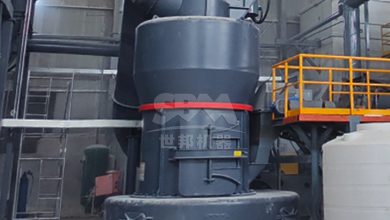
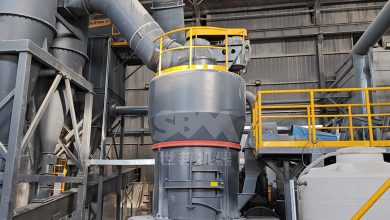
For applications requiring ultrafine calcium hydroxide powder, our SCM Series Ultrafine Mill offers exceptional performance with output fineness ranging from 325 to 2500 mesh (D97≤5μm). This mill is particularly suitable for high-value applications where precise particle size control is critical. The vertical turbine classifier ensures accurate particle size distribution without coarse powder contamination. With capacity ranging from 0.5 to 25 tons per hour depending on the model, the SCM series provides an efficient solution for producing premium-grade calcium hydroxide powder.
The SCM Ultrafine Mill incorporates several advanced features that make it ideal for calcium hydroxide processing. Its efficient energy consumption – 30% lower than jet mills with twice the capacity – makes it both economically and environmentally favorable. The special material rollers and grinding rings significantly extend equipment lifespan, while the pulse dust collection system exceeds international standards for environmental protection. For operations requiring the finest calcium hydroxide powders with tight particle size distribution, the SCM800 to SCM1680 models offer a range of capacities to match production requirements.
MTW Series Trapezium Mill for General Industrial Applications
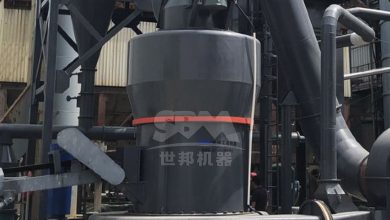
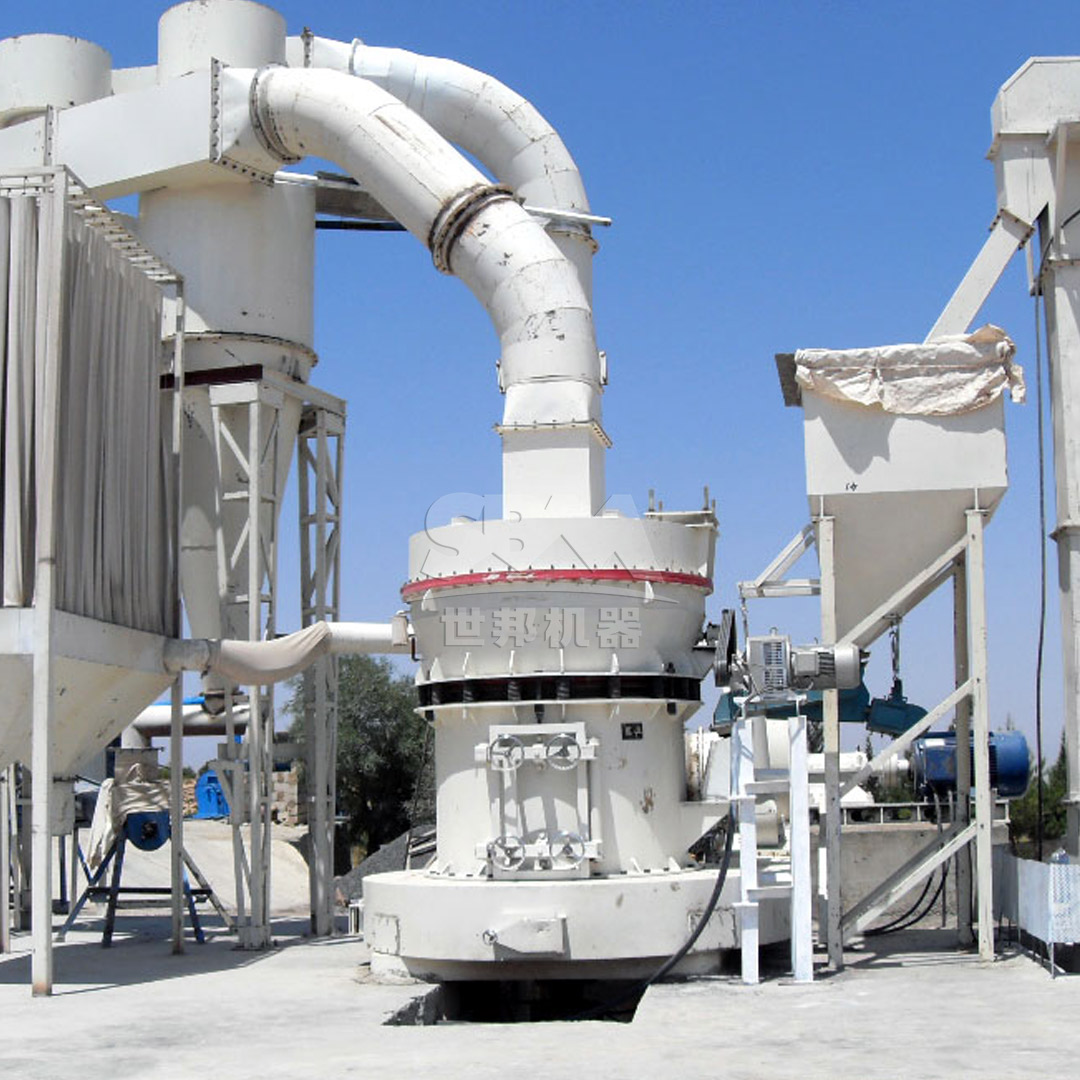
For general industrial applications of calcium hydroxide requiring medium fineness, our MTW Series Trapezium Mill provides an excellent balance of performance and economy. With output fineness from 30 to 325 mesh (up to 0.038mm) and capacity ranging from 3 to 45 tons per hour, this mill series caters to a wide range of calcium hydroxide processing needs. The wear-resistant design features combined shovel blades that reduce maintenance costs and curved air channel design that minimizes air resistance and improves transmission efficiency.
The MTW Series incorporates several patented technologies that enhance its performance for calcium hydroxide grinding. The internal oil lubrication system and advanced pulse dust collection technology ensure reliable operation with minimal environmental impact. With models ranging from MTW110 to MRN218, this series offers solutions for operations of all sizes, from small specialty chemical producers to large industrial facilities. The integrated gear transmission system achieves 98% transmission efficiency while saving space and reducing installation costs.
Factors to Consider When Selecting Grinding Equipment
When choosing grinding equipment for calcium hydroxide processing, several factors should be considered. The required output fineness is paramount – whether your application needs coarse powder for soil stabilization or ultrafine powder for chemical synthesis. Production capacity requirements will determine the appropriate model size, while energy efficiency considerations impact long-term operational costs. Other factors include the available installation space, environmental regulations regarding noise and dust emissions, and maintenance requirements. Our technical team can help assess your specific needs and recommend the optimal equipment configuration.
Conclusion
Calcium hydroxide remains an indispensable chemical across numerous industries, from construction and water treatment to food processing and environmental protection. The versatility of this compound continues to drive innovation in its applications and production methods. As industries increasingly demand higher quality and more specialized forms of calcium hydroxide, advanced grinding technology becomes ever more important. Our SCM Series Ultrafine Mill and MTW Series Trapezium Mill represent cutting-edge solutions for producing calcium hydroxide powders that meet the exacting standards of modern industrial applications. By investing in proper processing equipment, producers can ensure they deliver consistent, high-quality calcium hydroxide tailored to their customers’ specific needs.