What Are the Uses of Asphalt Coke? | Applications Explained by Asphalt Coke Vertical Mill Manufacturer
Introduction: Understanding Asphalt Coke
Asphalt coke, also known as petroleum coke or petcoke, is a carbon-rich solid material derived from the oil refining process, specifically from the coking of residual oil. It is a versatile industrial material with a high calorific value and carbon content, making it a valuable resource across multiple sectors. However, its utility is heavily dependent on its physical and chemical properties, which are directly influenced by the processing and grinding technology used to prepare it. This article delves into the primary applications of asphalt coke and explains how advanced milling solutions are critical to unlocking its full potential.
Key Properties of Asphalt Coke
Before exploring its uses, it’s essential to understand the characteristics that make asphalt coke desirable:
- High Carbon Content: Typically exceeds 80%, making it an excellent source of carbon.
- High Calorific Value: Comparable to premium coal, providing significant energy per unit.
- Low Volatile Matter: Results in more stable and efficient combustion in certain applications.
- Variable Sulfur and Metal Content: This can be a challenge, requiring careful selection and processing for specific end-uses.
The particle size, fineness, and uniformity of ground asphalt coke are paramount for its performance in downstream applications. This is where specialized grinding equipment from experienced manufacturers becomes indispensable.
Primary Industrial Applications of Asphalt Coke
1. Fuel for Power Generation and Cement Kilns
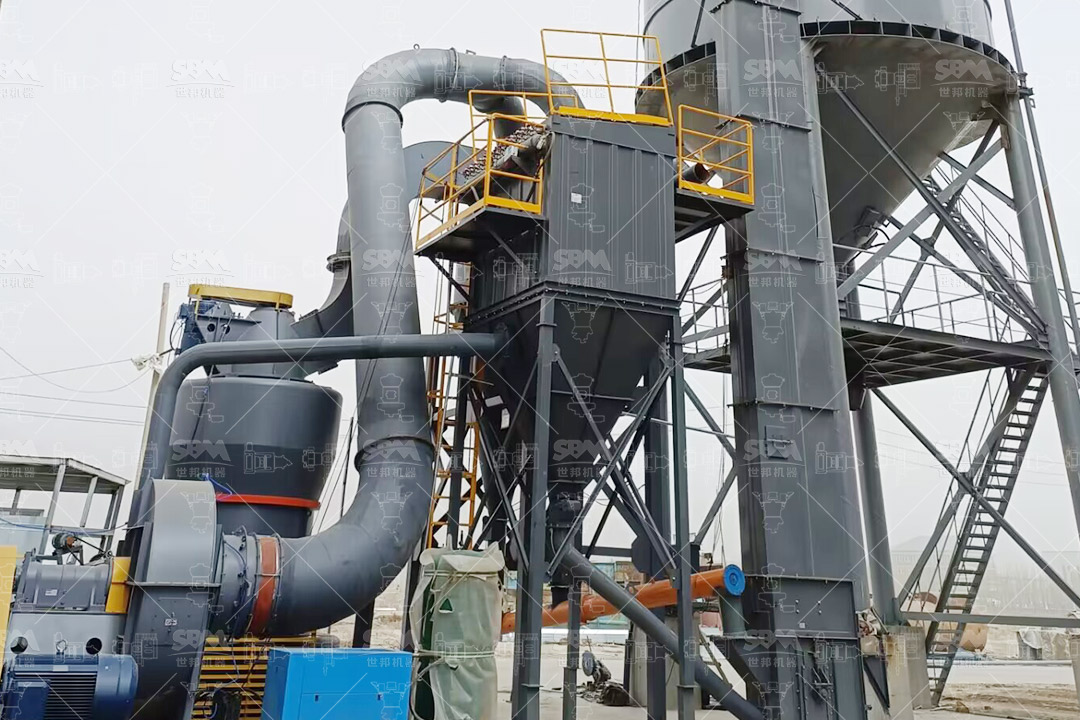
The most widespread use of asphalt coke is as a fuel source. Its high calorific value makes it a cost-effective alternative to coal in power plants and, particularly, in cement manufacturing rotary kilns. The intense and consistent heat required for clinker production is well-served by powdered asphalt coke. For efficient combustion, the coke must be pulverized to a specific fineness to ensure complete burnout and optimal heat transfer. Inconsistent or coarse particles lead to inefficient combustion, higher unburned carbon content, and potential operational issues.
2. Anode Production for the Aluminum Industry
This is a high-value application. Calcined asphalt coke is a primary raw material for manufacturing carbon anodes used in the electrolytic reduction of alumina to aluminum. The quality of the anode is crucial for the efficiency and cost of aluminum production. The coke must be ground to a precisely controlled particle size distribution to ensure the anode has the necessary density, electrical conductivity, and mechanical strength. Ultra-fine and consistent grinding is critical here.
3. Production of Graphite Electrodes and Carbon Additives
Needle coke, a premium form of asphalt coke, is used to produce graphite electrodes for electric arc furnaces in steelmaking. Furthermore, ground asphalt coke serves as a carbon additive or recarburizer in steel and iron foundries to increase the carbon content of molten metal. In both cases, the purity and fineness of the coke powder directly impact the quality of the final steel or iron product.
4. Other Niche Applications
- Chemical Industry: As a source of carbon in certain chemical synthesis processes.
- Brick and Glass Manufacturing: As a fuel to provide high-temperature heat.
- Carbon Black Production: Used as a feedstock.
The Critical Role of Grinding Technology
The transition from raw asphalt coke to a usable industrial material hinges on efficient and precise size reduction. The choice of grinding mill affects:
- Product Fineness & Uniformity: Directly impacts combustion efficiency and material performance.
- Production Capacity: Must meet the high-volume demands of industries like cement and power.
- Energy Consumption: Grinding can be energy-intensive; efficient mills significantly lower operational costs.
- System Reliability & Maintenance: Downtime for maintenance is costly in continuous process industries.
- Environmental Compliance: Dust control and noise levels are regulated and must be managed.
Recommended Milling Solutions for Asphalt Coke
Based on the diverse requirements of asphalt coke processing—from coarse grinding for fuel to ultra-fine grinding for anode production—we recommend the following robust solutions from our portfolio:
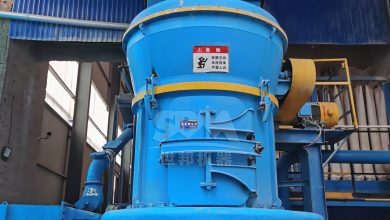
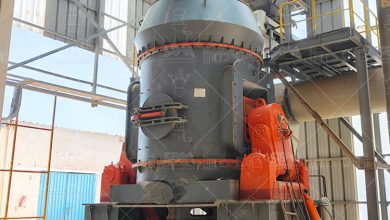
1. LM Series Vertical Roller Mill: For High-Capacity Fuel Preparation
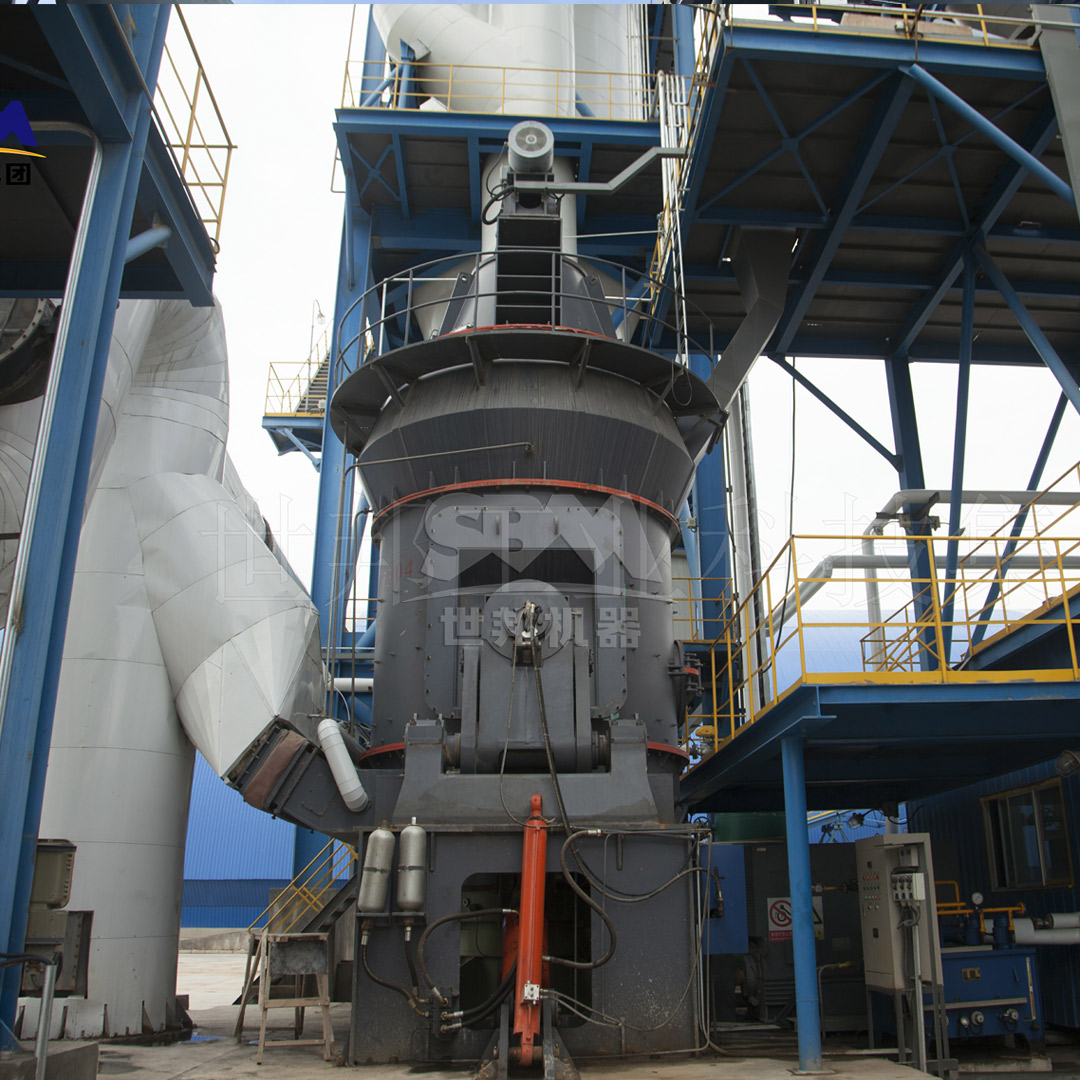
For large-scale applications such as preparing asphalt coke for cement kilns or power plants, our LM Series Vertical Roller Mill is the industry benchmark. Its integrated design combines drying, grinding, and classification in a single unit, offering unparalleled efficiency for high-tonnage operations.
- Core Advantages for Asphalt Coke:
- High Capacity & Low Energy Use: With capacities ranging from 3 to 250 tons per hour and energy consumption 30-40% lower than traditional ball mills, it drastically reduces the cost per ton of ground coke.
- Integrated Drying: Can handle materials with residual moisture by utilizing hot gases, simplifying the process flow.
- Excellent Particle Size Control: Produces a consistent product in the range of 30-325 mesh (600-45μm), ideal for pneumatic conveying and combustion.
- Low Operating Cost: Features like non-contact grinding and durable wear parts extend service life and minimize maintenance downtime.
Models like the LM220K (36-105 t/h, 800kW) are perfectly suited for major cement plants requiring a reliable, high-volume supply of powdered fuel.
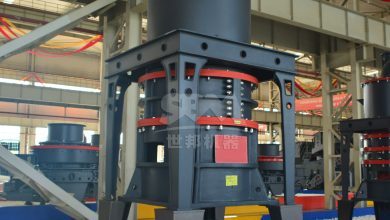
2. SCM Series Ultrafine Mill: For Premium, High-Fineness Applications
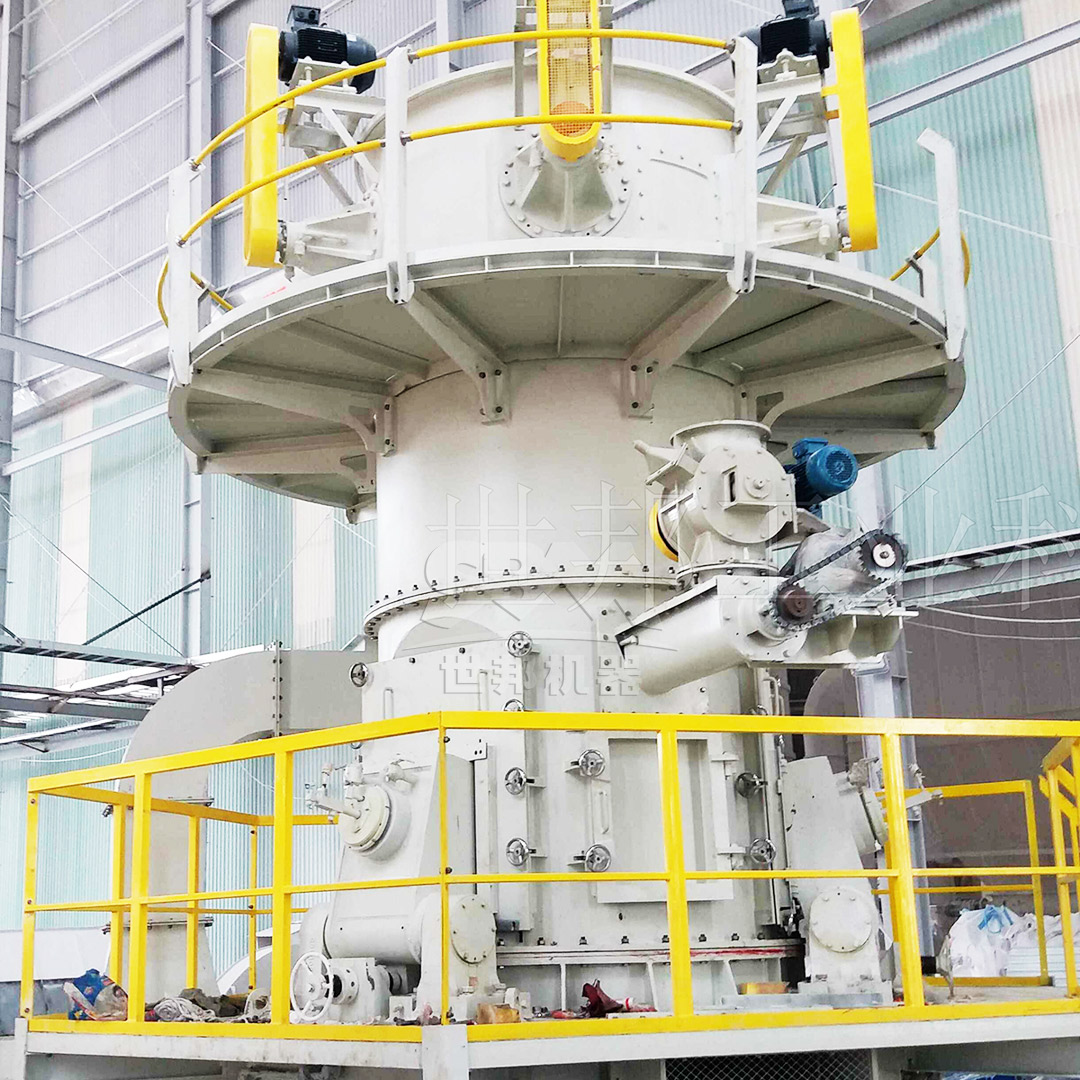
When the application demands ultra-fine and uniform powder, such as in the preparation of calcined coke for anode paste or specialty carbon products, our SCM Series Ultrafine Mill excels. It is engineered to achieve fineness levels unattainable by conventional roller mills.
- Core Advantages for High-End Asphalt Coke:
- Exceptional Fineness: Capable of producing powder from 325 to 2500 mesh (45-5μm), meeting the strict specifications of the aluminum and graphite industries.
- High-Precision Classification: Its advanced vertical turbine classifier ensures precise particle size cuts and a uniform product with no coarse powder mixing, which is vital for anode density and performance.
- High Efficiency: Offers twice the capacity of jet mills with approximately 30% lower energy consumption, providing a more economical route to ultra-fine powder.
- Eco-friendly Operation: A fully sealed system with pulse dust collection exceeding international standards ensures a clean working environment.
For operations needing to produce premium-grade coke powder, the SCM1250 model (2.5-14 t/h, 185kW) offers an ideal balance of capacity and ultra-fine grinding capability.
Conclusion
Asphalt coke is a vital industrial material whose value is fully realized only through proper processing. From fueling global industries to enabling lightweight aluminum production, its applications are diverse and demanding. Selecting the right grinding technology is not merely an operational decision but a strategic one that impacts product quality, cost efficiency, and environmental footprint.
As a leading manufacturer of grinding equipment, we provide tailored solutions like the high-capacity LM Vertical Roller Mill and the precision-focused SCM Ultrafine Mill to address the full spectrum of asphalt coke processing needs. Investing in the right mill technology ensures you transform raw asphalt coke into a high-performance product that meets the exacting standards of your specific industry.