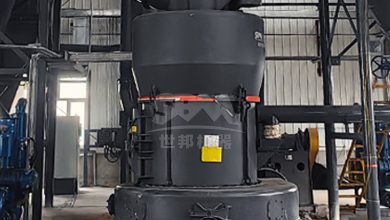
What Are the Requirements for Quartz Sand Used in Crucibles and Can Vertical Roller Mills Process It?
Introduction: The Critical Role of Quartz Sand in Crucible Manufacturing
Quartz sand, a high-purity form of silica (SiO₂), is the fundamental raw material for manufacturing high-performance crucibles used in metallurgy, semiconductor crystal growth, and advanced ceramics. The quality of the final crucible is intrinsically linked to the purity, particle size distribution, and morphological characteristics of the quartz sand feedstock. This article delves into the stringent requirements for crucible-grade quartz sand and evaluates the suitability of Vertical Roller Mill (VRM) technology for its processing, highlighting optimal solutions for achieving the necessary specifications.
1. Key Requirements for Crucible-Grade Quartz Sand
The production of quartz crucibles demands sand that meets exceptionally high standards across several parameters:
- Chemical Purity: The most critical requirement. Total impurity content (especially alkali metals like Na, K, and elements like Al, Fe, Ca, Mg) must typically be below 50 ppm, with some high-end applications requiring below 20 ppm. These impurities can drastically lower the melting point, reduce thermal shock resistance, and cause devitrification (crystallization) of the fused silica, leading to crucible failure.
- Particle Size Distribution (PSD): A controlled and narrow PSD is essential. It ensures uniform packing density during the crucible forming process, leading to consistent sintering behavior, optimal viscosity during melting, and ultimately, a dense, pore-free crucible structure. The target range is often between 100 mesh (150μm) and 325 mesh (45μm).
- Particle Morphology: Rounded or sub-angular grains are preferred over highly angular or flaky particles. Rounded grains flow better, pack more uniformly, and reduce internal stress points in the final product.
- Moisture Content: Must be strictly controlled (typically <0.5%) to prevent steam generation and bubble formation during the high-temperature fusion process.
2. Processing Challenges: From Raw Ore to Crucible-Grade Powder
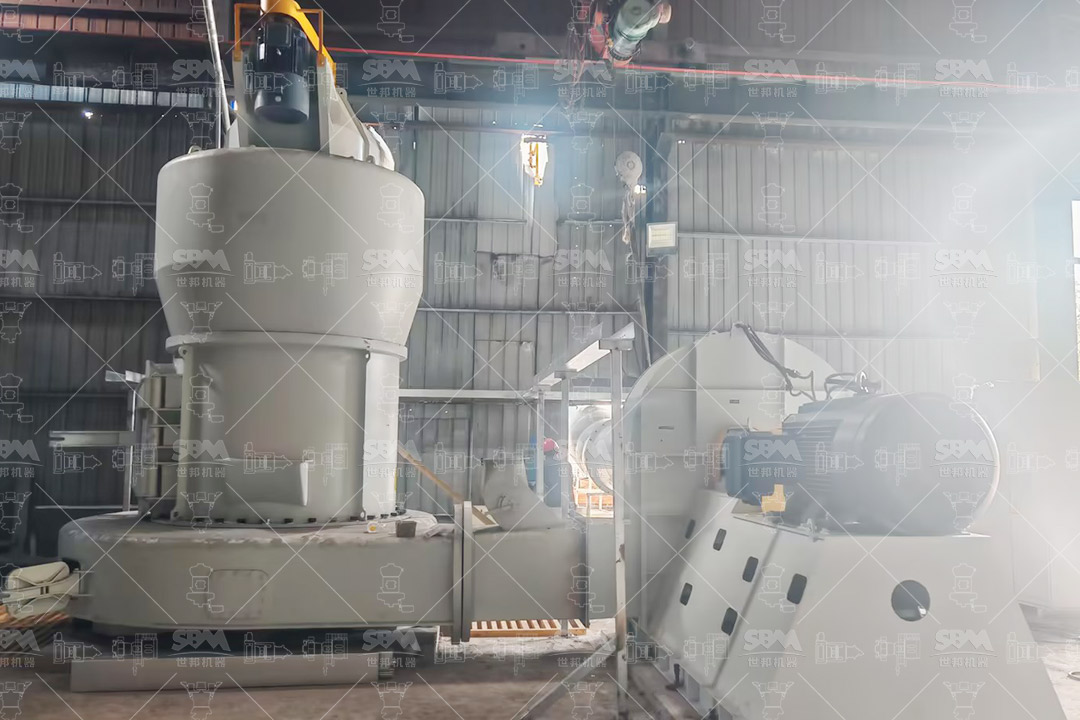
Natural quartz ore undergoes a multi-stage purification process including crushing, washing, magnetic separation, and flotation to achieve the necessary chemical purity. The final and equally critical step is comminution – reducing the purified quartz chunks into a fine powder with the exact PSD and morphology. Traditional methods like ball milling can introduce iron contamination from grinding media and often struggle to produce a narrow, controllable PSD efficiently. This is where advanced grinding technology becomes paramount.
3. The Vertical Roller Mill (VRM): A Suitable Technology for Quartz Processing?
Vertical Roller Mills are widely recognized for their energy efficiency and high capacity in grinding cement raw materials, coal, and slag. Their applicability to ultra-high-purity minerals like quartz requires careful consideration of their operational principles and design features.
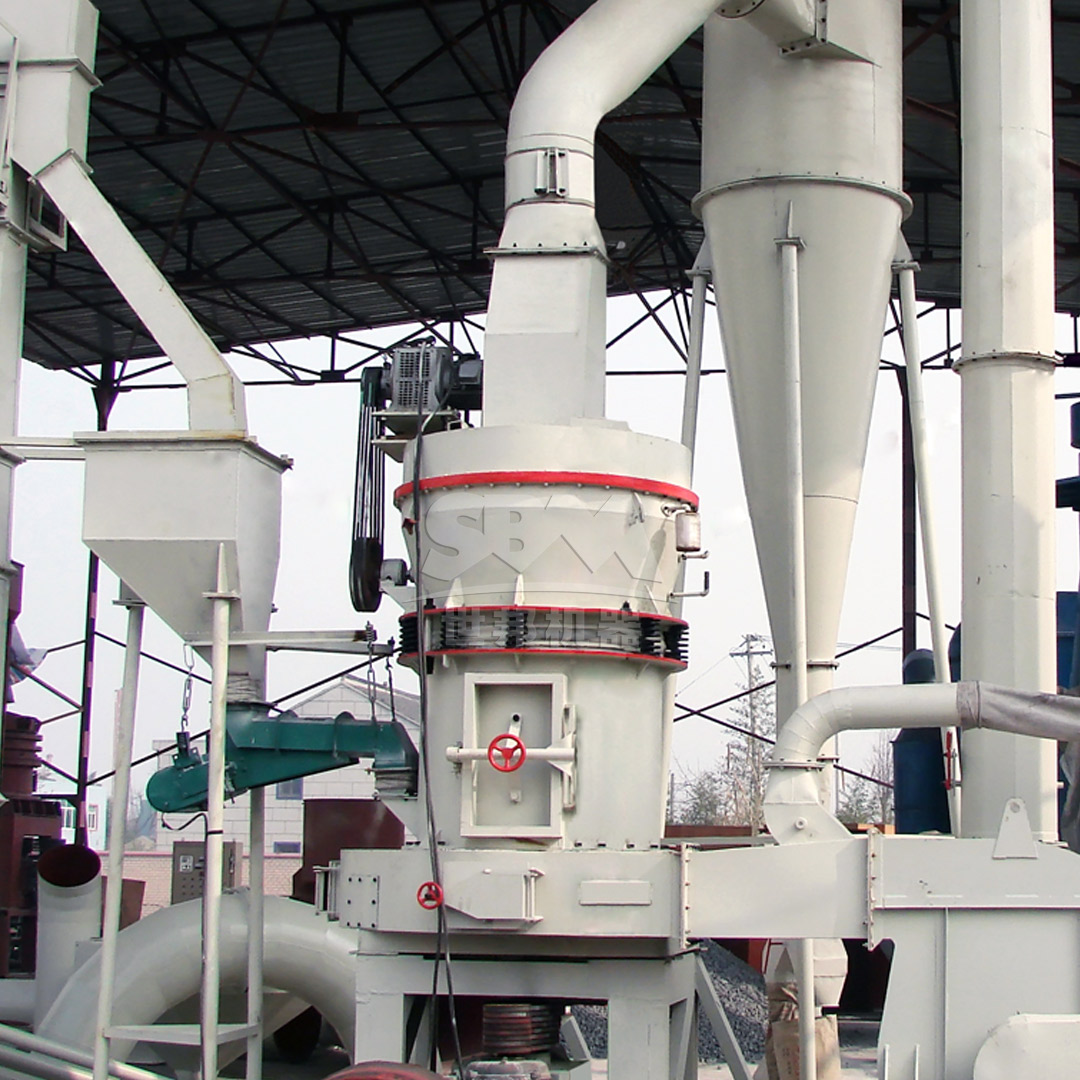
How a VRM Works: Material is fed onto a rotating grinding table. Centrifugal force moves it under grinding rollers, which apply pressure, crushing the material by inter-particle compression (bed grinding). A hot gas stream dries the material and carries fine particles to an integrated dynamic classifier. Coarse particles fall back onto the table for further grinding.
Advantages for Quartz Processing:
- High Grinding Efficiency & Low Energy Consumption: The bed grinding mechanism is more efficient than the impact/attrition of ball mills, potentially offering 30-40% lower energy use.
- Excellent Drying Capability: The integrated hot air system can effectively reduce moisture to required levels.
- Good Particle Size Control: The dynamic classifier allows for relatively good adjustment of the product fineness.
Potential Limitations for High-Purity Quartz:
- Wear and Contamination Risk: The direct contact between grinding rollers/table and the highly abrasive quartz poses a significant wear challenge. Even with advanced wear-resistant materials, gradual wear can introduce trace metallic contamination (e.g., from Ni, Cr in alloys), which may be unacceptable for premium crucible grades.
- Fineness Capability: Standard industrial VRMs are optimized for fineness up to around 325 mesh (45μm). Achieving the finer end of the crucible sand spectrum or producing ultra-fine silica flour requires specialized mill designs with advanced classification systems.
- Morphology Control: VRMs primarily produce particles through compressive fracture, which can result in more angular particles compared to the ideal rounded morphology.
4. Optimized Mill Solutions for High-Purity Quartz Sand Production
To overcome the limitations of standard VRMs for high-value mineral processing, specialized mill designs have been developed. For producers of crucible-grade quartz sand, selecting a mill that prioritizes contamination control, precise classification, and operational flexibility is crucial.
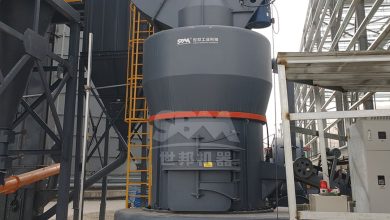
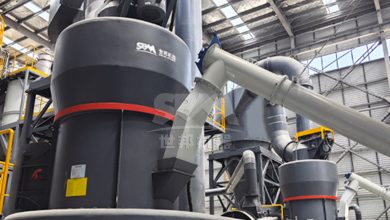
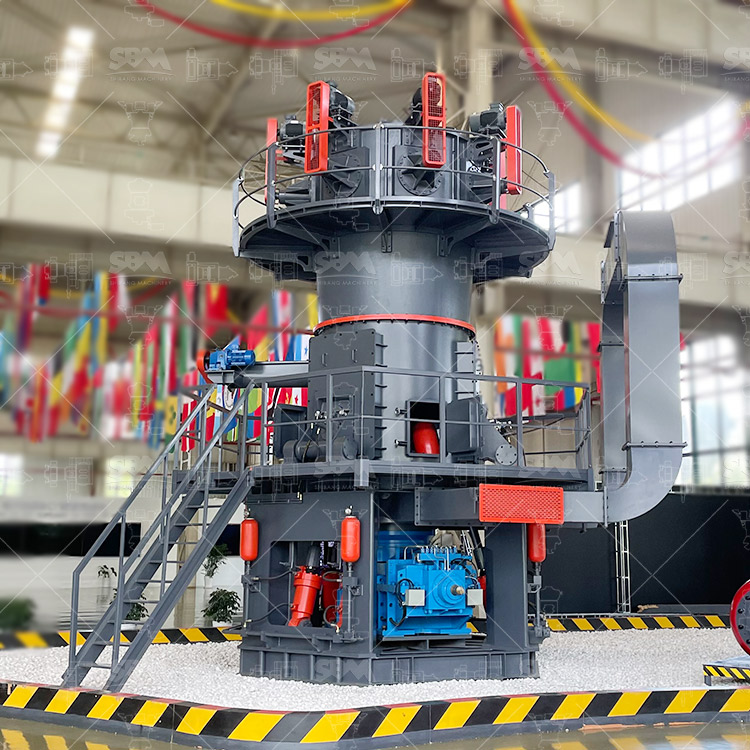
Our LM Series Vertical Roller Mill, particularly the fine-powder models (LMX-GX series), presents a robust solution. Its集约化设计 integrates grinding, drying, and classification in one unit, reducing footprint and potential contamination points from external conveyors. The磨辊与磨盘非接触设计 and use of specially formulated wear-resistant materials for the grinding elements significantly extend service life and minimize metallic wear contamination. Most importantly, its advanced dynamic分选机多级调节技术 allows for precise control over the product’s particle size distribution, enabling operators to target the specific 100-325 mesh range critical for crucible sand. With an output fineness capable of reaching 30-325目 (and特殊型号至600目), it covers the full crucible sand specification window. The全密封负压运行 ensures粉尘排放 <20mg/m³, maintaining a clean plant environment and protecting the product.
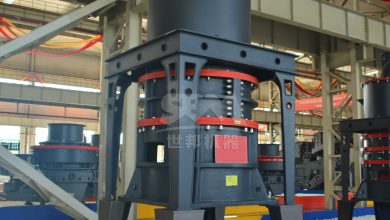
For applications demanding even finer powders or where the utmost priority is eliminating any risk of metallic contamination, our SCM Series Ultrafine Mill is the technology of choice. While not a VRM in the traditional sense, it represents the pinnacle of fine, clean grinding. Its unique无轴承螺杆研磨腔 design eliminates a major source of potential bearing lubricant contamination. The grinding forces are applied through a spring-loaded roller system against a fixed磨环, and the primary粉碎后逐层研磨 action is achieved by multiple grinding rings, which can be lined with ceramic or other inert materials for absolute purity. The integrated垂直涡轮分级器 is exceptionally precise, enabling the production of powders from 325目 up to an impressive 2500目 (D97≤5μm) with无粗粉混入,成品均匀. This makes the SCM mill ideal not only for standard crucible sand but also for producing the ultra-fine silica powders used in advanced technical ceramics. Its智能控制 system provides automatic feedback on成品粒度, ensuring batch-to-batch consistency.
5. Conclusion: A Tailored Approach to Crucible Sand Production
Producing quartz sand for high-performance crucibles is a demanding task that extends beyond chemical purification to precise physical powder engineering. While conventional Vertical Roller Mills offer efficiency benefits, their use for this application depends on models specifically engineered to mitigate wear-induced contamination and equipped with high-precision classifiers.
The optimal choice often involves a tailored approach: using a robust, efficient, and precisely controllable mill like our LM Vertical Roller Mill for the primary production of standard crucible-grade sand within the 100-325 mesh range, and employing an ultra-fine, contamination-minimizing system like our SCM Ultrafine Mill for premium applications requiring finer cuts or absolute purity assurance. By integrating such advanced milling technologies with rigorous upstream purification, producers can reliably meet the exacting standards of the global crucible industry.