What Are the Requirements for Quartz Powder in Tiles?
Introduction: The Critical Role of Quartz Powder in Modern Tile Manufacturing
In the competitive world of tile manufacturing, the quality and consistency of raw materials are paramount. Among these, quartz powder stands out as a fundamental component, significantly influencing the final product’s aesthetics, durability, and performance. Quartz, primarily composed of silicon dioxide (SiO₂), is prized for its hardness, chemical inertness, and thermal stability. When incorporated into tile bodies, glazes, and engobes, it enhances mechanical strength, wear resistance, and dimensional stability. However, not all quartz powder is created equal. Meeting the stringent requirements of modern tile production demands precise control over several key parameters, from particle size distribution to chemical purity. This article delves into the essential specifications for quartz powder used in tile applications and explores the advanced milling technologies necessary to achieve them.
1. Key Physical and Chemical Requirements for Tile-Grade Quartz Powder
The performance of quartz powder in tile formulations is dictated by a set of interrelated physical and chemical properties. Manufacturers must adhere to strict specifications to ensure batch-to-batch consistency and optimal tile quality.
1.1 Particle Size Distribution (PSD) and Fineness
This is arguably the most critical parameter. The PSD affects slurry viscosity, sintering behavior, packing density, and the final surface finish of the tile.
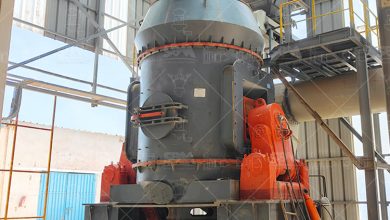
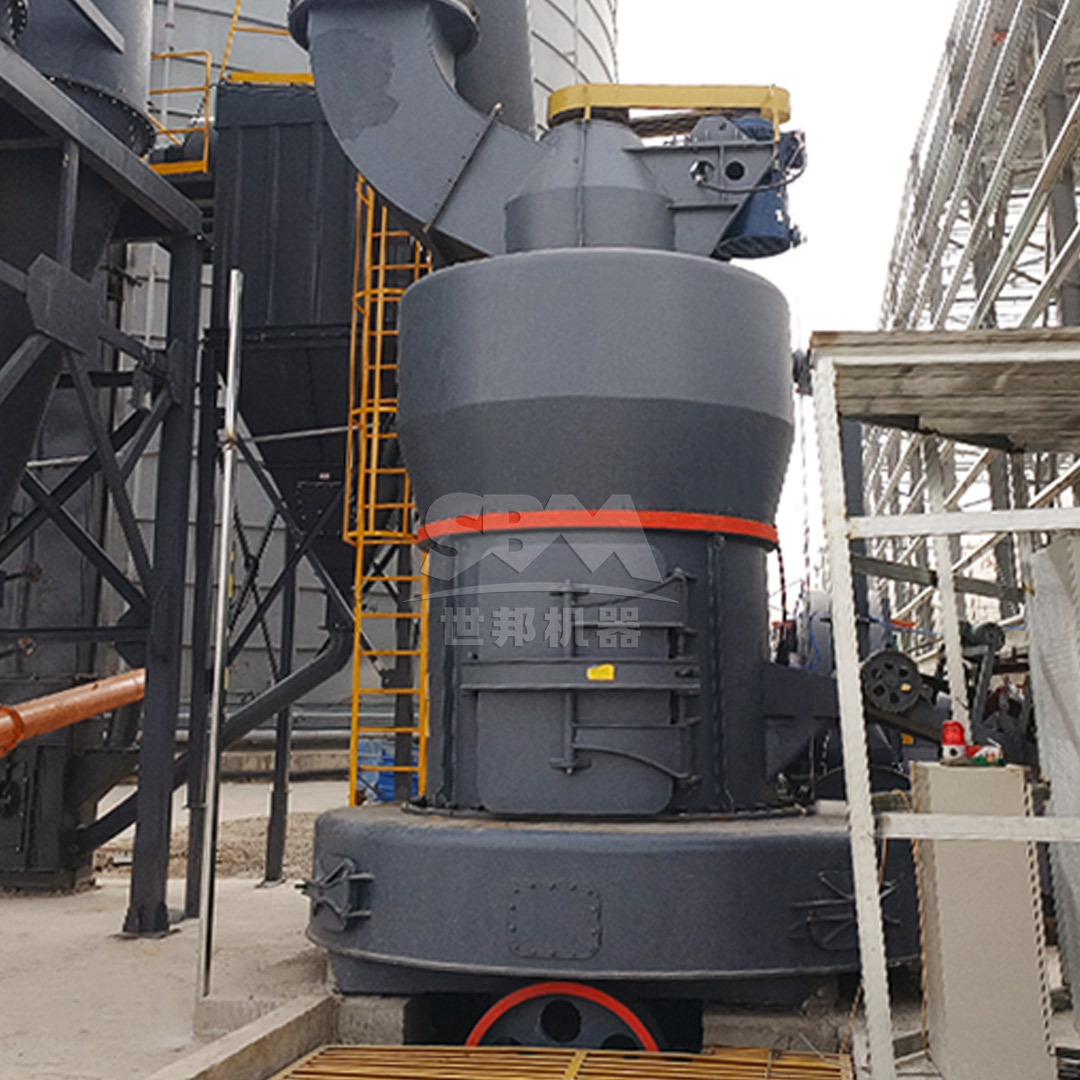
- Body Applications: For porcelain and ceramic tile bodies, a bimodal or broad distribution is often preferred. A typical range might be from 45 microns (325 mesh) down to 10 microns. Coarser fractions (30-100 mesh or 600-150μm) can be used as fillers for certain rustic or technical tiles to reduce shrinkage and cost, while finer fractions ensure good sintering and strength. The MTW Series European Trapezium Mill is exceptionally well-suited for this mid-range grinding, producing consistent powder in the 30-325 mesh (600-45μm) range with high efficiency. Its optimized arc air duct and integral bevel gear drive ensure stable output crucial for body preparation.
- Glaze & Engobe Applications: Here, ultrafine powders are mandatory. Fineness typically required is between 5-45 microns (2500-325 mesh). A tight, narrow distribution is vital to prevent glaze defects like pinholes, crawling, or inconsistent color development. The presence of oversized particles can lead to scratching during polishing or an uneven surface texture.
1.2 Chemical Purity and Composition
Impurities can cause discoloration, reduce thermal stability, and promote unwanted crystalline phases during firing.
- SiO₂ Content: Should typically exceed 99.5% for high-quality porcelain tiles. Even minor impurities like Fe₂O₃ (iron oxide) and TiO₂ (titanium dioxide) must be controlled below 0.05% and 0.02% respectively to avoid yellowing or graying.
- Alkali and Alkaline Earth Metals: Elements like K, Na, Ca, and Mg act as fluxes. Their content must be carefully managed as they lower the melting point and affect the thermal expansion coefficient of the tile.
1.3 Morphology and Surface Area
The shape of quartz particles influences packing and reactivity. Angular particles provide better mechanical interlocking, enhancing green strength before firing. However, overly angular particles can increase slurry viscosity. A high specific surface area (measured by Blaine or BET) indicates finer particles and increases chemical reactivity during firing, which can be desirable but must be balanced with rheological properties.
1.4 Whiteness and Brightness
For white-body porcelain tiles and bright glazes, the natural whiteness of the quartz powder is essential. This is directly linked to its chemical purity, especially low iron content. The powder should have a high Lab* value for brightness.
2. The Technological Challenge: Producing Consistent, High-Quality Quartz Powder
Meeting the above specifications consistently at an industrial scale is a significant engineering challenge. It requires grinding technology that offers not only precise size reduction but also classification efficiency, energy economy, and minimal contamination.
2.1 The Need for Precise Classification
Simple crushing is insufficient. A milling system must integrate an efficient classifier that can accurately “cut” the particle stream, ensuring that only particles within the target size range proceed to collection, while oversize material is recirculated for further grinding. This closed-loop system is key to achieving a narrow PSD.
2.2 Contamination Control
The grinding process itself must not introduce impurities. Wear parts (rollers, rings, liners) must be made from materials harder than quartz to prevent abrasion and metallic contamination. Ceramic or specialized alloy linings are often used.
2.3 Energy Efficiency
Grinding quartz to micron sizes is energy-intensive. Modern mills must maximize the energy transferred to particle-size reduction while minimizing losses to heat, noise, and vibration.
3. Advanced Milling Solutions for Tile-Grade Quartz Production
Selecting the right milling equipment is the cornerstone of producing specification-grade quartz powder. Different stages of tile manufacturing may require different fineness, calling for tailored solutions.
3.1 For Ultrafine Glaze and High-Performance Body Powders (2500-325 mesh / 5-45μm)
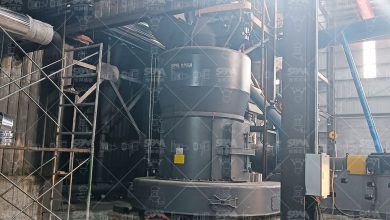
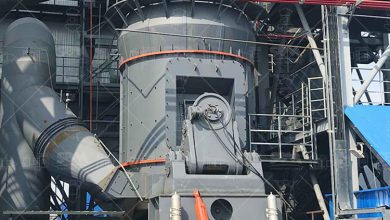
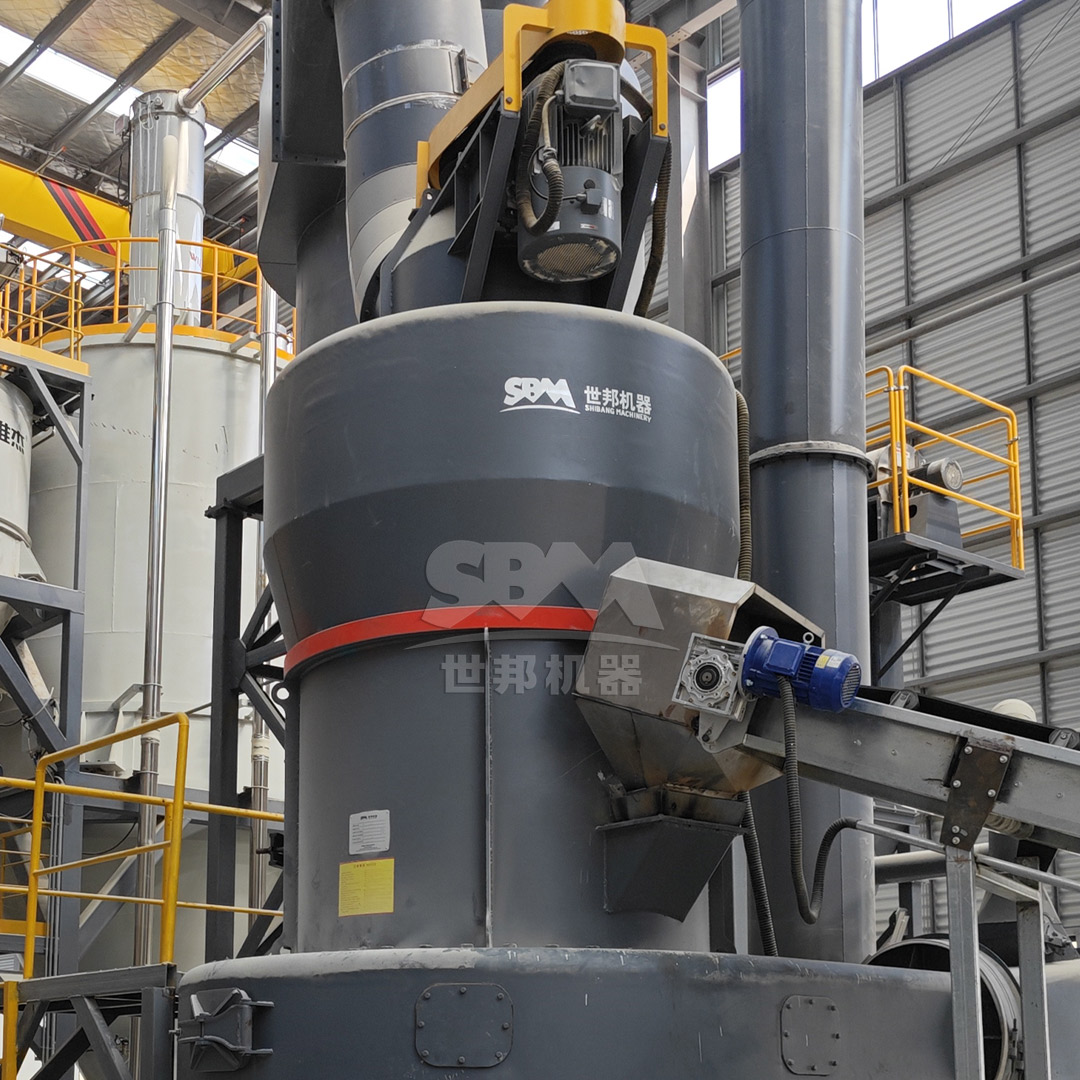
When the application demands the finest, most consistent powder, advanced ultrafine grinding technology is non-negotiable. For this critical task, we highly recommend our flagship SCM Series Ultrafine Mill. Engineered specifically for producing powders in the 325-2500 mesh range, it embodies the technological response to the tile industry’s most stringent demands.
The SCM Mill’s vertical turbine classifier provides unparalleled precision in particle size cutting, eliminating the risk of coarse powder mixing and guaranteeing the uniform fineness required for flawless glazes and high-density bodies. Its high-efficiency design delivers capacity up to 2 times that of traditional jet mills while reducing energy consumption by 30%. Furthermore, its durable construction with special material rollers and rings ensures long service life and prevents contamination, while the integrated pulse dust collection system maintains an eco-friendly operation that exceeds international emission standards. For tile producers aiming for premium quality in their finest compositions, the SCM Series is the definitive solution.
3.2 For High-Capacity Body and Filler Powder Production (325-30 mesh / 45-600μm)
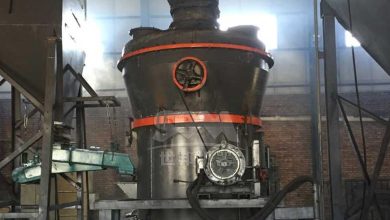
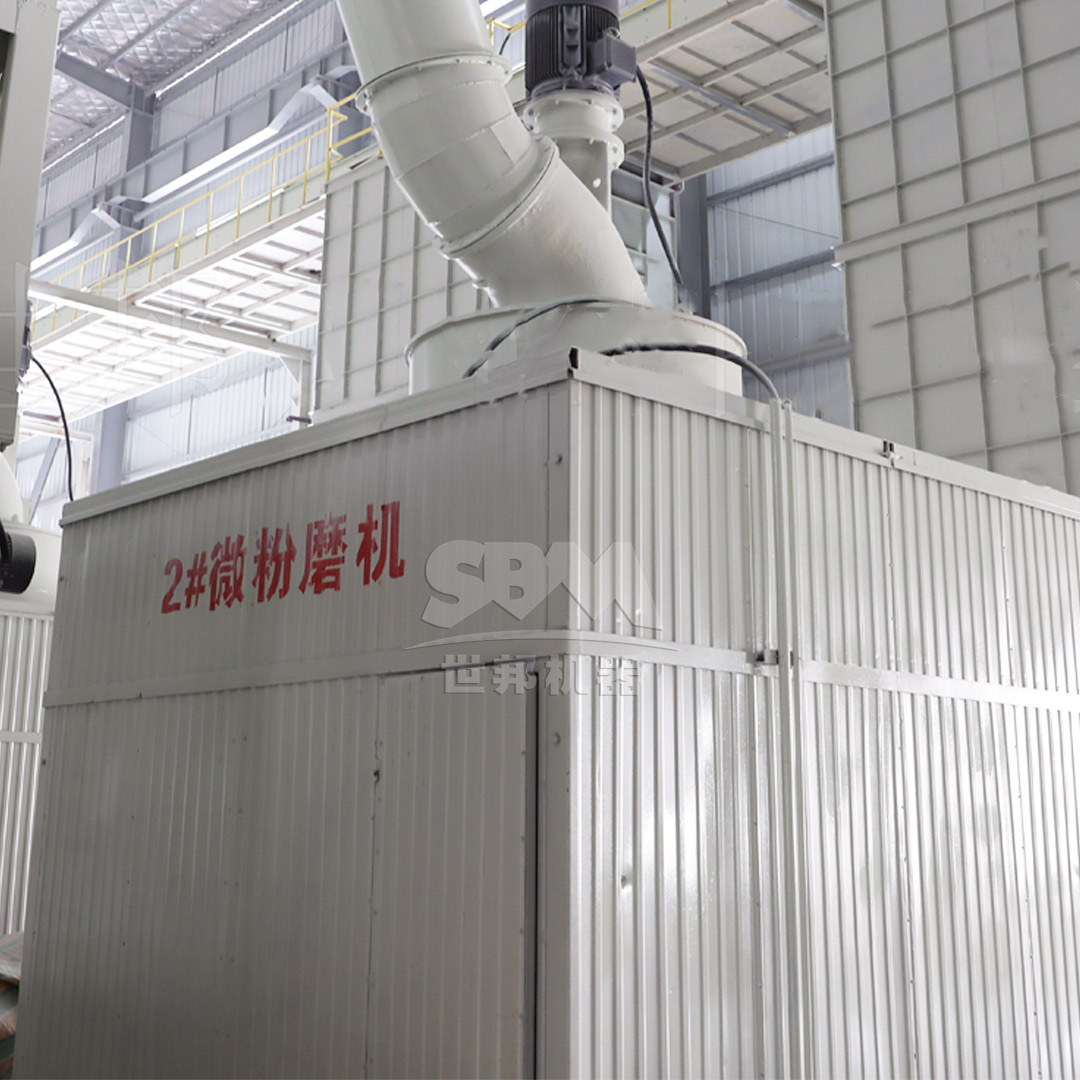
For the bulk production of quartz powder used in tile bodies or as a cost-effective filler, reliability, large capacity, and operational economy are the driving factors. Our MTW Series European Trapezium Mill excels in this domain. Capable of processing feed sizes up to 50mm and delivering outputs from 3 to 45 tons per hour in the 30-325 mesh range, it is a workhorse for large-scale tile manufacturing plants.
Its technical advantages directly address production needs: the anti-wear shovel design and wear-resistant volute structure drastically reduce maintenance costs and downtime. The integral bevel gear drive achieves a remarkable 98% transmission efficiency, saving significant energy. This mill is the ideal choice for producing the consistent, mid-range quartz powder that forms the backbone of most ceramic tile bodies, offering an optimal balance of quality, output, and cost-effectiveness.
4. Conclusion: Integrating Quality from Raw Material to Finished Tile
The requirements for quartz powder in tile manufacturing are multifaceted and exacting, spanning particle size, purity, morphology, and brightness. Achieving these specifications consistently is not merely a matter of having high-purity quartz ore; it is fundamentally dependent on employing state-of-the-art grinding and classification technology. Investing in the right milling equipment—such as the precision-focused SCM Series Ultrafine Mill for glaze applications or the robust, high-capacity MTW Series European Trapezium Mill for body preparation—is an investment in final product quality, production efficiency, and market competitiveness. By mastering the science of quartz powder preparation, tile manufacturers can ensure superior performance, aesthetic appeal, and durability in every tile they produce.