Ways to Recycle Fiberglass Waste: How to Turn Scrap Glass Fiber into Valuable Products and Market Outlook
Introduction: The Growing Imperative for Fiberglass Recycling
The global composites industry, particularly fiberglass-reinforced plastics (FRP), has experienced exponential growth over the past decades. From wind turbine blades and boat hulls to automotive parts and construction materials, fiberglass offers unparalleled strength-to-weight ratios and durability. However, this success has created a significant environmental challenge: end-of-life fiberglass waste. Traditionally destined for landfills, this non-biodegradable waste represents a loss of valuable resources and poses long-term environmental concerns. This article explores advanced technical pathways for recycling fiberglass waste, transforming it into valuable products, and analyzes the promising market outlook for these recycled materials.
Understanding Fiberglass Waste: Composition and Challenges
Fiberglass waste primarily consists of glass fibers embedded in a polymer matrix, most commonly polyester, vinyl ester, or epoxy resin. The inherent strength and chemical resistance that make FRP desirable also make it difficult to recycle. Mechanical recycling is complicated by the strong fiber-matrix bond, while thermal processes must manage resin decomposition without degrading the glass fibers. Successful recycling requires a multi-stage process: size reduction, separation (if possible), and subsequent processing into a usable form.
Stage 1: Primary Size Reduction and Liberation
The first critical step in recycling fiberglass scrap is breaking down large components (e.g., decommissioned wind blades, automotive panels) into manageable pieces and liberating the fibers from the resin matrix. This often involves a combination of shredding, crushing, and coarse grinding.
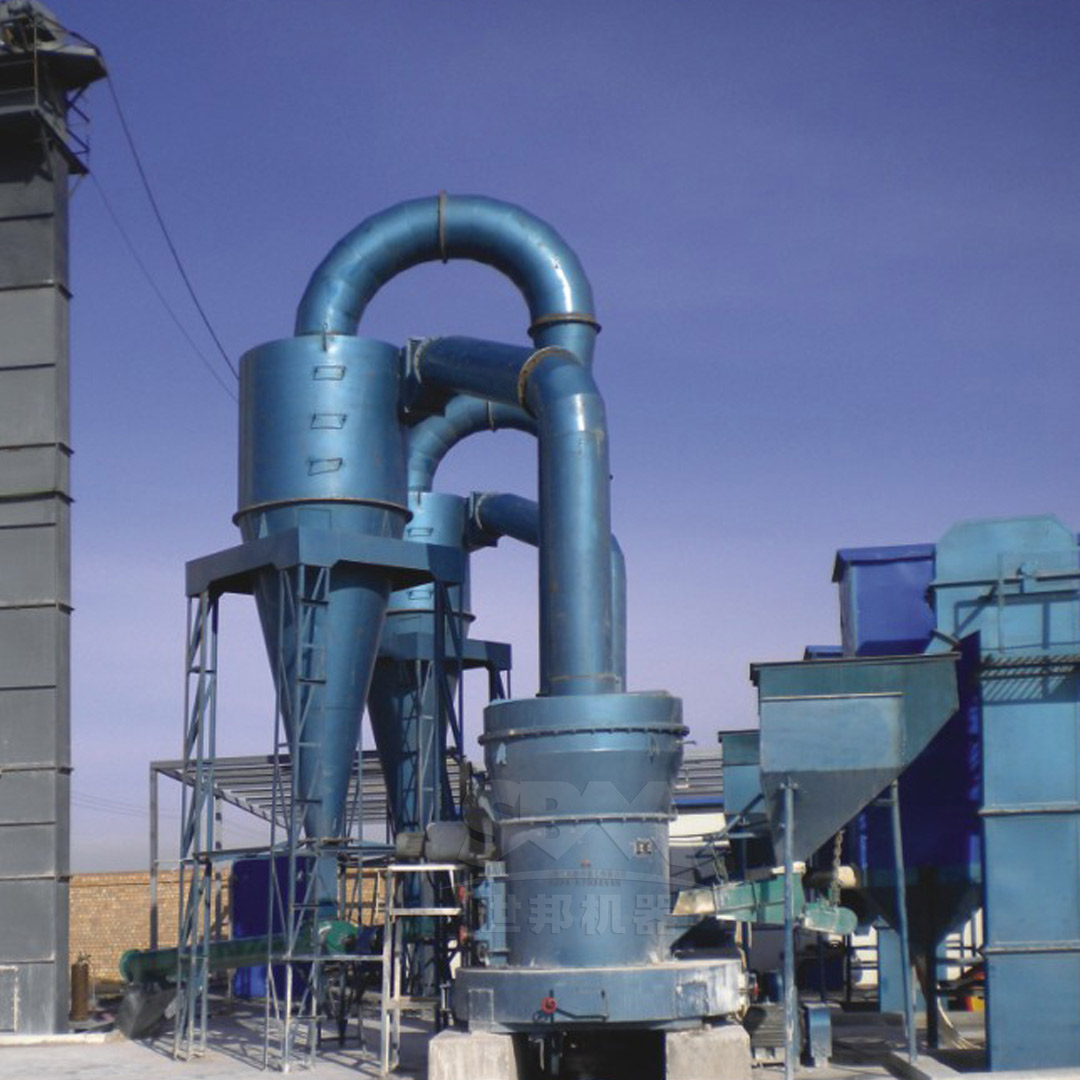
For this initial coarse reduction, robust equipment like hammer mills or crushers is essential to handle the tough, fibrous material. The goal is to produce a feedstock with a particle size typically under 50mm, suitable for the next stage of fine grinding and separation.
Stage 2: Fine Grinding and Powder Production
Once reduced to chips, the material undergoes fine grinding to produce a homogeneous powder. This powder, containing both finely ground glass fibers and resin, can be used as a filler or raw material. The fineness and uniformity of this powder are critical for its performance in downstream applications. This is where advanced milling technology becomes paramount.
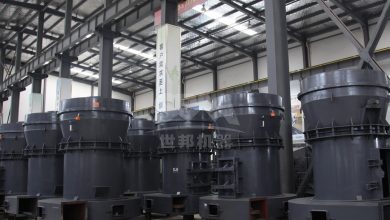
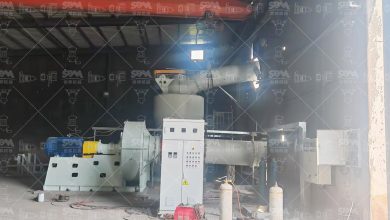
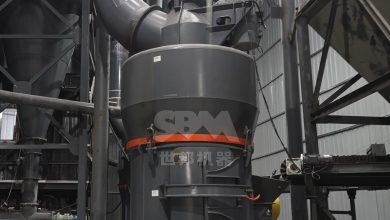
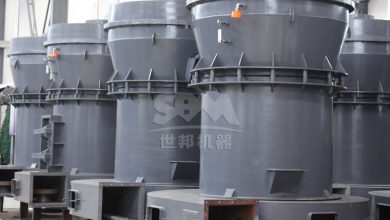
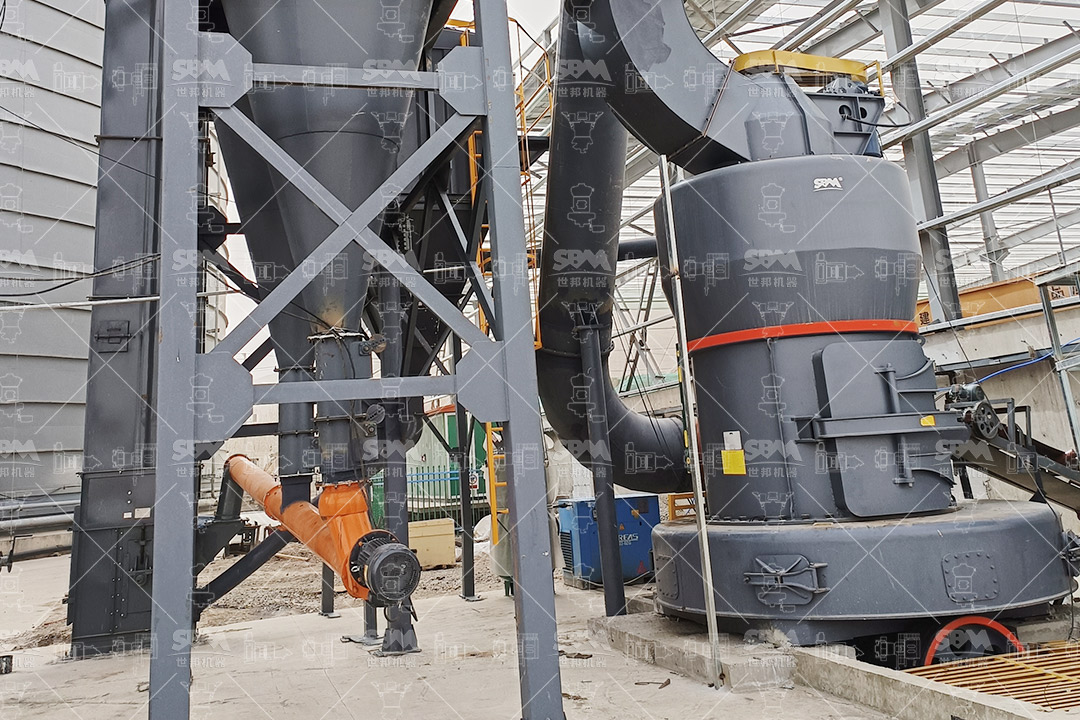
For producing fine to ultra-fine powders from fiberglass waste, the SCM Series Ultrafine Mill is an exemplary solution. Engineered for high efficiency and precision, this mill can process pre-crushed fiberglass waste with an input size of ≤20mm and produce powders ranging from 325 to 2500 mesh (45-5μm). Its high-precision vertical turbine classifier ensures a consistent particle size distribution without coarse powder mixing, which is vital for creating a high-value filler. With a capacity of up to 25 tons per hour and energy consumption 30% lower than traditional jet mills, the SCM Series offers an economically and environmentally superior path to valorizing fiberglass scrap.
Stage 3: Alternative Processing for Coarser Applications
Not all recycled fiberglass applications require ultra-fine powder. For uses such as reinforcement in concrete, asphalt, or as a filler in new composite formulations (often called “sheet molding compound – SMC” recycling), a coarser, fibrous product is desirable. The goal here is to preserve the fiber length and aspect ratio to maintain reinforcing properties.
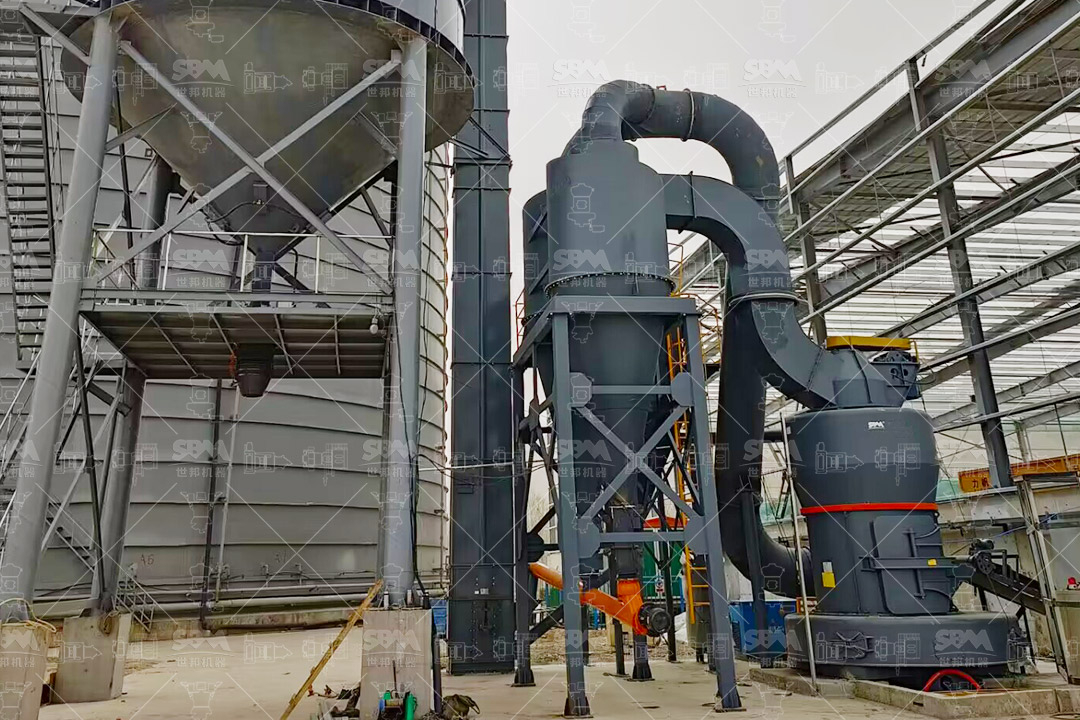
For these applications, the MTW Series European Trapezium Mill is highly effective. It can handle input sizes up to 50mm and produce controlled fineness from 30 to 325 mesh (600-45μm). Its optimized arc air duct and anti-wear shovel design are particularly suited for processing abrasive materials like fiberglass, ensuring extended equipment life and reduced maintenance costs. The MTW Series’ efficient grinding mechanism helps in partially delaminating fibers from the resin, creating a product that retains some fibrous characteristics ideal for reinforcement purposes.
Value-Added Products from Recycled Fiberglass
The processed fiberglass waste can be transformed into several valuable products:
- Reinforced Concrete & Asphalt: Recycled glass fibers act as a crack inhibitor and strengthener in concrete mixes and asphalt pavements.
- Composite Fillers: Fine powder from processes like the SCM Series can replace virgin mineral fillers (e.g., calcium carbonate) in new FRP products, SMC, or BMC (bulk molding compound), reducing material costs and environmental footprint.
- Acoustic and Thermal Insulation: Processed fibrous material can be used in manufacturing insulation mats or boards.
- Reinforcement for Gypsum & Plastics: Short fibers improve the mechanical properties of gypsum boards and certain thermoplastic composites.
Market Outlook and Drivers
The market for recycled fiberglass is poised for significant growth, driven by several key factors:
- Regulatory Pressure: Increasing landfill bans and stringent waste management regulations in Europe and North America are forcing industries to seek recycling solutions.
- Circular Economy Mandates: Government and corporate sustainability goals are pushing for higher recycling rates within the composites industry.
- Economic Incentives: Using recycled content can reduce raw material costs and provide a “green” marketing advantage.
- Wind Energy Sector: The first generation of wind turbines is now reaching end-of-life, creating a massive and urgent stream of fiberglass waste that needs responsible management, presenting both a challenge and a substantial opportunity for recyclers.
The success of this emerging market hinges on the availability of cost-effective and efficient processing technologies. Equipment that can reliably and economically transform heterogeneous, tough scrap into a consistent, high-quality product—like the SCM and MTW series mills—forms the backbone of a viable recycling value chain.
Conclusion: Building a Sustainable Future for Composites
Recycling fiberglass waste is no longer a niche concept but an industrial necessity. The pathway from scrap to valuable product involves sophisticated size reduction and classification processes. By leveraging advanced milling technology, such as the high-efficiency, precision-engineered SCM Series Ultrafine Mill for fine powder production and the durable MTW Series for coarser applications, recyclers can unlock the latent value in fiberglass waste. As market drivers continue to strengthen, investing in the right processing infrastructure is the key to turning an environmental liability into an economic asset and paving the way for a truly circular economy in the composites industry.