Water Magnesium Stone Micro Powder Grinding Mill for Magnesium Hydroxide Production Process
Introduction: The Critical Role of Fine Grinding in Magnesium Hydroxide Production
Magnesium hydroxide (Mg(OH)₂), a versatile and environmentally friendly flame retardant, filler, and neutralizing agent, is primarily produced from natural minerals like brucite or, more commonly, water magnesium stone (hydromagnesite). The production process from raw ore to high-value magnesium hydroxide powder hinges on one critical step: ultrafine grinding. The particle size, particle size distribution (PSD), and specific surface area of the powder directly influence its reactivity, suspension stability, flame retardant efficiency, and overall market value. This article delves into the technical requirements for grinding water magnesium stone and explores optimal milling solutions, with a focus on achieving high efficiency, precise classification, and operational reliability.
The Grinding Challenge: From Water Magnesium Stone to Functional Powder
Water magnesium stone, a hydrated magnesium carbonate mineral, presents specific challenges in comminution. Its Mohs hardness is relatively low (around 3.5-4), but achieving a consistent, ultra-fine product (often required to be below 10μm or even 5μm for premium applications) demands more than simple crushing. The process must:
- Generate a Narrow Particle Size Distribution: A wide PSD can lead to poor packing density, sedimentation in slurries, and inconsistent performance in composite materials.
- Control Particle Morphology: Minimize over-grinding to prevent excessive platelet breakdown, which can affect viscosity and reinforcement properties.
- Ensure Energy Efficiency: Fine grinding is energy-intensive. Optimizing the grinding mechanism and system design is paramount for economic viability.
- Maintain Product Purity: The grinding system must be designed to minimize contamination from wear parts, a crucial factor for high-purity chemical applications.
Core Technologies for Ultrafine Grinding: A Comparative Analysis
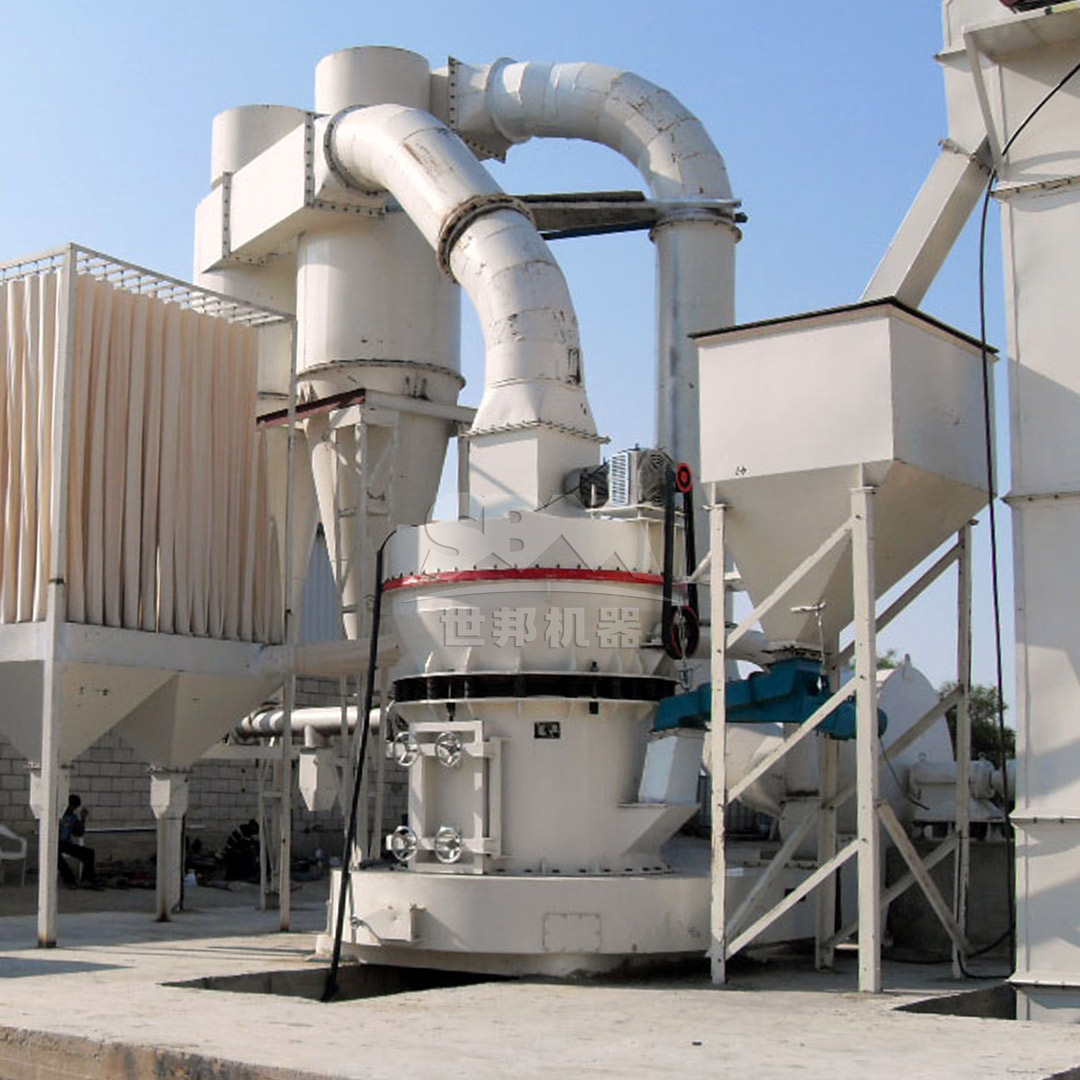
Several milling technologies are employed in mineral processing. For water magnesium stone targeting the magnesium hydroxide market, the choice narrows to systems capable of dry grinding with integrated high-efficiency classification.
1. Vertical Roller Mill (VRM) Technology
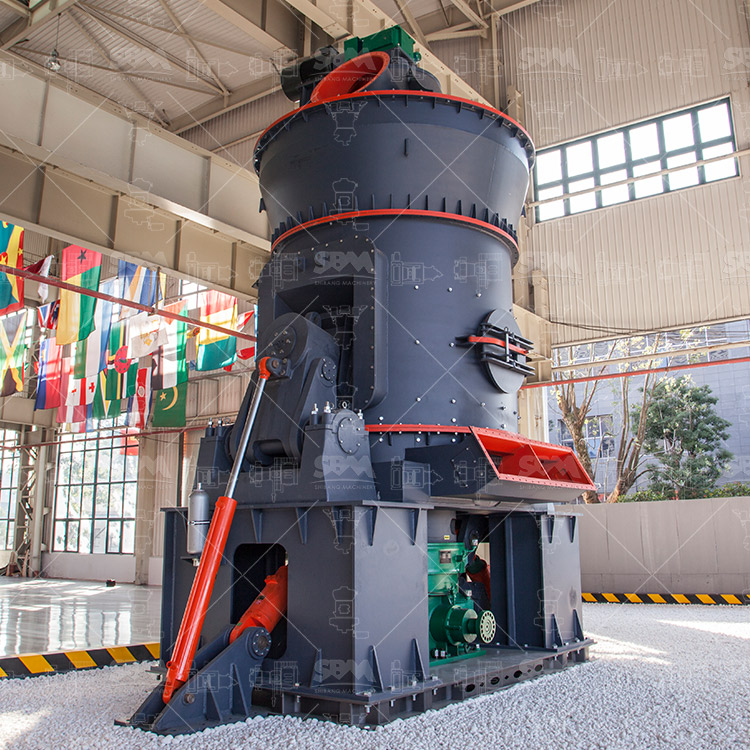
VRMs are renowned for their integrated drying, grinding, and classifying capabilities. Material is ground between rollers and a rotating table. Their high grinding efficiency and lower specific energy consumption compared to traditional ball mills make them suitable for medium-fineness production (30-325 mesh). For operations requiring a primary grind before further processing or for producing coarser filler grades, a VRM is an excellent choice.
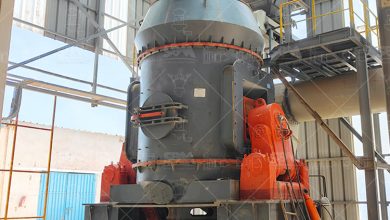
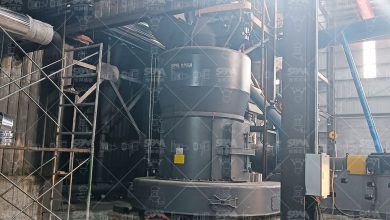
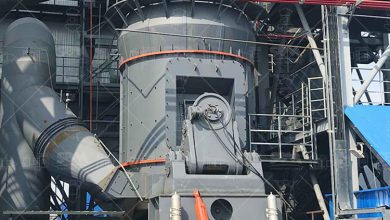
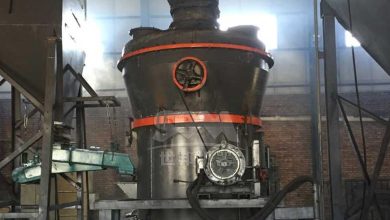
Recommended Solution: Our LM Series Vertical Roller Mill is engineered for such applications. Its integrated design reduces floor space by 50% and infrastructure costs by 40%. The non-contact design between rollers and the grinding table, coupled with wear-resistant materials, extends component life significantly while keeping energy consumption 30-40% lower than ball mill systems. With an output fineness range of 30-325 mesh (extendable to 600 mesh) and capacities from 3 to 250 tons per hour, it offers a robust and efficient solution for large-scale water magnesium stone processing.
2. Ultrafine Ring-Roller Grinding Mill Technology
For producing the finest powders (325-2500 mesh or 45-5μm) required for high-performance magnesium hydroxide, ring-roller mills with dynamic classifiers are the industry benchmark. These mills utilize multiple grinding rings and rollers to apply layered grinding pressure. The key differentiator is the integrated high-precision turbine classifier, which ensures only particles meeting the target fineness leave the grinding chamber, while coarse particles are recirculated. This results in a remarkably narrow PSD and superior product uniformity.
Recommended Solution: Our flagship SCM Series Ultrafine Mill is specifically designed for this high-end application. It excels in grinding water magnesium stone to the micron and sub-micron levels. Its vertical turbine classifier achieves precise particle size cutting, eliminating coarse powder mixing. The mill operates with high efficiency, offering capacity twice that of jet mills while consuming 30% less energy. With models ranging from the SCM800 (0.5-4.5 t/h) to the SCM1680 (5.0-25 t/h), it can be tailored to various production scales. The fully enclosed negative pressure system and pulse dust collection ensure an environmentally clean operation, which is critical for chemical-grade powder production.
Optimizing the Magnesium Hydroxide Production Line
A complete production line often involves a multi-stage size reduction approach:
- Primary Crushing: Large water magnesium stone blocks are reduced to ≤50mm using a jaw crusher.
- Intermediate Grinding (Optional): For feed preparation for an ultrafine mill, a secondary crusher or a mill like the MTW Series European Trapezium Mill can be used to produce a 1-10mm feed. The MTW series, with its anti-wear shovel design and integral bevel gear drive (98% transmission efficiency), is a reliable and cost-effective choice for this stage, producing powders from 30-325 mesh if used as a standalone unit for coarser products.
- Ultrafine Grinding & Classification: The pre-ground material is fed into the SCM Ultrafine Mill. Here, the final product fineness is meticulously controlled. The intelligent control system with automatic granularity feedback allows for stable, consistent output quality.
- Collection & Packaging: The fine powder is collected by a high-efficiency cyclone and a pulse bag filter, ensuring a dust-free working environment and maximal product recovery.
Conclusion: Selecting the Right Partner for Grinding Success
The transformation of water magnesium stone into high-value magnesium hydroxide is a precision engineering task. The selection of the grinding mill is not merely an equipment purchase but a strategic decision impacting product quality, operational cost, and plant profitability. Whether the requirement is for high-volume, medium-fineness powder or ultra-fine, high-purity specialty chemicals, matching the ore characteristics and target product specifications with the appropriate grinding technology is essential.
Our portfolio, from the high-capacity LM Vertical Roller Mill to the precision-focused SCM Series Ultrafine Mill, provides tailored solutions for every stage of the magnesium hydroxide production process. By leveraging advanced design principles—such as high-precision classification, wear-resistant components, and intelligent control systems—we ensure our clients achieve optimal grinding efficiency, superior product quality, and a strong return on investment in the competitive magnesium compounds market.