Water Magnesium Stone Flame Retardant: Production Process, Equipment Selection, and Application Guide
Introduction
Water magnesium stone, a naturally occurring mineral primarily composed of magnesium hydroxide (Mg(OH)2), has emerged as a premier eco-friendly and halogen-free flame retardant. Its mechanism of action involves endothermic decomposition into magnesium oxide and water vapor upon exposure to fire, effectively diluting flammable gases, absorbing heat, and forming a protective char layer. This article provides a comprehensive guide to the production process of water magnesium stone flame retardant, critical considerations for equipment selection, and its application across various industries. The efficiency and quality of the final product are heavily dependent on the precision and capability of the grinding and classification equipment used in its processing.
1. Production Process Overview
The transformation of raw water magnesium stone ore into a high-performance flame retardant involves several key stages, each crucial for determining the final product’s efficacy.
1.1 Raw Material Selection and Pre-treatment
High-purity water magnesium stone ore is selected based on its Mg(OH)2 content, which should typically exceed 85%. The raw ore undergoes initial processes including crushing, washing to remove impurities, and drying. The pre-crushed material, usually reduced to a size below 50mm, is prepared for the core grinding stage.
1.2 Core Processing: Grinding and Surface Modification
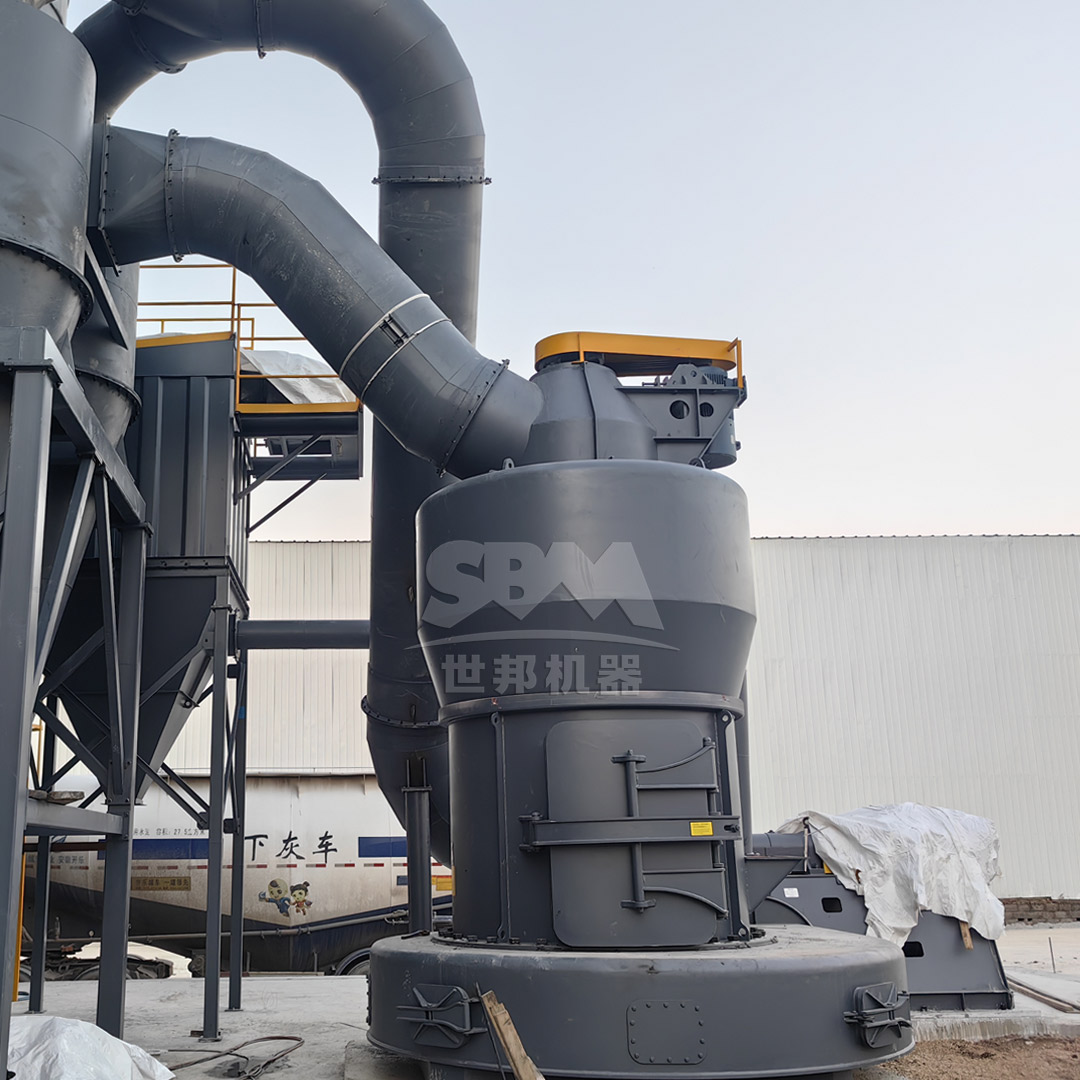
This is the most critical phase. The pre-treated ore is fed into specialized milling equipment to achieve the target particle size distribution (PSD). For flame retardant applications, a fine and uniformly controlled particle size is essential—typically ranging from a coarse 30 mesh (600μm) for certain composites down to an ultrafine 2500 mesh (5μm) for high-performance polymers. Finer particles offer greater surface area, leading to more efficient flame suppression and better dispersion within the polymer matrix. Following grinding, the powder often undergoes surface modification using coupling agents (e.g., silanes, fatty acids) to improve compatibility with organic polymers, enhance dispersion, and increase the flame retardant’s loading capacity without compromising mechanical properties.
1.3 Classification, Collection, and Packaging
The ground powder is pneumatically transported to a high-efficiency classifier which separates particles based on size. Oversized particles are returned for further grinding, ensuring a consistent PSD. The qualified fine powder is then collected using cyclone separators and baghouse filter systems. The final product is tested for fineness, moisture content, and chemical composition before being packaged.
2. Critical Equipment Selection for Grinding
The choice of grinding mill is paramount, as it directly impacts production capacity, energy consumption, particle size control, and overall product quality. Different stages and fineness requirements call for different technologies.
2.1 For Coarse to Medium Fineness (30-325 Mesh / 600-45μm)
When the target is a relatively coarse powder for applications like putties or certain construction materials, robust and high-capacity mills are ideal.
Recommended Equipment: MTW Series European Trapezium Mill
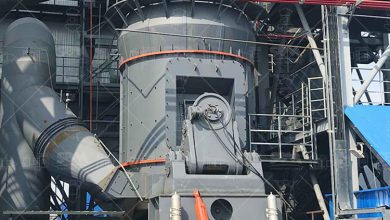
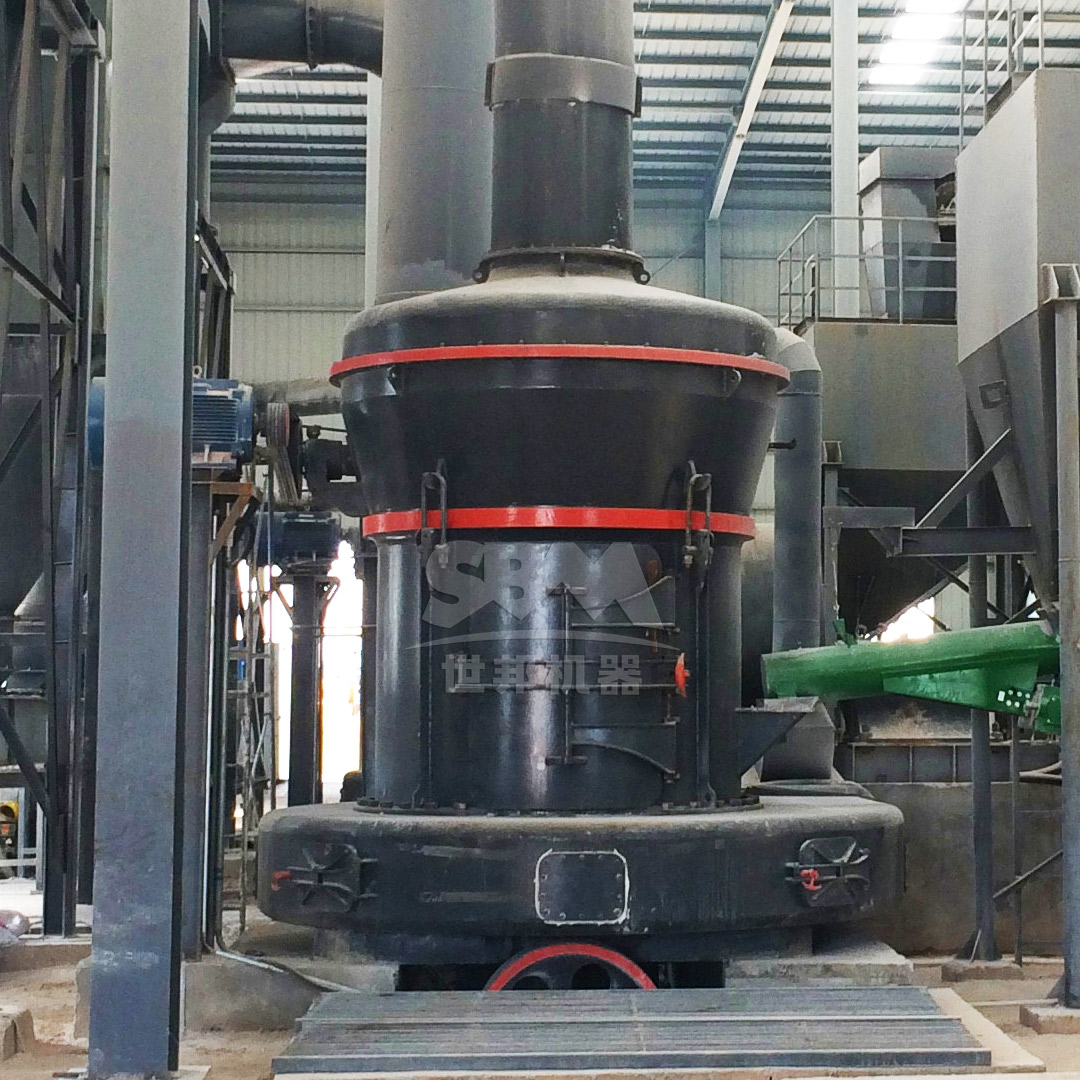
Our MTW Series European Trapezium Mill is exceptionally suited for this range. Its advantages include an anti-wear shovel design and combined shovel blades that significantly reduce maintenance costs when processing abrasive minerals like water magnesium stone. The optimized arc air duct minimizes energy loss, while the integral bevel gear drive ensures transmission efficiency up to 98%. For a production line targeting 15-45 tons per hour of 200-mesh powder, the MTW215G model, with a main power of 280kW and handling feed sizes up to 50mm, provides a perfect balance of high output, reliability, and energy efficiency.
2.2 For Ultrafine Fineness (325-2500 Mesh / 45-5μm)
Producing ultrafine water magnesium stone powder for engineering plastics or thin-film applications demands precision grinding and classification technology.
Recommended Equipment: SCM Series Ultrafine Mill
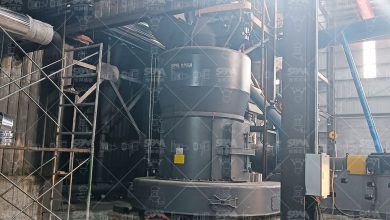
For achieving the demanding fineness of 2500 mesh (5μm), our SCM Series Ultrafine Mill is the industry benchmark. It excels with its high-precision vertical turbine classifier that ensures sharp particle size cuts and eliminates coarse powder mixing, guaranteeing a uniform product. The mill operates with high efficiency and energy savings, offering capacity twice that of jet mills while consuming 30% less energy. Its durable design, featuring special material rollers and rings, withstands the abrasive nature of the mineral. The fully eco-friendly system with pulse dust collection makes it a clean operation. A model like the SCM1250, capable of producing 2.5-14 t/h within the 325-2500 mesh range, is an excellent choice for establishing a high-grade flame retardant production line.
2.3 For Large-Scale Integrated Grinding (30-325 Mesh)
For mega-projects requiring immense throughput with low operating costs, vertical roller mills offer an integrated solution.
Consideration: LM Series Vertical Roller Mill
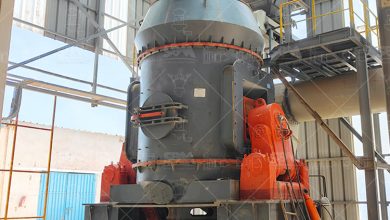
Our LM Series Vertical Roller Mill is designed for large-scale production. Its integrated design combines crushing, grinding, drying, and classification in one unit, reducing floor space by 50%. It boasts low operating costs due to a non-contact grinding design and energy consumption 30-40% lower than traditional ball mill systems. For a plant aiming for 100+ ton/hour output of 200-mesh powder, the LM220K model would be a formidable and economical solution.
3. Application Guide for Water Magnesium Stone Flame Retardant
The processed powder finds application in diverse fields, with the required fineness varying per use case.
- Wire & Cable: Ultrafine grades (e.g., 1250 mesh) are used in polymer jacketing (EVA, PE) to provide smoke suppression and non-toxic fire resistance.
- Polymer Composites: Used in polypropylene (PP), polyethylene (PE), and ethylene-vinyl acetate (EVA) for appliances, automotive parts, and construction profiles. Medium fineness (400-800 mesh) is common.
- Construction Materials: Incorporated into fire-resistant boards, sealants, and coatings. Coarser grades (100-325 mesh) can be effective here.
- Rubber Products: Added to rubber compounds for conveyor belts, hoses, and gaskets requiring flame retardancy.
4. Conclusion
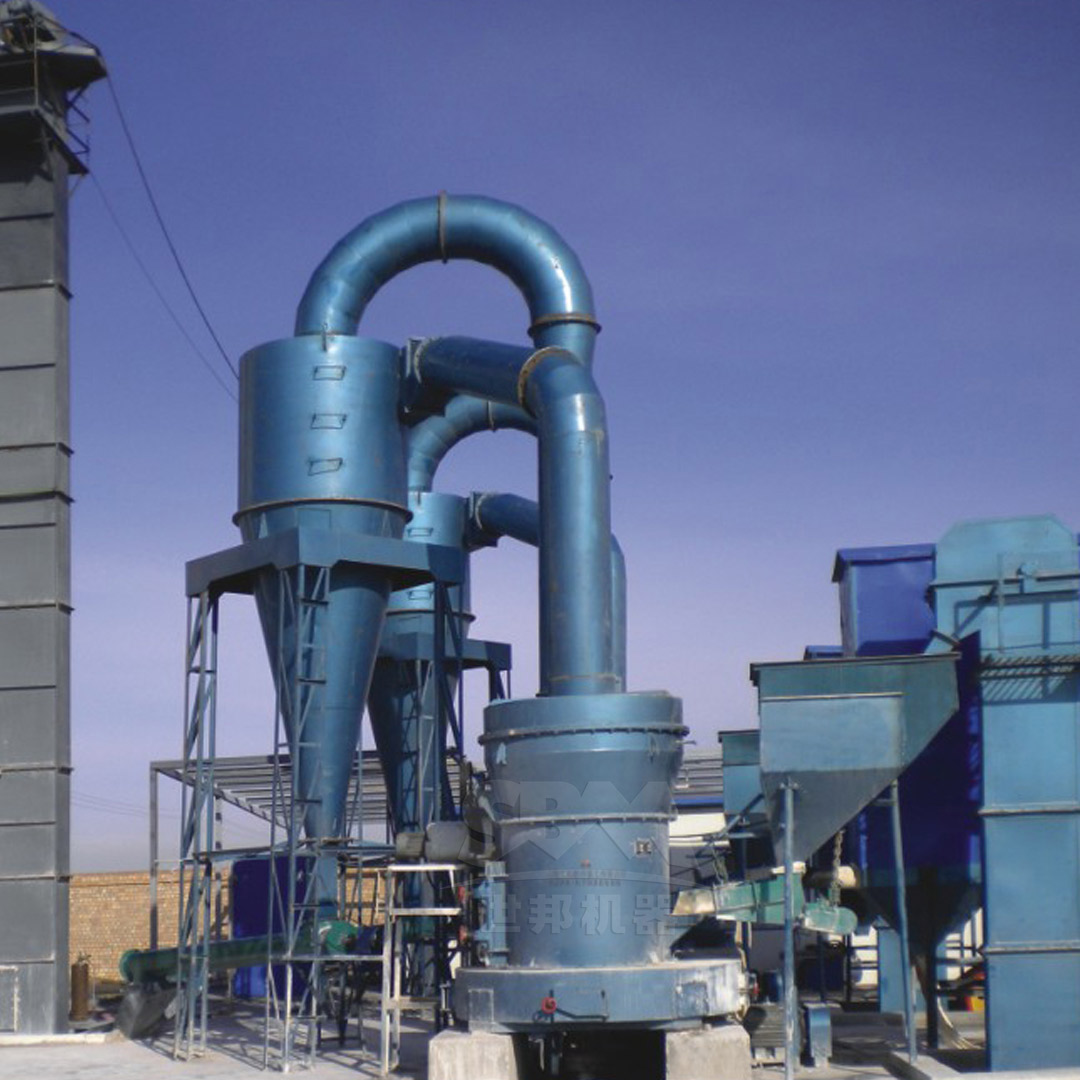
The successful production of high-quality water magnesium stone flame retardant hinges on a well-designed process and, most critically, the selection of appropriate grinding technology. From the high-capacity grinding of the MTW Series for coarse-to-medium powders to the precision ultrafine processing of the SCM Series, selecting the right mill defines product performance and production economics. By understanding the synergy between mineral properties, process requirements, and advanced milling equipment, producers can optimize their operations to meet the growing global demand for effective, environmentally benign flame retardant solutions.