Vertical Roller Mill vs Ball Mill: Which Is Better for Slag Grinding?
Introduction
The grinding of granulated blast furnace slag (GBFS) presents unique challenges in the cement and construction industries. With the growing emphasis on sustainable construction materials, slag has become a valuable supplementary cementitious material. However, its hard and abrasive nature demands robust and efficient grinding solutions. The debate between Vertical Roller Mills (VRM) and Ball Mills for slag grinding has been ongoing for decades, with each technology offering distinct advantages. This comprehensive analysis examines both technologies from technical, economic, and operational perspectives to determine the optimal solution for modern slag grinding applications.
Understanding Slag Characteristics
Granulated blast furnace slag is a byproduct of iron production that, when properly ground, exhibits excellent cementitious properties. However, its physical characteristics present significant grinding challenges:
- High Hardness: Slag typically has a Bond Work Index of 18-23 kWh/t, making it harder than most cement clinkers
- Abrasive Nature: The presence of glassy phases and crystalline compounds causes significant wear on grinding components
- Moisture Sensitivity: Slag often contains residual moisture that can affect grinding efficiency and material flow
- Specific Surface Area Requirements: Optimal performance requires grinding to 400-500 m²/kg Blaine surface area
Ball Mill Technology for Slag Grinding
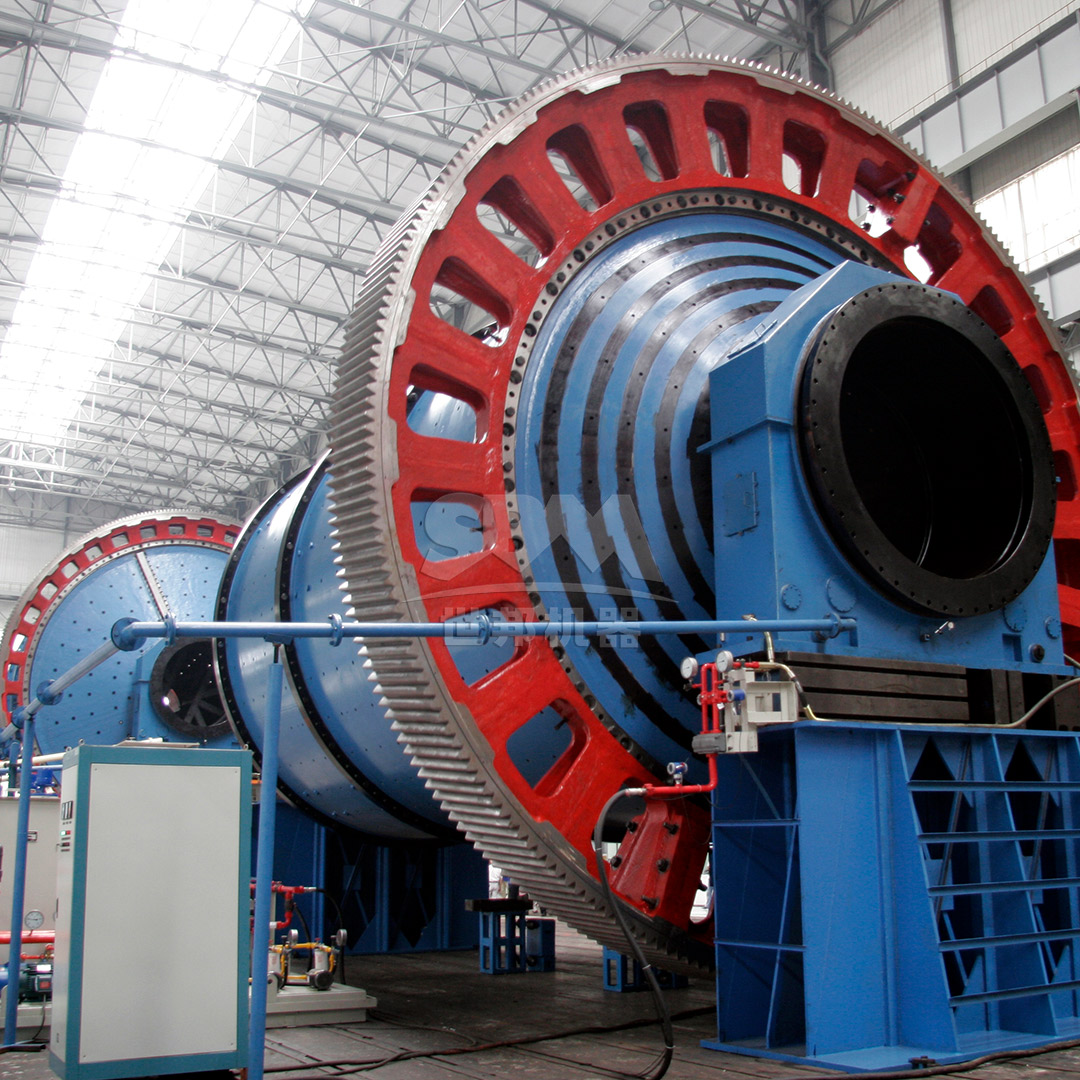
Ball mills have been the traditional workhorse for slag grinding for many decades. These rotating cylindrical mills use steel balls as grinding media to reduce particle size through impact and attrition.
Technical Operation
In a ball mill system, material enters through a hollow trunnion and is ground between the cascading balls. The grinding process occurs in multiple chambers with different sized grinding media – larger balls for coarse grinding in the first chamber and smaller balls for fine grinding in subsequent chambers. The ground material exits through discharge grates, with air separators typically employed in closed-circuit systems to ensure proper product fineness.
Advantages of Ball Mills for Slag
- Proven Technology: Extensive operational experience and well-understood maintenance requirements
- Robust Construction: Simple design with high reliability and long service life
- Flexibility: Can handle variations in feed material characteristics and moisture content
- Wide Product Range: Capable of producing various fineness levels without major modifications
Limitations of Ball Mills
- High Energy Consumption: Typically 40-50 kWh/t for slag grinding, significantly higher than VRM systems
- Large Footprint: Requires substantial space for the mill itself and auxiliary equipment
- High Wear Rates: Grinding media consumption can reach 500-800 g/t of slag produced
- Noise and Vibration: Generates significant operational noise, often exceeding 100 dB
- Limited Drying Capacity: Requires separate drying systems for moist slag materials
- Energy Efficiency: Typically 30-40% lower specific energy consumption compared to ball mills
- Compact Design: Significantly smaller footprint than equivalent capacity ball mills
- Integrated Drying: Can handle slag with moisture content up to 15-20% without pre-drying
- Lower Wear Rates: Specific wear rates typically 5-15 g/t compared to 500-800 g/t for ball mills
- Reduced Noise: Operating noise levels typically below 85 dB
- Higher Capital Cost: Initial investment can be 15-25% higher than equivalent ball mills
- Operational Complexity: Requires more sophisticated control systems and operator expertise
- Sensitivity to Feed Variations: Performance can be affected by significant changes in material characteristics
- Maintenance Requirements: Specialized maintenance procedures for roller and table wear surfaces
- High Efficiency Grinding: Advanced grinding geometry and optimized pressure between rollers and table ensure maximum grinding efficiency with minimal energy consumption
- Enhanced Wear Protection: Special hardfacing materials and innovative design extend the service life of wear parts, with specific wear rates below 10 g/t
- Integrated Drying System: Handles slag with moisture content up to 15% without requiring separate drying equipment
- Intelligent Control System: Advanced automation ensures stable operation and optimal performance under varying conditions
- Compact Design: Reduces footprint requirements by up to 50% compared to ball mill systems
- LM130N: Capacity 4-6 t/h, Power 200-250 kW
- LM150N: Capacity 6-8 t/h, Power 280-315 kW
- LM170N: Capacity 8-10 t/h, Power 400-450 kW
- LM190N: Capacity 10-12 t/h, Power 500-560 kW
- LM220N: Capacity 20-26 t/h, Power 900-1000 kW
- LM280N: Capacity 50-60 t/h, Power 1800-2000 kW
- LM370N: Capacity 90-110 t/h, Power 3150-3300 kW
- Curved Air Channel Design: Reduces energy loss and improves material transport efficiency
- Integrated Cone Gear Transmission: Achieves 98% transmission efficiency with compact design
- Wear-Resistant Components: Specially designed grinding rolls and rings withstand abrasive materials
- Environmental Compliance: Advanced dust collection system ensures emissions meet international standards
- Specific Energy Consumption: 32 kWh/t (compared to 48 kWh/t with their previous ball mill)
- Product Quality: Consistent 450 m²/kg Blaine fineness with narrow particle size distribution
- Availability: 94% operational availability in the first year
- Wear Part Life: Rollers and table segments achieved 8,000 operating hours before requiring maintenance
- Environmental Performance: Dust emissions maintained below 10 mg/Nm³, well below regulatory limits
- Hybrid Systems: Combinations of VRM for pre-grinding and ball mills for finish grinding to optimize efficiency and product quality
- Advanced Control Systems: Implementation of artificial intelligence and machine learning for predictive maintenance and optimization
- Wear Resistance Innovations: Development of new materials and surface treatments to further extend component life
- Carbon Capture Readiness: Design considerations for future integration with carbon capture technologies
Vertical Roller Mill Technology for Slag Grinding
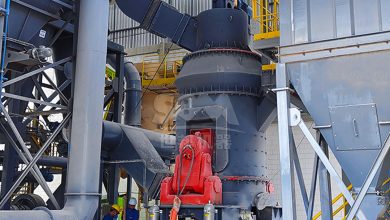
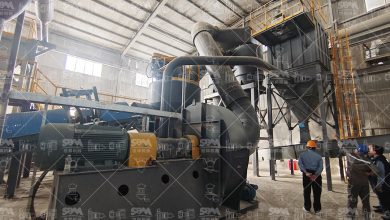
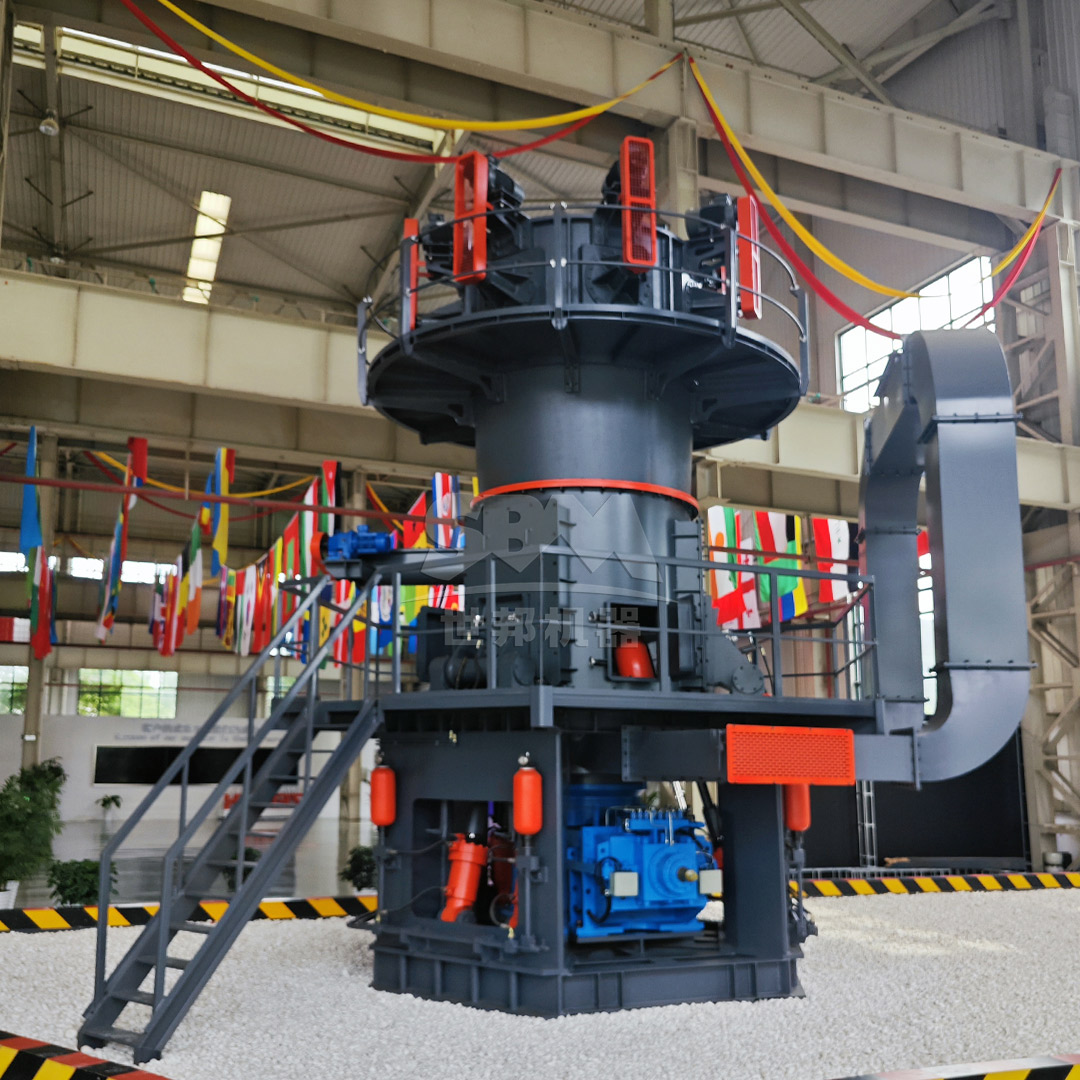
Vertical Roller Mills represent modern grinding technology that has gained significant market share in slag grinding applications over the past two decades. These mills utilize a bed compression principle where material is ground between a rotating table and rollers.
Technical Operation
In a VRM system, material is fed onto the rotating grinding table and is ground between the table and rollers. The ground material is transported by air to a dynamic separator where fine product is extracted while coarse material returns to the grinding table. The integrated drying capability allows simultaneous grinding and drying of moist materials.
Advantages of VRM for Slag
Limitations of VRM
Technical Comparison: VRM vs Ball Mill for Slag
Energy Consumption Analysis
The energy efficiency advantage of VRM technology is particularly pronounced in slag grinding applications. While ball mills typically consume 40-50 kWh/t, modern VRM systems achieve 25-35 kWh/t for similar product quality. This represents energy savings of 30-40%, translating to significant operational cost reduction, especially considering electricity typically constitutes 40-60% of total grinding costs.
Product Quality Considerations
Both technologies can produce slag cement meeting international standards, but there are subtle differences in product characteristics. VRM-produced slag tends to have a narrower particle size distribution and different particle morphology, which can influence early strength development. Ball mill products often show broader size distribution but may achieve slightly higher ultimate strength in some applications.
Operational Flexibility
Ball mills offer greater flexibility in handling variations in feed material characteristics and can be more easily adjusted for different product specifications. VRM systems, while more sensitive to feed variations, provide superior control over product fineness and better response to changes in operating parameters through advanced control systems.
Economic Analysis
Capital Investment
Ball mill systems generally have lower initial equipment costs but require more extensive civil works, larger buildings, and additional equipment for drying. VRM systems have higher equipment costs but significantly reduced civil and structural requirements. The total installed cost difference has narrowed in recent years, with VRM often becoming competitive when considering the complete system.
Operating Costs
The operating cost advantage clearly favors VRM technology. With 30-40% lower energy consumption, reduced wear part costs, and lower maintenance requirements, VRM systems typically achieve 20-30% lower operating costs compared to ball mills. For a medium-sized slag grinding plant producing 500,000 t/year, this can translate to annual savings exceeding $1 million.
Environmental Considerations
VRM technology offers several environmental advantages for slag grinding applications. The lower energy consumption directly reduces CO2 emissions associated with electricity generation. Additionally, VRM systems operate with full enclosure and negative pressure, minimizing dust emissions. Noise levels are significantly lower, contributing to better working conditions and reduced environmental impact.
Recommended Solution: LM Series Vertical Slag Mill
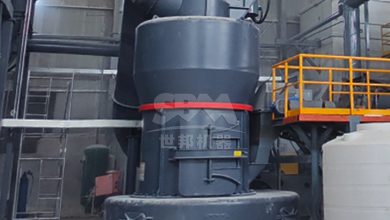
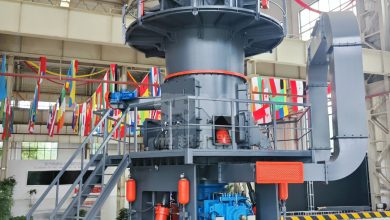
For modern slag grinding applications, our LM Series Vertical Slag Mill represents the optimal technological solution. Specifically engineered for the challenges of slag grinding, this mill combines the energy efficiency of VRM technology with enhancements to address slag’s abrasive characteristics.
Key Features and Advantages
Technical Specifications
The LM Series includes multiple models to match specific production requirements:
All models achieve product quality with specific surface area ≥420 m²/kg and output moisture ≤1%, meeting the most stringent requirements for slag cement production.
Alternative Solution: MTW Series Trapezium Mill
For operations requiring flexibility across multiple materials or smaller production scales, our MTW Series Trapezium Mill offers an excellent balance of performance and versatility. While not specifically designed for slag like the LM Series, the MTW mill handles slag effectively with output fineness of 30-325 mesh (600-45μm) and capacities from 3-45 tons per hour depending on model selection.
Key Advantages for Slag Applications
Case Study: VRM Implementation Success
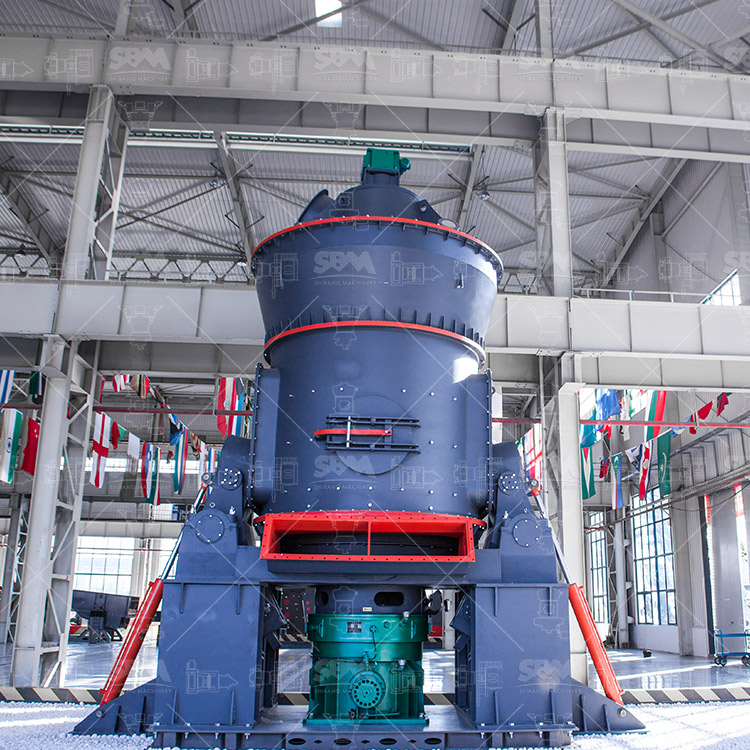
A recent installation of our LM220N Vertical Slag Mill at a major steel producer demonstrates the technology’s capabilities. The mill processes 240,000 t/year of granulated blast furnace slag with the following performance metrics:
Future Trends in Slag Grinding Technology
The evolution of slag grinding technology continues with several emerging trends:
Conclusion
The comparison between Vertical Roller Mills and Ball Mills for slag grinding clearly demonstrates VRM’s superiority in most modern applications. While ball mills retain advantages in specific circumstances requiring extreme flexibility or dealing with highly variable feed materials, VRM technology offers compelling benefits in energy efficiency, operational costs, environmental performance, and space requirements.
Our LM Series Vertical Slag Mill represents the current state-of-the-art in slag grinding technology, specifically engineered to address the unique challenges of grinding granulated blast furnace slag. With demonstrated energy savings of 30-40% compared to ball mills, superior product quality control, and significantly reduced environmental impact, the LM Series provides the optimal solution for new slag grinding installations and modernization projects.
For operations requiring additional flexibility or working with multiple materials, the MTW Series Trapezium Mill offers excellent performance with the versatility to handle various mineral grinding applications beyond slag. Both technologies represent our commitment to providing efficient, sustainable grinding solutions that meet the evolving needs of the cement and construction industries.