Vertical Mill vs. Impact Mill for Silica Powder Plant: Key Equipment Comparison
Introduction
The selection of the optimal grinding equipment is a critical decision in the design and operation of a silica powder plant. Silica, or silicon dioxide (SiO₂), is a hard, abrasive material whose processing demands machinery that balances high efficiency, precise particle size control, and operational economy. Two prominent categories of equipment often considered are Vertical Roller Mills (VRMs) and Impact Mills (often represented by Hammer Mills). This article provides a detailed, professional comparison of these two technologies, focusing on their suitability for silica powder production across various fineness ranges and capacities.
Fundamental Operating Principles
Vertical Roller Mill (VRM)
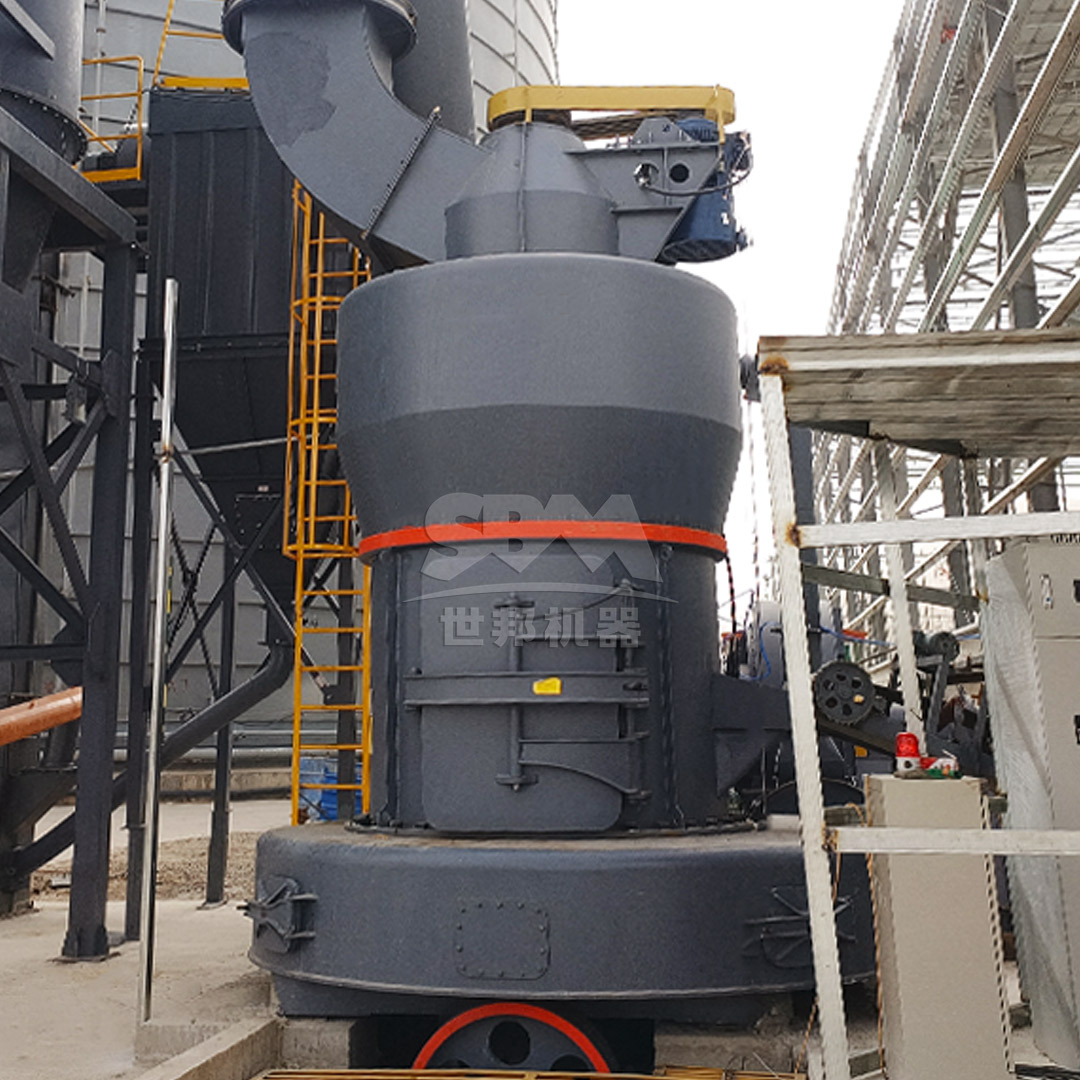
A Vertical Roller Mill operates on the principle of bed compression grinding. Material is fed onto a rotating grinding table (or pan). Centrifugal force spreads it under two or more hydraulically or spring-loaded grinding rollers. The rollers exert high pressure on the material bed, crushing and grinding it against the table. A stream of hot gas (or air) flows upward through the mill, drying the material and carrying the fine particles to an integrated or external classifier. Coarse particles are rejected by the classifier and fall back onto the grinding table for further size reduction.
Impact Mill (Hammer Mill)
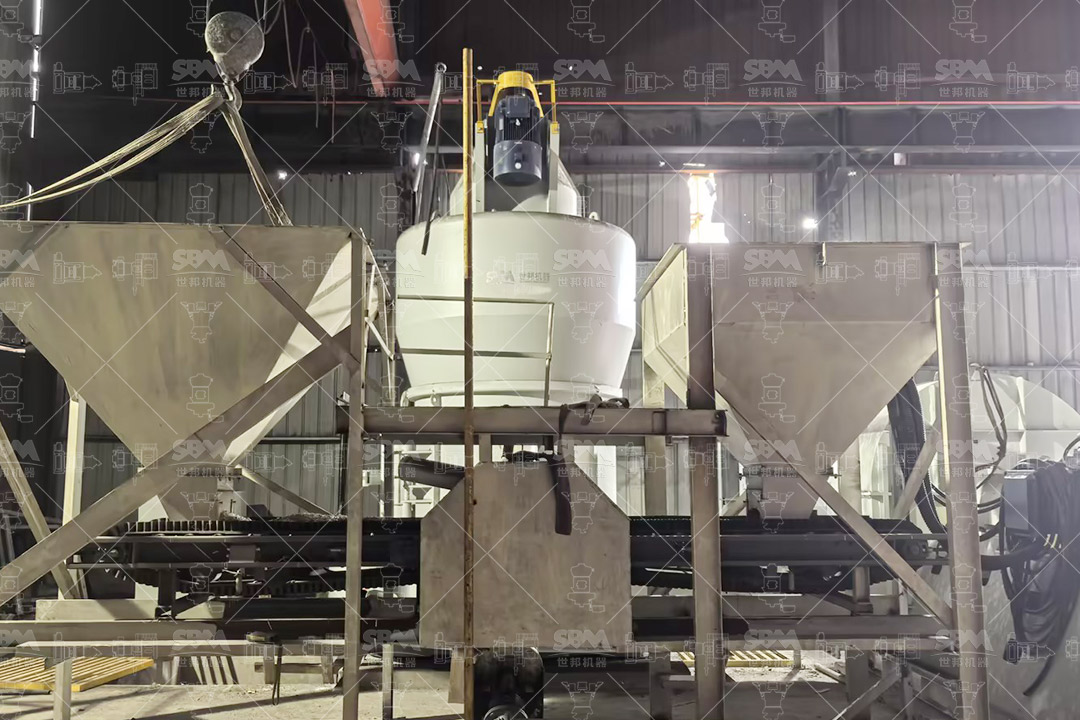
An Impact Mill, such as a Hammer Mill, operates on the principle of high-speed impact and attrition. The core component is a rotor assembly fitted with swinging hammers or fixed beaters that rotate at high speed inside a sturdy chamber. Feed material enters the chamber and is repeatedly struck by the hammers, shattering against the chamber’s breaker plates and colliding with other particles. The product size is controlled by a screen or grate at the mill’s discharge; particles small enough to pass through the openings exit, while larger particles remain inside for further impact.
Comparative Analysis for Silica Processing
| Parameter | Vertical Roller Mill (VRM) | Impact Mill (Hammer Mill) |
|---|---|---|
| Grinding Mechanism | Pressure (Bed Grinding) | Impact & Attrition |
| Energy Efficiency | High. Direct grinding of the bed with minimal metal-to-metal contact reduces specific energy consumption significantly (typically 30-50% lower than ball mills). | Moderate to Low. High rotor speed consumes considerable power. Energy efficiency drops sharply when producing finer powders, as much energy is wasted on excessive fines and heat generation. |
| Particle Size Distribution & Control | Excellent. Integrated dynamic classifier allows precise cut-point control, producing a narrow, consistent particle size distribution (PSD). Ideal for products from 30 mesh to 10 microns. | Wide/Broad. PSD is less controlled, often producing a wide range of particle sizes with a significant tail of fines. Primarily suitable for coarse to medium grinding (e.g., 0-3mm). Finer grinding requires closed-circuit systems with external classifiers. |
| Wear & Maintenance | Wear parts (roller tires, table liners) are large and have long service lives. Maintenance intervals are long, but replacement is a major task. Grinding abrasive silica requires specially hardened alloys. | High Wear. Hammers, screens, and liners wear rapidly when processing abrasive silica, leading to frequent shutdowns for replacement. This increases operational cost and downtime. |
| Drying Capability | Integrated Drying. Can handle feed material with significant moisture (up to 15-20%) by using hot gas introduced with the feed, combining grinding and drying in one unit. | Limited. Not designed for drying. Moist material can cause clogging of screens and build-up in the chamber. Feed typically needs pre-drying. |
| Noise & Dust Emission | Lower noise levels (typically ≤80 dB(A)) as it’s an enclosed system. Operates under negative pressure, minimizing dust leakage. | High noise levels due to high-speed impact. Significant dust generation requires robust containment and dust collection systems. |
| Footprint & System Complexity | Compact vertical design saves floor space. However, the system includes auxiliary equipment like classifiers, fans, and large baghouse filters. | Simple, robust, and compact mechanical design. The system is generally less complex than a full VRM circuit. |
| Capital Cost | Higher initial investment. | Lower initial investment. |
| Operational Cost (OPEX) | Lower OPEX. Driven by superior energy efficiency and lower wear rates per ton of product over the long term. | Higher OPEX. Dominated by high energy consumption for fine grinding and frequent replacement of wear parts when processing silica. |
Application Recommendations for Silica Powder
When to Choose a Vertical Roller Mill:
- Medium to Ultra-Fine Grinding: For producing silica flour in the range of 100 mesh to 2500 mesh (150μm to 5μm).
- High-Capacity Plants: For continuous, large-scale production (e.g., > 10 tons per hour).
- Product Quality Focus: When a consistent, narrow PSD is critical for downstream applications (e.g., electronics, high-performance composites, fine ceramics).
- Wet or Damp Feedstock: When the raw silica sand contains moisture.
- Total Cost of Ownership (TCO): When the focus is on minimizing lifetime operating costs, despite a higher capex.
When to Choose an Impact Mill:
- Coarse to Medium Crushing/Grinding: For primary size reduction of silica lumps to a granular sand (e.g., 0-3mm, 0-8mm) as a pre-crushing stage before fine grinding.
- Small to Medium Scale, Intermittent Operation: For pilot plants, small facilities, or batch processing.
- Low Capex Priority: Where initial investment is the primary constraint.
- Simpler Product Specifications: Where a broad PSD is acceptable, such as for some foundry sands or construction materials.
Introducing Our Recommended Solutions
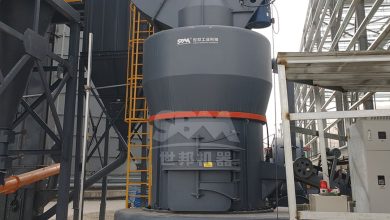
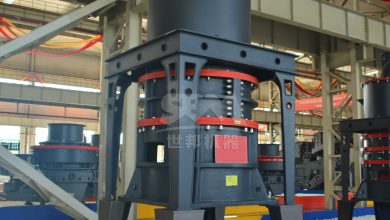
For silica powder plants aiming for high efficiency, superior product quality, and low operational costs in the fine to ultra-fine range, our SCM Series Ultrafine Mill represents an optimal technological choice. This mill incorporates advanced vertical mill principles with significant enhancements for superfine grinding.
The SCM Ultrafine Mill excels in producing silica powder from 325 to 2500 mesh (45-5μm). Its core advantages directly address the challenges of silica processing:
- Exceptional Energy Efficiency: It delivers twice the capacity of a jet mill while reducing energy consumption by 30%, a critical factor for cost-intensive fine grinding.
- Precision Classification: The integrated vertical turbine classifier ensures sharp particle size cuts, producing silica powder with a uniform, narrow distribution and no coarse grit contamination.
- Enhanced Durability: Specially hardened grinding rollers and rings, coupled with a bearingless screw grinding chamber design, offer extended service life and stable operation when processing abrasive silica.
- Turnkey Environmental Design: With a pulse dust collector exceeding international standards and soundproofing for noise levels ≤75dB, it ensures a clean and compliant operation.
With models like the SCM1250 (2.5-14 t/h, 185kW) or the high-capacity SCM1680 (5-25 t/h, 315kW), this series can be tailored to the specific throughput requirements of any modern silica plant.

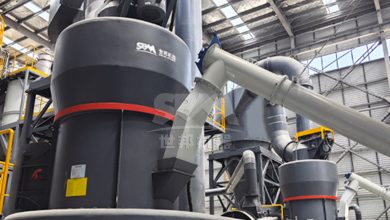
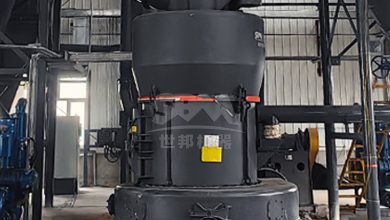
For projects requiring high-volume production in the coarser fine powder range (30-325 mesh / 600-45μm), such as for ground silica for glass, ceramics, or filler applications, our LM Series Vertical Roller Mill is the industry benchmark. Its集约化设计 (intensive design) integrates multiple functions, reducing footprint by 50% and lowering energy consumption by 30-40% compared to traditional ball mill systems. Models like the LM190K (23-68 t/h) or LM220K (36-105 t/h) offer unparalleled capacity and efficiency for large-scale silica processing.
Conclusion
The choice between a Vertical Mill and an Impact Mill for a silica powder plant is not merely a selection of machinery but a strategic decision impacting product quality, operational efficiency, and long-term profitability. For coarse, preparatory crushing, a robust Hammer Mill serves a purpose. However, for the core value-adding process of producing fine and ultra-fine silica powders, the Vertical Roller Mill, with its superior energy efficiency, precise particle size control, and lower wear costs, is unequivocally the advanced and economically sound choice.
Investing in a technologically advanced VRM, such as our SCM Ultrafine Mill or LM Vertical Mill, translates into a competitive advantage through consistent high-quality output and significantly reduced cost per ton, ensuring the long-term viability and success of your silica powder operation.