Vertical Mill Hot Air Furnace for Slag Powder: Working Principle vs. Drying & Ball Milling Process
Introduction
The processing of slag powder represents a critical application in modern industrial mineral processing, where efficiency, energy consumption, and final product quality are paramount concerns. Traditional drying and ball milling processes have long been the standard approach, but technological advancements have introduced more sophisticated solutions. Among these, vertical mill hot air furnace systems have emerged as superior alternatives, offering integrated drying and grinding capabilities within a single, compact unit. This article provides a comprehensive technical comparison between vertical mill systems and conventional drying and ball milling processes, with particular focus on slag powder production.
Working Principle of Vertical Mill Hot Air Furnace Systems
Vertical mill systems with integrated hot air furnaces represent an advanced approach to slag powder production, combining multiple processing stages into a single, efficient unit. The fundamental working principle involves several coordinated operations that transform moist slag into fine powder with precise particle size distribution.
Material Feeding and Distribution
The process begins with the controlled feeding of raw slag material into the mill through a precision feeding system. The feed material, typically with moisture content up to 15%, enters through the center of the grinding table. A rotating distribution plate ensures even spreading of material across the grinding track, creating a uniform bed for subsequent grinding operations. This initial distribution is critical for maintaining stable grinding conditions and preventing localized wear patterns.
Integrated Drying Process
Simultaneously with material feeding, hot gas generated by the integrated furnace system enters the mill through the nozzle ring surrounding the grinding table. These gases, typically ranging from 250°C to 400°C depending on material characteristics, flow upward through the grinding bed, efficiently evaporating moisture from the slag particles. The counter-current flow pattern ensures maximum heat transfer efficiency, with the hottest gases contacting the wettest material first. This integrated drying occurs concurrently with grinding, eliminating the need for separate drying equipment and reducing overall energy consumption.
Grinding Mechanism
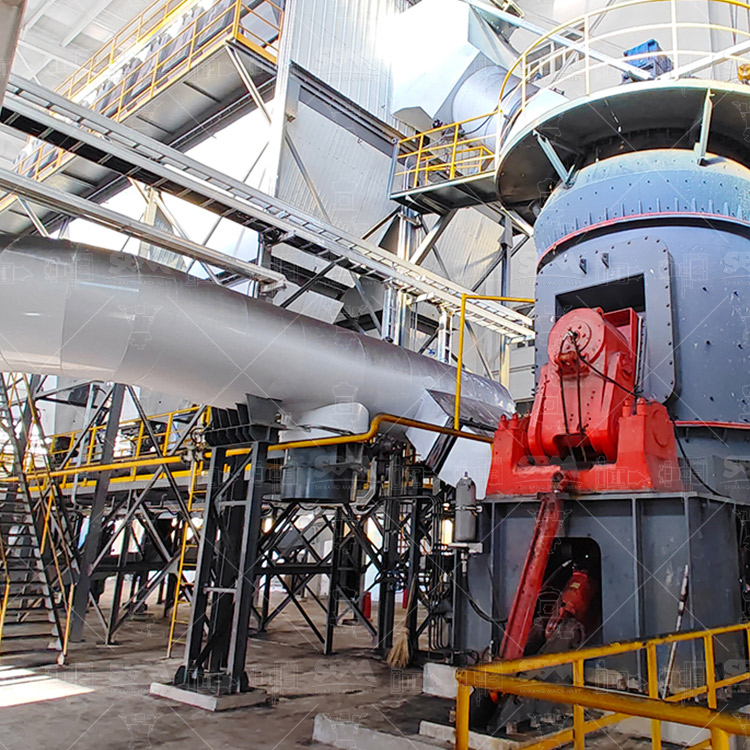
The core of the vertical mill is the grinding mechanism, where hydraulic or spring-loaded rollers apply pressure to the material bed on the rotating grinding table. The fundamental principle involves interparticle comminution within the material bed, rather than direct contact between grinding elements. As the grinding table rotates, material is drawn between the rollers and the grinding track, where high pressure fractures the slag particles. The grinding force is precisely controlled to optimize energy consumption while achieving the desired particle size reduction.
Classification and Separation
Following grinding, the dried and ground material is transported upward by the gas stream to the integrated dynamic classifier located at the top of the mill. This classifier utilizes rotating blades to create a precise cut point, separating particles according to size. Oversize particles are rejected by centrifugal force and returned to the grinding bed for further size reduction, while properly sized particles continue with the gas stream to the collection system. The classifier speed can be adjusted during operation to produce different product fineness without interrupting the grinding process.
Product Collection
The final stage involves separating the fine slag powder from the transport gas stream. This is typically accomplished through a combination of cyclones and baghouse filters. The majority of product is collected in high-efficiency cyclones, while the remaining fines are captured by pulse-jet bag filters. The cleaned gas is then either recirculated to the mill for thermal efficiency or discharged to atmosphere through an exhaust fan, meeting stringent environmental emission standards.
Conventional Drying and Ball Milling Process
Traditional slag powder production employs a two-stage approach involving separate drying and grinding operations. While this method has been widely used historically, it presents several operational and economic disadvantages compared to integrated vertical mill systems.
Drying Process
The conventional process begins with dedicated drying equipment, typically rotary dryers or flash dryers. Moist slag is fed into the dryer where it comes into contact with hot gases, reducing moisture content to below 1% before grinding. This separate drying stage requires additional equipment, infrastructure, and energy input. Rotary dryers, while effective, exhibit relatively low thermal efficiency due to heat losses through shell radiation and exhaust gases. Flash dryers offer better efficiency but require finer initial particle size, potentially necessitating pre-crushing equipment.
Ball Milling Operation
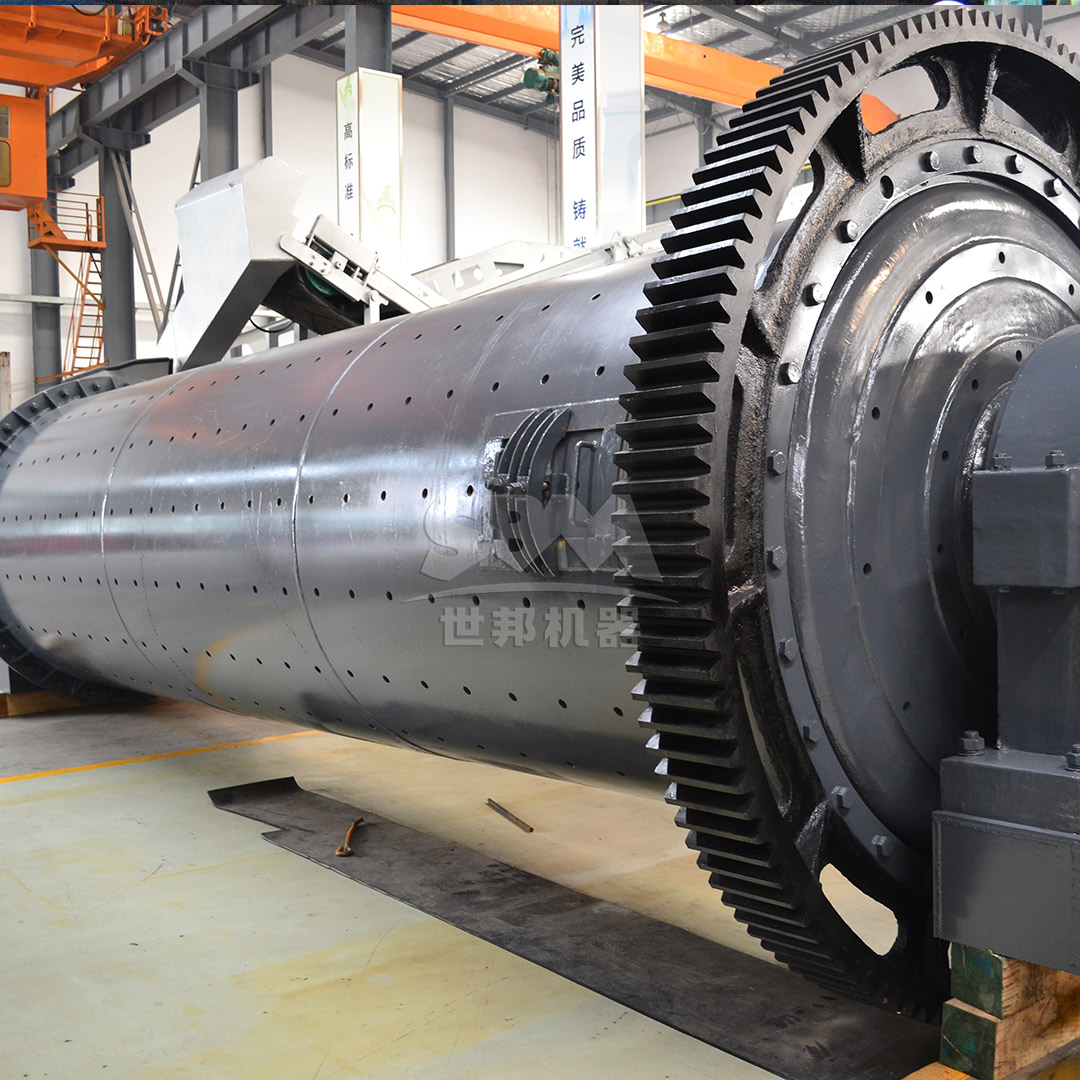
Following drying, the material is transferred to ball mills for size reduction. Ball mills operate on the principle of impact and attrition as grinding media (typically steel balls) cascade within a rotating cylindrical shell. The grinding action involves both impact from falling balls and abrasion between particles and grinding media. This mechanism, while effective for achieving fine particle sizes, is characterized by high energy consumption, with a significant portion of energy converted to heat and noise rather than productive grinding work.
Classification Circuit
Ball milling systems typically employ external classification circuits, often using air separators or screens to control product fineness. The mill discharge is transported to the classifier, where oversize material is returned to the mill inlet as circulating load. This closed-circuit grinding approach allows for control of product fineness but introduces additional equipment, conveying systems, and operational complexity. The high circulating loads common in ball mill circuits (often 150-300%) further increase energy consumption and equipment wear.
Technical Comparison: Vertical Mill vs. Conventional Process
The fundamental differences between vertical mill systems and conventional drying/ball milling approaches result in significant variations in performance, efficiency, and operational characteristics.
Energy Efficiency Analysis
Vertical mill systems demonstrate superior energy efficiency compared to conventional processes. The integrated drying and grinding operation eliminates the thermal losses associated with separate drying equipment, while the interparticle comminution principle of vertical mills is inherently more efficient than the impact/attrition mechanism of ball mills. Typical specific energy consumption for vertical mills ranges from 25-35 kWh/t for slag grinding, compared to 40-50 kWh/t for ball mill systems. Additionally, the ability to utilize waste gases from other processes (such as cement kiln exhaust) further enhances the energy efficiency of vertical mill systems.
Product Quality Comparison
Both processes can produce high-quality slag powder meeting industry specifications, but notable differences exist in product characteristics. Vertical mills typically produce a narrower particle size distribution with less ultrafine content, which can be advantageous for certain applications. The product from vertical mills often exhibits better flow characteristics due to the spherical shape of particles resulting from the bed grinding mechanism. Ball mills, conversely, tend to produce more angular particles with broader size distribution. The controlled temperature environment in vertical mills also prevents thermal degradation of material properties that can occur in ball mills due to excessive heat generation.
Operational Flexibility
Vertical mills offer superior operational flexibility, with the ability to accommodate variations in feed moisture, hardness, and production rate more effectively than conventional systems. The grinding force and classifier speed can be adjusted during operation to respond to changing conditions or product requirements. Ball mill circuits, with their higher inertia and slower response times, are less adaptable to rapid changes in operating parameters. Additionally, vertical mills can be started and stopped more frequently with less energy penalty, providing advantages in operations with variable electricity pricing.
Recommended Equipment for Slag Powder Production
Based on comprehensive technical analysis and operational experience, specific equipment recommendations can be made for slag powder production applications.
LM Series Vertical Roller Mill for Large-Scale Operations
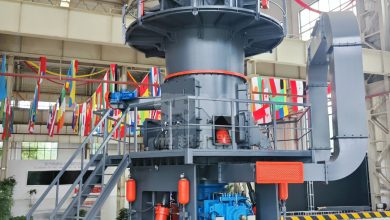
For large-scale slag powder production facilities, the LM Series Vertical Roller Mill represents an optimal solution. This equipment combines high capacity with exceptional energy efficiency, making it ideal for operations requiring production rates from 3 to 250 tons per hour. The integrated design incorporates crushing, grinding, drying, and classification within a single compact unit, reducing footprint requirements by up to 50% compared to conventional systems.
The LM series demonstrates particular advantages in slag applications, with specialized models such as the LM220N offering capacities of 20-26 t/h at power consumption of 900-1000 kW. The robust construction features wear-resistant materials in high-abrasion areas, with磨辊与磨盘非接触设计 extending component life up to three times compared to conventional designs. The intelligent control system enables automated operation with remote monitoring capabilities, reducing manpower requirements while maintaining consistent product quality.
SCM Ultrafine Mill for Specialized Applications
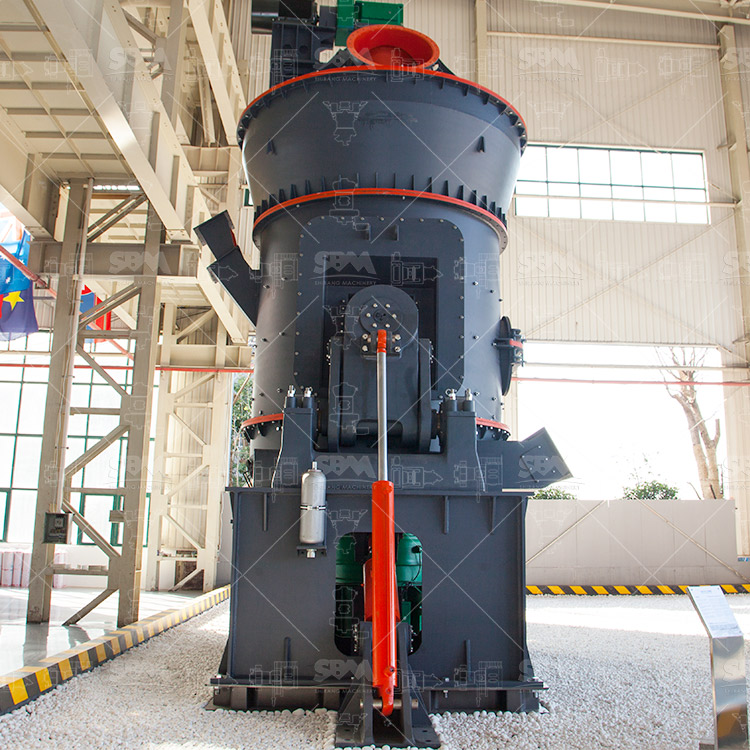
For operations requiring ultrafine slag powder with precise particle size control, the SCM Series Ultrafine Mill offers exceptional performance. This mill achieves fineness levels from 325 to 2500 mesh (D97≤5μm), making it suitable for high-value slag applications where particle size significantly influences performance characteristics. The vertical turbine classifier provides precise size cuts without coarse particle contamination, ensuring consistent product quality.
The SCM series delivers remarkable energy efficiency, with capacity doubling that of jet mills while reducing energy consumption by 30%. Models such as the SCM1250 provide processing capacities of 2.5-14 t/h with 185 kW main motor power. The patented grinding chamber design without bearing screws ensures stable operation with minimal maintenance requirements. Environmental performance exceeds international standards, with pulse dust collection efficiency reaching 99.9% and noise levels maintained below 75 dB.
Economic and Environmental Considerations
The selection between vertical mill systems and conventional processes involves significant economic and environmental considerations that extend beyond initial equipment costs.
Capital Investment Analysis
While vertical mill systems typically involve higher initial equipment costs compared to individual drying and ball milling components, the overall project capital requirement is often comparable or lower. The integrated nature of vertical mills reduces civil works, structural steel, and auxiliary equipment requirements. The compact footprint enables installation in constrained sites and can reduce building costs by up to 40% for greenfield projects. Additionally, the simplified material handling system between process stages further reduces capital investment.
Operating Cost Comparison
Operating costs strongly favor vertical mill systems across multiple categories. The superior energy efficiency translates to significant electricity savings, typically 30-40% lower than equivalent ball mill circuits. Maintenance costs are reduced through longer component life, with wear parts in vertical mills lasting 2-3 times longer than ball mill liners and grinding media. Labor requirements are minimized through advanced automation systems, with some installations operating completely unmanned during certain shifts. These factors combine to provide substantially lower operating costs over the equipment lifecycle.
Environmental Impact Assessment
Vertical mill systems demonstrate clear environmental advantages over conventional processes. The completely enclosed design with negative pressure operation prevents dust emissions, maintaining workplace air quality and eliminating product loss. Modern vertical mills achieve dust emissions below 20 mg/m³, significantly better than regulatory requirements in most jurisdictions. Noise pollution is substantially reduced, with operation typically below 80 dB(A) compared to ball mills that often exceed 100 dB(A). The lower specific energy consumption also translates to reduced indirect emissions associated with power generation.
Conclusion
The comparison between vertical mill hot air furnace systems and conventional drying and ball milling processes reveals clear technical, economic, and environmental advantages for vertical mill technology in slag powder production. The integrated approach of vertical mills provides superior energy efficiency, operational flexibility, and product quality control while reducing environmental impact. For operations prioritizing total cost of ownership, product consistency, and sustainability objectives, vertical mill systems represent the current state of the art in slag processing technology.
Equipment selection should be based on specific production requirements, with the LM Series Vertical Roller Mill recommended for high-capacity operations and the SCM Ultrafine Mill suited for specialized applications requiring precise particle size control. As industry continues to emphasize efficiency and sustainability, the adoption of advanced vertical mill technology is expected to accelerate, further establishing these systems as the benchmark for modern slag powder production.