Utilizing Pulverized Coal Slag from Cement Plants in Raw Meal Proportioning
Introduction
The cement industry faces increasing pressure to adopt sustainable practices while maintaining production efficiency and cost-effectiveness. One promising approach involves the utilization of pulverized coal slag, a byproduct from cement plant operations, in raw meal proportioning. This strategy not only addresses waste management challenges but also enhances the overall sustainability profile of cement manufacturing. This comprehensive article explores the technical aspects, benefits, and implementation strategies for incorporating pulverized coal slag into cement raw meals.
Characteristics of Pulverized Coal Slag
Pulverized coal slag, also known as coal combustion residuals, is generated during the combustion of pulverized coal in cement kilns. This material possesses unique chemical and physical properties that make it suitable for raw meal applications. Typically, coal slag contains significant amounts of silica, alumina, and iron oxide – key components in cement clinker formation. The material’s particle size distribution, chemical composition, and reactivity vary depending on the coal source and combustion conditions.
The amorphous nature of coal slag, resulting from rapid cooling during production, contributes to its potential pozzolanic activity. When properly processed and incorporated into raw meals, coal slag can participate in the formation of cementitious compounds during the clinkering process. The carbon content, while sometimes viewed as a challenge, can actually contribute to the thermal balance in the kiln when present in controlled amounts.
Benefits of Coal Slag Integration in Raw Meals
Environmental Advantages
The incorporation of pulverized coal slag in raw meal proportioning offers significant environmental benefits. Primarily, it reduces the volume of industrial waste requiring disposal, thereby minimizing the environmental footprint of cement plants. Additionally, the use of this byproduct decreases the demand for virgin raw materials, conserving natural resources and reducing quarrying activities. Life cycle assessment studies have demonstrated that cement produced with coal slag integration can achieve up to 15% reduction in overall environmental impact compared to conventional production methods.
Technical and Economic Benefits
From a technical perspective, coal slag can improve the burnability of raw meals due to its fine particle size and chemical composition. The material acts as a mineralizer during clinker formation, potentially lowering the clinkering temperature and reducing specific heat consumption. Economically, the utilization of coal slag translates to substantial cost savings through reduced raw material procurement expenses and lower waste management costs. Some plants have reported operational cost reductions of 8-12% through systematic integration of coal slag in their raw mix designs.
Processing Requirements for Optimal Utilization
To maximize the benefits of coal slag in raw meal proportioning, proper processing is essential. The material often requires additional grinding to achieve the optimal particle size distribution for uniform blending and reaction during clinkering. The target fineness typically ranges from 2500 to 4500 Blaine, depending on the specific raw mix composition and kiln operating parameters.
Critical Processing Equipment
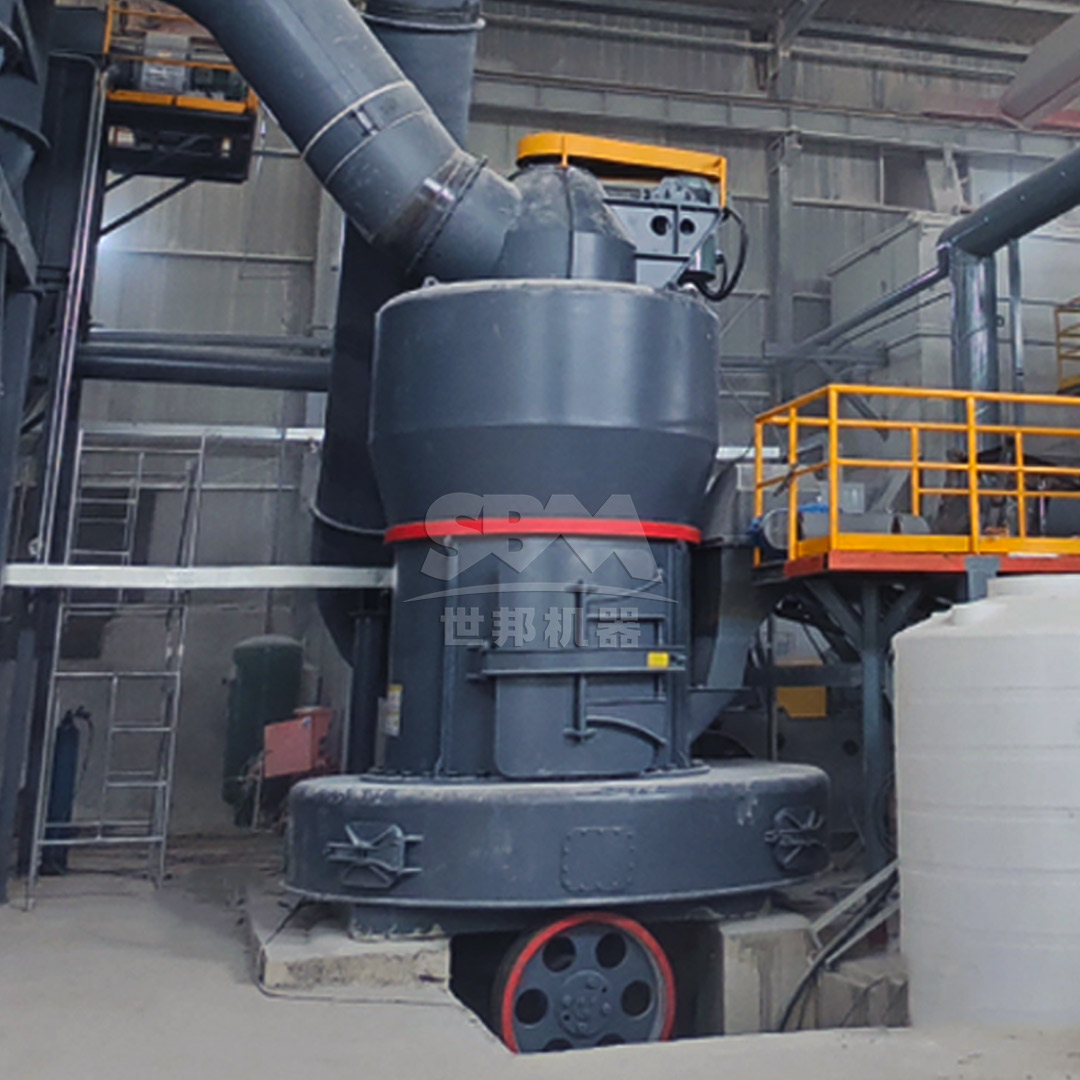
Efficient grinding systems are paramount for successful coal slag utilization. Our SCM Series Ultrafine Mill represents an ideal solution for processing pulverized coal slag to the required fineness. With an output range of 325-2500 mesh (D97≤5μm) and processing capacity of 0.5-25 tons per hour depending on model, this equipment ensures optimal particle size distribution for raw meal integration. The mill’s efficient energy consumption – 30% lower than conventional airflow mills – and high-precision grading system make it particularly suitable for this application. The vertical turbine classifier achieves precise particle size cuts without coarse powder contamination, ensuring consistent raw meal quality.
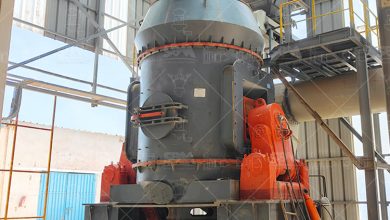
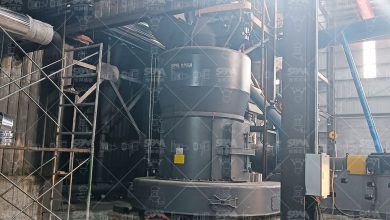
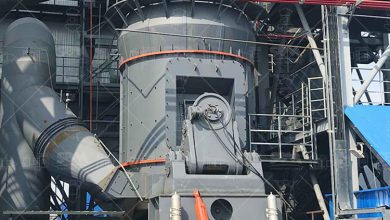
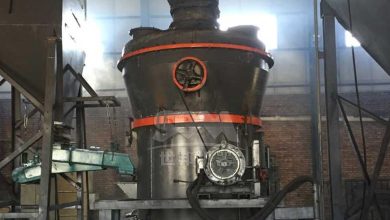
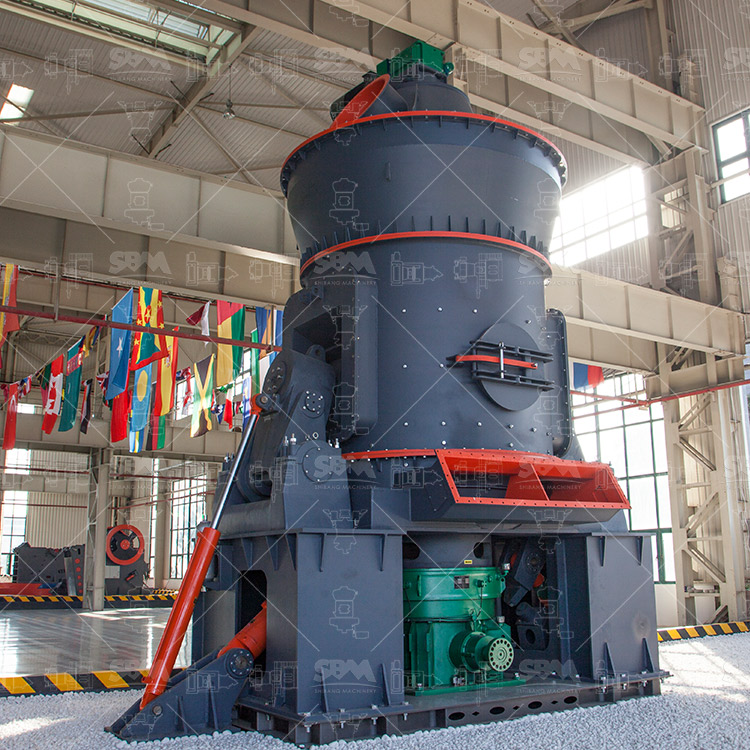
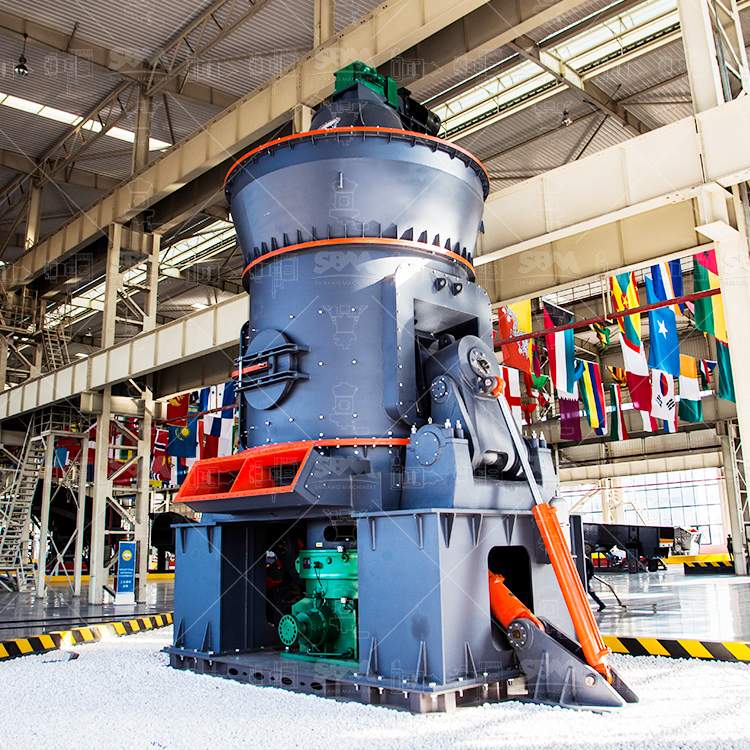
For larger scale operations, our LM Series Vertical Roller Mill offers exceptional performance in coal slag processing. With capacity ranging from 3-250 tons per hour and output fineness of 30-325 mesh (special models up to 600 mesh), this system provides comprehensive solutions for cement plants of all sizes. The integrated design combines crushing, grinding, and separation functions, reducing footprint by 50% compared to traditional systems. The intelligent control system supports remote operation and real-time parameter monitoring, ensuring consistent product quality while minimizing operational interventions.
Implementation Strategies
Raw Meal Formulation Optimization
Successful integration of pulverized coal slag requires careful reformulation of the raw meal. The chemical composition of the slag must be thoroughly characterized and accounted for in the proportioning calculations. Modern cement plants employ advanced quality control systems and predictive models to optimize the raw mix design, ensuring that the final clinker quality meets specifications while maximizing slag content. Typically, coal slag can replace 3-8% of traditional raw materials without compromising clinker quality, though higher replacement rates are achievable with proper process adjustments.
Process Integration and Quality Control
The handling and feeding systems must be designed to ensure consistent and homogeneous blending of coal slag with other raw materials. Automated sampling and analysis systems play a crucial role in maintaining raw meal quality. Online elemental analyzers, such as cross-belt analyzers, provide real-time composition data, enabling prompt adjustments to the proportioning system. Regular monitoring of the raw meal’s burnability index and lime saturation factor ensures that the incorporation of coal slag does not adversely affect kiln operation or clinker formation.
Case Studies and Performance Data
Several cement plants have successfully implemented coal slag utilization programs with remarkable results. A case study from a 5000 tpd cement plant demonstrated that incorporating 5% pulverized coal slag in the raw meal reduced specific heat consumption by 3.2% and improved clinker quality consistency. The plant reported annual savings of approximately $850,000 through reduced fuel consumption and lower raw material costs. Another installation achieved a 12% reduction in limestone consumption while maintaining clinker quality standards.
Technical Challenges and Solutions
Variability in Coal Slag Composition
The chemical and physical variability of coal slag presents one of the primary challenges in its utilization. Implementing robust characterization protocols and adaptive control strategies can mitigate this issue. Advanced process control systems that incorporate real-time composition data and predictive models can automatically adjust the raw mix proportioning to compensate for variations in slag quality.
Grinding and Handling Considerations
The abrasive nature of coal slag can increase wear on processing equipment. Our grinding systems address this challenge through specialized wear-resistant materials in critical components. The SCM Ultrafine Mill features special material roller wheels and grinding rings that extend service life several times over conventional designs. Similarly, the LM Series Vertical Roller Mill incorporates wear-resistant solutions that maintain performance while processing abrasive materials like coal slag.
Future Perspectives
The utilization of pulverized coal slag in cement raw meals represents a growing trend in the global cement industry. As sustainability regulations tighten and carbon emission reduction becomes increasingly important, this practice offers a practical pathway toward greener cement production. Ongoing research focuses on optimizing processing parameters, developing advanced characterization methods, and exploring synergies with other supplementary cementitious materials. The integration of artificial intelligence and machine learning in raw meal optimization promises to further enhance the efficiency and reliability of coal slag utilization.
Conclusion
The incorporation of pulverized coal slag in cement raw meal proportioning presents a compelling opportunity for cement manufacturers to enhance sustainability while improving operational economics. With proper processing using advanced equipment like our SCM Series Ultrafine Mill and LM Series Vertical Roller Mill, cement plants can effectively transform a waste material into a valuable resource. The technical feasibility, environmental benefits, and economic advantages make this approach an important strategy for the evolving cement industry. As technology advances and experience accumulates, the utilization of coal slag and similar industrial byproducts will undoubtedly play an increasingly significant role in sustainable cement manufacturing.