Utilization of Waste Silica Powder in Producing Sintered Clay Bricks
1. Introduction: The Challenge of Silica-Rich Industrial Waste
The global construction industry is under increasing pressure to adopt sustainable practices, driven by resource scarcity and stringent environmental regulations. A significant challenge lies in managing industrial by-products, particularly silica-rich waste streams from mining, foundry operations, and photovoltaic panel manufacturing. This amorphous or crystalline silica powder, often considered a disposal liability, presents a unique opportunity for valorization in traditional building materials like sintered clay bricks.
Sintered clay brick production, a centuries-old technology, is energy-intensive and relies heavily on virgin clay extraction. The incorporation of waste silica powder offers a dual benefit: it reduces the environmental footprint of brick manufacturing by utilizing industrial waste, and it can potentially enhance the physical and mechanical properties of the final product. This article explores the technical pathways, benefits, and critical processing requirements for successfully integrating waste silica powder into sintered clay brick production, with a focus on the essential comminution stage.
2. Role and Benefits of Silica Powder in Brick Formulation
Waste silica powder, when properly processed, acts as more than just a filler in clay brick mixtures. Its primary roles include:
2.1. Pore Structure Modifier and Fluxing Agent
During the high-temperature sintering process (typically 900-1100°C), fine silica particles can react with fluxes present in the clay (such as alkalis and iron oxides) to form a glassy phase. This phase fills pores and binds particles together, leading to increased brick density, reduced water absorption, and improved frost resistance. The controlled addition of silica can optimize the vitrification process, reducing firing temperature and energy consumption.
2.2. Dimensional Stability and Strength Enhancement
Silica’s high melting point provides structural stability during firing, reducing warping and shrinkage. The fine particles fill voids between larger clay particles, creating a more compact green body. After sintering, this results in enhanced compressive strength and durability, which are critical parameters for load-bearing bricks.
2.3. Sustainable Raw Material Sourcing
Replacing a portion of virgin clay (10-30% by weight is common in research) with waste silica directly conserves natural topsoil and reduces quarrying. It also diverts non-biodegradable industrial waste from landfills, contributing to a circular economy model within the construction sector.
3. Critical Processing: The Imperative of Precise Grinding
The successful incorporation of silica waste hinges on its particle size distribution and purity. Raw waste often contains agglomerates, impurities, or has inconsistent particle size, which can lead to defects like cracking, bloating, or reduced strength in the final brick.
3.1. Particle Size Requirements
For optimal performance, the silica powder must be finely ground and uniformly blended with the clay. A target fineness of 200 to 325 mesh (74 to 44 microns) is generally required to ensure good reactivity and homogeneous mixing. For advanced applications seeking to maximize the fluxing effect and density, even finer powders (400 mesh or 20 microns) are desirable. This level of fineness demands robust and efficient grinding technology.
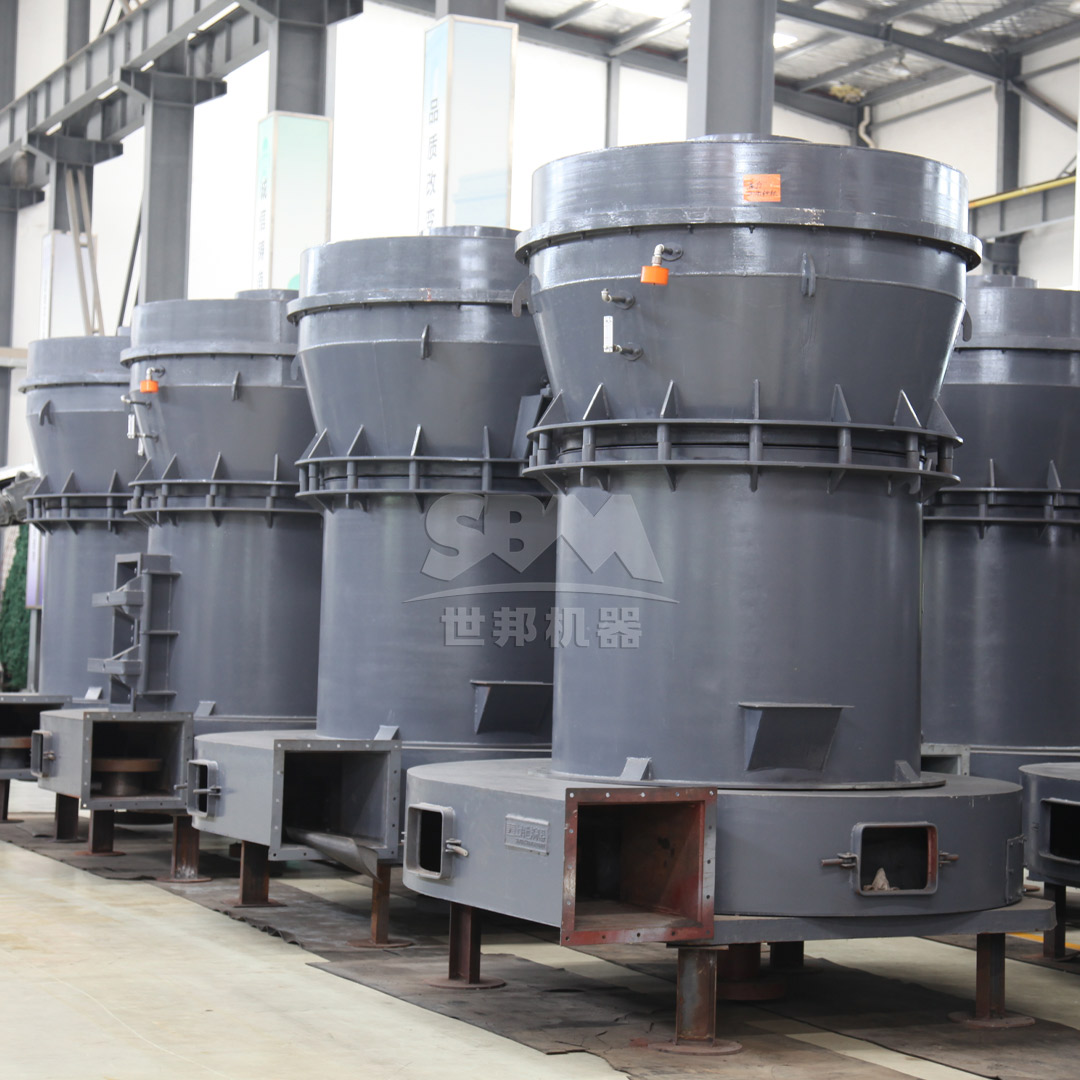
3.2. The Grinding Solution: MTW Series Trapezium Mill
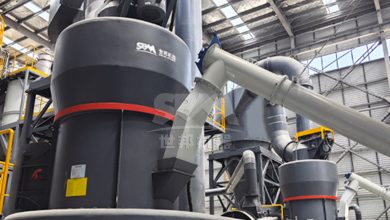
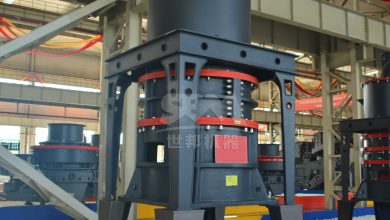
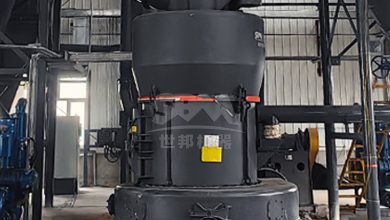
Processing coarse or agglomerated silica waste to the required consistent fine powder is a non-negotiable preprocessing step. This is where advanced milling technology becomes paramount. Our MTW Series Trapezium Mill is exceptionally suited for this task. Engineered for high-capacity processing of medium-hard to hard materials, the MTW mill can handle silica feed sizes up to 50mm and reliably produce powder in the range of 30-325 mesh (0.595mm to 0.044mm), perfectly aligning with brick production needs.
Its technological advantages directly address the challenges of waste processing:
- Efficient & High-Capacity Grinding: With models like the MTW215G offering throughputs of 15-45 tons per hour, it can handle large volumes of waste, making industrial-scale brick production feasible.
- Wear-Resistant Design: The curved duct design and wear-resistant shovel blades significantly reduce maintenance costs when processing abrasive silica materials.
- Precise Particle Control: The integrated powder classifier allows for precise adjustment of the final product fineness, ensuring the silica powder meets the exact specifications for the brick recipe.
- Energy Efficiency: The bevel gear integral transmission achieves 98% efficiency, and the optimized airflow reduces energy loss, lowering the operational cost of the waste valorization process.
By deploying the MTW Series mill, producers can transform variable waste silica into a high-quality, standardized raw material, ensuring consistency and performance in the final brick product.
4. Integration into the Brick Manufacturing Process
The process for manufacturing silica-enhanced sintered clay bricks involves several key stages:
- Silica Waste Preparation: Initial crushing (if necessary) followed by fine grinding using equipment like the MTW Series Mill to achieve the target fineness.
- Blending: The processed silica powder is precisely weighed and mixed with primary clay, water, and potentially other additives (e.g., sawdust for porosity) in a pug mill to achieve a homogeneous plastic mass.
- Forming: The mixture is extruded or pressed into the desired brick shape.
- Drying: Green bricks are carefully dried to remove moisture and prevent cracking during firing.
- Sintering: The bricks are fired in a kiln at high temperatures. Here, the silica-clay reactions occur, forming the final strong, durable ceramic matrix.
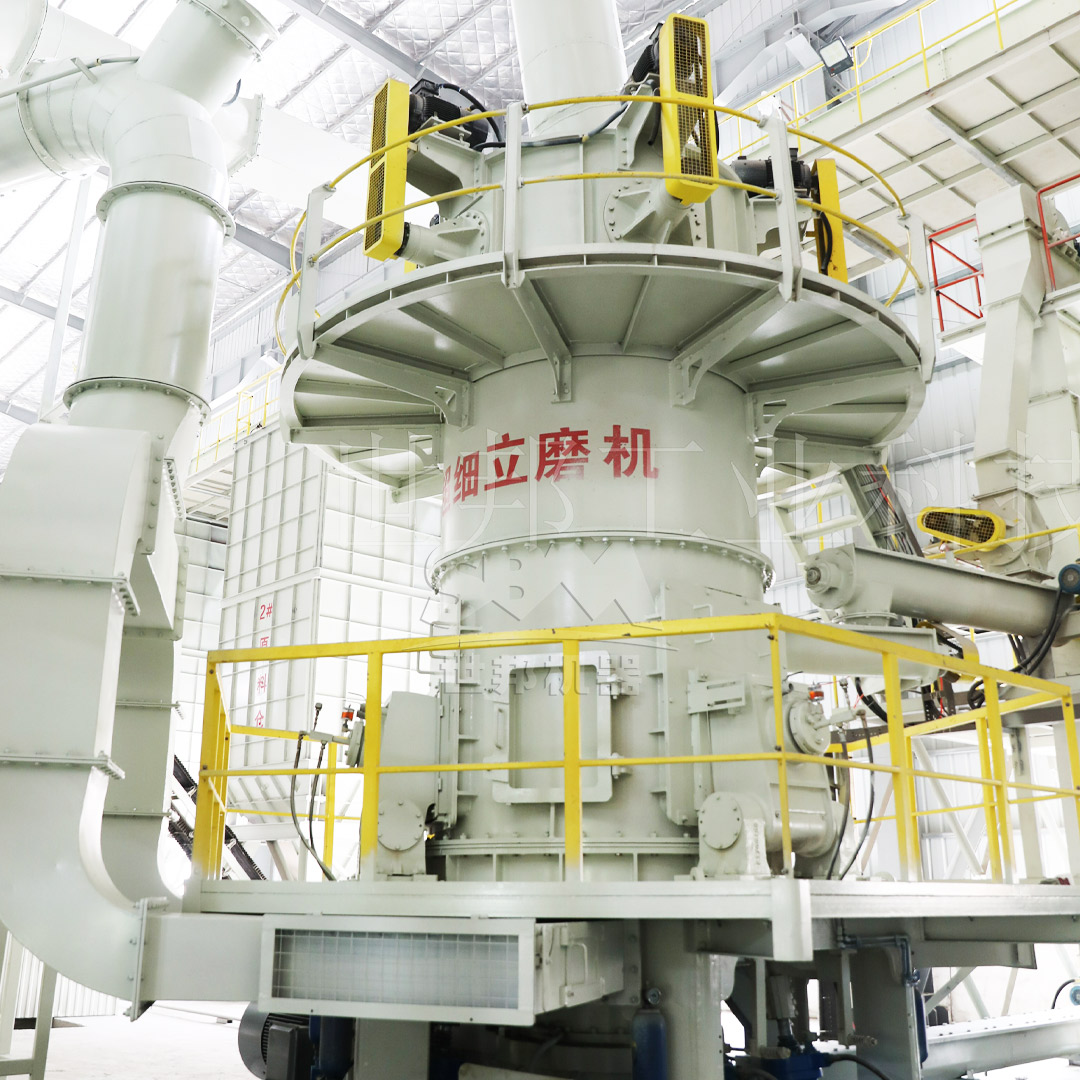
5. For Ultra-Fine Applications: The SCM Ultrafine Mill
While the MTW Series is ideal for standard brick-grade silica powder, some advanced research and high-performance brick formulations may require silica flour of exceptional fineness to act as a highly reactive nano-filler. For these demanding applications, where particle sizes down to 5 microns (2500 mesh) are targeted, our SCM Ultrafine Mill is the technology of choice.
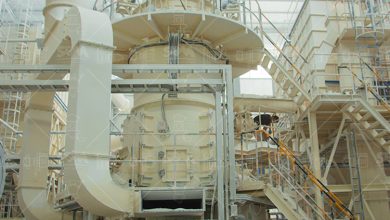
The SCM series excels in producing superfine powders with narrow particle size distribution. Its vertical turbine classifier ensures precise cuts without coarse grain contamination, resulting in a uniform product that can significantly enhance the sintering kinetics and final density of specialty bricks. With features like intelligent control for automatic feedback on product fineness and energy consumption 30% lower than jet mills, the SCM Ultrafine Mill represents the cutting edge for premium additive preparation in ceramic applications.
6. Conclusion and Future Outlook
The utilization of waste silica powder in sintered clay bricks is a technically sound and environmentally compelling strategy. It transforms an industrial residue into a valuable resource, improving material performance while promoting sustainable construction. The critical link in this value chain is the reliable and efficient comminution of the waste stream into a controlled, fine powder.
Investing in appropriate grinding technology, such as the versatile MTW Series Trapezium Mill for standard applications or the high-precision SCM Ultrafine Mill for specialized needs, is essential to unlock the full potential of this approach. As regulations on waste disposal tighten and the demand for green building materials grows, the synergy between advanced milling solutions and traditional brickmaking will play a pivotal role in shaping a more resource-efficient construction industry.