
Utilization of Limestone Tailings in Construction: Sustainable Applications and Benefits
Introduction
The construction industry faces increasing pressure to adopt sustainable practices and reduce its environmental footprint. One promising approach is the utilization of industrial by-products, particularly limestone tailings – the fine waste materials generated during limestone quarrying and processing operations. These tailings, traditionally considered waste, represent a valuable resource that can be transformed into high-value construction materials through proper processing and application.
This article explores the sustainable applications of limestone tailings in construction, highlighting the technological advancements that enable their effective utilization and the significant environmental benefits achieved through this circular economy approach.
The Challenge of Limestone Tailings Management
Limestone mining and processing operations generate substantial quantities of tailings, typically ranging from 20% to 40% of the total extracted material. These fine particles, often with diameters below 5mm, accumulate in tailings ponds, occupying valuable land and posing environmental risks through dust generation and potential water contamination. The traditional disposal methods not only represent wasted resources but also incur significant operational costs for mining companies.
The chemical composition of limestone tailings, primarily calcium carbonate (CaCO3), makes them particularly suitable for construction applications. When properly processed to achieve the required fineness and purity, these materials can serve as excellent substitutes for conventional construction materials, reducing the demand for virgin resources and minimizing environmental degradation.
Processing Technologies for Limestone Tailings
Critical Role of Grinding Equipment
The effective utilization of limestone tailings in construction applications depends heavily on achieving precise particle size distributions. Different applications require specific fineness levels, from coarse aggregates to ultra-fine powders. Modern grinding technology plays a crucial role in transforming raw tailings into valuable construction materials with consistent quality and performance characteristics.
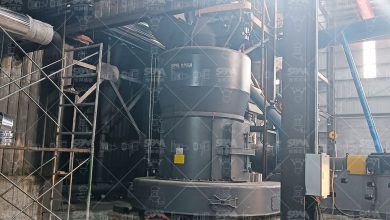
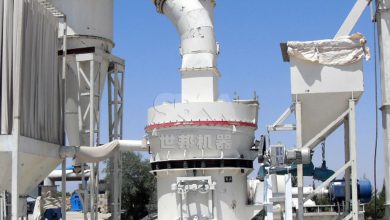
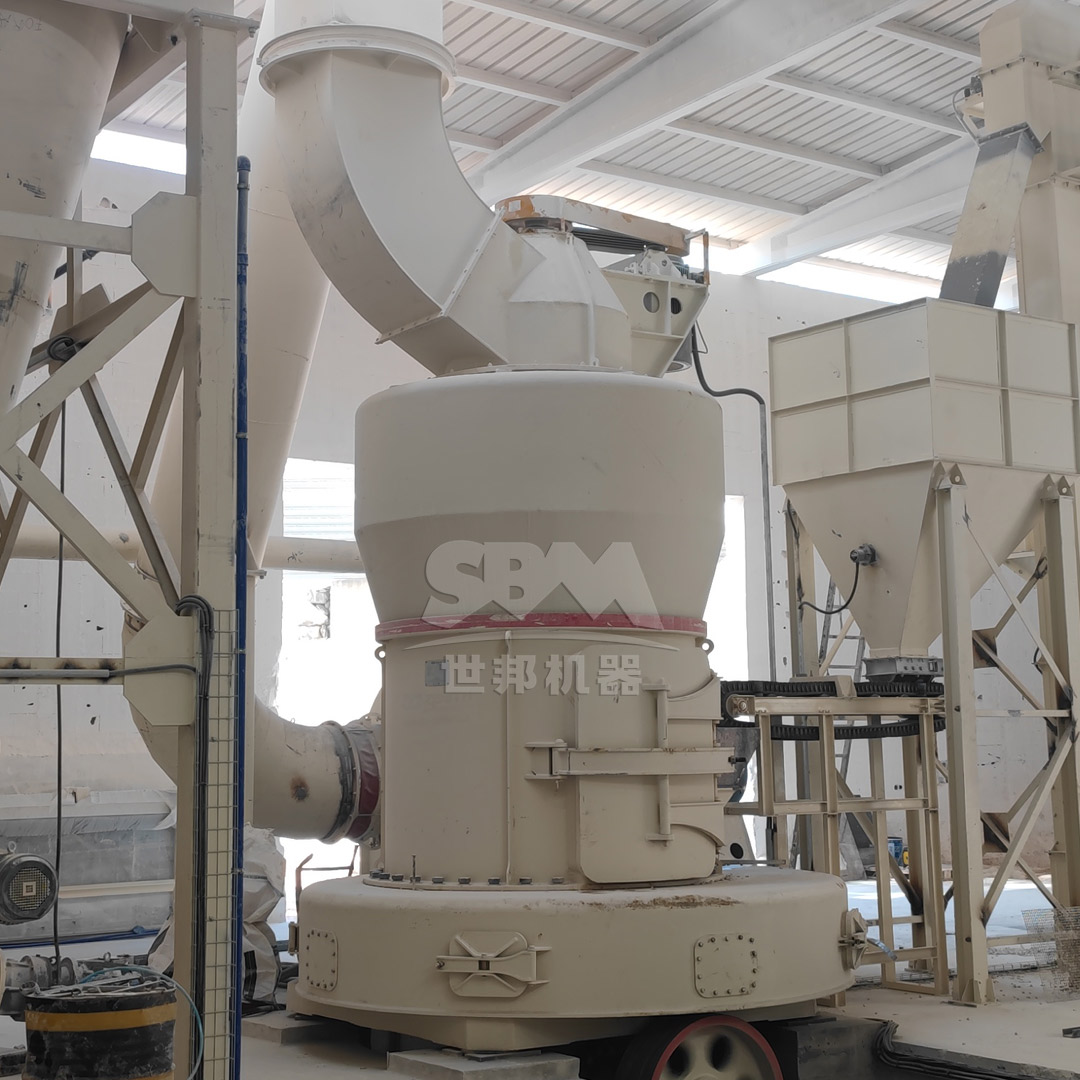
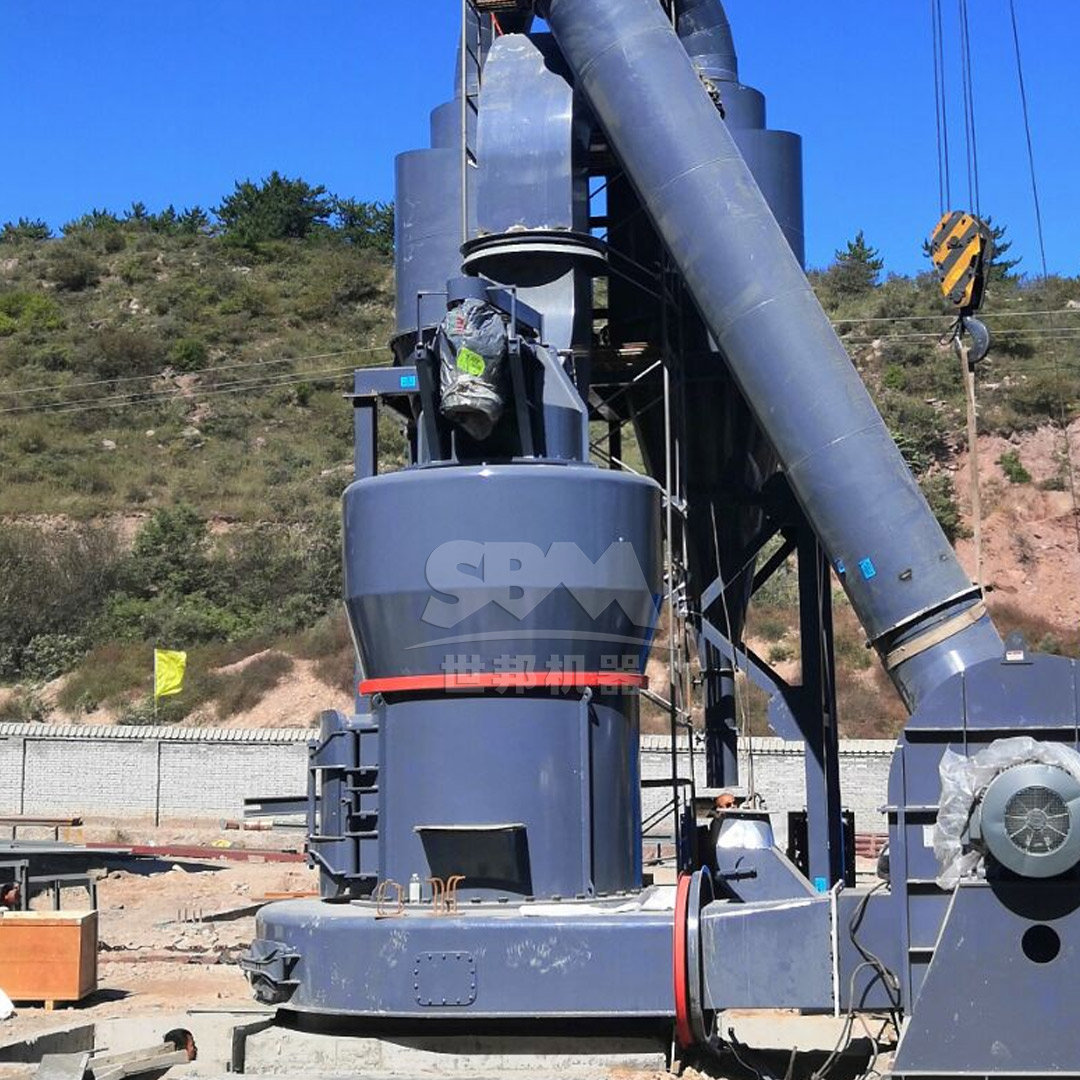
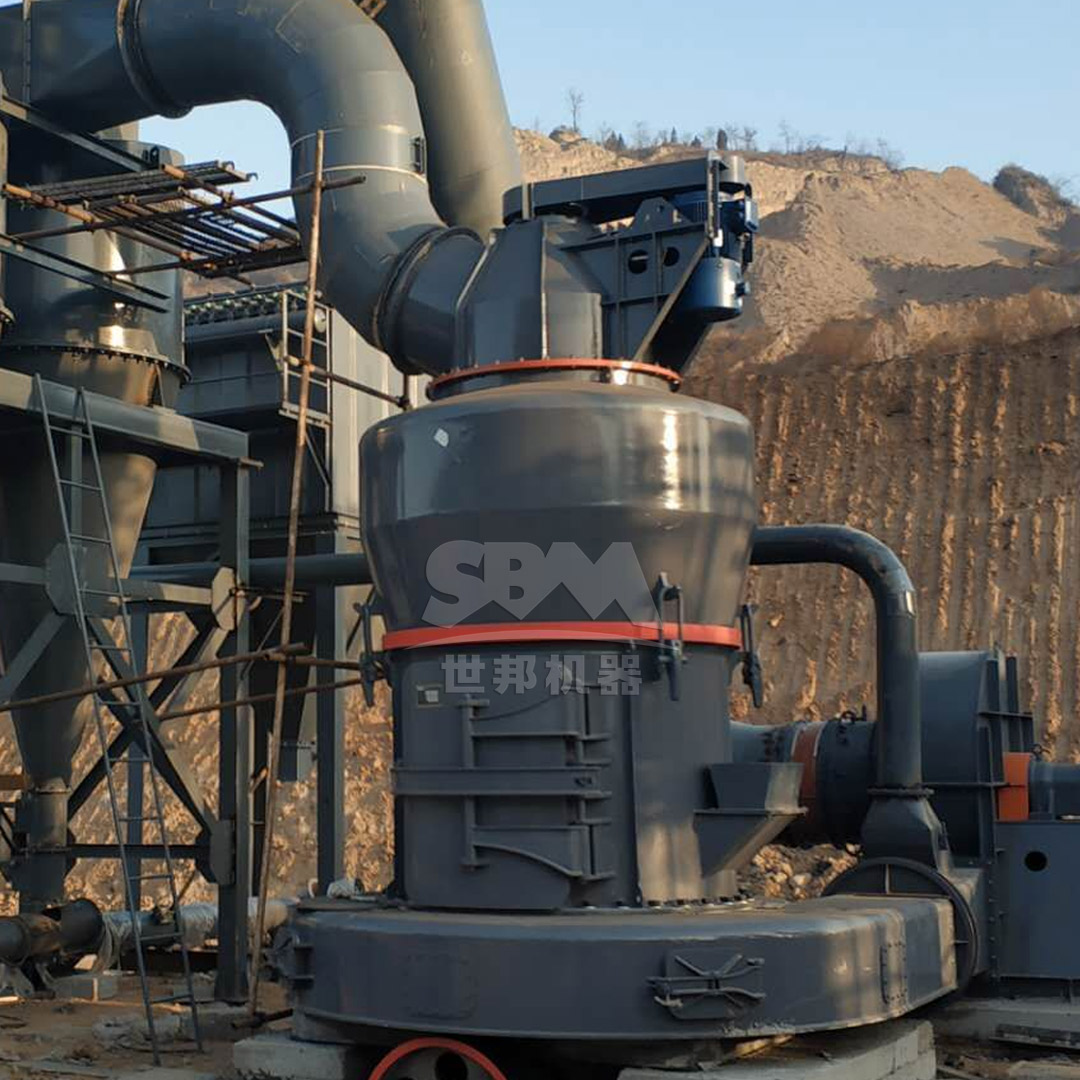
For coarse to medium-fine applications (30-325 mesh), the MTW Series Trapezium Mill offers an optimal solution. This advanced grinding system features innovative curved air channel technology that minimizes energy loss and enhances transmission efficiency. The combined blade design significantly reduces maintenance costs while extending the service life of grinding components. With processing capacities ranging from 3 to 45 tons per hour and the ability to handle feed materials up to 50mm, the MTW series provides the versatility needed for various limestone tailing processing requirements.
Ultra-Fine Grinding Solutions
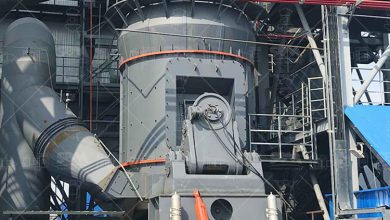
For high-value applications requiring ultra-fine powders (325-2500 mesh), specialized equipment is essential. The SCM Ultrafine Mill represents the cutting edge in fine grinding technology, capable of producing powders with D97 ≤ 5μm. This equipment features vertical turbine classifiers that ensure precise particle size control without coarse powder contamination. The intelligent control system automatically monitors and adjusts product fineness, while the energy-efficient design reduces power consumption by 30% compared to conventional jet mills.
The SCM series offers processing capacities from 0.5 to 25 tons per hour, making it suitable for both pilot-scale testing and full-scale production facilities. The environmental benefits extend beyond material utilization – the integrated pulse dust collection system exceeds international standards for emissions control, and the acoustic enclosure design maintains noise levels below 75dB.
Sustainable Applications in Construction
Concrete and Mortar Production
Processed limestone tailings serve as excellent supplementary cementitious materials (SCMs) in concrete and mortar formulations. When ground to appropriate fineness, these materials participate in pozzolanic reactions, enhancing the long-term strength and durability of concrete structures. The incorporation of 10-20% limestone powder as a cement replacement not only reduces the carbon footprint of concrete production but also improves workability and reduces the risk of thermal cracking in mass concrete elements.
Research has demonstrated that concrete containing properly processed limestone tailings exhibits comparable or superior performance to conventional concrete in terms of compressive strength, chloride resistance, and sulfate resistance. The fine particles fill the interstitial spaces between cement grains, resulting in a denser microstructure and reduced permeability.
Brick and Block Manufacturing
Limestone tailings can replace natural sand in the production of bricks and concrete blocks, reducing the depletion of river sand resources. The consistent particle size distribution achieved through advanced grinding processes ensures dimensional stability and improved surface finish in finished products. Manufacturers report that incorporating limestone tailings can reduce production costs by 15-25% while maintaining product quality standards.
Road Base and Sub-base Materials
Coarser fractions of limestone tailings provide excellent materials for road construction applications. When properly compacted, these materials form stable bases with good load-bearing capacity and drainage characteristics. The use of tailings in road construction not only conserves natural aggregates but also reduces transportation distances when processing facilities are located near construction sites, further lowering the environmental impact.
Agricultural Lime and Soil Stabilization
Beyond traditional construction applications, finely ground limestone tailings serve as effective soil amendments in agricultural and geotechnical applications. The high calcium carbonate content neutralizes acidic soils, improving crop yields while providing an environmentally friendly alternative to chemical treatments. In soil stabilization projects, limestone powders enhance the engineering properties of problematic soils, reducing swell potential and increasing bearing capacity.
Environmental and Economic Benefits
Reduced Carbon Footprint
The utilization of limestone tailings in construction materials significantly reduces the carbon footprint of both mining and construction industries. By replacing Portland cement – a major source of CO2 emissions – with limestone powders, the embodied carbon of concrete can be reduced by 10-15%. Additionally, the avoidance of tailings disposal eliminates methane emissions from decomposing organic matter in tailings ponds.
Conservation of Natural Resources
Every ton of limestone tailings utilized in construction applications represents a ton of natural resources preserved. This approach reduces the need for quarrying virgin materials, conserving landscapes and biodiversity. The substitution of river sand with processed tailings is particularly significant in regions experiencing sand shortages or where sand mining has caused environmental degradation.
Economic Advantages
The economic benefits of limestone tailings utilization extend throughout the value chain. Mining companies reduce disposal costs and generate additional revenue streams from what was previously considered waste. Construction companies benefit from lower material costs without compromising quality. Society gains from reduced environmental remediation costs and extended landfill lifespans.
Technical Considerations and Quality Control
Particle Size Optimization
The performance of limestone tailings in construction applications depends critically on particle size distribution. Different applications require specific fineness characteristics, necessitating precise control during the grinding process. Modern grinding equipment with integrated classification systems enables producers to tailor products to meet exact customer specifications, ensuring optimal performance in the final application.
Chemical Consistency
While limestone tailings primarily consist of calcium carbonate, variations in impurities can affect their suitability for certain applications. Regular chemical analysis and blending strategies ensure consistent quality. Advanced processing facilities employ automated monitoring systems to maintain product specifications within narrow tolerances.
Performance Testing
Comprehensive testing protocols validate the performance of construction materials incorporating limestone tailings. Standardized tests assess compressive strength, durability, workability, and long-term performance under various environmental conditions. Third-party certification provides assurance to specifiers and end-users regarding product quality and reliability.
Future Perspectives and Innovation
The utilization of limestone tailings in construction represents a growing field with significant potential for innovation. Emerging applications include their use in 3D printing of construction elements, development of carbon capture concretes, and production of ultra-high performance composites. Research continues to optimize processing parameters and develop new value-added products from what was once considered waste material.
Advances in grinding technology, particularly in energy efficiency and particle size control, will further enhance the economic viability and technical performance of limestone tailings in construction applications. The integration of digital technologies, including real-time monitoring and artificial intelligence, promises to optimize processing operations and product quality.
Conclusion
The utilization of limestone tailings in construction represents a paradigm shift toward circular economy principles in the built environment. Through advanced processing technologies like the MTW Series Trapezium Mill and SCM Ultrafine Mill, these formerly discarded materials can be transformed into high-value construction products with superior technical and environmental performance.
The sustainable applications of limestone tailings span concrete production, brick manufacturing, road construction, and soil stabilization, offering significant reductions in carbon emissions, conservation of natural resources, and economic benefits throughout the value chain. As technology advances and awareness grows, the construction industry stands to gain tremendously from embracing these innovative materials, moving closer to the goal of truly sustainable development.
The successful implementation of limestone tailings utilization requires collaboration among mining companies, equipment manufacturers, researchers, and construction professionals. By working together to optimize processes, validate performance, and develop standards, we can unlock the full potential of these valuable resources while building a more sustainable future.