Utilization of Desulfurization Gypsum: Resource Recovery Methods and Applications
Introduction
Desulfurization gypsum (FGD gypsum) is a by-product generated from flue gas desulfurization (FGD) processes, primarily in coal-fired power plants and various industrial facilities. With the global push towards cleaner air and stricter environmental regulations, the production of FGD gypsum has increased significantly. Traditionally viewed as waste, this material is now recognized as a valuable resource with diverse applications. Effective utilization of desulfurization gypsum not only mitigates environmental burdens associated with landfilling but also contributes to a circular economy by substituting for natural resources. This article explores the primary recovery methods, key applications, and the critical role of advanced processing equipment in transforming this industrial by-product into high-value materials.
Characteristics and Challenges of Desulfurization Gypsum
Desulfurization gypsum is primarily composed of calcium sulfate dihydrate (CaSO4·2H2O), similar to natural gypsum. However, its properties can vary based on the source of the flue gas and the specific desulfurization technology used (e.g., wet limestone scrubbing). It typically contains minor impurities such as fly ash, unreacted sorbents (like limestone), chlorides, and heavy metals. The material often has a high moisture content (10-15%) and a fine, sticky consistency, which presents challenges in handling, transportation, storage, and subsequent processing. The key to its successful utilization lies in efficient and controlled processing to achieve consistent purity, moisture content, and particle size distribution suitable for downstream applications.
Resource Recovery and Processing Methods
The transformation of raw, wet FGD gypsum into a usable resource involves several key processing steps. The choice of technology significantly impacts the quality, energy efficiency, and economic viability of the final product.
1. Primary Drying and Calcination
The first step often involves reducing the moisture content. While sun-drying is practiced in some regions, industrial-scale operations rely on mechanical dewatering (e.g., centrifuges, vacuum belt filters) followed by thermal drying in rotary dryers or flash dryers. For applications requiring hemihydrate (CaSO4·0.5H2O) or anhydrite (CaSO4), calcination is necessary. This process involves controlled heating to drive off crystalline water. Kettle calciners, rotary calciners, and more energy-efficient fluidized bed calciners are commonly used. The precise control of temperature and residence time is crucial to produce the desired phase (alpha or beta hemihydrate) with optimal physical properties for applications like plaster and building products.
2. Grinding and Classification
This is arguably the most critical step for determining the end-use value of processed gypsum. Whether for use as a cement retarder, in plasterboard, or as a high-value filler, achieving a specific and consistent fineness is paramount. The raw or calcined gypsum must be ground to the required particle size. This is where advanced milling technology becomes indispensable. Traditional ball mills are often used but can be energy-intensive. Modern vertical roller mills and specialized fine-grinding mills offer superior efficiency, better particle size control, and lower operational costs.
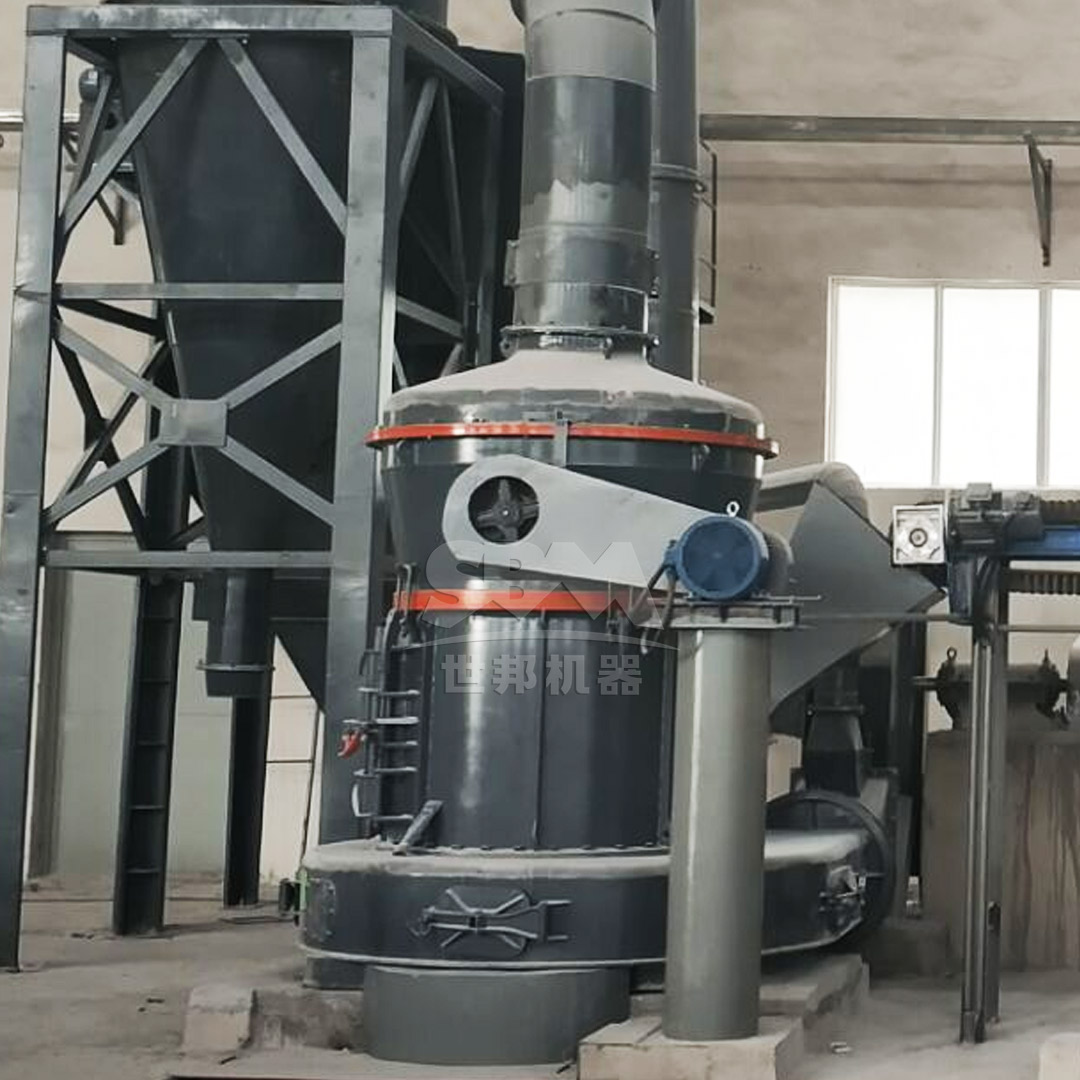
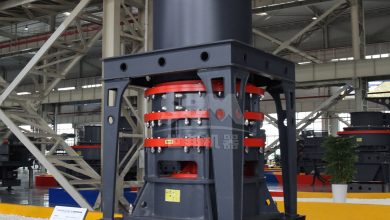
For instance, to produce ultra-fine gypsum powder (e.g., over 600 mesh) for high-performance polymer composites or specialty plasters, a high-precision grinding system is essential. Our SCM Ultrafine Mill series is perfectly engineered for this task. Capable of achieving an output fineness between 325-2500 mesh (D97 ≤5μm), it ensures the production of exceptionally uniform and fine powder. Its vertical turbine classifier guarantees precise particle size cuts without coarse powder contamination. Furthermore, with an energy consumption 30% lower than traditional jet mills and a capacity twice as high, the SCM series represents a leap forward in efficient, high-value gypsum processing, making it an ideal choice for operations aiming to produce premium-grade fillers or additives.
3. Purification and Beneficiation
Depending on the impurity levels, additional steps like washing, flotation, or magnetic separation may be employed to remove unwanted components like carbon, chlorides, or heavy metals, thereby increasing the whiteness and chemical purity of the gypsum product. This is particularly important for applications in the paper, paint, and medical industries.
Major Applications of Processed Desulfurization Gypsum
The processed gypsum finds extensive use across multiple sectors, driving its demand as a resource rather than a waste.
1. Construction Industry
This remains the largest consumer. Processed FGD gypsum is a direct substitute for natural gypsum in:
- Gypsum Plasterboard/Drywall: It is the core material for manufacturing wallboards, ceiling tiles, and partition panels. Consistency in setting time and strength is critical.
- Plasters and Joint Compounds: Calcined gypsum is used for finishing plasters, molding plasters, and ready-mix joint compounds.
- Self-Leveling Floor Underlayments: Fine-ground gypsum is a key component.
2. Cement and Concrete Production
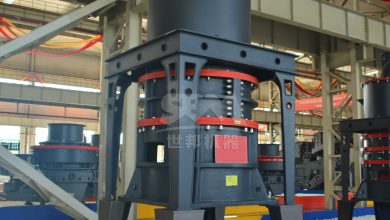
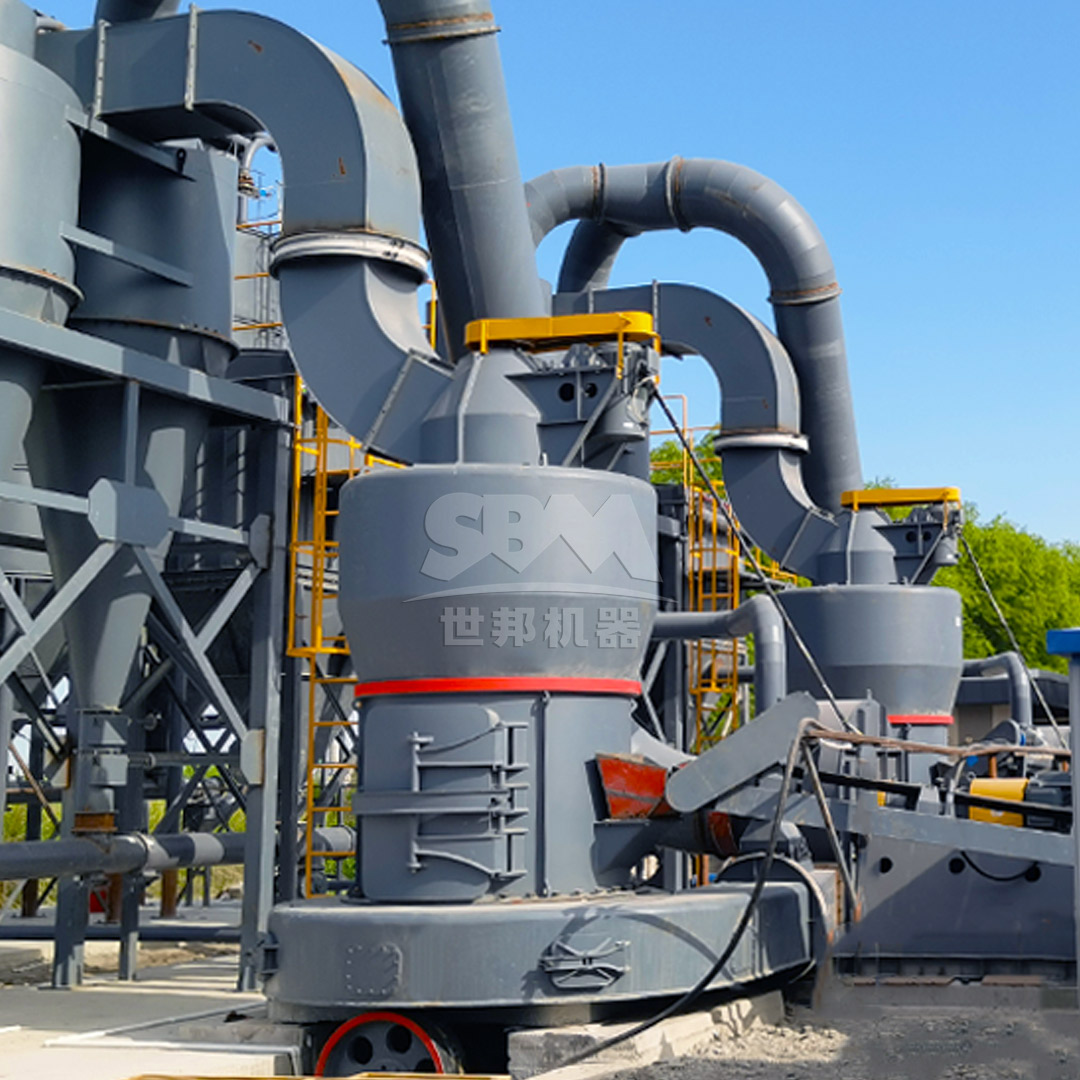
Gypsum is added as a set retarder during Portland cement clinker grinding to control the hydration rate of tricalcium aluminate (C3A). FGD gypsum performs this function effectively. For this application, a consistent grind to a medium fineness (typically around 200 mesh) is required to ensure uniform dispersion and reactivity in the cement mix. Our MTW Series Trapezium Mill excels in this area. With a robust capacity ranging from 3 to 45 tons per hour and an output fineness adjustable between 30-325 mesh, it is a workhorse for producing cement-grade gypsum powder. Its innovative curved air duct design minimizes energy loss, and the wear-resistant components like the combined shovel blades significantly reduce maintenance costs, ensuring reliable and economical operation for high-volume cement plant feedstocks.
3. Agriculture
Gypsum is a valuable soil amendment. It provides calcium and sulfur, essential plant nutrients. It improves soil structure, promotes water infiltration, reduces crusting, and can help mitigate soil sodicity (high sodium content). Agricultural-grade gypsum requires less stringent fineness but must be low in harmful impurities.
4. High-Value Niche Applications
With advanced processing, FGD gypsum enters specialized markets:
- Fillers in Polymers, Paints, and Paper: Ultra-fine, high-purity gypsum acts as a functional filler, improving properties and reducing costs.
- Medical and Dental: Highly purified gypsum is used for surgical splints and dental molds.
- Food and Pharmaceutical: As a calcium source or processing aid (e.g., tofu coagulant), requiring the highest purity grades.
The Critical Role of Advanced Milling Technology
The economic and technical success of a desulfurization gypsum valorization project hinges on selecting the right size reduction equipment. The mill must handle the sometimes-abrasive and occasionally moist feed, deliver precise and adjustable fineness for different markets, operate with high energy efficiency, and ensure low maintenance downtime.
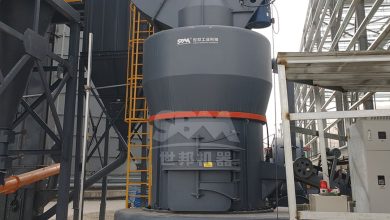
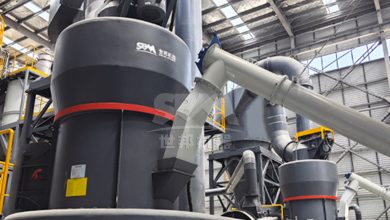
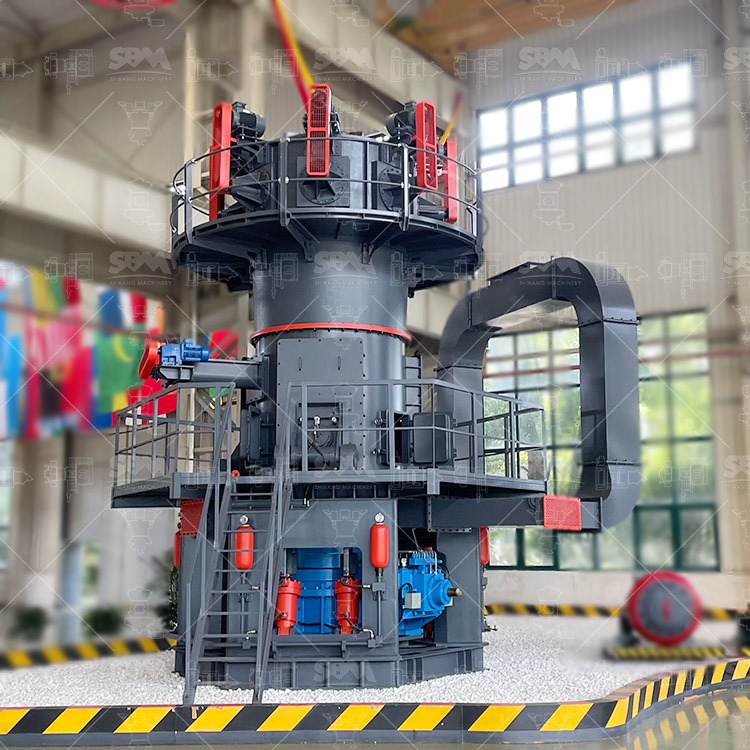
A versatile solution for large-scale operations targeting multiple product grades from coarse agricultural powder to fine construction plaster is the LM Series Vertical Roller Mill. This system integrates multiple functions—grinding, drying, classifying, and conveying—into a single, compact unit. Its集约化设计 (intensive design) reduces the plant footprint by up to 50%. The non-contact grinding principle between the roller and disc extends the life of wear parts dramatically, while its energy consumption is 30-40% lower compared to traditional ball mill systems. For processing high-moisture FGD gypsum, its integrated drying capability using hot gases is a significant advantage. With models offering capacities from 3 to over 250 tons per hour and fineness from 30 to 600 mesh, the LM series provides unmatched flexibility and efficiency for major gypsum processing centers.
Conclusion and Future Outlook
The utilization of desulfurization gypsum represents a paradigm shift from waste management to resource recovery. Its successful integration into construction, agriculture, and high-tech industries underscores its value. The future of this field lies in developing more efficient, integrated, and intelligent processing lines that can adapt to varying feedstock qualities and produce a wider range of specification-grade products with minimal environmental impact. Continued innovation in grinding, classification, and purification technologies—exemplified by equipment like the SCM Ultrafine Mill, MTW Trapezium Mill, and LM Vertical Roller Mill—will be the cornerstone of this evolution, enabling the industry to fully unlock the potential of this abundant and sustainable material.