
Utilization Methods of Blast Furnace Slag and Configuration of Slag Micro Powder Production Line for Cement and Concrete
1. Introduction: The Value of Blast Furnace Slag
Blast furnace slag (BFS), a by-product of the iron-making process, has evolved from an industrial waste into a highly valuable resource for the construction industry. When properly processed into ground granulated blast furnace slag (GGBFS) or slag micro powder, it exhibits excellent latent hydraulic and pozzolanic properties. Incorporating slag powder into cement and concrete significantly enhances performance metrics such as long-term strength, durability (especially sulfate and chloride resistance), and reduces the heat of hydration. This not only improves the sustainability profile of construction materials by lowering the carbon footprint associated with Portland cement clinker production but also offers substantial economic benefits. The core to unlocking this value lies in efficient and precise grinding technology to achieve the required fineness and activity index.
2. Primary Utilization Methods of Blast Furnace Slag
2.1 As a Cementitious Component in Blended Cements
GGBFS is a primary constituent in Portland slag cement (e.g., CEM II, CEM III as per EN 197). The micro powder, typically with a specific surface area exceeding 400 m²/kg (or around 45μm residue), reacts with calcium hydroxide liberated during cement hydration to form additional calcium silicate hydrate (C-S-H) gel. This results in concrete with improved later-age strength, lower permeability, and enhanced chemical resistance, making it ideal for marine structures, foundations, and mass concrete projects.
2.2 As a Mineral Admixture in Concrete
Slag micro powder is widely used as a direct addition to ready-mix concrete at batching plants. As a supplementary cementitious material (SCM), it can replace 20-70% of Portland cement, depending on the application. Beyond the durability benefits, it improves workability, reduces water demand, and mitigates the risk of alkali-silica reaction (ASR). The key to its effectiveness is consistent particle size distribution and high fineness, which governs its reactivity.
2.3 Other Applications
Processed slag also finds use in the production of slag wool (an insulation material), as an aggregate in road bases, and in soil stabilization. However, its highest value-addition is achieved in the cement and concrete sectors as a micro powder.
3. Key Considerations for Slag Micro Powder Production
Producing high-quality slag powder requires careful attention to several factors:
- Grindability: Slag is generally harder and more abrasive than cement clinker, demanding robust grinding equipment.
- Moisture Content: Granulated slag must be dried to a moisture content typically below 1% before fine grinding to prevent clogging and ensure efficiency.
- Target Fineness & Product Uniformity: The activity index is directly correlated with fineness. A narrow particle size distribution ensures predictable and optimal performance in concrete.
- Energy Efficiency: Grinding is energy-intensive. Selecting technology that maximizes throughput while minimizing kWh/ton is critical for economic viability.
- System Reliability & Maintenance: The abrasive nature of slag necessitates equipment with superior wear resistance and designs that facilitate easy maintenance.
4. Configuration of a Modern Slag Micro Powder Production Line
A complete and efficient production line integrates several key subsystems:
4.1 Raw Material Handling & Drying System
Granulated slag from storage is fed via a conveyor to a pre-drying system, often integrated with a grinding mill’s hot gas generator. Efficient drying is paramount.
4.2 Core Grinding & Classification System
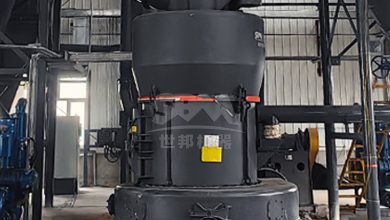
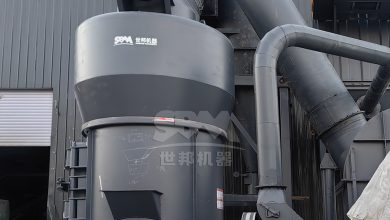
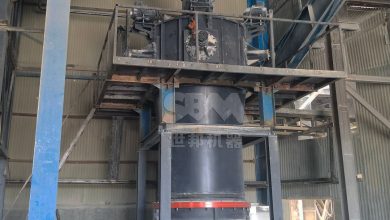
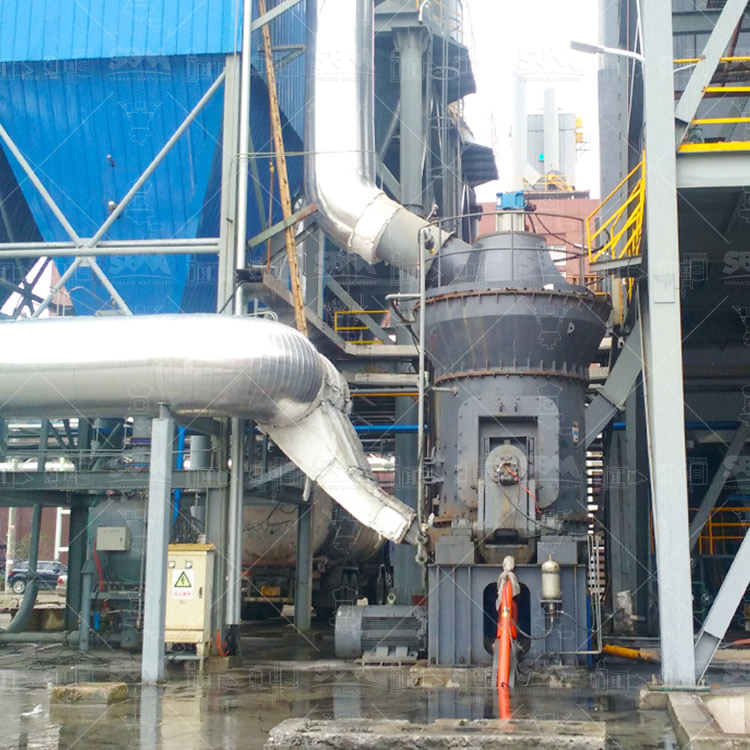
This is the heart of the plant. The choice of grinding mill determines product quality, output, and operational cost. Vertical Roller Mills (VRMs) have become the industry standard for slag grinding due to their superior energy efficiency. A VRM system integrates grinding, drying, and classification in a single compact unit.
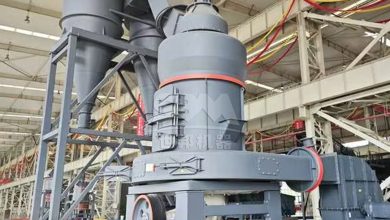
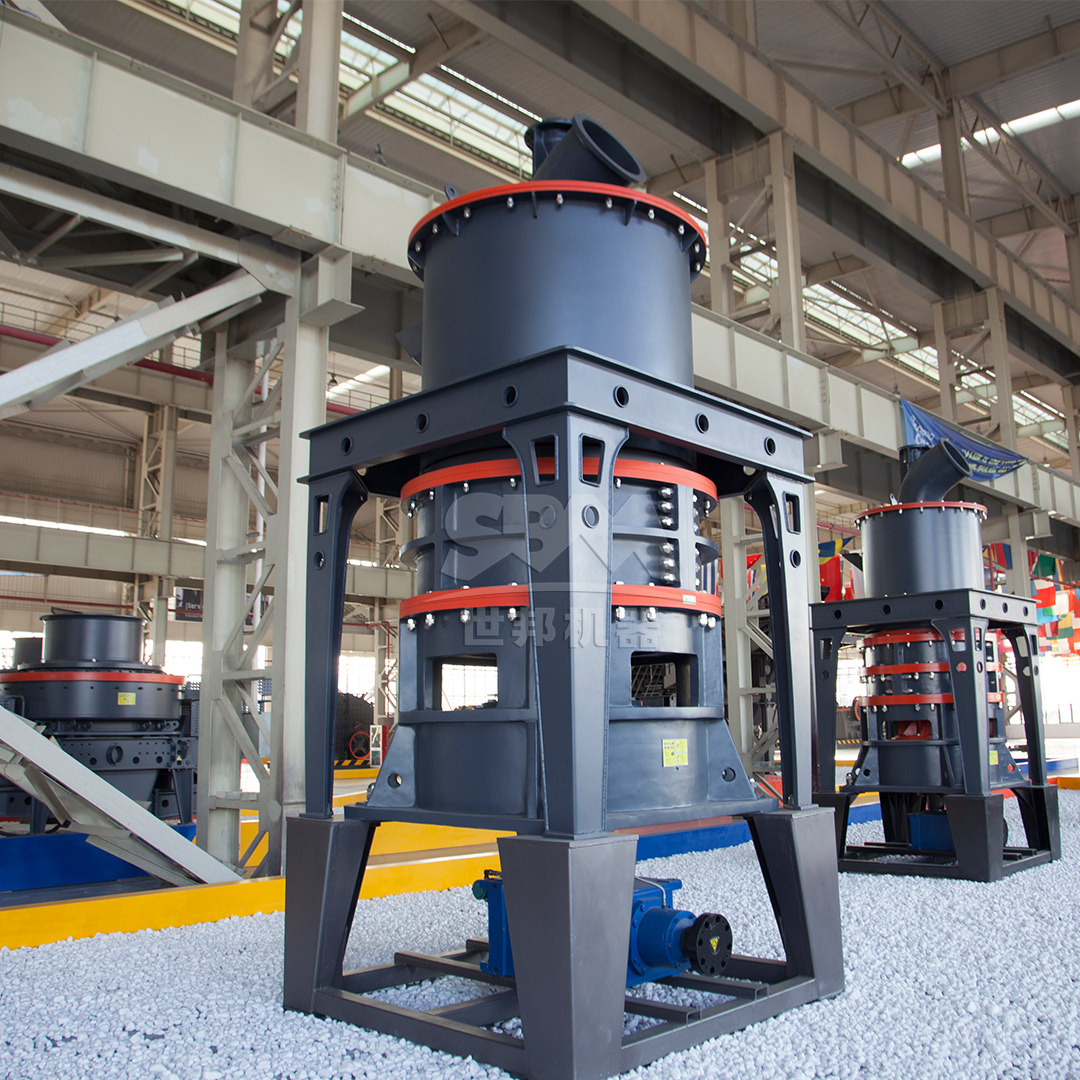
For projects requiring the production of ultra-fine slag powder (exceeding 450 m²/kg) for high-performance concrete, an advanced grinding solution is essential. We recommend our SCM Series Ultrafine Mill. This mill is engineered to produce powder in the range of 325 to 2500 mesh (45-5μm) with exceptional uniformity. Its high-precision vertical turbine classifier ensures no coarse particles are mixed into the final product, guaranteeing a high activity index. With a capacity range of 0.5 to 25 tons per hour and energy consumption reported to be 30% lower than traditional jet mills, the SCM Series represents a technologically advanced and economical choice for premium slag powder production.
4.3 Product Conveying & Storage
The finished micro powder is pneumatically conveyed to large storage silos equipped with aeration systems to prevent compaction. Automated loading systems for bulk tankers or bagging machines complete the line.
4.4 Dust Collection & Environmental Control
A high-efficiency pulse-jet baghouse filter, with a collection efficiency exceeding 99.9%, is mandatory to meet environmental standards and recover valuable product. Modern mills are designed for fully sealed, negative-pressure operation.
5. Recommended Grinding Solutions for Slag Processing
Selecting the right mill depends on capacity requirements, desired product fineness, and total cost of ownership. Beyond the SCM Series for ultra-fine applications, another highly effective solution for standard and large-scale slag powder production is our LM Series Vertical Roller Mill (Slag Mill Models – LMxxxN series).
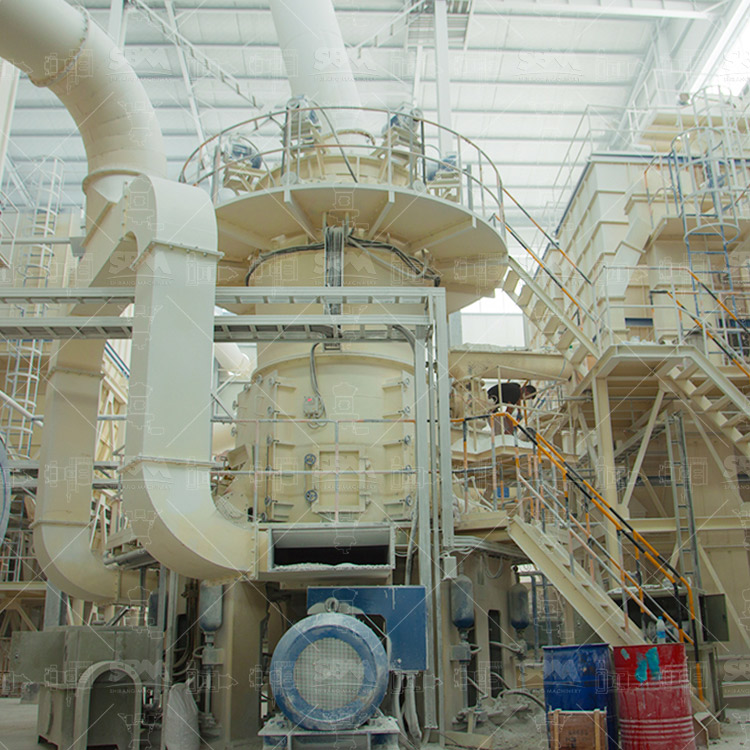
The LM Vertical Roller Mill is specifically designed for slag grinding. Its integrated design combines drying, grinding, and classification, reducing floor space by approximately 50%. Key advantages for slag include:
- Low Operating Cost: Its grinding principle (bed comminution) and non-contact design between rollers and table result in energy savings of 30-40% compared to ball mill systems and significantly extend the life of wear parts.
- High Capacity & Stability: Models like the LM220N or LM280N can handle capacities from 36 to over 100 tons per hour, making them ideal for large steel plants or dedicated slag powder stations.
- Excellent Product Control: The dynamic classifier allows for flexible and precise adjustment of fineness, typically between 4000-5500 cm²/g Blaine, to meet various market specifications.
- Environmental Compliance: The fully sealed system with negative pressure ensures dust emissions are well below national standards.
For a complete slag powder line, the system can be optimally configured by pairing a hammer mill or crusher for primary size reduction (to ≤50mm) with the LM Vertical Roller Mill as the core grinder, supported by our proprietary pulse dust collection and intelligent control systems.
6. Conclusion
The utilization of blast furnace slag as a high-performance SCM is a cornerstone of sustainable construction. The economic and technical success of this endeavor hinges on deploying advanced, reliable, and energy-efficient grinding technology. A well-configured production line, centered on core equipment like the energy-saving LM Series Vertical Roller Mill for high-volume production or the precision-oriented SCM Series Ultrafine Mill for premium ultra-fine products, enables producers to transform a by-product into a consistent, high-value commodity. By investing in such technology, the cement and concrete industry can significantly reduce its environmental impact while enhancing material performance and profitability.