Unlocking the Potential: Grinding and Application of Vanadium Titanium Blast Furnace Slag
Introduction
Vanadium Titanium Blast Furnace Slag (VTBFS), a by-product of the smelting process in blast furnaces using vanadium-titanium magnetite ore, represents both a significant waste management challenge and a substantial opportunity for resource utilization. Rich in valuable components like titanium, vanadium, and silicon, the effective processing of VTBFS is crucial for enhancing economic returns and promoting environmental sustainability in the metallurgical industry. The key to unlocking this potential lies in advanced grinding technology, which transforms this coarse industrial residue into high-value, fine powders for various applications.
Characteristics and Challenges of VTBFS
VTBFS is characterized by its high hardness, abrasiveness, and complex mineralogical composition. The presence of perovskite, spinel, and diopside phases contributes to its tough, wear-resistant nature. These very properties that make it a challenging material to handle also make the resulting powder desirable for applications requiring durability and specific chemical properties. Traditional grinding equipment often suffers from rapid wear, high energy consumption, and inconsistent product quality when processing VTBFS, necessitating the use of specialized, robust milling solutions.
The Critical Role of Grinding Technology
Fine grinding is not merely a size reduction process; it is a liberation step. For VTBFS, comminution unlocks the latent hydraulic activity needed for its use as a supplementary cementitious material (SCM) in concrete. It also liberates valuable metal oxides for further extraction processes and creates the specific surface area and particle morphology required for functional filler applications. The efficiency, controllability, and cost-effectiveness of the grinding operation directly determine the technical and economic feasibility of recycling VTBFS.
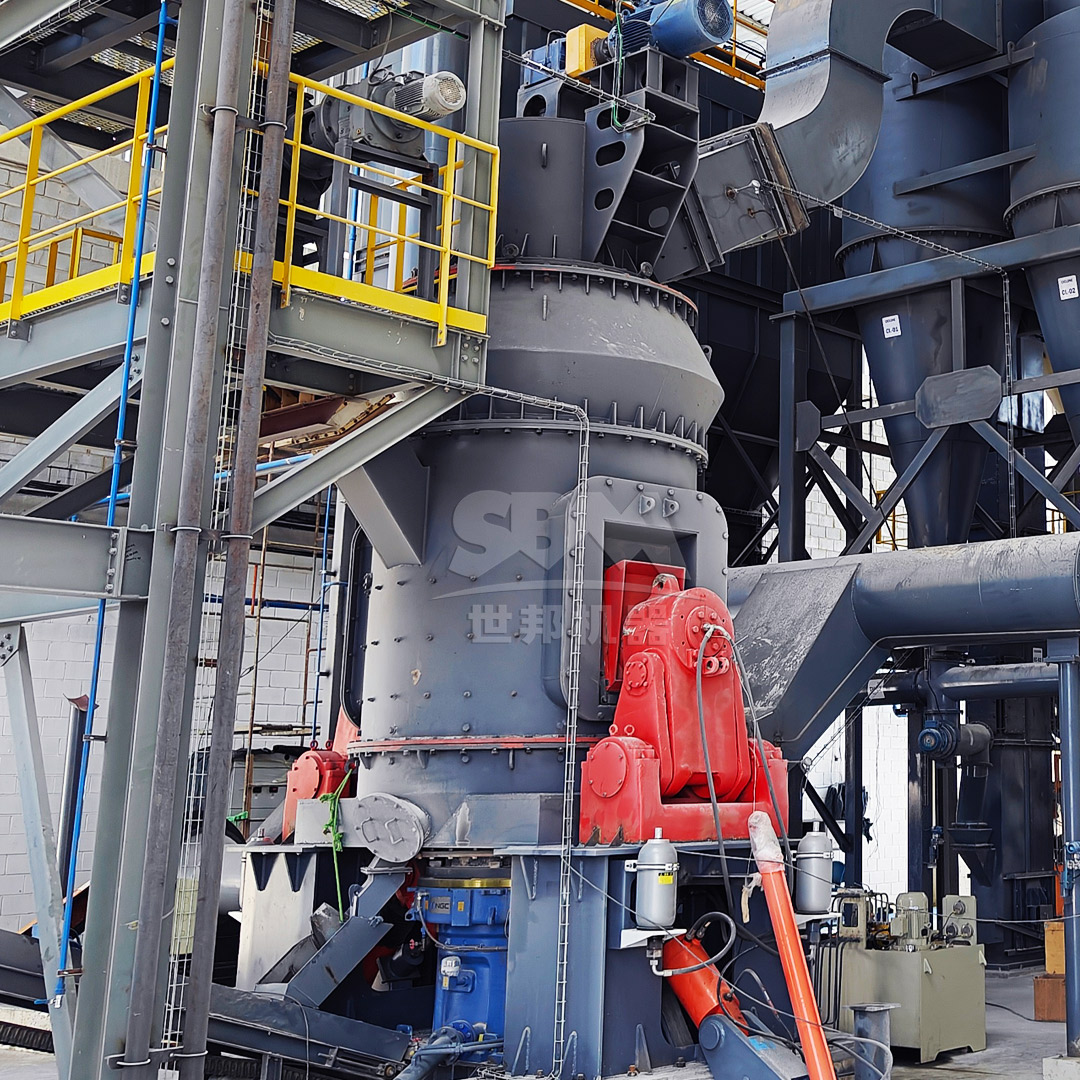
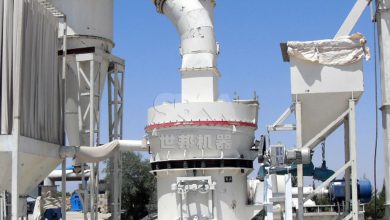
Recommended Grinding Solution: SCM Series Ultrafine Mill
For applications demanding ultra-fine powders (325-2500 mesh, D97 ≤5μm), such as high-performance concrete additives or advanced ceramic precursors, the SCM Series Ultrafine Mill is an ideal choice. This mill is specifically engineered to tackle hard, abrasive materials like VTBFS efficiently.
Its technical advantages are particularly relevant:
- High-Efficiency & Energy Saving: With an output twice that of jet mills and 30% lower energy consumption, it significantly reduces the operating costs of producing ultrafine VTBFS powder.
- High-Precision Classification: The integrated vertical turbine classifier ensures sharp particle size cuts and a uniform product without coarse particle contamination, which is critical for quality-sensitive applications.
- Durable Design:\ The use of special wear-resistant materials for the grinding roller and ring, combined with a bearing-less screw grinding chamber, offers exceptional longevity and stable operation even with highly abrasive slag.
- Environmental Compliance: The pulse dust collection system exceeds international standards, ensuring a clean working environment, while the soundproof room design keeps noise levels below 75dB.
With models like the SCM1250 (handling 2.5-14 tons/hour with a 185kW main motor) or the larger SCM1680 (5.0-25 tons/hour, 315kW), operations can be scaled to meet specific production requirements for ultrafine VTBFS powder.
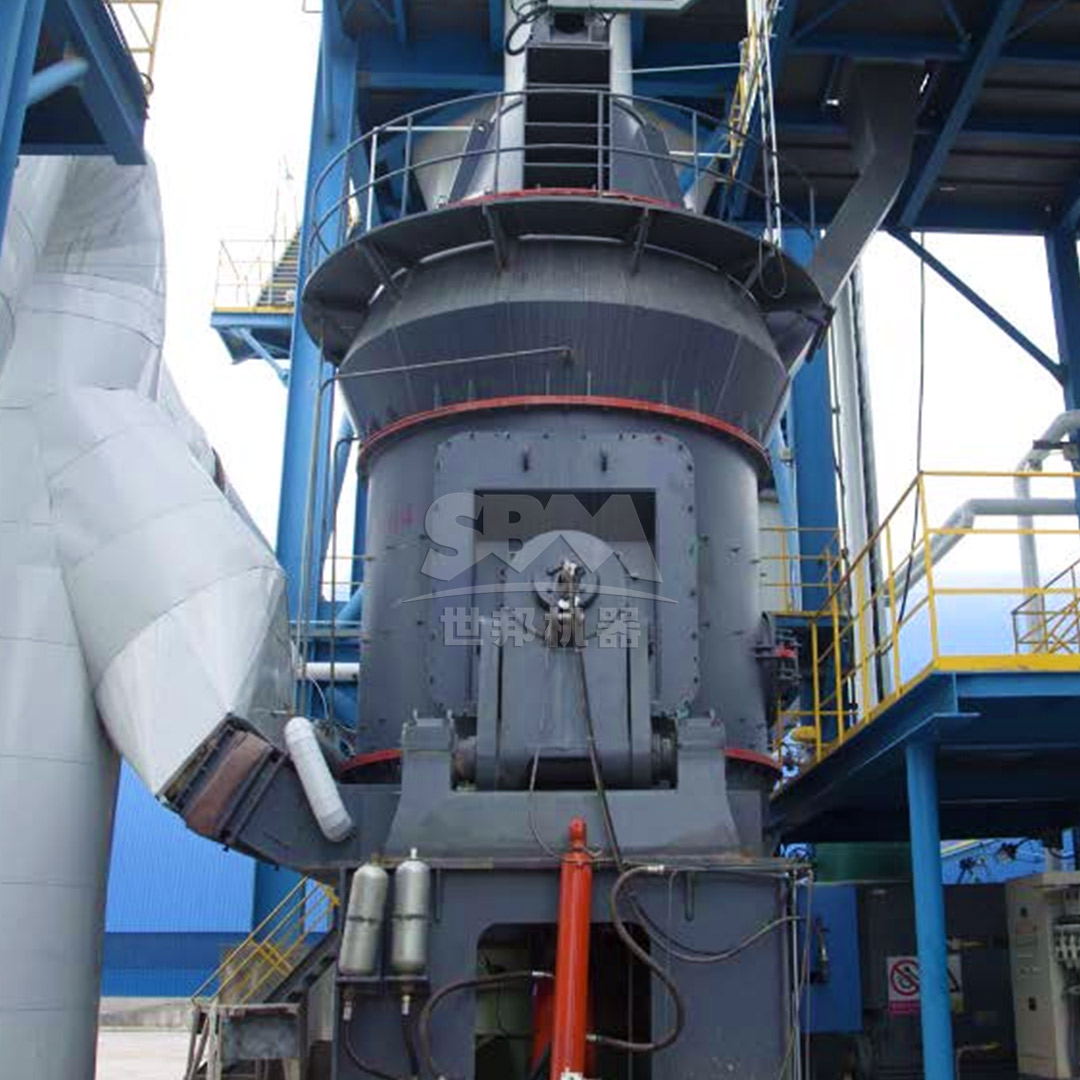
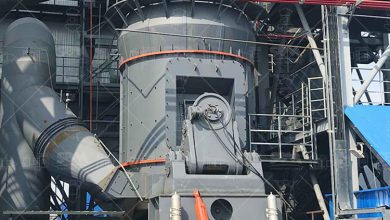
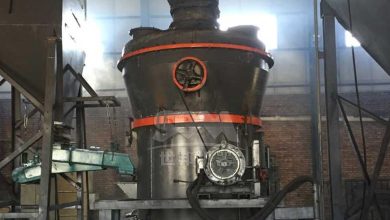
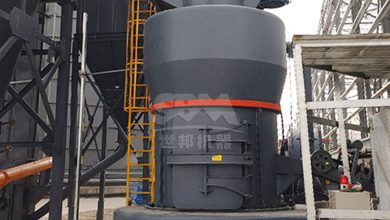
Alternative Solution: LM Series Vertical Roller Mill
For large-scale production where the target fineness is in the range of 30-325 mesh, the LM Series Vertical Roller Mill offers unparalleled efficiency and lower capital footprint. Its集约化设计 (Intensive Design) integrates crushing, grinding, and classification into a single unit, reducing the plant footprint by 50% and foundation costs by 40%.
Its key benefits for VTBFS grinding include:
- Low Operating Costs: The non-contact grinding principle and superior wear part design result in a threefold increase in lifespan compared to traditional mills, while energy consumption is 30-40% lower than ball mill systems.
- Intelligent Control: An expert automatic control system allows for remote monitoring and adjustment of key parameters, ensuring consistent product quality and reducing manual intervention.
- Proven for Slag: Dedicated Vertical Slag Mill models (e.g., LM220N with 20-26 t/h capacity) are specifically designed for the humidity and grindability parameters of granulated blast furnace slag, making them perfectly suited for VTBFS.
Applications of Ground VTBFS Powder
The finely ground VTBFS powder opens doors to numerous high-value markets:
- Construction Industry: As a high-quality SCM, it partially replaces cement in concrete, improving long-term strength, durability, and chemical resistance while significantly reducing the carbon footprint of construction.
- Recovery of Valuables:
The increased surface area from grinding improves the efficiency of subsequent processes for extracting titanium and vanadium, turning waste into a strategic resource. - Functional Fillers: In paints, coatings, and polymers, the fine VTBFS powder can act as a functional filler, enhancing properties like wear resistance, UV reflection, and thermal stability.
- Geopolymer Cement: The aluminosilicate content in VTBFS makes it a prime raw material for producing geopolymer cements, a more sustainable alternative to Ordinary Portland Cement.
Conclusion
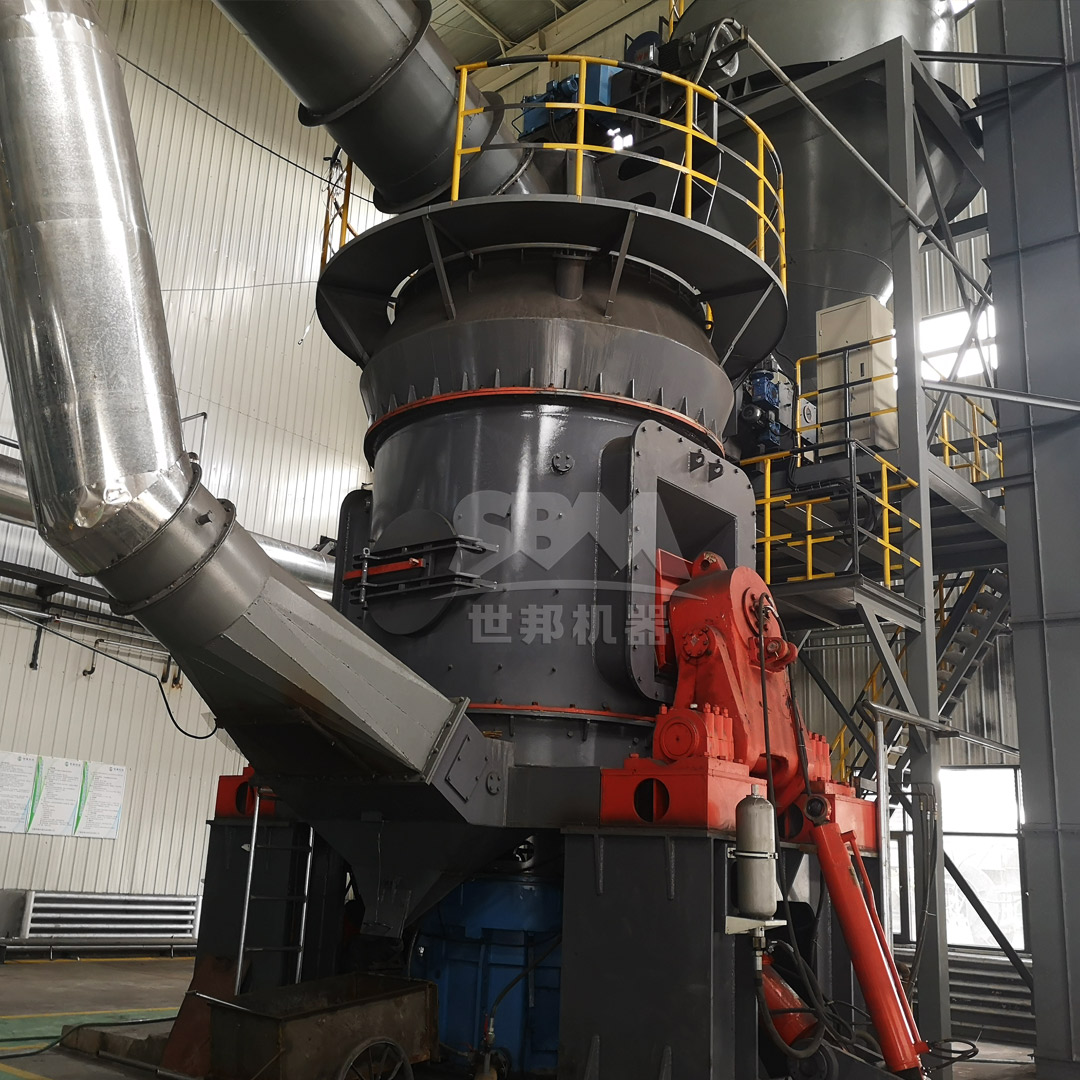
The journey of Vanadium Titanium Blast Furnace Slag from an industrial waste to a valuable resource is paved by advanced grinding technology. The selection of the right milling equipment, such as the high-precision SCM Ultrafine Mill for ultra-fine products or the robust and efficient LM Vertical Roller Mill for large-scale production, is paramount to achieving the desired product characteristics economically and sustainably. By embracing these technologies, the metallurgical and construction industries can unlock the immense potential of VTBFS, contributing to a more circular and resource-efficient economy.