Types of Metallurgical Fluxes: A Comprehensive Guide
Introduction to Metallurgical Fluxes
In the complex and precise world of metallurgy, fluxes play an indispensable role. These materials, added to the furnace charge during smelting, refining, and other high-temperature processes, are essential for controlling the chemical and physical environment. Their primary functions are to remove impurities, protect the molten metal from oxidation, adjust slag fluidity and composition, and improve the overall efficiency and quality of the metal production process. The selection of the correct flux, with the appropriate chemical composition and physical properties, is critical for achieving desired metal purity, yield, and operational cost-effectiveness. This guide explores the main types of metallurgical fluxes, their applications, and the importance of precise preparation, including particle size control, for optimal performance.
Primary Types of Metallurgical Fluxes
Fluxes are broadly categorized based on their chemical nature and the specific function they perform in the metallurgical process. The two most fundamental categories are basic fluxes and acidic fluxes.
1. Basic Fluxes
Basic fluxes are typically oxides, carbonates, or hydroxides of alkali or alkaline earth metals. They are used to react with and neutralize acidic impurities (like silica and phosphorus pentoxide) that form during smelting, creating a fluid slag that can be easily separated from the molten metal.
- Lime (Calcium Oxide, CaO): The most common and important basic flux, especially in steelmaking (Basic Oxygen Furnace, Electric Arc Furnace) and non-ferrous metallurgy. It effectively removes silica (SiO2), phosphorus, and sulfur.
- Limestone (Calcium Carbonate, CaCO3): Often used in blast furnaces for iron production. When heated, it decomposes to CaO (lime) and CO2, providing the basic fluxing agent in situ.
- Dolomite (CaMg(CO3)2): A source of both CaO and MgO. Magnesium oxide helps protect refractory linings and improves slag properties, making it valuable in steelmaking.
- Fluorspar (Calcium Fluoride, CaF2): While not a basic compound itself, it is a crucial flux additive. It dramatically lowers the melting point and viscosity of basic slags, increasing their fluidity and reactivity—a process known as “thinning the slag.”
2. Acidic Fluxes
Acidic fluxes are used to react with and remove basic impurities. They are primarily silica-based and are common in processes dealing with basic ores.
- Silica (SiO2) / Quartz Sand: The principal acidic flux. It is used in copper and lead smelting to form silicates with basic impurities like iron oxide, creating a fayalite slag.
- Boron-based Compounds (e.g., Borax, Na2B4O7): Used in foundries and non-ferrous metal refining (e.g., gold, silver) as a powerful flux that dissolves metallic oxides, producing a low-melting-point slag.
3. Neutral / Amphoteric Fluxes
These fluxes can act as either acidic or basic depending on the slag composition they are added to. They primarily function as slag thinners or glass formers.
- Alumina (Al2O3): Found in materials like bauxite or fireclay. It modifies slag viscosity and structure.
- Cryolite (Na3AlF6): Primarily used as the solvent for alumina in the Hall-Héroult process for aluminum electrolysis, drastically lowering the melting point of the mixture.
4. Reducing and Oxidizing Fluxes
These fluxes control the oxygen potential within the melt.
- Reducing Fluxes: Materials like coke, charcoal, or calcium carbide are used to create a reducing atmosphere, preventing oxidation of the desired metal or reducing metal oxides back to metallic form.
- Oxidizing Fluxes: Materials like iron oxide or nitrates are used to oxidize and remove impurities like carbon, silicon, or phosphorus from the melt, transferring them into the slag.
The Critical Role of Particle Size in Flux Performance
The effectiveness of a flux is not determined solely by its chemical composition. Its physical characteristics, most importantly particle size and distribution, are paramount. Properly ground flux materials offer several key advantages:
- Enhanced Reactivity: A finer particle size dramatically increases the surface area exposed to the molten bath, leading to faster dissolution and more complete chemical reactions. This improves impurity removal efficiency and process kinetics.
- Uniform Slag Formation: Consistently sized flux particles melt and react more uniformly, preventing localized variations in slag chemistry and viscosity, which can lead to operational issues and inconsistent metal quality.
- Improved Dispersion: Fine powder can be more evenly distributed throughout the charge or injected into the melt, ensuring thorough mixing and contact with impurities.
- Controlled Addition Rates: Precise particle size allows for accurate metering and injection, enabling better process control and optimization of flux consumption, which directly impacts cost.
Therefore, investing in high-performance grinding technology is not an ancillary cost but a core component of an efficient and modern metallurgical operation.

Advanced Grinding Solutions for Flux Preparation
To achieve the precise particle size distributions required for modern metallurgical processes, specialized milling equipment is essential. Different flux materials and target finenesses demand different grinding technologies.
For Coarse to Medium Grinding (600-45μm / 30-325 mesh)
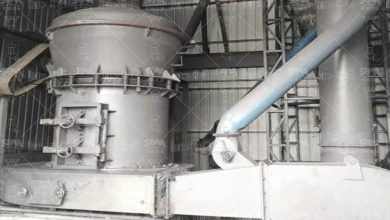
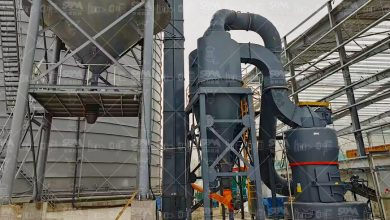
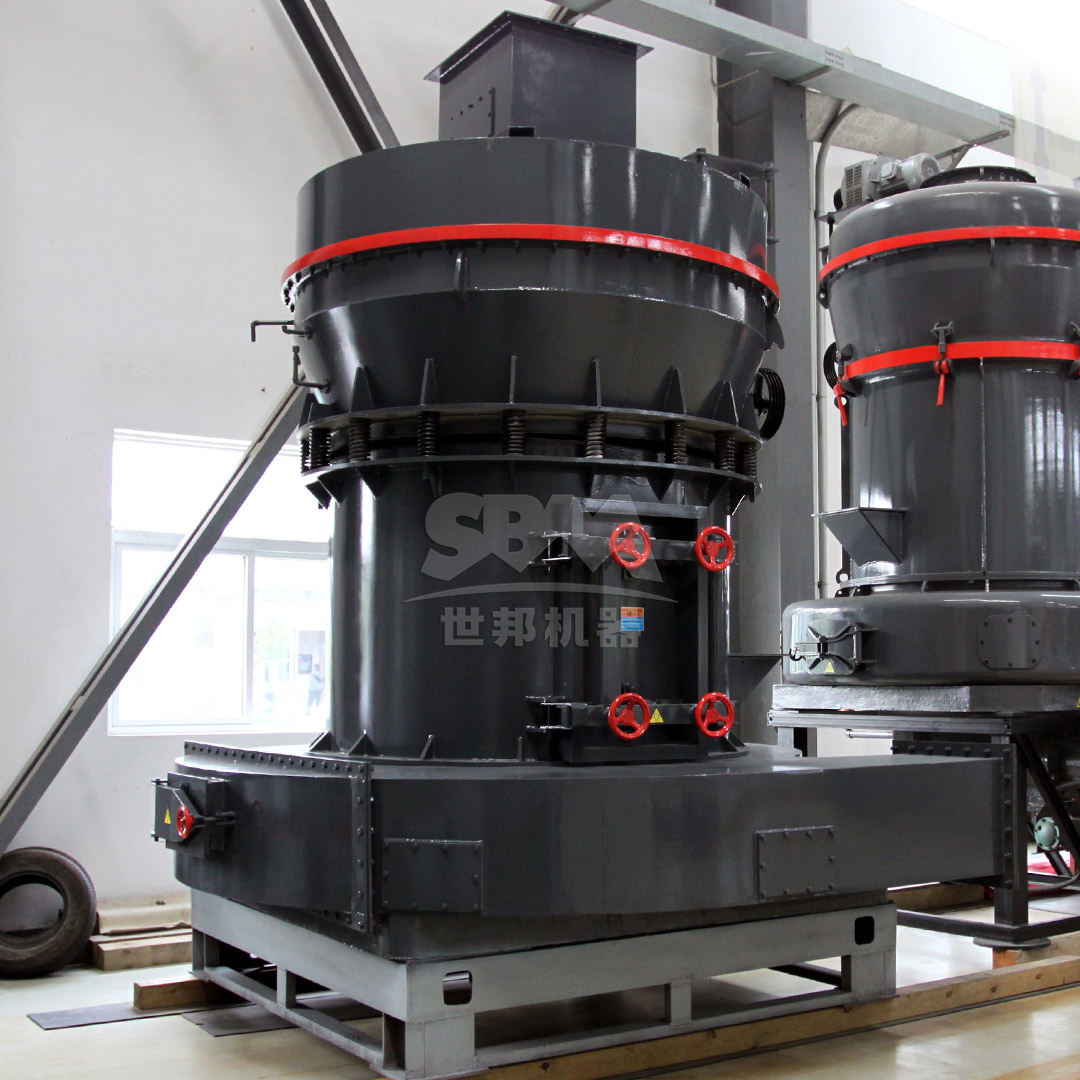
Many fluxes, such as limestone and dolomite for initial slag formation, require grinding in this range. The MTW Series European Trapezium Mill is an exemplary solution for this duty. Engineered for high capacity and reliability, it features an integral bevel gear drive with 98% transmission efficiency and an anti-wear shovel design that significantly reduces maintenance costs. Its optimized arc air duct and wear-resistant volute structure ensure stable operation and precise classification from 30 to 325 mesh, making it ideal for preparing large volumes of basic fluxes for blast furnaces or primary steelmaking.
For Ultrafine and High-Precision Grinding (45-5μm / 325-2500 mesh)
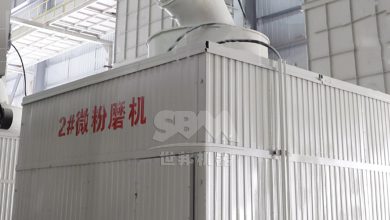
Advanced processes, especially in non-ferrous metallurgy or for specialized flux blends, often demand ultrafine powders. The SCM Series Ultrafine Mill is specifically designed for this challenging application. It combines high efficiency with remarkable energy savings, offering capacity twice that of jet mills while consuming 30% less energy. Its core advantage lies in its high-precision vertical turbine classifier, which ensures sharp particle size cuts and a uniform finished product without coarse powder mixing. For operations requiring the highest purity and reactivity from fluxes like specialized borates or finely ground lime for injection processes, the SCM Series provides unparalleled control over fineness up to 2500 mesh.

Conclusion
Understanding the types and functions of metallurgical fluxes is fundamental to controlling any smelting or refining operation. From basic lime to acidic silica and specialized additives like fluorspar, each flux plays a targeted role in impurity management and process optimization. However, the theoretical benefits of a flux can only be fully realized through proper physical preparation. The particle size and consistency of the flux material are critical levers for maximizing reactivity, ensuring uniform process outcomes, and minimizing waste. By pairing the correct flux chemistry with advanced grinding technology—such as the versatile MTW Series for coarse-medium grinding or the high-precision SCM Series for ultrafine applications—metallurgical plants can achieve significant gains in efficiency, product quality, and overall cost-effectiveness, securing a competitive edge in a demanding industry.