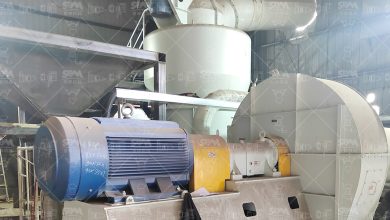
Types of Calcium Oxide Production Equipment and Which Mill is Best for Grinding Calcium Oxide
Introduction
Calcium oxide (CaO), commonly known as quicklime or burnt lime, is a crucial industrial chemical with widespread applications in steelmaking, construction (as a key component in cement and mortar), environmental treatment (flue gas desulfurization), and chemical synthesis. The production of high-quality calcium oxide involves two primary stages: calcination of calcium carbonate (limestone) and subsequent grinding of the resulting quicklime to the desired fineness. The choice of grinding equipment is paramount, as it directly impacts product quality, energy efficiency, production capacity, and overall operational costs. This article provides a comprehensive overview of the primary equipment used in calcium oxide production and offers a detailed analysis to determine the optimal milling solution for grinding calcium oxide.
Stage 1: Calcination Equipment for Calcium Oxide Production
Before grinding, limestone (CaCO₃) must be thermally decomposed into calcium oxide and carbon dioxide in a process called calcination. The efficiency and design of the calciner significantly influence the physical and chemical properties of the quicklime, which in turn affects its grindability.
1. Shaft Kilns (Mixed-Feed & Parallel-Flow Regenerative Kilns)
These are vertical kilns where limestone and fuel (typically coke or gas) are charged from the top. Heat from the combustion gases calcines the stone as it moves downward. Modern regenerative kilns (like PFR kilns) recover waste heat, offering improved thermal efficiency (as low as 3.6 GJ/ton of lime) and producing high-quality, uniformly calcined lime with low residual CO2. They are suitable for medium to large-scale production.
2. Rotary Kilns
A long, slightly inclined rotating cylinder where limestone tumbles and moves from the feed end to the discharge end, counter-current to hot gases. Rotary kilns offer excellent mixing, high production rates, and can handle a wide range of stone sizes. They are highly automated but generally have higher capital costs and energy consumption (around 4.5-6 GJ/ton) compared to advanced shaft kilns. They are ideal for large-scale, continuous production and can be fired with various fuels.
3. Fluidized Bed Calciners
This advanced technology suspends finely crushed limestone particles in a stream of hot air, enabling extremely rapid and uniform heat transfer. It operates at lower temperatures (around 900-950°C) compared to other kilns, which can minimize over-burning and produce a highly reactive lime with a porous structure. Its main advantages are superior energy efficiency, excellent product uniformity, and low NOx emissions. It is best suited for producing fine, highly reactive lime.
Stage 2: Grinding Equipment for Calcium Oxide
The calcined quicklime is often ground into a powder to increase its surface area and reactivity. The choice of mill depends on the required fineness, capacity, moisture content, and the need for simultaneous drying.
1. Ball Mills
A traditional and robust workhorse. Material is fed into a rotating cylinder containing grinding media (steel balls). Size reduction occurs through impact and attrition as the balls cascade. Ball mills are versatile, can operate in dry or wet mode, and are suitable for producing coarser powders (typically >45μm/325 mesh). However, for fine grinding of calcium oxide, they suffer from high energy consumption, significant wear, and potential over-grinding, which can lead to hydration issues if not properly controlled.
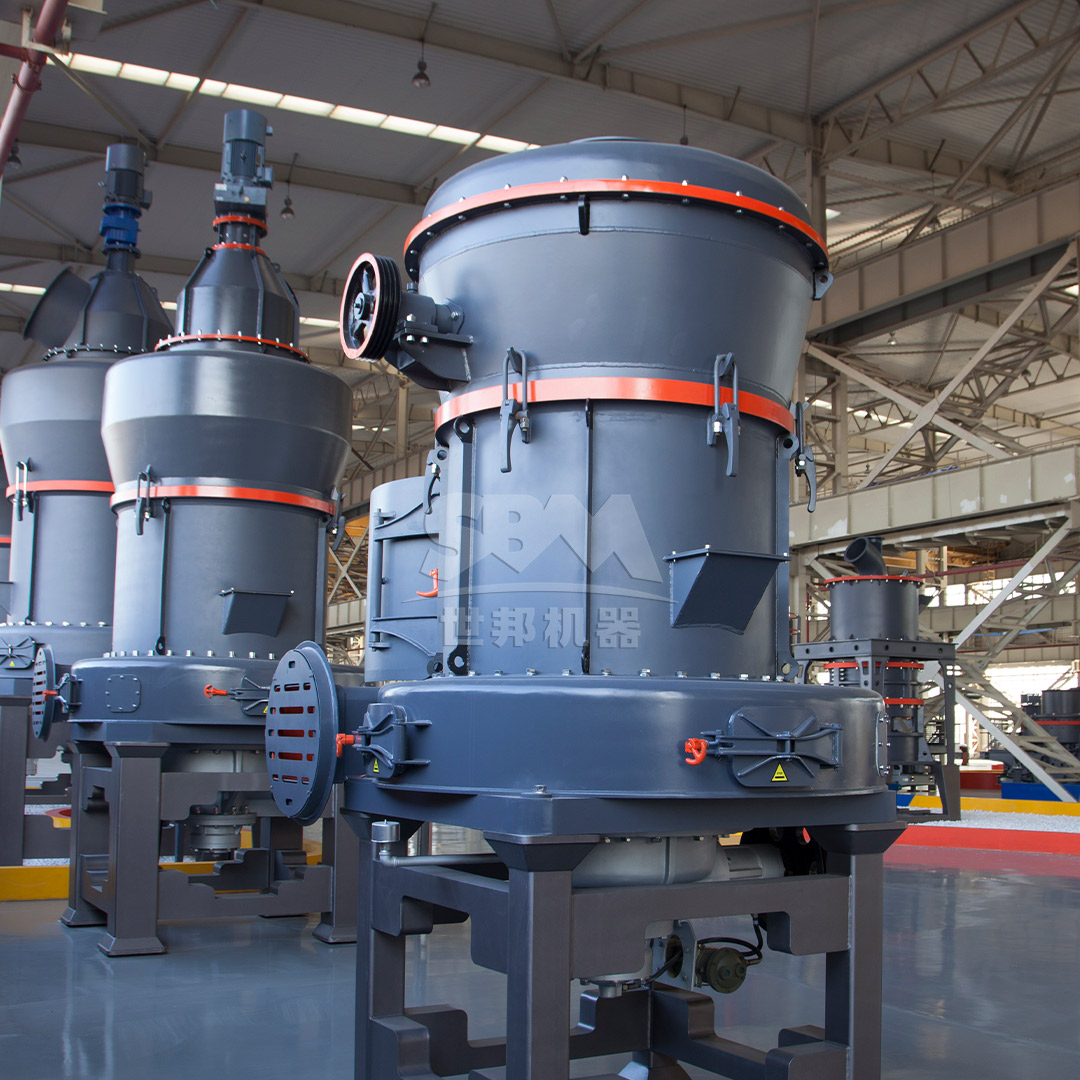
2. Raymond Mills (Roller Mills) / Pendulum Mills
These mills use spring-loaded rollers that rotate against a stationary grinding ring. Shovels feed the material into the grinding zone. They are efficient for producing powders in the range of 45-325 mesh (30-600μm). They offer lower energy consumption than ball mills for medium-fineness applications and often integrate drying capabilities when paired with a hot air source. They are a common choice for quicklime grinding where ultra-fine fineness is not required.
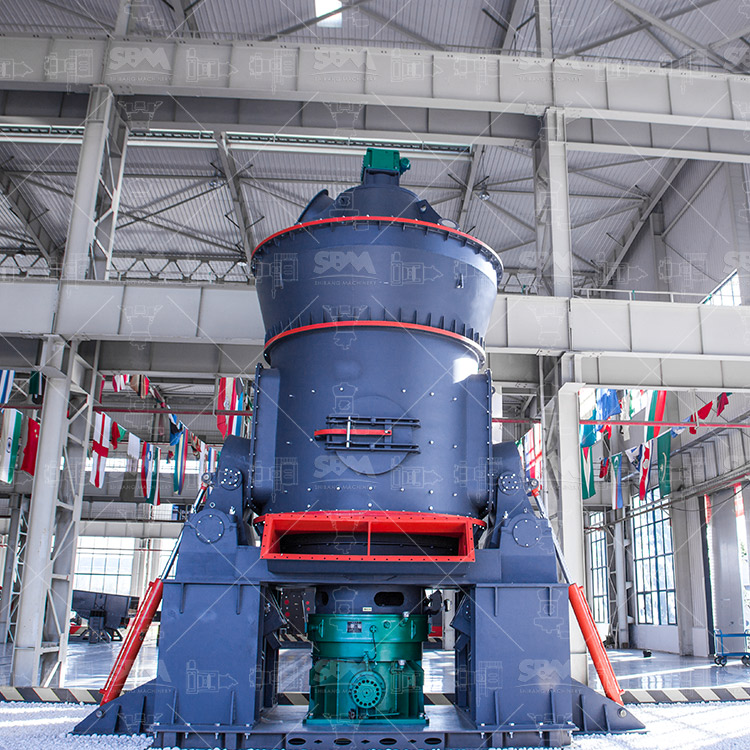
3. Vertical Roller Mills (VRM)
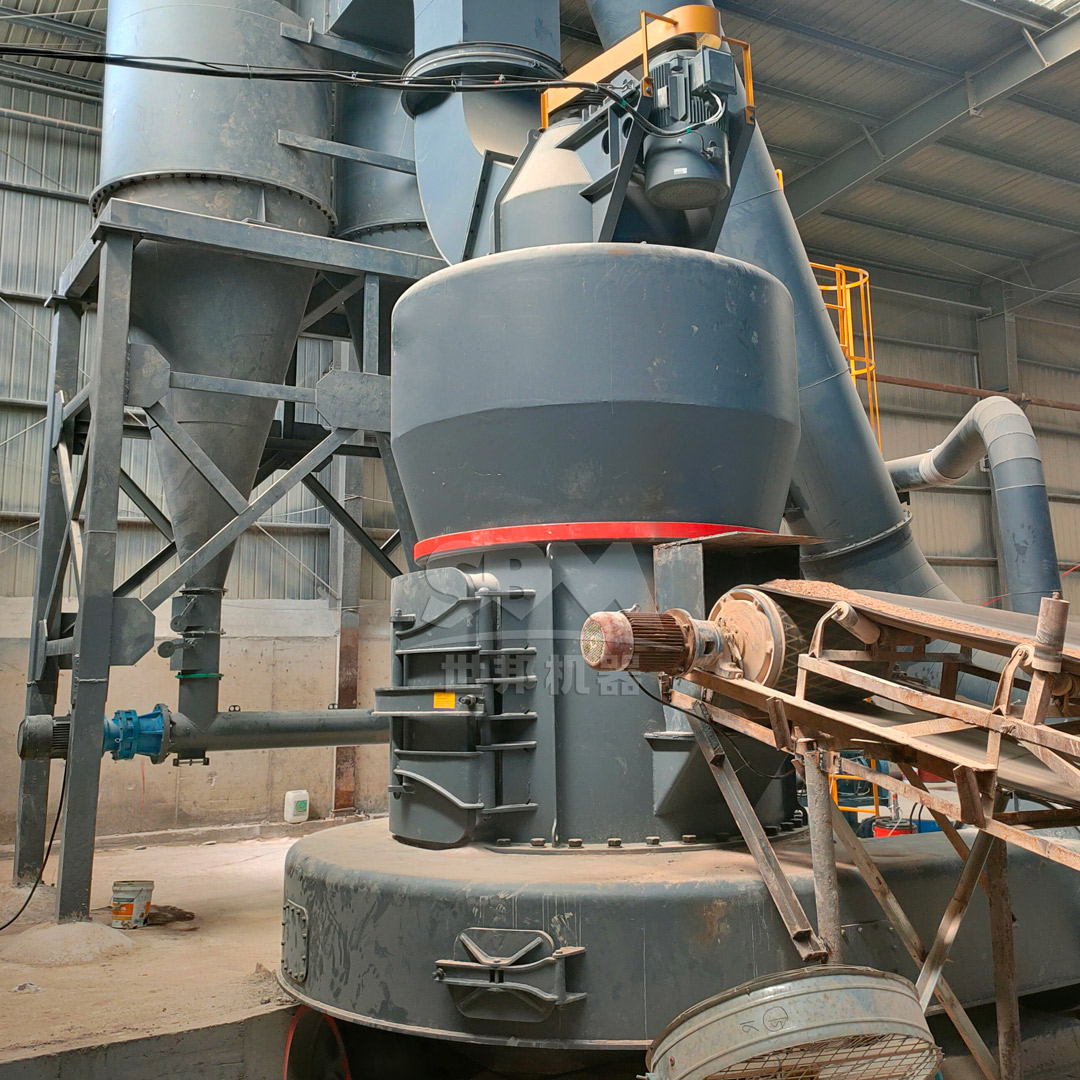
VRMs have become the industry standard for efficient grinding of brittle materials like cement clinker and slag. Material is fed onto a rotating table and ground under pressure by hydraulically loaded rollers. A key advantage for lime is the integrated hot gas stream, which can effectively dry moist lime hydrate (if present) while grinding. VRMs offer superior energy efficiency (30-50% less than ball mills), lower noise levels, and excellent drying capacity. They are ideal for large-scale production of lime powder from coarse feed.
4. Ultrafine Grinding Mills
For applications requiring very high surface area or sub-10μm particles (e.g., specialized chemicals, advanced sorbents), technologies like jet mills or advanced vertical mills with high-precision classifiers are used. Jet mills use high-speed collisions between particles, producing very fine, contamination-free powder but at high energy cost. Modern ultrafine vertical mills offer a more energy-efficient alternative for fineness up to 2500 mesh.
Selecting the Best Mill for Grinding Calcium Oxide: A Detailed Analysis
The optimal choice hinges on specific project parameters. Here’s a breakdown:
- For Coarse to Medium Grinding (30-200 mesh / 600-75μm) with High Capacity: The MTW Series European Trapezium Mill is an outstanding choice. Its advanced features like the anti-wear shovel design, optimized arc air duct, and integral bevel gear drive (98% transmission efficiency) make it exceptionally reliable and efficient. It handles feed sizes up to 50mm and delivers capacities from 3 to 45 tons per hour. For projects not requiring ultra-fine powder but demanding high throughput, robustness, and energy savings, the MTW series, such as the MTW215G model (15-45 t/h capacity), is highly recommended.
- For Fine to Ultra-Fine Grinding (325-2500 mesh / 45-5μm): When the application demands high-purity, ultra-fine quicklime powder, the SCM Series Ultrafine Mill is the superior solution. Its vertical turbine classifier ensures precise particle size cuts with no coarse powder mixing, resulting in a uniform and high-quality product. With an energy consumption 30% lower than traditional jet mills and double their capacity, it represents a technological leap. Its durable design, featuring special material rollers and rings, ensures long service life in abrasive applications. For producing finely ground calcium oxide used in advanced chemical processes or as a high-performance sorbent, the SCM series (e.g., SCM1250 with 2.5-14 t/h capacity) is the definitive best-in-class equipment.
- For Large-Scale Production with Integrated Drying: The LM Series Vertical Roller Mill is ideal for processing quicklime that may have variable moisture or when grinding and drying need to be combined. Its integrated design reduces footprint by 50%, and its low operating cost (30-40% less energy than ball mills) is a major advantage for high-tonnage operations.
Conclusion
The production of calcium oxide is a two-step symphony of thermal and mechanical processing. While calcination technology defines the lime’s reactivity, the grinding mill determines its final application suitability. For most modern industrial applications, vertical roller mills and advanced trapezium mills offer the best balance of efficiency, control, and cost. For coarse to medium grinding at high capacity, the MTW European Trapezium Mill excels. For producing premium, ultra-fine calcium oxide powder, the SCM Ultrafine Mill stands unmatched in precision and energy efficiency. Investing in the correct grinding technology is not merely an equipment purchase; it is a strategic decision that ensures product quality, minimizes operational expenses, and secures a competitive edge in the market.