Top Phosphogypsum Grinding Mill Manufacturers for Efficient Waste Processing
The Challenge of Phosphogypsum: From Industrial Byproduct to Valuable Resource
Phosphogypsum (PG), a byproduct of phosphoric acid production in the fertilizer industry, represents one of the most significant industrial waste streams globally. For every ton of phosphoric acid produced, approximately 4.5 to 5.5 tons of phosphogypsum are generated, leading to billions of tons stockpiled worldwide. This material, primarily composed of calcium sulfate dihydrate, poses considerable environmental challenges due to its acidic nature, trace radioactive elements, and heavy metal content. However, with advanced processing technology, phosphogypsum can be transformed into a valuable resource for construction materials, soil amendments, and road base materials. The key to unlocking this potential lies in efficient, reliable, and precise grinding technology.
Critical Requirements for Phosphogypsum Grinding Systems
Processing phosphogypsum is not a simple milling task. An effective grinding system must address several specific challenges:
- Variable Feed Characteristics: Moisture content, hardness, and impurity levels can fluctuate significantly.
- Precise Fineness Control: End-use applications, such as cement retarders or plasterboard, require tightly controlled particle size distributions.
- High Throughput & Energy Efficiency: To handle large waste volumes economically, high capacity with low specific energy consumption is paramount.
- Wear Resistance & Low Maintenance: The abrasive nature of gypsum demands robust, wear-resistant components.
- Environmental Compliance: The system must operate with minimal dust emissions and noise pollution.
Meeting these demands requires specialized equipment from manufacturers with deep expertise in mineral processing and industrial waste valorization.
Leading Technologies for Phosphogypsum Processing
Top manufacturers offer a range of mill technologies, each with distinct advantages for phosphogypsum applications.
1. Vertical Roller Mills (VRM): The High-Capacity Workhorse
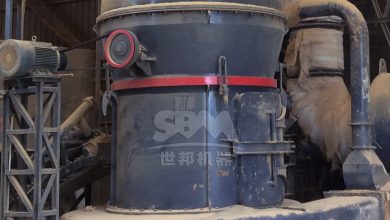
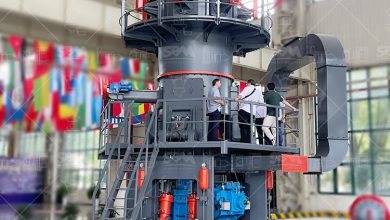
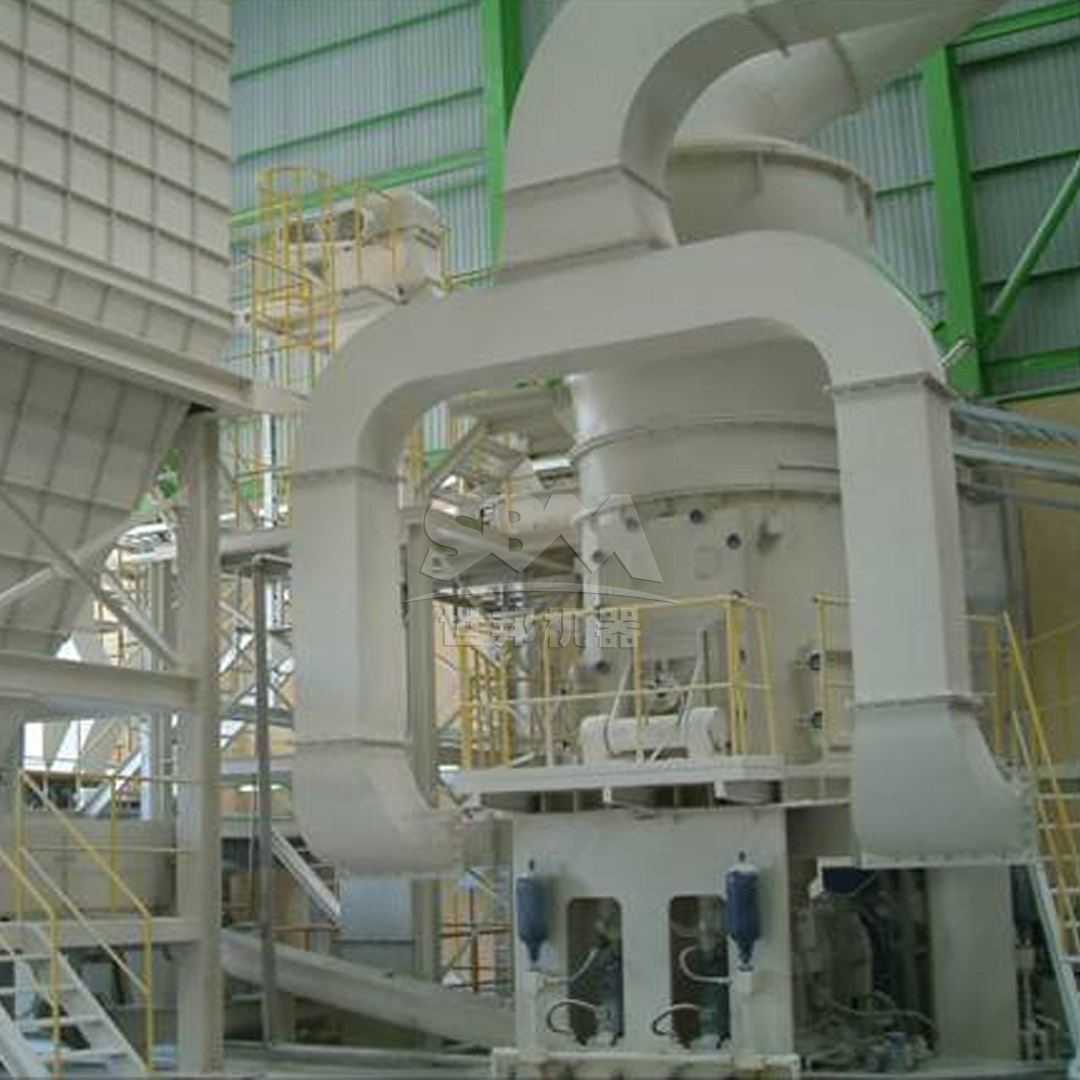
Vertical Roller Mills have become the industry standard for large-scale phosphogypsum grinding due to their integrated design and exceptional efficiency. A premier example is the LM Series Vertical Roller Mill. This system integrates crushing, grinding, drying, and classification in a single unit, reducing footprint by up to 50% compared to traditional ball mill circuits. Its bed-grinding principle, where material is crushed between rollers and a rotating table, is highly energy-efficient, consuming 30-40% less power than ball mills. For phosphogypsum, which often requires drying, the integrated hot air system is a major advantage. The intelligent control system allows for real-time adjustment of grinding pressure, classifier speed, and air flow, ensuring consistent product quality even with variable feed.
2. Ultrafine Grinding Mills: Unlocking High-Value Applications
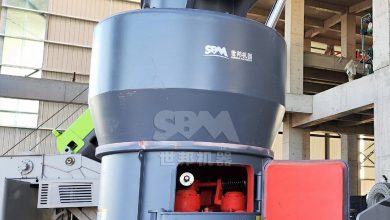
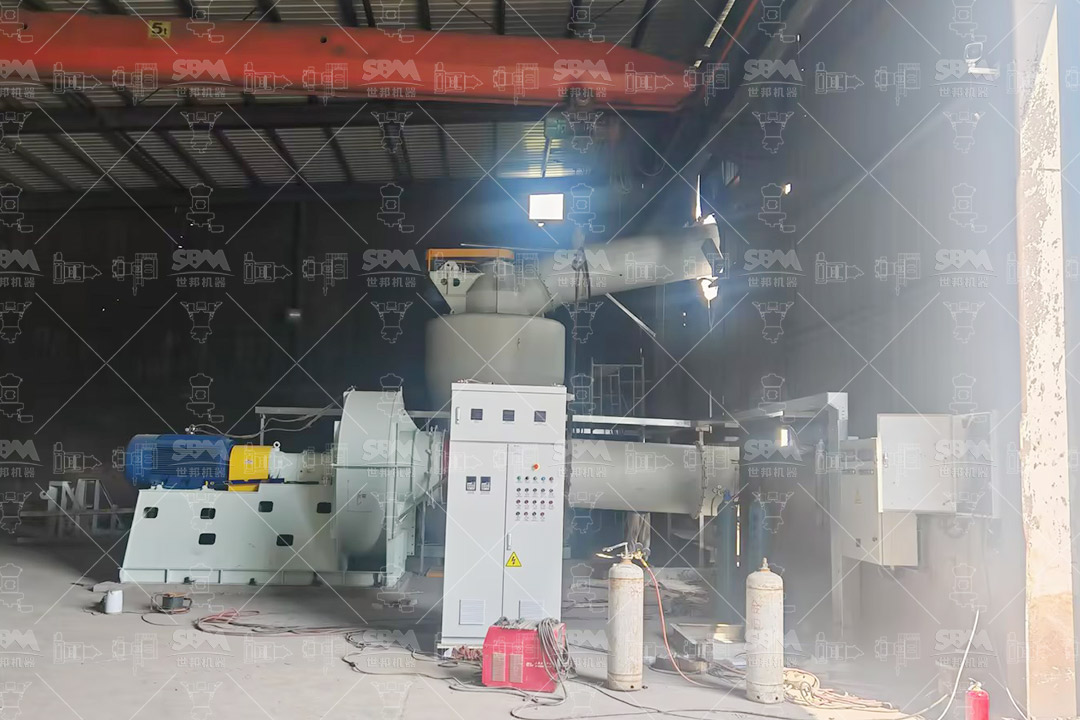
For advanced applications where phosphogypsum is used as a functional filler or requires extremely fine particle sizes to enhance reactivity, ultrafine grinding technology is essential. The SCM Series Ultrafine Mill is engineered precisely for this purpose. Capable of producing powders from 325 to 2500 mesh (45-5μm), this mill is ideal for producing high-value phosphogypsum for specialized construction materials or industrial compounds. Its high-precision vertical turbine classifier ensures a sharp particle size cut with no coarse powder mixing, resulting in a uniform and high-quality product. Despite its fine grinding capability, it operates with remarkable energy efficiency, offering twice the capacity of jet mills with 30% lower energy consumption. The durable design, featuring special material rollers and rings, stands up well to the grinding demands of gypsum.
3. European Trapezium Mills: The Balanced Performer
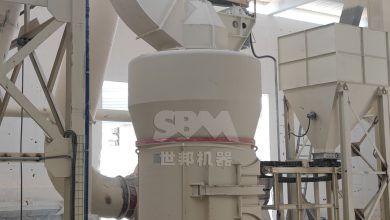
For projects requiring a robust and versatile solution for medium to fine grinding (30-325 mesh), the advanced trapezium mill design offers an excellent balance. The MTW Series European Trapezium Mill incorporates numerous patented innovations. Its curved shovel blade design minimizes wear and extends service life when handling abrasive materials like PG. The integral bevel gear drive achieves a transmission efficiency of up to 98%, translating directly to lower operating costs. The optimized arc air duct and wear-resistant volute structure enhance classification efficiency and reduce maintenance costs by approximately 30%. This mill is particularly well-suited for producing phosphogypsum for standard building plaster and cement production, where reliability and consistent mid-range fineness are key.
Selecting the Right Manufacturer and Technology
Choosing the optimal grinding solution requires a partnership with a manufacturer that provides more than just equipment. Key selection criteria include:
- Proven Experience: Look for a portfolio of successful phosphogypsum or similar mineral processing installations.
- Technical Support & Testing: The ability to conduct material tests and provide tailored system engineering is crucial.
- Comprehensive Product Range: A manufacturer offering multiple technologies (like VRM, Ultrafine, and Trapezium mills) can provide an unbiased recommendation for your specific needs.
- Focus on Sustainability: Equipment should be designed for energy efficiency, low emissions, and long service life to support circular economy goals.
Case for Advanced Grinding: The SCM Ultrafine Mill in Action
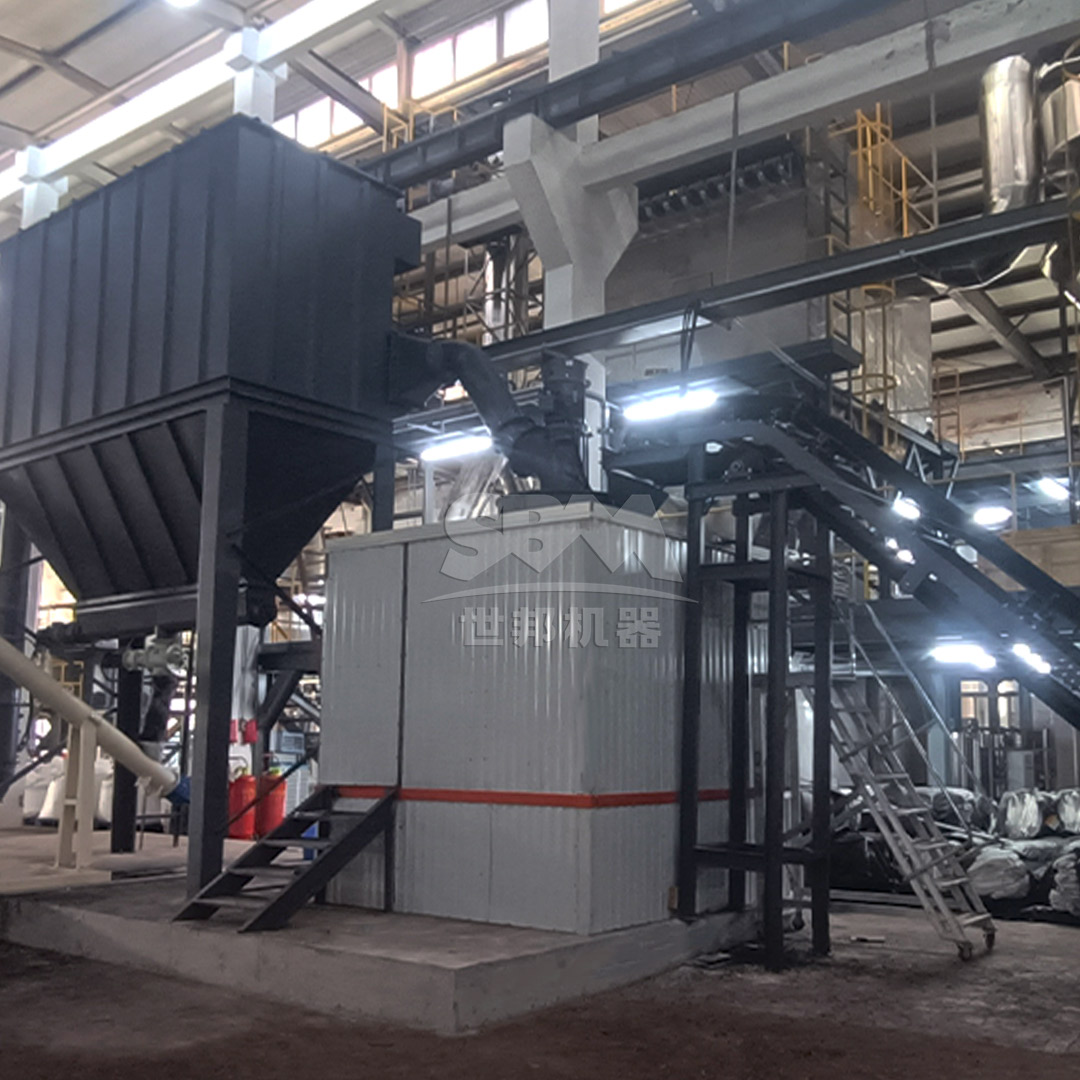
Consider a project aiming to produce ultra-fine phosphogypsum for high-performance polymer composites. A traditional mill might struggle to achieve the required fineness (e.g., 1250 mesh) efficiently. This is where a specialized mill like the SCM Series Ultrafine Mill demonstrates its value. Its working principle involves multiple layers of grinding rings and rollers that apply progressive pressure, grinding material layer by layer. The intelligent control system with automatic granularity feedback ensures the target fineness is maintained consistently. Furthermore, its eco-friendly design, featuring a pulse dust collector with efficiency exceeding 99% and a soundproof room, ensures the plant meets stringent environmental and workplace safety standards. Models like the SCM1250, with a capacity of 2.5-14 t/h and a main power of 185kW, offer a scalable solution for turning a challenging waste stream into a premium product.
Conclusion: Grinding as the Gateway to a Sustainable Future
The vast stockpiles of phosphogypsum are not merely a waste problem but a resource opportunity waiting to be harnessed. The transformation is critically dependent on advanced grinding technology provided by leading manufacturers. Whether the goal is high-volume processing for construction aggregates using a robust LM Vertical Roller Mill, or creating high-value additives with the precision of an SCM Ultrafine Mill, the right equipment is the cornerstone of a viable and profitable phosphogypsum valorization project. By investing in efficient, durable, and intelligent grinding systems, industries can close the loop on phosphate production, reduce environmental liabilities, and contribute to a more sustainable materials economy.