Top Domestic Vertical Roller Mill Production Line Manufacturers: Replacing Imported Mills
Introduction: The Rise of Domestic Vertical Roller Mill Technology
The mineral processing industry has witnessed a significant transformation over the past decade, with domestic Chinese manufacturers emerging as global leaders in vertical roller mill technology. These advanced grinding systems have become the backbone of modern production lines across cement, mining, metallurgy, and chemical industries. The evolution from reliance on imported equipment to domestically manufactured solutions represents a major milestone in China’s industrial development.
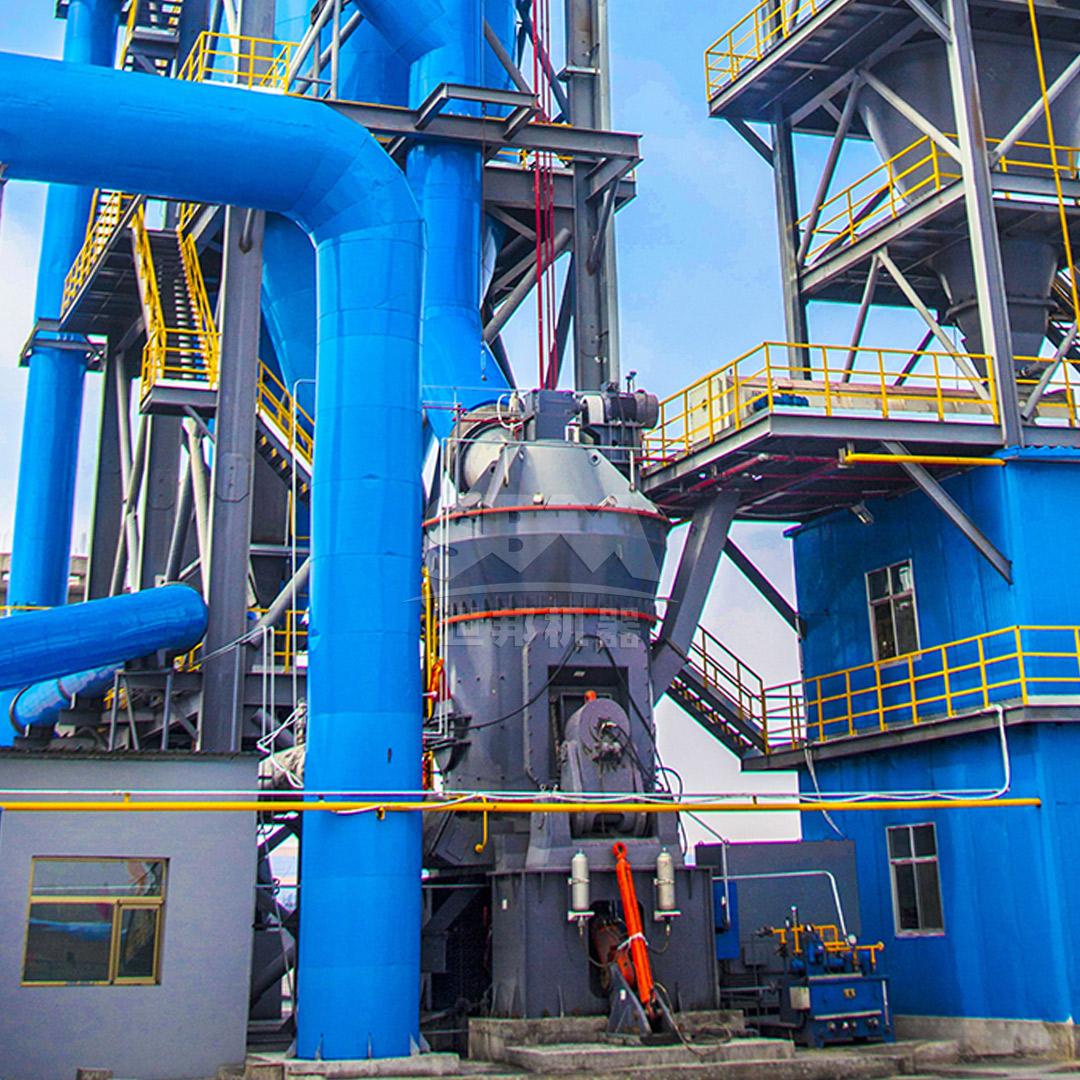
Vertical roller mills offer numerous advantages over traditional ball mills, including higher grinding efficiency, lower energy consumption, and superior product quality control. Domestic manufacturers have not only mastered these technologies but have introduced innovative improvements that make their equipment competitive with, and in many cases superior to, imported alternatives.
Technical Advantages of Domestic Vertical Roller Mills
Superior Energy Efficiency
Modern domestic vertical roller mills demonstrate remarkable energy efficiency compared to traditional grinding systems. Through optimized grinding mechanics and advanced classification systems, these mills can reduce power consumption by 30-50% compared to ball mills of similar capacity. The integration of high-efficiency motors, precision gearboxes, and intelligent control systems further enhances energy savings throughout the operational lifecycle.
Enhanced Product Quality Control
Domestic vertical mills incorporate sophisticated classification technology that enables precise control over product fineness. With adjustable rotor speeds and innovative separator designs, operators can maintain consistent product quality even with variations in feed material characteristics. This level of control is particularly valuable in applications requiring specific particle size distributions, such as in the production of high-performance concrete additives or specialized industrial minerals.
Reduced Environmental Impact
Environmental considerations have been central to the development of domestic vertical roller mill technology. Modern systems feature comprehensive dust collection systems with filtration efficiency exceeding 99.9%, ensuring emissions remain well below regulatory limits. Additionally, noise reduction technologies have been implemented, with operational sound levels typically below 80 dB, creating safer working environments and reducing the environmental footprint of grinding operations.
Key Applications Across Industries
Cement and Concrete Production
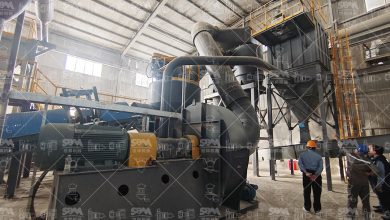
In cement manufacturing, domestic vertical roller mills have revolutionized raw meal preparation, cement grinding, and slag processing. Their ability to handle moist materials without pre-drying, combined with excellent particle size distribution control, has made them the preferred choice for modern cement plants. The compact footprint of these systems also reduces construction costs and simplifies plant layout.
Non-Metallic Mineral Processing
The flexibility of domestic vertical mills makes them ideal for processing a wide range of non-metallic minerals, including limestone, calcite, dolomite, barite, and talc. With adjustable grinding parameters and wear-resistant components designed for abrasive materials, these systems maintain consistent performance even when processing challenging mineral compositions.
Metallurgical and Mining Applications
In the mining sector, vertical roller mills have proven effective for grinding various ores and industrial minerals. Their high capacity and ability to process materials with varying moisture content make them suitable for integration into complex mineral processing circuits. The robust construction of domestic mills ensures reliable operation in demanding mining environments.
Leading Domestic Vertical Mill Solutions
LM Series Vertical Roller Mill: The Industry Workhorse
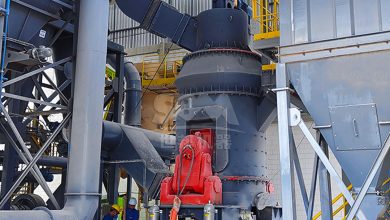
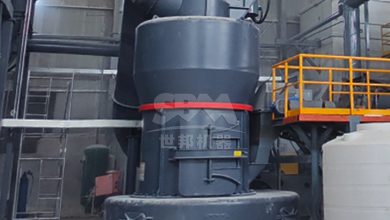
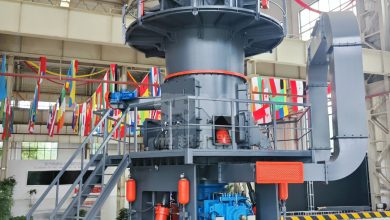
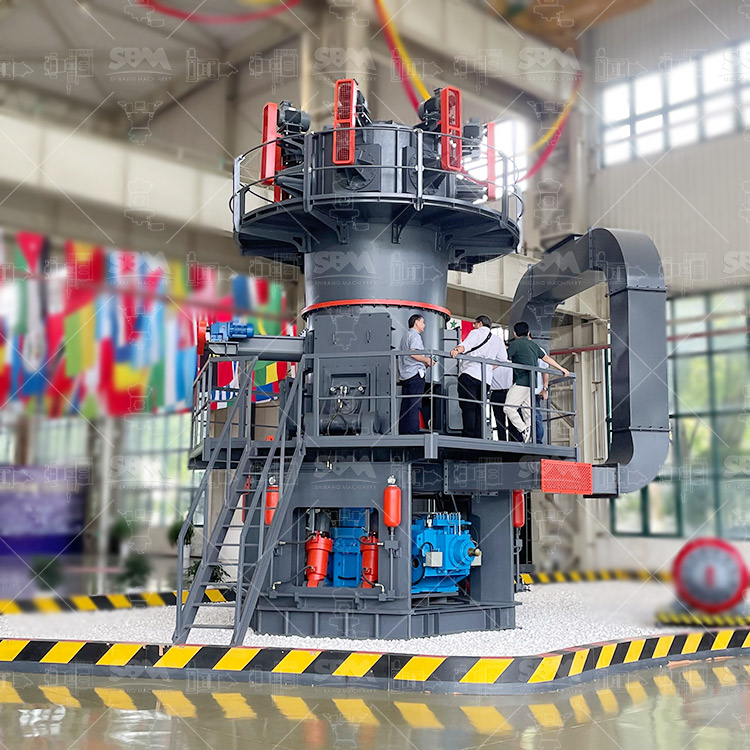
Among the standout solutions in the domestic market, the LM Series Vertical Roller Mill represents cutting-edge technology with proven performance across multiple applications. This comprehensive product line includes specialized variants for mineral grinding, coal preparation, slag processing, fine powder production, and pre-grinding applications.
The LM Series demonstrates exceptional versatility, with models ranging from the compact LM130K with 10-28 t/h capacity to the massive LM370N capable of processing 90-110 t/h of slag. Key technological innovations include modular roller assemblies for quick replacement, dynamic classifiers with multi-stage adjustment capability, and advanced heat circulation systems that maximize thermal efficiency.
What sets the LM Series apart is its intelligent control system, which enables both remote and local operation with real-time monitoring of critical parameters. The system’s ability to automatically adjust to changing feed conditions ensures consistent product quality while minimizing operator intervention. For operations seeking to replace imported equipment, the LM Series offers comparable—and often superior—performance at a significantly lower total cost of ownership.
SCM Ultrafine Mill: Precision in Fine Grinding
For applications requiring ultra-fine products, the SCM Ultrafine Mill stands as a technological marvel among domestic grinding solutions. Capable of producing powders with fineness ranging from 325 to 2500 mesh (D97≤5μm), this mill combines high capacity with remarkable energy efficiency.
The SCM series incorporates a vertical turbine classifier that enables precise particle size cuts without coarse powder contamination. With capacity reaching 25 tons per hour in the largest model (SCM1680), this mill delivers performance that rivals imported alternatives while consuming 30% less energy than conventional jet mills. The unique grinding chamber design eliminates the need for bearings in high-wear areas, significantly enhancing operational stability and reducing maintenance requirements.
Environmental performance is another standout feature, with pulse dust collection efficiency exceeding international standards and noise levels controlled below 75 dB through integrated acoustic enclosures. For operations requiring consistent production of high-value ultra-fine powders, the SCM Ultrafine Mill represents an optimal domestic solution that eliminates the need for imported equipment.
Economic Advantages of Domestic Vertical Mills
Reduced Capital Investment
The most immediate benefit of selecting domestic vertical roller mills is the significant reduction in capital expenditure. Without import duties, international shipping costs, and currency exchange considerations, domestic mills typically offer 20-40% lower purchase prices compared to equivalent imported equipment. This cost advantage extends to spare parts and consumables, which are more readily available and affordable throughout the equipment’s operational life.
Lower Operating Costs
Domestic vertical mills are engineered with operational efficiency as a primary design consideration. Advanced grinding mechanisms reduce specific energy consumption, while wear-resistant materials extend component life and minimize replacement frequency. The integration of domestic mills with local automation systems also simplifies maintenance and reduces dependency on specialized international service technicians.
Enhanced Technical Support
Perhaps the most underappreciated advantage of domestic vertical mills is the accessibility of technical support. With manufacturing facilities, spare parts warehouses, and service teams located within China, response times for technical issues are dramatically reduced compared to imported equipment. This localized support network ensures maximum equipment availability and minimizes production losses due to extended downtime.
Case Studies: Successful Replacement of Imported Mills
Cement Plant Modernization
A major cement producer in Shandong Province successfully replaced two imported vertical mills with domestic LM220K models for raw meal grinding. The transition resulted in a 18% reduction in specific power consumption while increasing production capacity by 12%. The plant reported additional benefits including reduced maintenance costs and improved product consistency.
Mineral Processing Facility Upgrade
A calcium carbonate processing facility in Guangxi replaced European-made grinding equipment with domestic SCM1250 ultrafine mills. The new installation achieved a 25% increase in production capacity while reducing energy consumption by 32%. The superior classification efficiency of the domestic mills also enabled the company to enter new market segments requiring tighter particle size distribution control.

Future Trends in Domestic Vertical Mill Technology
Digitalization and Smart Manufacturing
The next generation of domestic vertical roller mills will feature enhanced digital capabilities, including predictive maintenance algorithms, remote monitoring systems, and integration with plant-wide optimization platforms. These advancements will further improve operational efficiency and reduce the total cost of ownership for mineral processing operations.
Sustainability Enhancements
Domestic manufacturers are increasingly focused on developing more sustainable grinding technologies, with emphasis on further reducing energy consumption, minimizing water usage in cooling systems, and implementing circular economy principles in component design. These developments align with global sustainability trends while maintaining the cost advantages of domestic manufacturing.
Specialized Application Development
As domestic vertical mill technology matures, manufacturers are developing specialized variants for niche applications, including battery materials, advanced ceramics, and specialized industrial minerals. This application-specific approach ensures that domestic mills can meet the precise requirements of emerging high-value industries.
Conclusion: The Path Forward with Domestic Vertical Mills
The technological advancement of domestic vertical roller mills has reached a point where they represent not just a cost-effective alternative to imported equipment, but in many cases a technically superior solution. With continuous innovation, robust manufacturing capabilities, and comprehensive technical support networks, domestic manufacturers are well-positioned to serve the evolving needs of mineral processing operations across China and beyond.
For companies considering new grinding capacity or equipment replacement, domestic vertical mills offer compelling advantages in performance, efficiency, and total cost of ownership. The successful track record of these systems across diverse applications demonstrates their capability to meet the most demanding operational requirements while delivering superior economic returns.