Top 5 Application Areas of High Titanium Slag Explained
Introduction to High Titanium Slag
High titanium slag, a crucial industrial material produced through the electric furnace smelting of titanium-bearing ores, has become increasingly vital across multiple industries due to its unique chemical and physical properties. With titanium dioxide (TiO₂) content typically ranging from 75% to 95%, this material offers exceptional whiteness, high refractive index, chemical stability, and excellent UV absorption capabilities. The processing of high titanium slag requires specialized equipment to achieve the precise particle size distributions necessary for different applications, making grinding technology a critical factor in determining final product quality and performance characteristics.

1. Titanium Dioxide Pigment Manufacturing
The titanium dioxide pigment industry represents the largest and most significant application area for high titanium slag, accounting for approximately 90% of global consumption. In this sector, high titanium slag serves as the primary raw material for producing high-quality TiO₂ pigments through both the sulfate and chloride processes.
For sulfate process plants, high titanium slag offers substantial advantages over traditional ilmenite, including higher titanium content, reduced iron concentrations, and lower sulfuric acid consumption during digestion. The material’s consistent chemical composition ensures predictable reaction kinetics and improved process control throughout the hydrolysis, calcination, and surface treatment stages.
In chloride process facilities, high titanium slag with precisely controlled particle size distribution is essential for efficient fluidized bed chlorination. The material must meet strict specifications regarding fines content and particle morphology to ensure optimal chlorination rates and minimize operational issues such as bed agglomeration or carryover.
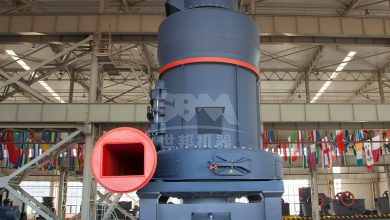
The grinding phase is particularly critical, as it directly impacts both process efficiency and final pigment properties. Our SCM Ultrafine Mill series offers exceptional capabilities for processing high titanium slag to the required fineness for pigment applications. With output fineness ranging from 325 to 2500 mesh (D97≤5μm) and processing capacities from 0.5 to 25 tons per hour depending on model selection, these mills provide the precision grinding necessary for premium pigment production. The vertical turbine classifier ensures precise particle size切割, eliminating coarse particle contamination that could compromise pigment quality.
2. Welding Electrode Coatings
High titanium slag finds extensive application in the manufacturing of welding electrode coatings, where it serves as both a fluxing agent and arc stabilizer. The material’s high titanium content contributes to improved weld bead characteristics, including smoother surface appearance, easier slag removal, and enhanced arc stability across various welding conditions.
In this application, the particle size distribution of the ground high titanium slag must be carefully controlled to ensure uniform coating consistency and predictable melting characteristics during the welding process. Typically, materials ground to between 100 and 325 mesh provide optimal performance, balancing flow characteristics with functional properties in the final electrode coating formulation.
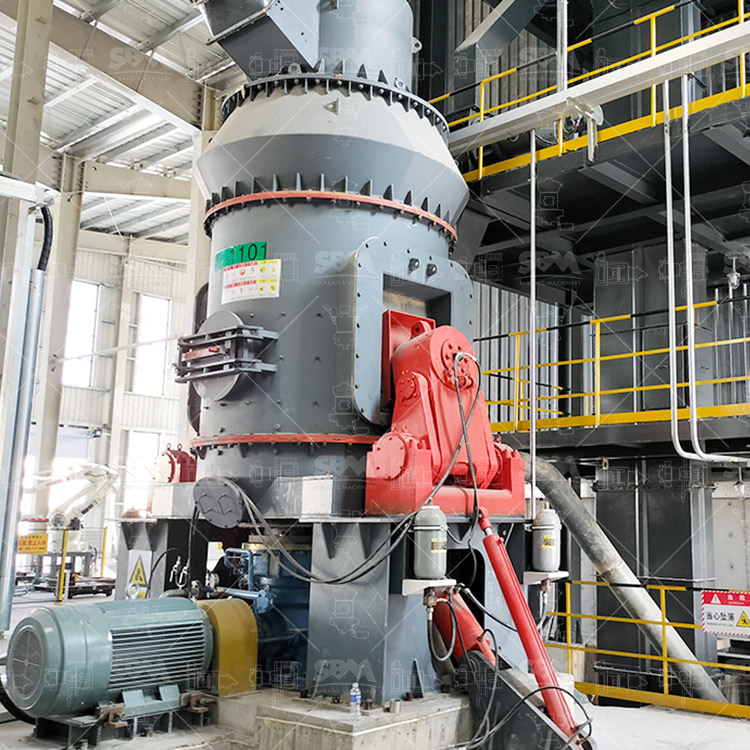
The welding industry demands consistent quality and batch-to-batch uniformity, making reliable grinding equipment essential. Our MTW Series Trapezium Mill offers ideal solutions for welding electrode manufacturers, with output fineness ranging from 30 to 325 mesh and processing capacities from 3 to 45 tons per hour. The mill’s curved air channel design reduces energy consumption while the combined blade design significantly lowers maintenance costs – critical factors for operations requiring continuous production with minimal downtime.
3. Ceramics and Glass Manufacturing
The ceramics and glass industries utilize high titanium slag as both an opacifier and nucleating agent in various product formulations. In ceramic applications, the material contributes to enhanced whiteness, improved mechanical strength, and reduced thermal expansion coefficients. The controlled crystallization behavior of titanium-bearing phases makes high titanium slag particularly valuable in glass-ceramic production, where it promotes the development of desired crystalline structures during heat treatment.
In traditional ceramics, high titanium slag incorporated into glaze formulations produces attractive visual effects and improves surface durability. The material’s refractory properties also make it suitable for specialized applications requiring enhanced thermal shock resistance.
Processing requirements for ceramic applications typically involve grinding to medium fineness levels (200-400 mesh), with strict control over iron contamination that could affect color development. The grinding equipment must maintain product purity while achieving consistent particle size distributions that ensure uniform behavior during firing cycles.
4. Construction Materials and Cement
High titanium slag has emerged as a valuable component in construction materials, particularly in specialized cement formulations and concrete products. When properly processed, the material can function as a supplementary cementitious material, contributing to improved durability characteristics in aggressive environments.
In Portland cement production, controlled additions of high titanium slag can enhance sulfate resistance and reduce heat of hydration, making it particularly valuable for mass concrete applications. The material’s pozzolanic properties, when finely ground, contribute to long-term strength development through continued reaction with calcium hydroxide.
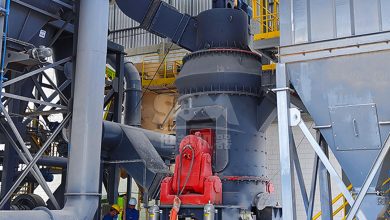
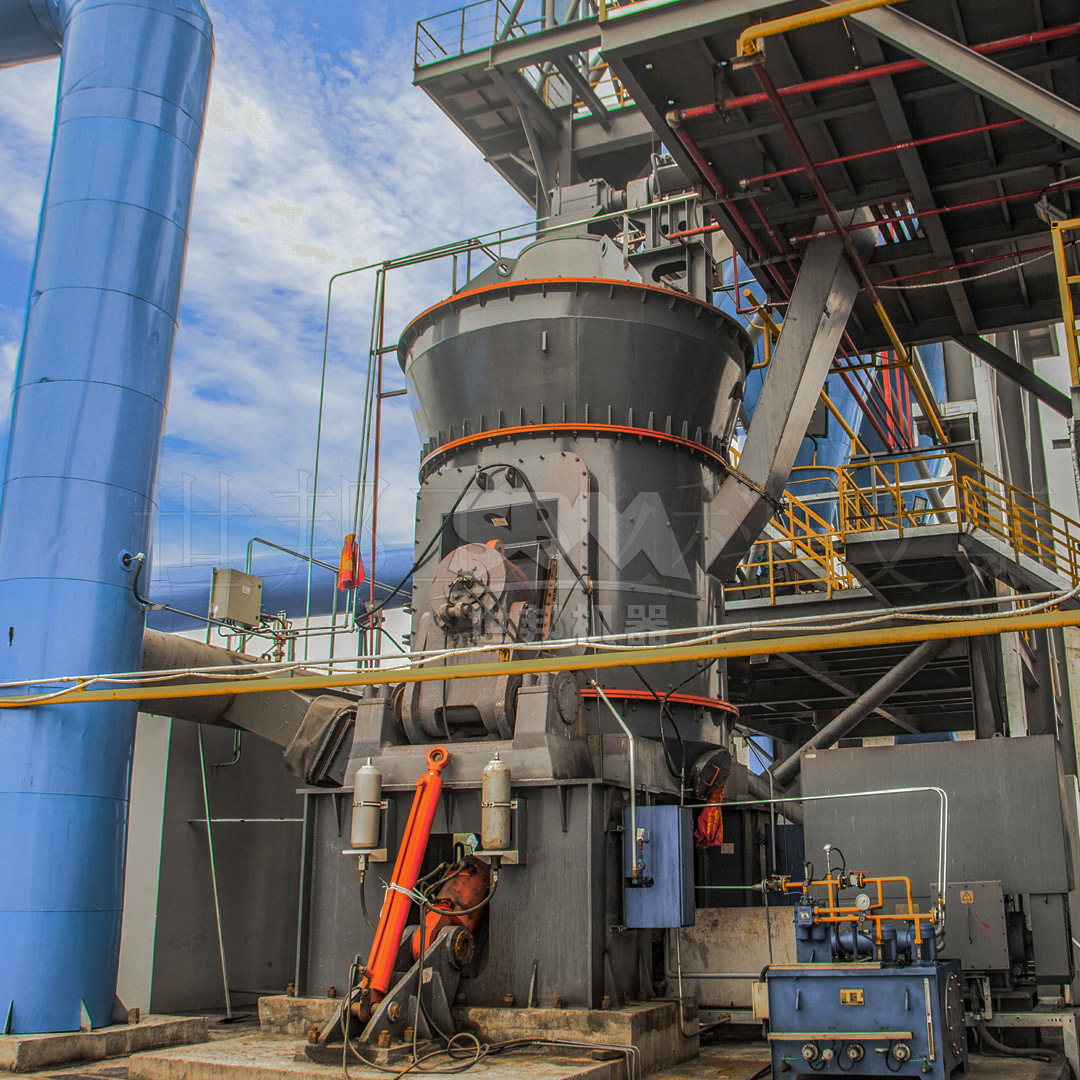
For construction applications requiring coarse to medium grinding, our LM Series Vertical Roller Mill provides outstanding performance with processing capacities ranging from 3 to 250 tons per hour. The integrated design combines crushing, grinding, and separation functions in a single unit, reducing footprint requirements by 50% compared to traditional grinding systems. The intelligent control system enables remote operation and real-time monitoring, ensuring consistent product quality while minimizing operational costs.
5. Advanced Materials and Composites
The development of advanced materials represents a growing application area for high titanium slag, particularly in titanium-based composites, specialized coatings, and functional fillers. The material’s unique combination of properties – including high temperature stability, corrosion resistance, and photocatalytic activity – makes it valuable in numerous high-technology applications.
In titanium metal production, high titanium slag serves as an intermediate in various extraction processes, with particle size control being critical for efficient downstream processing. The emerging field of titanium matrix composites utilizes high titanium slag as a reinforcement phase, where precise particle morphology and size distribution directly influence composite properties.
Photocatalytic applications represent another growing market, with high titanium slag serving as a cost-effective alternative to pure TiO₂ in certain environmental remediation and self-cleaning surface applications. The material’s semiconductor properties, when properly engineered, can provide effective photocatalytic activity at significantly lower cost than specialized photocatalytic grades of titanium dioxide.
Technical Considerations for High Titanium Slag Processing
Successfully processing high titanium slag for these diverse applications requires careful attention to several technical factors. The abrasive nature of titanium-bearing materials demands grinding equipment with exceptional wear resistance, while the need for precise particle size control necessitates advanced classification systems.
Equipment selection should consider the complete processing chain, from initial crushing through final classification. The hardness and abrasiveness of high titanium slag vary depending on mineralogical composition and previous processing history, making equipment durability a primary concern. Our grinding mills address these challenges through specialized wear-resistant materials in critical components, significantly extending service life and reducing maintenance requirements.
Energy efficiency represents another critical consideration, particularly for high-volume applications such as pigment manufacturing. Modern grinding systems incorporate advanced classification technology and optimized grinding mechanics to minimize specific energy consumption while maintaining product quality. The SCM Ultrafine Mill, for instance, achieves 30% lower energy consumption compared to traditional jet mills while doubling processing capacity – a significant advantage in energy-intensive applications.
Future Outlook and Emerging Applications
The application landscape for high titanium slag continues to evolve, with several emerging areas showing significant promise. Environmental applications, including water treatment and air purification, represent growing markets where the material’s photocatalytic properties can be leveraged. The development of titanium-based catalysts for various chemical processes also presents opportunities for value-added applications of specially processed high titanium slag.
Advanced energy technologies, particularly in the battery and fuel cell sectors, are exploring titanium-based materials for improved performance characteristics. While still in developmental stages, these applications could substantially increase demand for precisely engineered high titanium slag products with tightly controlled physical and chemical properties.
As application requirements become more specialized, the importance of advanced processing equipment continues to grow. The ability to produce consistent, high-quality powders with specific particle characteristics will remain crucial for manufacturers seeking to capitalize on these emerging opportunities. Our comprehensive range of grinding equipment, from ultra-fine mills to high-capacity vertical roller mills, provides the technological foundation necessary to meet these evolving market demands.
Conclusion
High titanium slag has established itself as a versatile industrial material with applications spanning traditional industries like pigment manufacturing and welding electrodes to emerging fields in advanced materials and environmental technologies. The successful utilization of this material across these diverse sectors depends heavily on appropriate processing technology capable of delivering the required particle characteristics while maintaining operational efficiency.
As market demands continue to evolve toward higher value applications, the role of advanced grinding equipment becomes increasingly critical. Manufacturers must balance multiple factors – including product quality, energy efficiency, operational costs, and environmental compliance – when selecting processing technology for high titanium slag applications. With proper equipment selection and process optimization, producers can maximize the value of this important industrial material while meeting the stringent requirements of modern industrial applications.