Top 3 Types of Proppants for Hydraulic Fracturing: A Guide by Oil Fracturing Sand Equipment Manufacturer
Introduction: The Critical Role of Proppants in Modern Energy Extraction
Hydraulic fracturing, a cornerstone of modern unconventional oil and gas extraction, relies on a simple yet profound principle: creating and maintaining pathways for hydrocarbons to flow from deep rock formations to the wellbore. At the heart of this technology lies the proppant—a solid material, typically sand or engineered ceramics, that is pumped into fractures to prevent them from closing under immense geological pressure. The selection and quality of proppant directly influence well productivity, longevity, and overall economic viability. As a leading manufacturer of oil fracturing sand equipment, we understand that the journey from raw mineral to high-performance proppant is defined by precision grinding and classification. This guide explores the three primary types of proppants and the advanced milling technology required to produce them.
1. Frac Sand (Natural Silica Sand)
Overview: Frac sand, or silica sand, is the most traditional and widely used proppant. It is sourced from high-purity quartz sandstone deposits. Its popularity stems from its hardness (7 on the Mohs scale), spherical shape, and crush resistance, which are essential for withstanding closure stresses typically up to 6,000-8,000 psi.
Key Characteristics:
- Composition: >99% quartz (SiO2).
- Size Ranges: Commonly classified into mesh sizes: 16/30, 20/40, 30/50, 40/70, and 100 mesh. The 20/40 and 30/50 grades are industry workhorses.
- Roundness & Sphericity: Critical for achieving high permeability. Ideal grains are perfectly round and smooth.
- Acid Solubility: Very low, ensuring stability in downhole conditions.
Production & Processing Challenge: Raw sand must be washed, dried, and precisely sized through crushing and screening. The final stages often require removing fine dust and achieving tight particle size distribution (PSD) to optimize pack permeability. This is where high-efficiency classification systems within grinding mills become paramount.
Equipment Spotlight: The MTW Series European Trapezium Mill for Precise Sizing
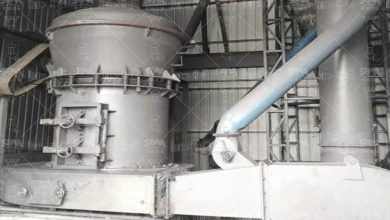
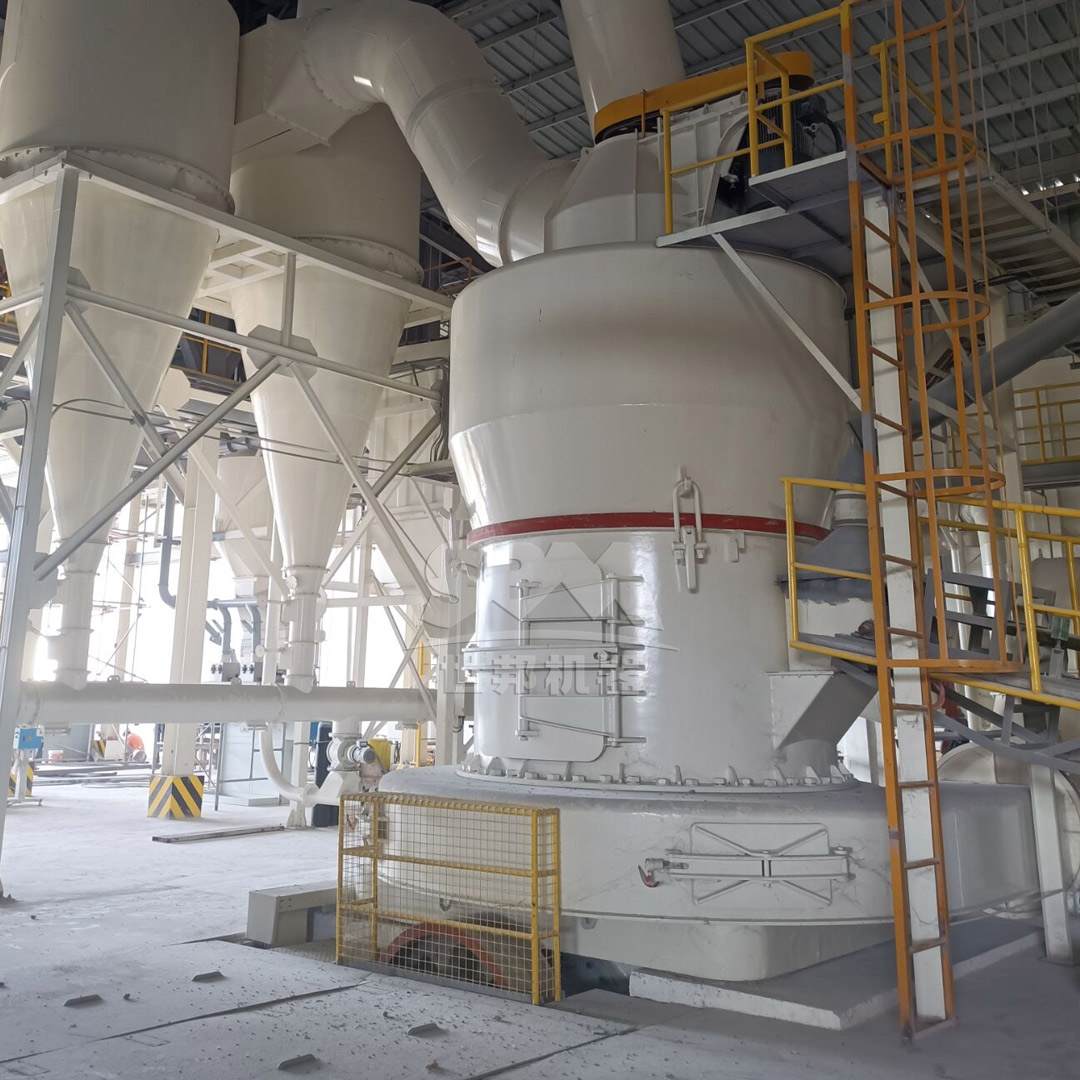
For processing natural silica sand into the consistent, well-graded fractions required for frac sand, controlling the top size and minimizing fines is crucial. Our MTW Series European Trapezium Mill is engineered for this task. Its optimized arc air duct and high-efficiency integral bevel gear drive (98% efficiency) ensure stable operation and energy savings. Most importantly, its advanced wear-resistant volute classifier provides precise particle size cutting, delivering sand within strict mesh specifications (e.g., 30-325 mesh) while minimizing unwanted ultrafines that can clog fracture pores.
For example, the MTW215G model, with a capacity of 15-45 t/h and handling feed sizes up to 50mm, is an ideal solution for large-scale frac sand processing plants aiming for high-volume output of 20/40 or 30/50 mesh sand with superior PSD control.
2. Resin-Coated Proppants (RCPs)
Overview: Resin-Coated Proppants are essentially frac sand or ceramic proppant grains that have been encapsulated with a layer of polymer resin. This coating serves multiple purposes: it significantly enhances crush resistance, reduces proppant flowback into the wellbore, and improves performance in hostile downhole environments (e.g., high temperature, high closure stress, presence of corrosive fluids).
Types of RCPs:
- Pre-cured (PRCP): The resin is fully cured during manufacturing. It provides superior compressive strength and is used in high-stress applications (>8,000 psi).
- Curable (CRCP): The resin cures in the fracture under downhole heat and pressure. This creates a consolidated, permeable proppant pack that virtually eliminates flowback.
Production & Processing Challenge: The base proppant (sand or ceramic) must have an exceptionally consistent size and shape to ensure a uniform resin coating. Any surface fines or irregular grains lead to poor coating adhesion and weak points. The preparation of the base material demands grinding equipment capable of producing highly spherical grains with minimal surface micro-fractures and a narrow size distribution.
3. Ceramic Proppants
Overview: Engineered ceramic proppants, typically made from sintered bauxite, kaolin, or other aluminosilicate materials, represent the high-performance end of the proppant spectrum. They are manufactured for the most demanding well conditions characterized by extreme closure stresses (often exceeding 10,000 psi) and high temperatures.
Key Characteristics:
- High Strength & Low Density: Ceramics offer the highest crush resistance. Lightweight ceramics also improve transportability within the fracture.
- Uniformity: They are engineered for near-perfect sphericity and roundness, maximizing conductivity.
- Chemical Inertness: Highly resistant to acids, caustics, and brine.
Production & Processing Challenge: Manufacturing ceramic proppants is a complex process involving raw material milling, pelletizing, sintering, and final sizing. The initial grinding stage is critical. The raw bauxite or kaolin must be reduced to an ultra-fine powder (often requiring a fineness of 325-2500 mesh or 5-45μm) to create a homogeneous feedstock for the pelletizing process. This demands grinding technology that is not only capable of extreme fineness but also energy-efficient and reliable for continuous operation.
Equipment Spotlight: The SCM Series Ultrafine Mill for Raw Material Preparation
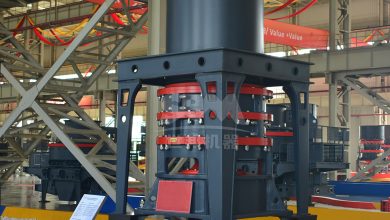
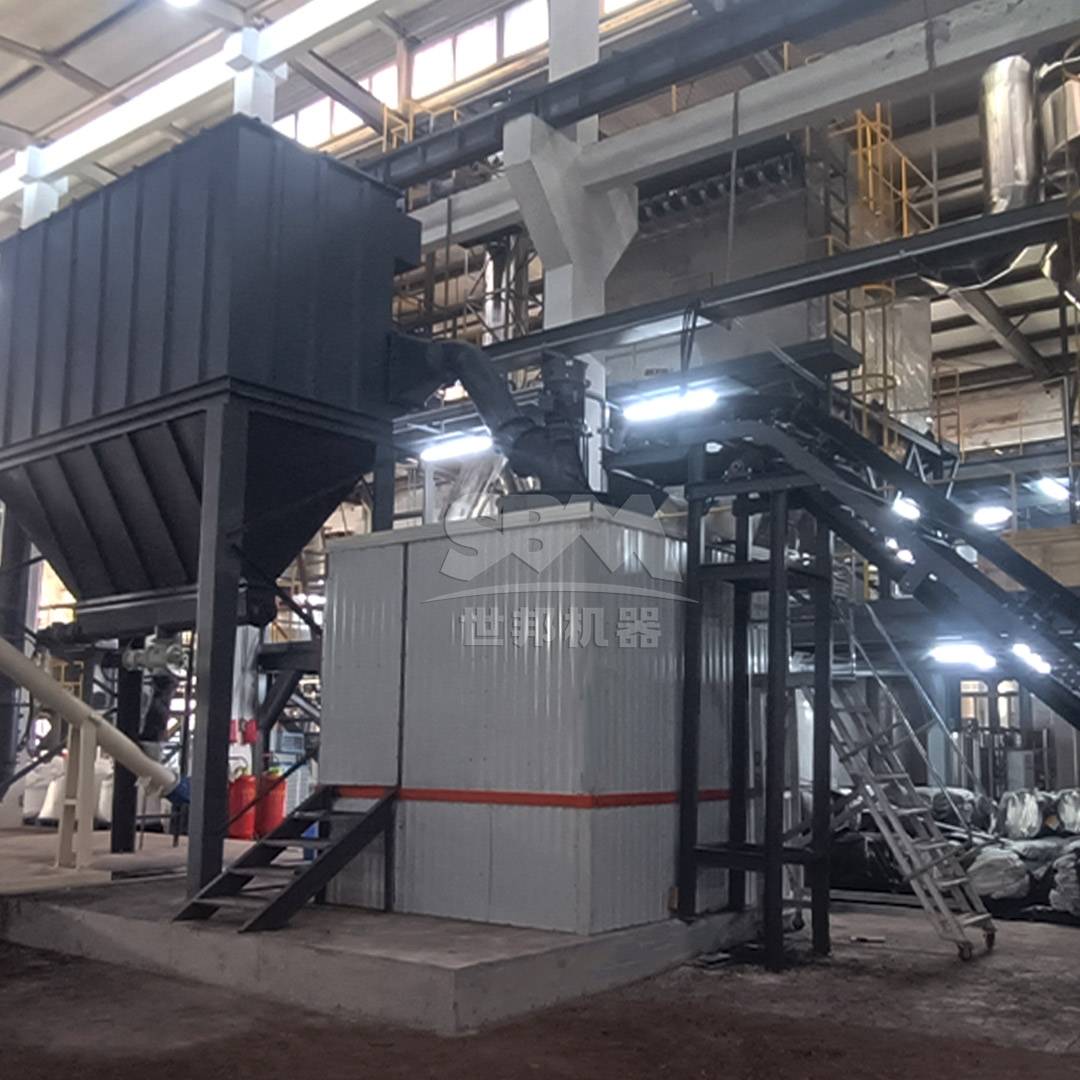
The production of high-quality ceramic proppants begins with the ultrafine grinding of raw minerals. Our SCM Series Ultrafine Mill is the industry benchmark for this application. Designed to produce powders in the range of 325-2500 mesh (45-5μm), it is the perfect machine for preparing the ceramic precursor slurry.
Its vertical turbine classifier ensures precise particle size cutting, eliminating coarse grains that could create defects in the final sintered pellet. The high-efficiency and energy-saving design (30% lower consumption than jet mills) makes it a cost-effective solution. Furthermore, its durable construction with special material rollers and rings withstands the abrasive nature of bauxite, ensuring long service life and stable operation crucial for a continuous process line. A model like the SCM1250, with a capacity of 2.5-14 t/h, can reliably feed a significant ceramic proppant production facility.
Conclusion: Matching Proppant to Formation and Process with Precision Engineering
The choice between frac sand, resin-coated, and ceramic proppants is a strategic decision based on formation geology, closure stress, and economic considerations. However, the performance of any proppant is fundamentally linked to the quality of its manufacturing process, where precise particle size control and shape optimization are non-negotiable.
As an expert manufacturer of grinding and classification equipment for the oilfield services sector, we provide the technological backbone for proppant production. From the robust sizing of frac sand with our MTW Series Mills to the ultrafine grinding of ceramic raw materials with our SCM Series Mills, our solutions are engineered to deliver the consistency, efficiency, and reliability required to produce proppants that meet the stringent demands of modern hydraulic fracturing. Investing in the right processing technology is the first step in ensuring the proppant you pump downhole performs as engineered, maximizing the return on your well completion investment.