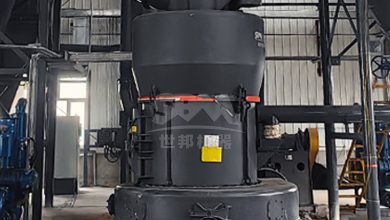
Top 10 Significant Advantages of Raymond Mill (Raymond Roller Mill)
Introduction: The Enduring Legacy of Raymond Mill Technology
For over a century, the Raymond Mill, or Raymond Roller Mill, has been a cornerstone of industrial powder processing. Its ingenious mechanical design, based on pendulum grinding principles, has evolved to meet modern demands for efficiency, precision, and environmental responsibility. While the core concept remains robust, contemporary advancements have significantly amplified its benefits. This article explores the ten most significant advantages that make modern Raymond-type mills an indispensable asset for industries ranging from mining and construction to chemicals and pharmaceuticals.
1. Exceptional Grinding Efficiency and Wide Applicability
The fundamental advantage of the Raymond mill lies in its efficient grinding mechanism. The system utilizes spring-loaded rollers that swing outward due to centrifugal force, pressing against a stationary grinding ring. This creates a powerful rolling and crushing action on the material fed into the grinding chamber. This method is highly effective for a vast range of medium-hard materials with Mohs hardness below 9.3 and humidity below 6%, including barite, calcite, feldspar, talc, marble, limestone, dolomite, fluorite, lime, activated clay, and phosphate rock. Its versatility across non-flammable and non-explosive minerals is unparalleled.
2. Precise Particle Size Control and Consistent Product Quality
Modern Raymond mills integrate advanced classification systems that allow for precise control over the final product’s fineness. The integrated classifier, often a high-efficiency turbine type, ensures that only particles meeting the target size are carried away by the air stream to the collector. This results in a narrow particle size distribution (PSD) and superior product uniformity. The fineness can typically be adjusted within a range of 30 to 325 mesh (0.613mm to 0.044mm), with some high-performance models achieving even finer outputs.
3. High Capacity with Reliable and Stable Operation
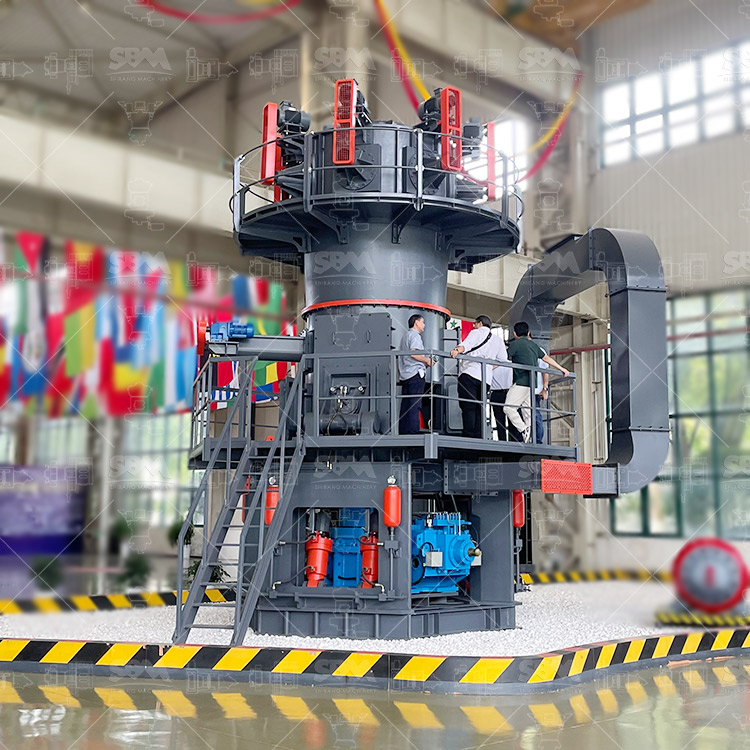
The robust construction of Raymond mills ensures continuous, stable operation with minimal unexpected downtime. Key components like the grinding roller and ring are made from wear-resistant alloys, significantly extending their service life. The direct or geared drive system from the main motor provides consistent power transmission. This reliability translates into high throughput capacities, with modern large-scale models capable of processing several tons to over twenty tons per hour, depending on material and fineness requirements.
4. Advanced Technological Evolution: The MTW Series Trapezium Mill
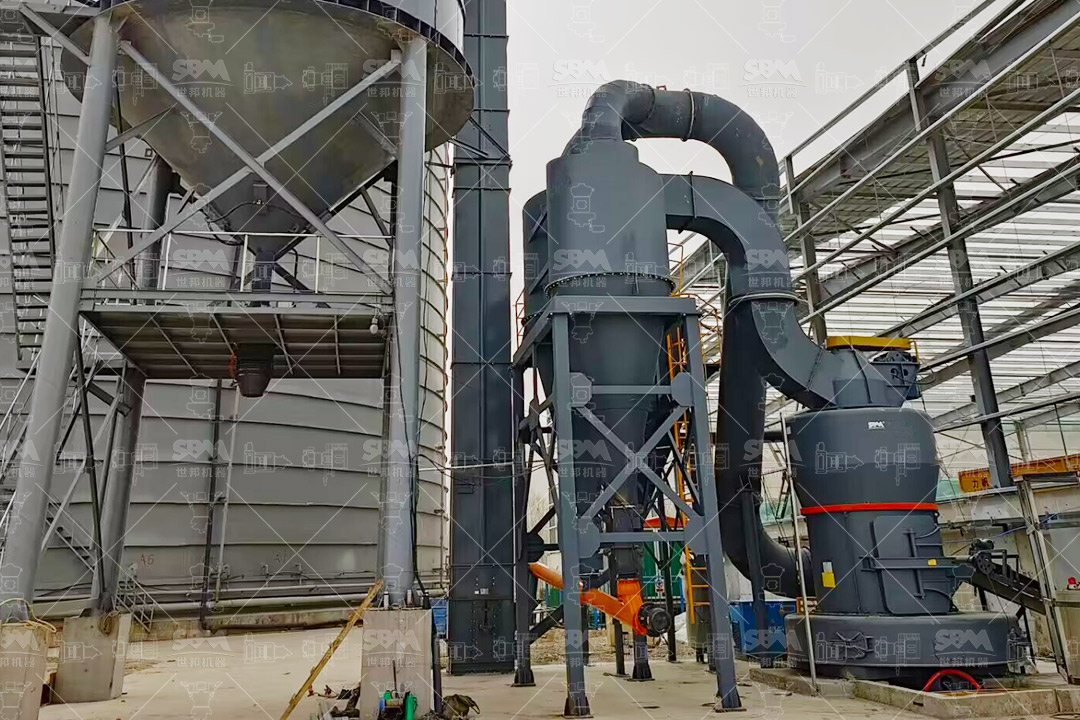
While the traditional Raymond mill design is effective, our engineering has led to a superior evolution: the MTW Series Trapezium Mill. This next-generation mill incorporates groundbreaking patents that address traditional limitations. Its conical gear integral transmission achieves an impressive 98% transmission efficiency, saving space and reducing installation costs. The innovative curved air duct minimizes airflow resistance and energy loss. Furthermore, the wear-resistant volute structure and modular shovel design collectively reduce maintenance costs by up to 30%. With a capacity range of 3-45 tons per hour and the ability to handle feed sizes up to 50mm, the MTW series represents the pinnacle of Raymond mill technology, offering unmatched performance for large-scale production of 30-325 mesh powders.
5. Superior Energy Efficiency
Compared to traditional ball mills, modern Raymond mills offer substantially lower energy consumption per ton of product. The direct grinding action between rollers and ring is more efficient than the tumbling and impact method of ball mills. Furthermore, integrated systems with optimized air circulation and high-efficiency classifiers minimize wasted energy. Intelligent control systems can automatically adjust operational parameters based on feed rate and target fineness, ensuring the mill runs at its optimal efficiency point, which can lead to energy savings of 30-40% in comparable applications.
6. Low Noise and Dust Pollution (Environmental Compliance)
Contemporary Raymond mill systems are designed as closed-circuit, negative-pressure operations. The entire grinding and classification process occurs within sealed units, preventing dust from escaping into the workshop. They are equipped with high-efficiency pulse-jet baghouse dust collectors that capture over 99.9% of airborne particles, ensuring emissions are well below international standards (often <20mg/m³). Additionally, sound-damping materials and optimized mechanical designs keep operational noise levels low, typically below 75-80 dB(A), creating a safer and more comfortable working environment.
7. Automated Control and Ease of Operation
Modern mills are equipped with Programmable Logic Controller (PLC) systems that allow for centralized control and monitoring. Key parameters such as main motor current, fan speed, classifier speed, and temperature can be tracked in real-time. This enables stable, automatic operation with minimal manual intervention. Some advanced models feature expert control systems that can automatically adjust to maintain product fineness despite variations in feed material, ensuring consistent quality and reducing the skill level required for operation.
8. System Integration and Compact Plant Layout
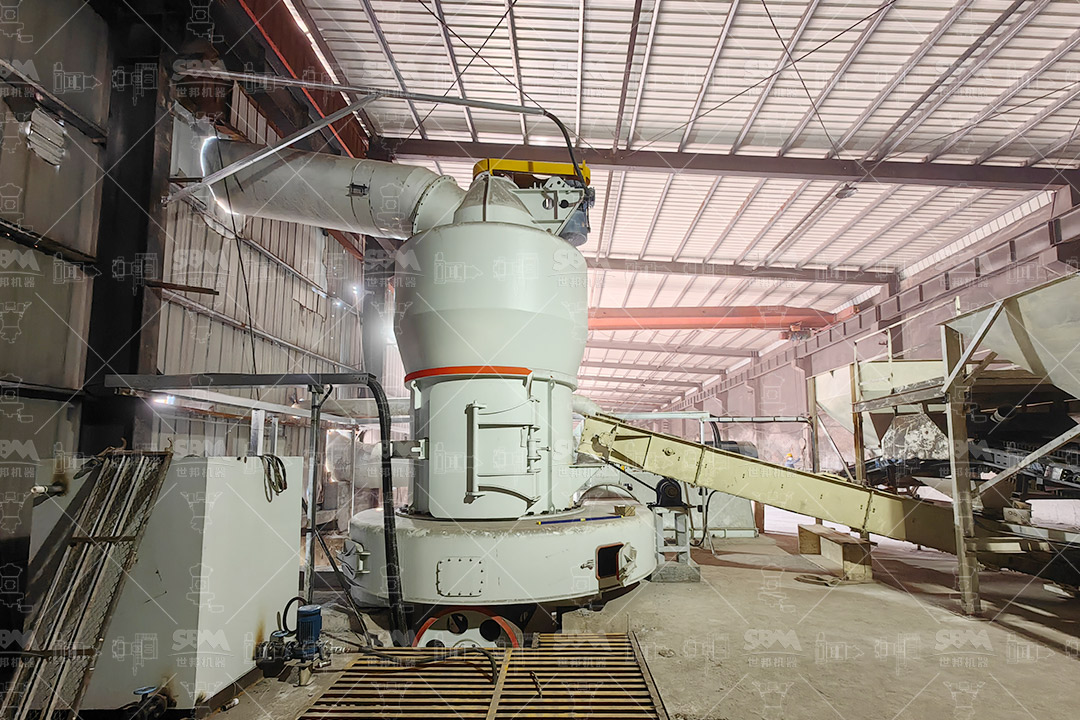
A complete Raymond mill system is often supplied as an integrated unit, including the jaw crusher (for primary size reduction), bucket elevator, storage hopper, vibrating feeder, main grinding unit, classifier, cyclone collector, pulse dust collector, piping, and electrical control cabinet. This vertical or compact horizontal layout requires significantly less floor space—up to 50% less than a traditional ball mill system of comparable capacity. The integrated design also simplifies installation and reduces civil engineering costs.
9. Low Maintenance Costs and Long Service Life
The design prioritizes durability and ease of maintenance. Wear parts like grinding rollers and rings are designed for easy replacement. Innovations like centralized grease lubrication or, in our flagship models, an internal thin-oil lubrication system, drastically reduce bearing maintenance. The use of high-chromium or ceramic materials for wear components multiplies their service life. This focus on robust design and accessible maintenance translates into lower long-term operating costs and higher overall equipment availability.
10. The Pinnacle of Fine Grinding: The SCM Ultrafine Mill
For applications demanding extreme fineness beyond the scope of standard Raymond mills, our SCM Ultrafine Mill is the ultimate solution. This mill is engineered for producing powders from 325 to an remarkable 2500 mesh (D97 ≤ 5μm). Its core advantages include high-efficiency grinding with capacity double that of jet mills and energy consumption 30% lower, and an ultra-precise vertical turbine classifier that ensures no coarse particles contaminate the final product. The reinforced durability of its grinding components and its eco-friendly, low-noise operation make it ideal for high-value industries like coatings, plastics, and advanced ceramics. With models ranging from 0.5 to 25 tons per hour, the SCM series pushes the boundaries of fine powder production.
Conclusion: A Timeless Design, Continuously Optimized
The Raymond Roller Mill’s enduring success is a testament to its fundamentally sound design. However, its true significance in today’s industrial landscape is defined by the continuous technological enhancements that have been integrated into its modern successors. From the high-capacity, efficient MTW Series Trapezium Mill to the ultra-fine precision of the SCM Ultrafine Mill, the evolution of this technology focuses on delivering precise particle size control, exceptional energy efficiency, operational reliability, and strict environmental compliance. For any operation requiring consistent, high-volume production of fine to ultra-fine powders, investing in an advanced Raymond-type milling system represents a strategic decision for quality, productivity, and sustainable growth.