Top 10 Applications of Superfine Ground Fly Ash in Modern Industry
Introduction: The Rise of a High-Performance Mineral Admixture
Fly ash, a by-product of coal combustion in thermal power plants, has long been recognized for its pozzolanic properties. However, the advent of advanced grinding technologies has unlocked its true potential by producing superfine ground fly ash (SGFA) with particle sizes often below 10 microns. This ultra-fine material exhibits significantly enhanced reactivity, packing density, and functional performance compared to conventional fly ash. The transformation of this industrial by-product into a high-value additive is revolutionizing multiple sectors, driving sustainability, and improving material performance. This article explores the top ten applications of superfine ground fly ash in modern industry.
1. High-Performance and Ultra-High-Performance Concrete (HPC/UHPC)
The primary application of SGFA is in advanced concrete formulations. Its ultra-fine particles fill the microscopic voids between cement grains, leading to a denser matrix with reduced permeability. This results in concrete with exceptional compressive and flexural strength, dramatically enhanced durability against chloride ingress, sulfate attack, and alkali-silica reaction. In UHPC, SGFA acts as a key component alongside silica fume, contributing to the material’s ultra-compact structure and strengths exceeding 150 MPa. The improved workability and reduced water demand also make it invaluable for complex architectural elements and critical infrastructure like bridges and high-rise buildings.
2. Advanced Cementitious Composites and Geopolymers
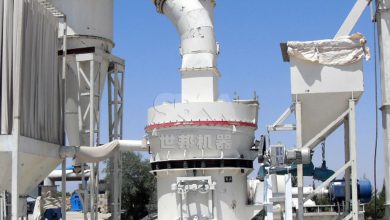
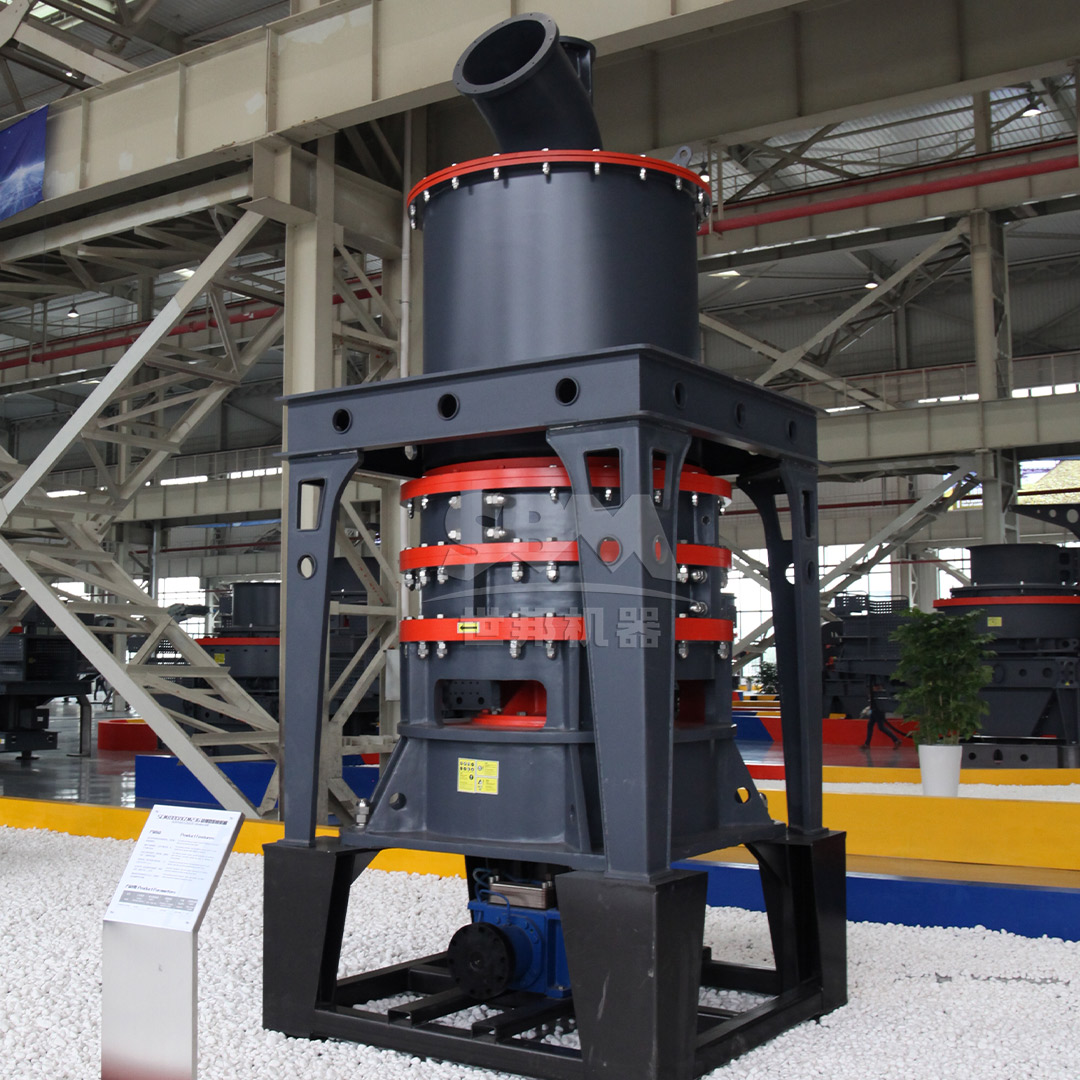
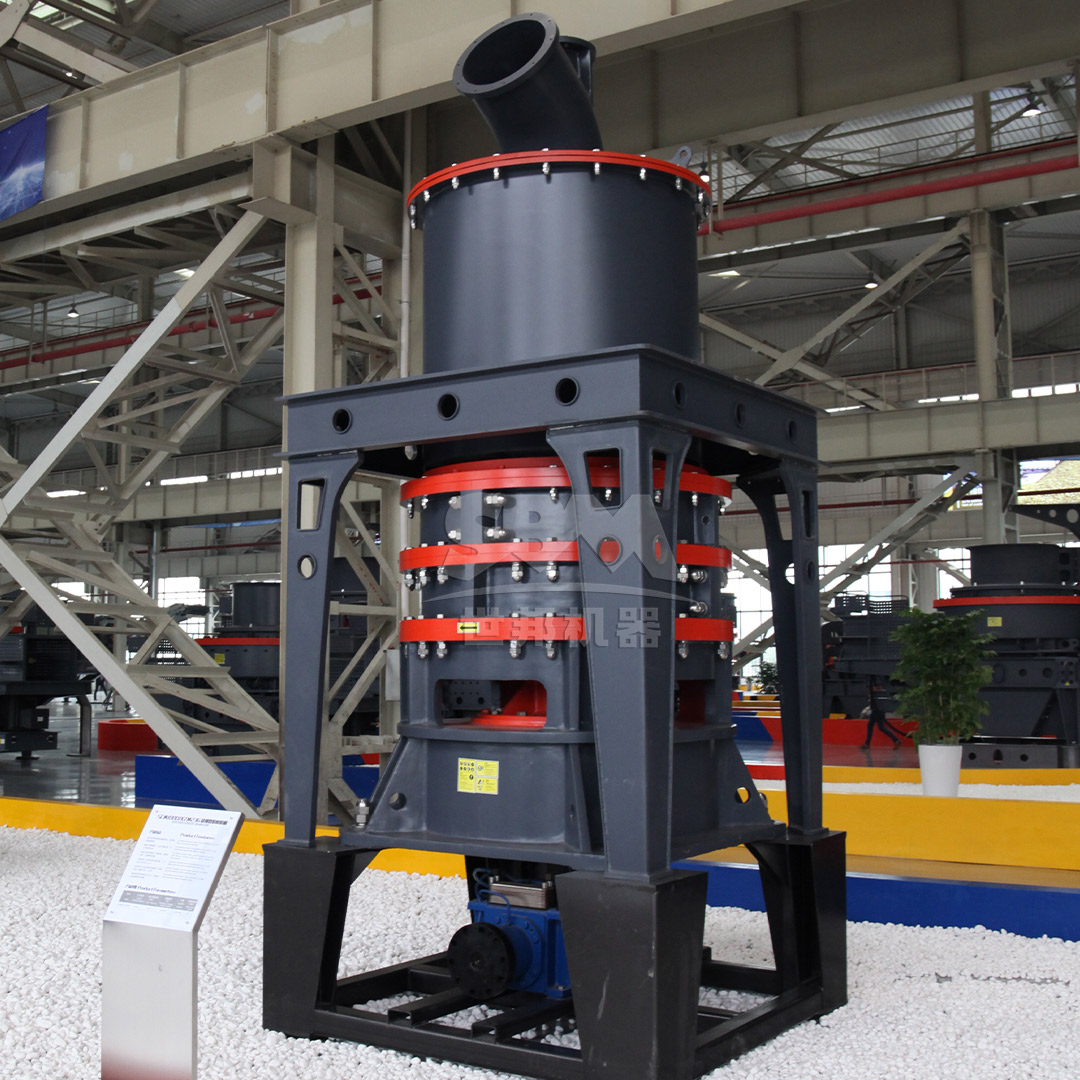
SGFA is a cornerstone material in the development of geopolymers—inorganic polymers that offer a low-carbon alternative to Portland cement. The high surface area and amorphous silica/alumina content of SGFA make it highly reactive in alkaline activators (e.g., sodium silicate). This process produces binders with excellent early strength, high temperature resistance, and very low CO2 footprint. These composites are used in precast elements, fire-resistant coatings, and waste encapsulation. For such precise and demanding applications, achieving consistent, ultra-fine fineness is critical. Equipment like our SCM Series Ultrafine Mill is engineered for this purpose. With an output fineness range of 325-2500 mesh (45-5μm) and a high-precision vertical turbine classifier that ensures no coarse powder mixing, it delivers the uniform, highly reactive SGFA required for reliable geopolymer synthesis.
3. Automotive and Aerospace Polymer Composites
In the realm of engineered plastics and composites, SGFA serves as a high-performance functional filler. Its spherical particle morphology improves flow characteristics during injection molding, reduces polymer resin consumption, and enhances dimensional stability. The filled composites exhibit increased stiffness, heat deflection temperature, and wear resistance. In automotive applications, this translates into lighter, stronger interior panels, under-hood components, and brake pads. The aerospace industry values SGFA-filled composites for non-structural interior parts, where weight reduction and flame retardancy are paramount.
4. Specialty Functional Coatings and Paints
The fine particle size and chemical inertness of SGFA make it an excellent extender and functional pigment in coatings. It improves the suspension properties of paint, reduces settling, and enhances opacity and scrub resistance. In anti-corrosive primers and industrial floor coatings, SGFA contributes to barrier protection by creating a more tortuous path for moisture and corrosive agents. Its use in textured and fire-retardant coatings is also growing, leveraging both its physical and pozzolanic properties.
5. Rubber and Elastomer Manufacturing
The rubber industry utilizes SGFA as a semi-reinforcing filler, particularly in products where carbon black’s color is undesirable. It improves the processing characteristics of rubber compounds, reduces mold sticking, and enhances the hardness, tensile strength, and abrasion resistance of the final product. Applications include shoe soles, conveyor belts, hoses, and various molded rubber goods, offering a cost-effective and performance-enhancing alternative to other mineral fillers.
6. Soil Stabilization and Geotechnical Engineering
In geotechnical applications, SGFA is used to stabilize weak or expansive soils. When mixed with soil and an activator (often lime or cement), the pozzolanic reactions produce cementitious compounds that bind soil particles together. This increases the soil’s bearing capacity, reduces its plasticity and swell potential, and improves its resistance to erosion. This technique is widely used in road sub-base construction, embankment reinforcement, and foundation treatment for large-scale projects.
7. Wastewater Treatment and Adsorbent Materials
Activated or chemically modified SGFA demonstrates significant potential as a low-cost adsorbent for water treatment. Its porous structure and surface chemistry allow it to effectively remove heavy metals (e.g., lead, copper, cadmium), dyes, and other organic contaminants from industrial wastewater. Research is ongoing into engineering SGFA-based adsorbents with tailored properties for specific pollutant removal, turning a waste product into a solution for environmental remediation.
8. Ceramics and Refractory Products
The alumina and silica content in SGFA makes it a valuable raw material in the ceramics industry. It can be incorporated into the body composition of tiles, sanitaryware, and technical ceramics to modify firing behavior, reduce shrinkage, and improve mechanical strength. In refractory castables and bricks, SGFA acts as a micro-filler that improves packing density and enhances the material’s resistance to thermal shock and slag corrosion at high temperatures.
9. Agricultural Soil Amendment and Fertilizer Carrier
While application rates must be carefully managed, SGFA can serve as a beneficial soil amendment. It can improve the physical properties of clay soils by enhancing porosity and workability. Furthermore, its mineral content can provide trace elements. More commonly, its high surface area and porosity make it an effective carrier for slow-release fertilizers and pesticides, helping to improve nutrient retention in soil and reduce leaching.
10. 3D Printing (Additive Manufacturing) of Construction Materials
This emerging application represents the cutting edge of SGFA use. In concrete 3D printing, the rheology of the cementitious mix is paramount. SGFA improves the “printability” of the mortar—enhancing its extrudability, shape retention, and inter-layer bond strength. The resulting printed structures benefit from the high durability and strength associated with SGFA-modified concrete, pushing the boundaries of architectural design and automated construction.
Conclusion: Enabling the Future with Advanced Processing Technology
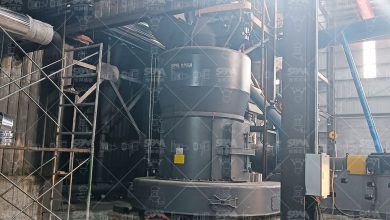
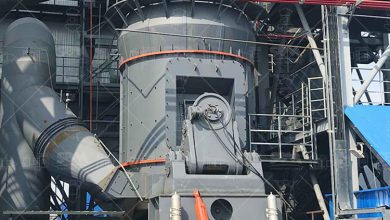
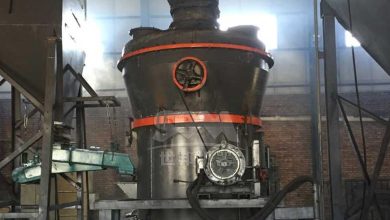
The diverse and high-value applications of superfine ground fly ash underscore its transition from a waste management concern to a strategic industrial resource. Its success hinges on the ability to produce it with consistent ultra-fineness, precise particle size distribution, and high reactivity. This is where advanced milling technology becomes indispensable. For large-scale production of SGFA across the fineness spectrum, from coarse grinding to ultra-fine classification, our MTW Series European Trapezium Mill and LM Series Vertical Roller Mill offer robust, energy-efficient solutions. The MTW series, with capacities from 3-45 TPH and fineness down to 325 mesh (45μm), features an integral bevel gear drive for 98% transmission efficiency and an anti-wear shovel design for low maintenance. For even higher capacity needs up to 250 TPH and integrated grinding-drying-classifying in a single unit, the LM Vertical Roller Mill reduces energy consumption by 30-40% compared to traditional ball mills and offers intelligent control for stable, high-quality output. Investing in the right grinding technology is the key to unlocking the full economic and environmental potential of superfine ground fly ash across these ten dynamic industries.