The Significance of Ultrafine Vertical Roller Mills in the Development of the Ground Calcium Carbonate (GCC) Market
Introduction: The Evolving Landscape of Ground Calcium Carbonate
The Ground Calcium Carbonate (GCC) market is a cornerstone of modern industry, serving as a critical functional filler and additive in sectors ranging from plastics, paints, and coatings to paper, rubber, and pharmaceuticals. The performance of GCC in these applications is intrinsically linked to its particle size distribution, morphology, and surface characteristics. As end-user industries demand higher performance, greater consistency, and more sustainable production methods, the technology used to process GCC has become a decisive factor in market competitiveness. The advent and refinement of Ultrafine Vertical Roller Mill (UVRM) technology represent a paradigm shift, enabling producers to meet these stringent demands while achieving unprecedented levels of efficiency and environmental compliance.
The Technological Imperative: From Conventional Grinding to Ultrafine Precision
Traditional grinding systems, such as ball mills and conventional Raymond mills, have long been the workhorses of GCC production. While effective for producing coarser grades, they face significant limitations when targeting the ultrafine (d97 < 10μm) and superfine (d97 < 2μm) spectra. These limitations include high specific energy consumption, limited classification precision leading to broad particle size distributions, high wear rates, and substantial physical footprints.
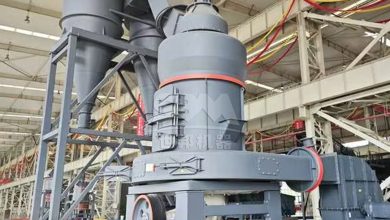
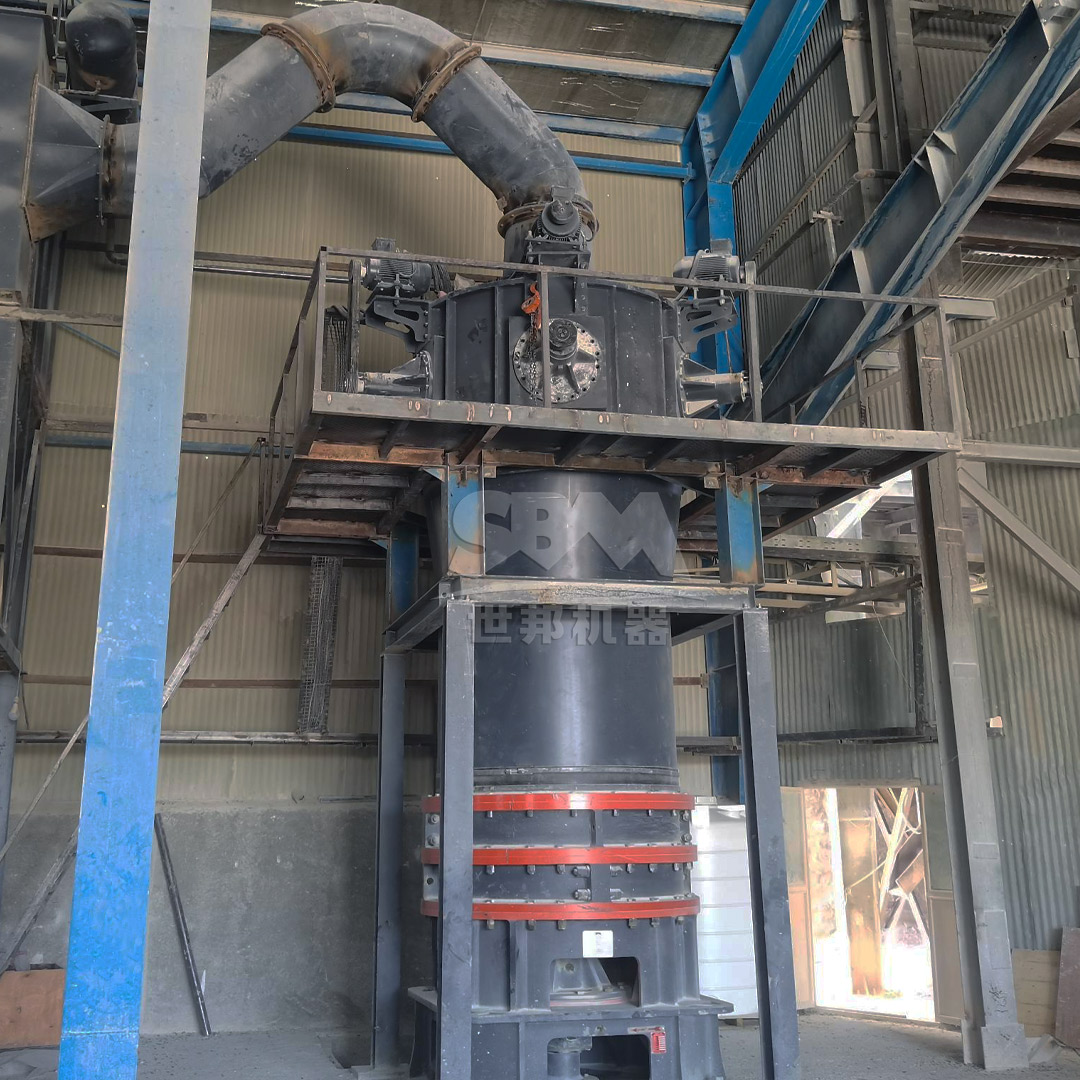
Ultrafine Vertical Roller Mills overcome these challenges through an integrated design philosophy. By combining grinding, drying, classification, and conveying into a single, compact unit, UVRMs offer a holistic solution. The core of their advantage lies in the application of concentrated pressure via grinding rollers onto a bed of material on a rotating table, a method far more energy-efficient than the impact and attrition of tumbling ball mills. This bed-grinding principle, coupled with advanced, high-precision turbine classifiers, allows for the production of GCC with exceptionally tight particle size distributions and superior surface properties.
Key Drivers Fueling the Adoption of UVRM Technology in GCC
1. Unmatched Product Quality and Consistency
The ability to produce GCC with a narrow, controllable particle size distribution is paramount. UVRMs, with their internal dynamic classifiers, can make precise “cuts” in the particle stream. This eliminates coarse particles that can degrade the finish in paints or cause wear in plastics processing, while also minimizing ultra-fines that can increase viscosity and binder demand. The result is a more predictable, high-performance product that allows formulators to optimize recipes and reduce raw material costs.
2. Dramatic Energy Efficiency and Operational Economy
Energy is the single largest operational cost in GCC production. UVRM technology typically reduces specific energy consumption by 30-50% compared to traditional ball mill systems for achieving similar fineness. This is achieved through efficient grinding mechanics, integrated drying using waste heat from kilns or other processes, and reduced auxiliary power needs. Lower energy consumption directly translates to a smaller carbon footprint and significant cost savings, a critical advantage in an energy-intensive industry.
3. Scalability and Production Flexibility
Modern UVRMs are designed for large-scale, continuous operation with capacities exceeding 25 tons per hour for ultrafine products. Their vertical, modular design requires up to 50% less floor space than a traditional ball mill circuit. Furthermore, advanced control systems allow for quick adjustments to product fineness, enabling producers to switch between different GCC grades to meet diverse customer orders with minimal downtime.
4. Enhanced Environmental Sustainability
Environmental regulations are becoming increasingly stringent worldwide. UVRMs are inherently cleaner. The entire grinding process occurs in a fully enclosed, negative-pressure system, preventing dust emissions. Integrated high-efficiency pulse jet bag filters ensure that exhaust air meets the strictest international standards. Additionally, lower energy consumption directly contributes to reduced greenhouse gas emissions associated with power generation.
Meeting Market Demands with Advanced Engineering: A Spotlight on SBM Machinery’s Solutions
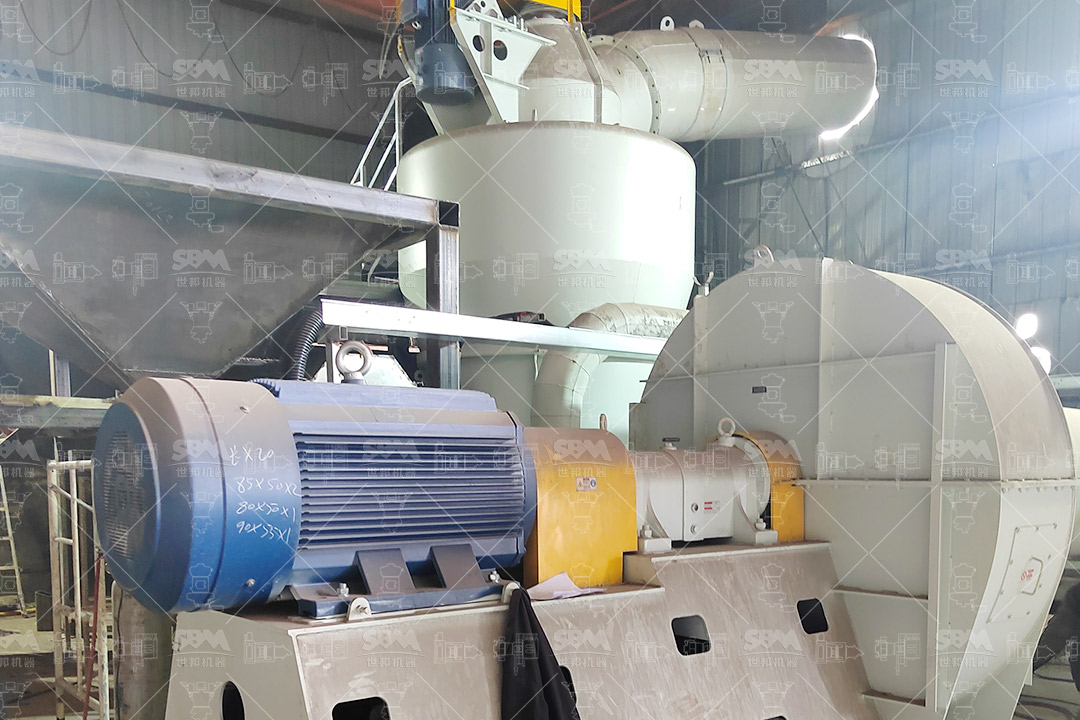
To fully harness the potential of UVRM technology, selecting equipment from a manufacturer with deep expertise and proven designs is crucial. SBM Machinery, a leader in mineral processing technology, offers a suite of mills engineered to dominate the GCC market. Two standout solutions exemplify the technological progression for different production needs.
For High-End Ultrafine and Superfine GCC: The SCM Series Ultrafine Mill
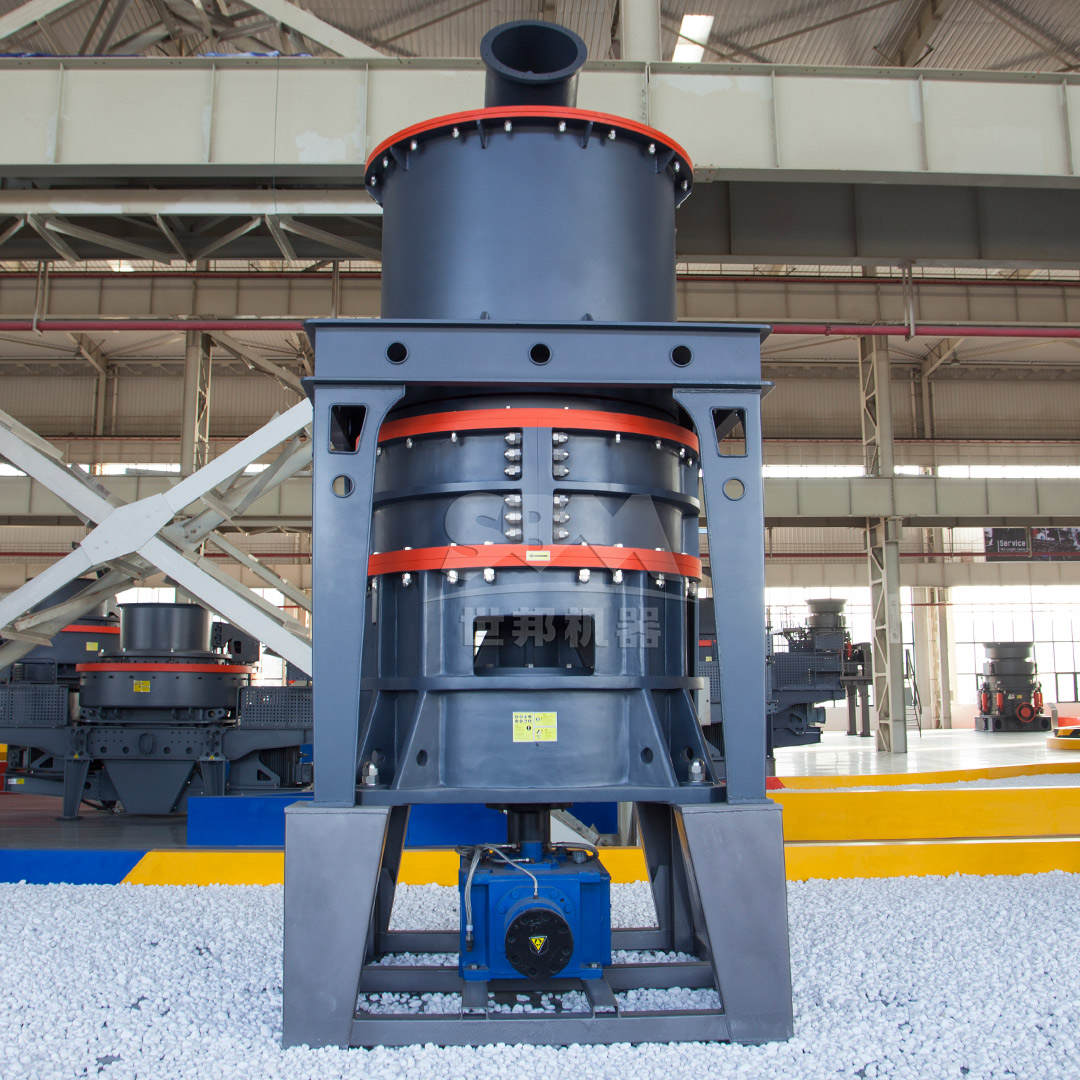
When the target is the most demanding applications requiring GCC in the range of 325 to 2500 mesh (45-5μm), the SCM Series Ultrafine Mill is the benchmark. This mill is engineered for precision and efficiency. Its vertical turbine classifier achieves unparalleled particle size cutting, ensuring a finished product with no coarse powder mixing and exceptional uniformity—a critical factor for high-gloss paints and premium plastics.
Beyond quality, the SCM Series is built for productivity and durability. It boasts a capacity twice that of jet mills while consuming 30% less energy. Its special material rollers and rings, combined with an innovative shaftless screw design in the grinding chamber, extend service life significantly and guarantee stable, long-term operation. For GCC producers aiming at the top tier of the market, the SCM Series provides the technological edge to produce consistent, high-value ultrafine powders reliably and economically.
For High-Capacity, Broad-Spectrum GCC Production: The LM Series Vertical Roller Mill
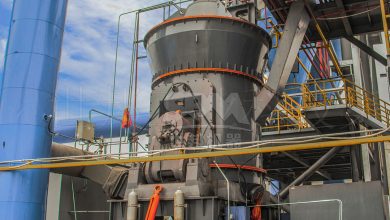
For large-scale production of GCC across a wide fineness range (30-325 mesh, extendable to 600 mesh), the LM Series Vertical Roller Mill offers an unbeatable combination of scale and intelligence. Its fully integrated design—crushing, grinding, drying, classification, and conveying—reduces floor space by 50% and cuts civil construction costs by 40%, making it ideal for greenfield projects or major expansions.
The LM Series excels in operational economy. Its non-contact grinding curve design and high-wear-resistant materials triple the lifespan of wear parts. Most impressively, its intelligent expert control system allows for fully automated operation, with real-time monitoring and adjustment of key parameters. This minimizes manual intervention, optimizes performance, and ensures consistent output quality shift after shift. It represents the ideal workhorse for GCC plants serving large-volume markets like paper, rubber, and construction materials.
Conclusion: Shaping the Future of GCC
The development of the GCC market is inextricably linked to advancements in grinding technology. Ultrafine Vertical Roller Mills are no longer just an alternative; they are the definitive solution for producers seeking to thrive in a competitive, quality-conscious, and sustainability-driven global marketplace. By delivering superior product characteristics, drastic reductions in energy and operational costs, and exemplary environmental performance, UVRM technology is empowering GCC manufacturers to unlock new applications, improve profitability, and future-proof their operations. As exemplified by advanced solutions like the SCM and LM series from SBM Machinery, the continued innovation in mill design and control systems will undoubtedly propel the GCC industry toward new frontiers of performance and efficiency.