The Role of Wollastonite Powder in Papermaking: Enhancing Strength and Sustainability
Introduction to Wollastonite in Modern Paper Manufacturing
In the evolving landscape of paper manufacturing, the quest for sustainable and high-performance additives has led to increased adoption of mineral fillers. Among these, wollastonite powder (calcium metasilicate, CaSiO3) has emerged as a versatile functional filler that significantly enhances paper properties while supporting environmental objectives. This naturally occurring mineral offers a unique combination of acicular (needle-like) particle morphology, bright white color, and chemical stability that makes it particularly valuable in paper applications.
The paper industry faces mounting pressure to reduce its environmental footprint while maintaining product quality and performance. Wollastonite addresses these challenges by providing an alternative to traditional fillers like kaolin and calcium carbonate, offering improved mechanical properties, better retention, and reduced energy consumption during production. This article explores the multifaceted benefits of wollastonite in papermaking and examines the critical role of advanced milling technology in optimizing its performance characteristics.
Technical Advantages of Wollastonite in Paper Applications
Enhanced Mechanical Properties
The acicular morphology of wollastonite creates a reinforcing network within the paper matrix that significantly improves tensile strength, tear resistance, and folding endurance. Unlike spherical fillers that can create stress concentration points, the needle-like particles of wollastonite distribute mechanical stresses more evenly throughout the paper structure. Research indicates that papers containing 10-20% wollastonite filler can exhibit up to 25% improvement in tensile strength compared to conventional filled papers.
Furthermore, the high aspect ratio of wollastonite particles (typically ranging from 3:1 to 20:1) promotes fiber-to-filler bonding, creating a more integrated composite material. This three-dimensional reinforcement is particularly beneficial in specialty papers requiring exceptional durability, such as filter papers, technical papers, and packaging materials subjected to rigorous handling conditions.
Improved Optical Properties
Wollastonite’s naturally bright white color (typically 90-96% brightness) and high refractive index (approximately 1.63) contribute to excellent opacity and light-scattering capabilities. This allows paper manufacturers to maintain or even improve optical properties while reducing the consumption of expensive optical brightening agents (OBAs) and titanium dioxide. The mineral’s inherent whiteness remains stable over time, resisting yellowing that can occur with organic fillers or wood pulp components.
Additionally, the acicular particles create micro-voids within the paper structure that enhance light scattering through multiple internal reflections. This phenomenon, combined with the mineral’s intrinsic optical properties, enables the production of high-opacity papers with lower basis weights, supporting the industry trend toward lightweighting without compromising performance.
Superior Retention and Drainage
The geometry of wollastonite particles promotes mechanical entanglement with cellulose fibers, resulting in significantly higher first-pass retention compared to conventional fillers. Studies have demonstrated retention rates of 80-90% for wollastonite versus 40-60% for calcium carbonate in similar applications. This improved retention translates to reduced filler loss in white water systems, lower chemical consumption for retention aids, and decreased load on water treatment facilities.
Enhanced drainage represents another critical advantage. The needle-like particles create channels within the fiber network that facilitate water removal during sheet formation, potentially increasing machine speeds by 5-15% depending on the paper grade and machine configuration. This drainage improvement can lead to substantial energy savings in the drying section, where thermal energy requirements represent a significant portion of production costs.
Sustainability Benefits of Wollastonite in Paper Production
Reduced Environmental Impact
Wollastonite offers several environmental advantages that align with the paper industry’s sustainability initiatives. As a naturally occurring mineral, it requires minimal chemical processing compared to synthetic fillers, reducing the embodied energy and chemical footprint of paper products. Its alkaline nature (pH ~9-10) can help neutralize acidic components in paper systems, potentially reducing the need for pH-adjusting chemicals.
Life cycle assessment studies indicate that wollastonite-filled papers can demonstrate a 15-25% reduction in carbon footprint compared to conventionally filled papers, primarily due to reduced energy consumption in refining, improved machine efficiency, and lower chemical usage. Additionally, wollastonite is biologically inert and non-toxic, making it suitable for food-contact papers and other sensitive applications.
Resource Efficiency and Circular Economy
The high retention characteristics of wollastonite contribute to more efficient utilization of raw materials, with less waste generated during paper production. This aligns with circular economy principles by maximizing resource efficiency and minimizing waste streams. Furthermore, papers containing wollastonite demonstrate improved recyclability, with the mineral particles remaining compatible with repulping processes and often enhancing the properties of recycled fibers.
Some wollastonite sources also offer the potential for carbon sequestration through mineral carbonation processes, though this application is still emerging in paper products. As the industry moves toward carbon-neutral operations, this characteristic may provide additional environmental benefits in the future.
Critical Role of Particle Size and Distribution in Wollastonite Performance
The performance of wollastonite in paper applications is highly dependent on particle size distribution and morphology preservation during the milling process. Optimal results are typically achieved with median particle diameters (d50) between 5-45 micrometers, with careful control of the aspect ratio to maintain the reinforcing benefits of the acicular structure. Over-grinding can reduce particle length and diminish the mechanical advantages, while insufficient milling may result in particles too large for effective integration with paper fibers.
Specialized milling equipment is essential to achieve the precise particle size distributions required for different paper grades. For filling applications where optical properties are prioritized, finer particles in the range of 5-20 micrometers are typically preferred. For reinforcement applications where mechanical properties are critical, slightly larger particles with preserved aspect ratios in the 20-45 micrometer range deliver superior performance.
Advanced Milling Solutions for Optimal Wollastonite Processing
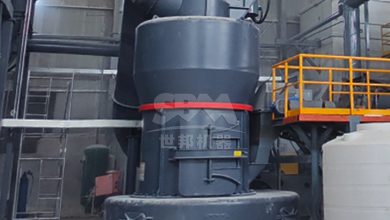
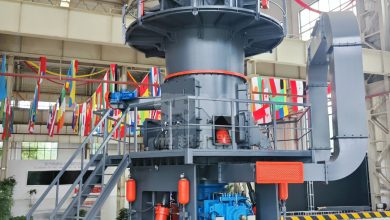
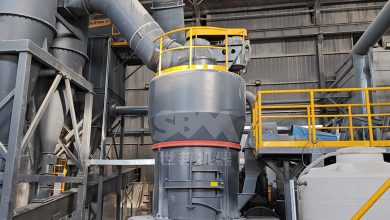
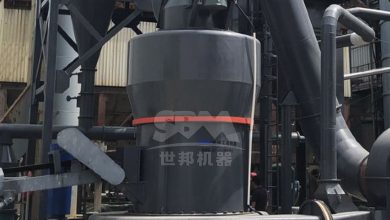
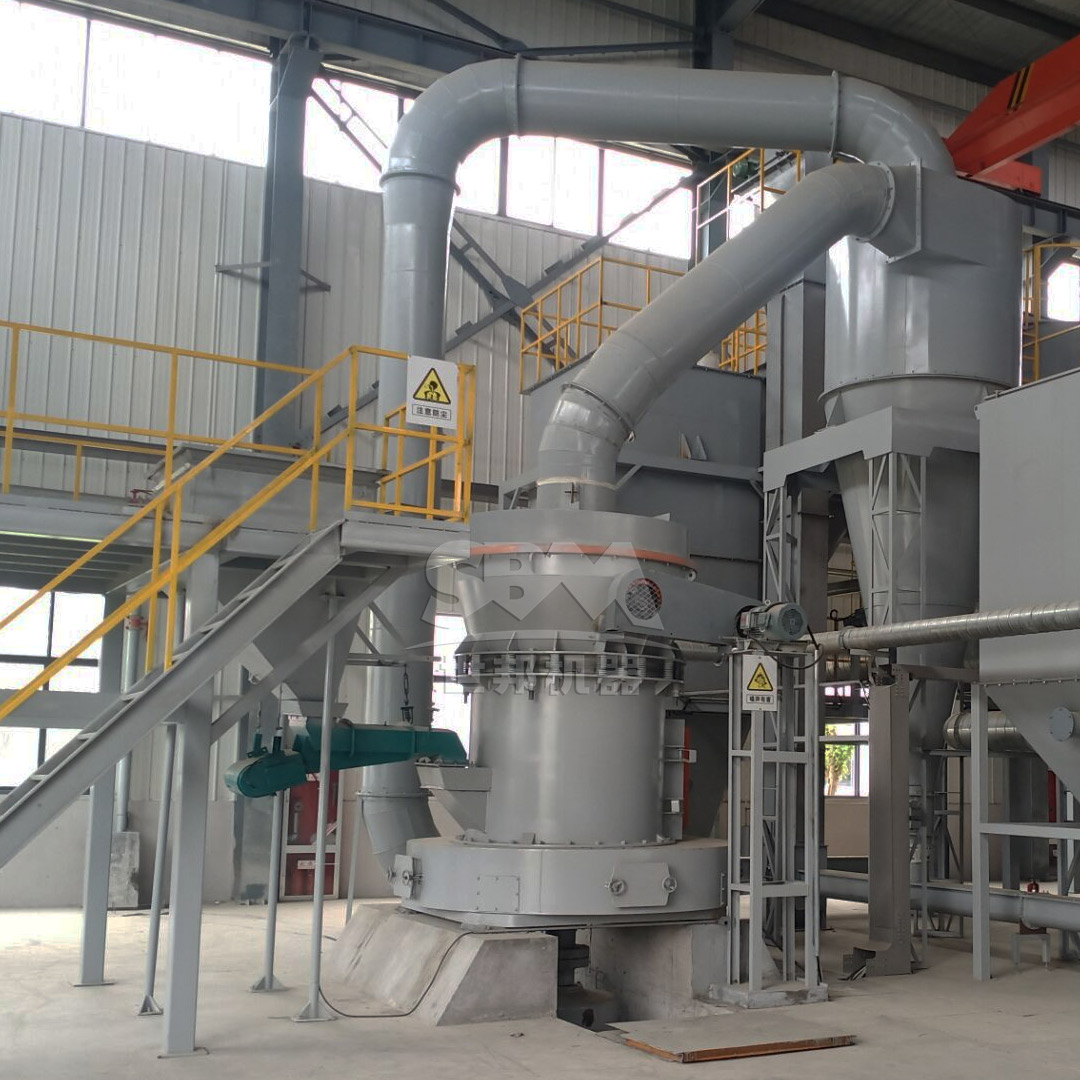
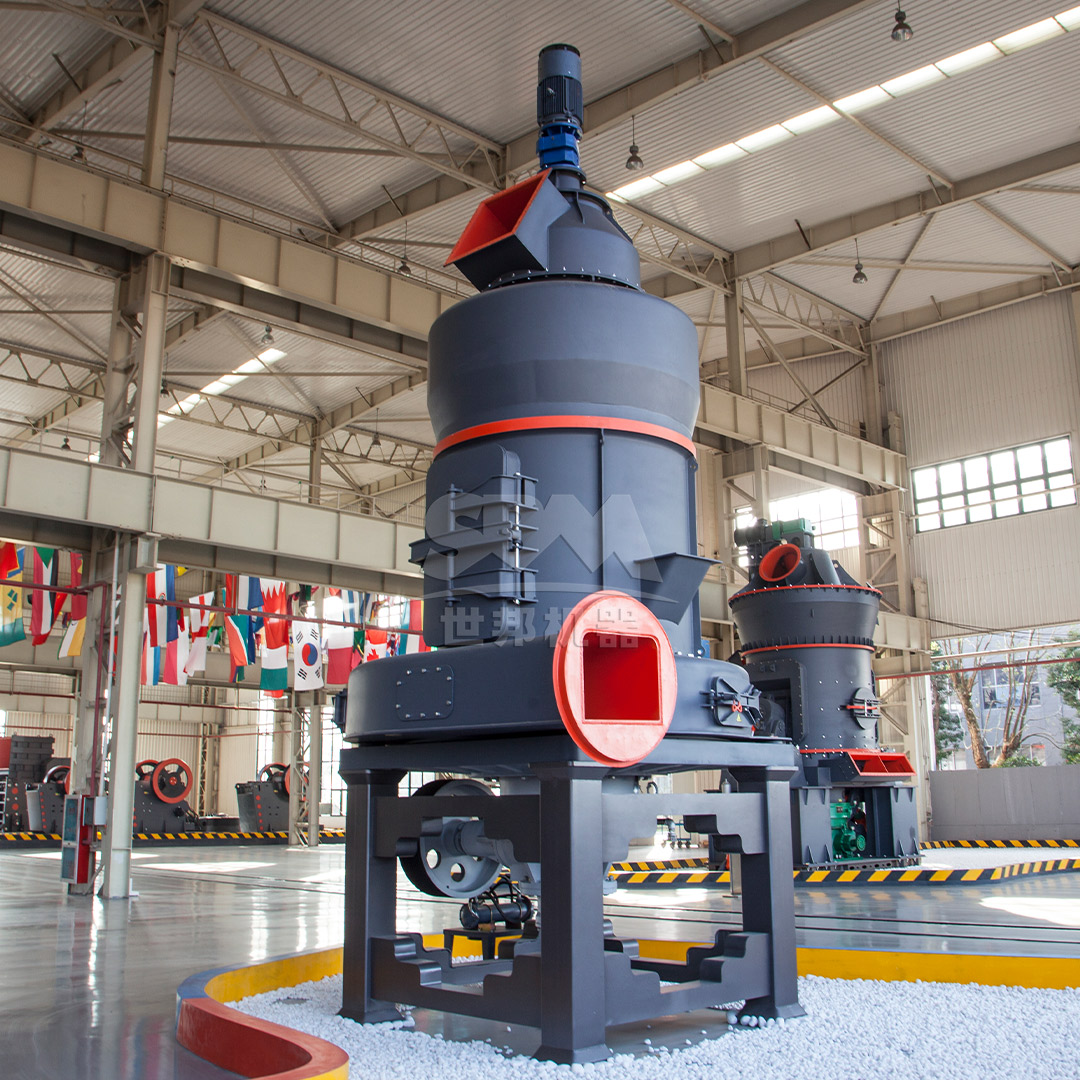
To maximize the benefits of wollastonite in paper applications, precise control over particle size distribution and morphology is essential. Our SCM Ultrafine Mill represents an ideal solution for producing high-quality wollastonite powder tailored to paper industry requirements. With output fineness ranging from 325-2500 mesh (D97≤5μm) and processing capacity of 0.5-25 tons per hour depending on model, this advanced milling system delivers the consistent particle characteristics necessary for optimal paper performance.
The SCM series incorporates several technological advantages particularly beneficial for wollastonite processing:
- High-Precision Classification: Vertical turbine classifiers enable precise particle size control with no coarse powder contamination, ensuring uniform product quality
- Morphology Preservation: The layered grinding principle minimizes damage to the acicular structure of wollastonite, maintaining its reinforcing capabilities
- Energy Efficiency: With 30% lower energy consumption compared to jet mills and twice the production capacity, the SCM series supports sustainable operations
- Environmental Compliance: Pulse dust collection systems exceed international standards, while noise levels remain below 75dB
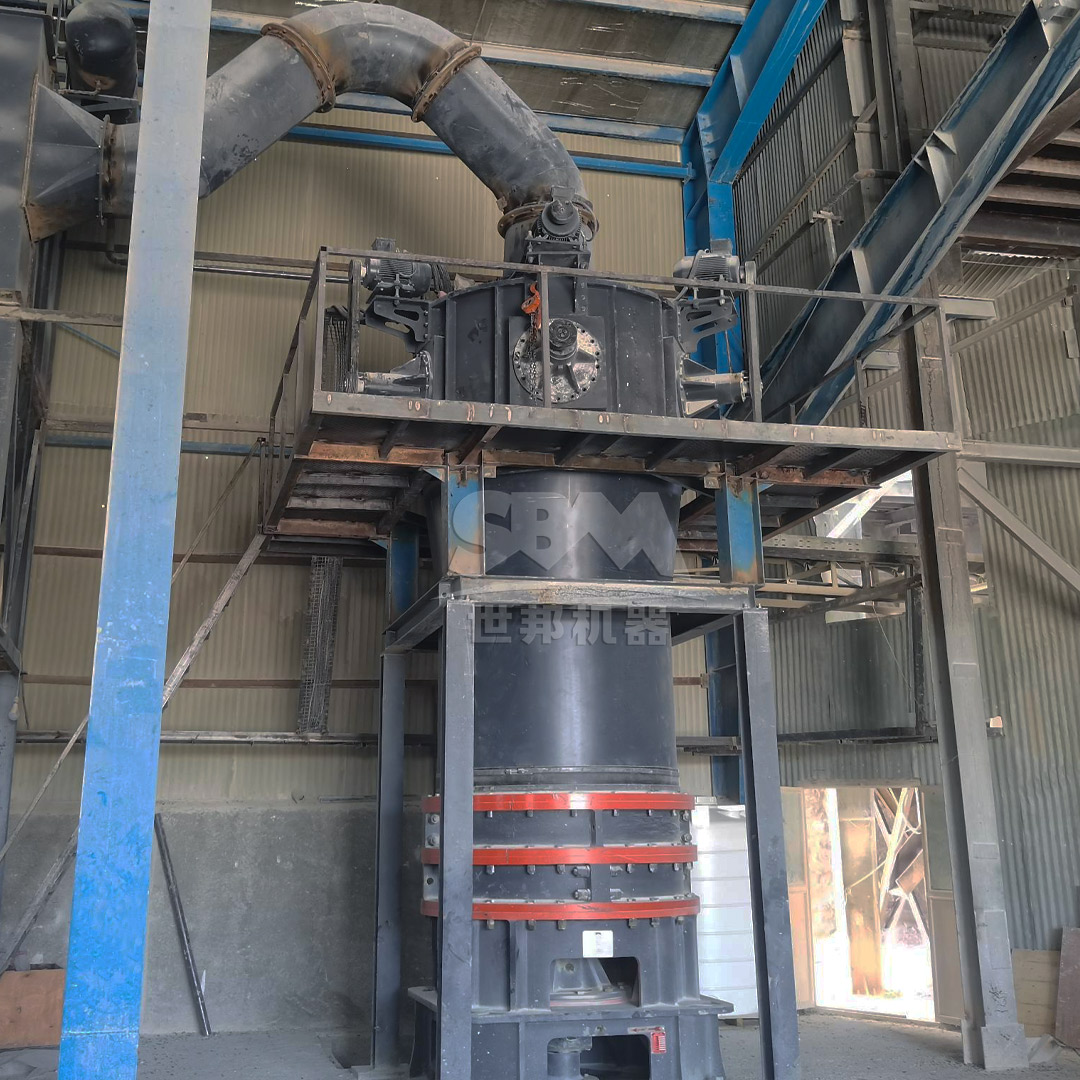
For operations requiring coarser particle distributions or higher throughput capacities, our MTW Series Trapezium Mill offers an excellent alternative. With output fineness of 30-325 mesh and processing capacity ranging from 3-45 tons per hour, this robust system combines European engineering with advanced features including anti-wear shovel design, curved air duct optimization, and integrated cone gear transmission with 98% efficiency.
Application Guidelines and Best Practices
Dosage Optimization
The optimal loading rate of wollastonite in paper depends on the specific grade and performance requirements. Typical incorporation rates range from 5-25% by weight, with higher loadings possible in certain specialty grades. For printing and writing papers, 10-15% wollastonite often provides an optimal balance of optical and mechanical properties. For technical and packaging papers where reinforcement is prioritized, loadings of 15-25% may be appropriate.
It’s important to note that the high aspect ratio of wollastonite enables effective reinforcement at lower loading levels compared to spherical fillers. Progressive addition trials are recommended to establish the optimal dosage for specific applications, considering the interactions with other paper components and the specific papermaking conditions.
Compatibility with Papermaking Systems
Wollastonite demonstrates excellent compatibility with most papermaking chemicals, including retention aids, sizing agents, and wet-strength resins. Its slightly alkaline nature generally benefits paper systems, though adjustments to other chemical additions may be necessary when first introducing wollastonite. The mineral’s white color and refractive index make it compatible with color matching requirements across most paper grades.
Process integration typically requires minimal modifications to existing systems. The similar specific gravity to other common fillers (approximately 2.9) means that existing mixing and storage equipment can usually be utilized without significant changes. The improved retention characteristics often allow for reduced consumption of retention aids, providing both economic and environmental benefits.
Future Outlook and Emerging Applications
The use of wollastonite in papermaking is expected to grow as sustainability considerations become increasingly important. Emerging applications include:
- Bio-based Composites: Combinations of wollastonite with bio-polymers for specialty barrier papers
- Smart Papers: Functional papers incorporating modified wollastonite for enhanced fire resistance or electrical properties
- 3D Forming: Utilization of wollastonite’s reinforcement capabilities in molded pulp products
- Advanced Packaging: High-performance packaging materials leveraging wollastonite’s combination of strength and sustainability
Ongoing research is exploring surface-modified wollastonite with enhanced compatibility with specific fiber types or functional properties. These developments promise to expand the applications of wollastonite in paper products while further improving performance and sustainability metrics.
Conclusion
Wollastonite represents a high-performance, sustainable filler option for the paper industry, offering a unique combination of mechanical reinforcement, optical enhancement, and environmental benefits. Its acicular morphology provides distinct advantages over traditional spherical fillers, particularly in applications requiring improved strength and dimensional stability. The mineral’s compatibility with existing papermaking processes and its positive environmental profile make it an attractive option for manufacturers seeking to improve product performance while reducing environmental impact.
The full realization of wollastonite’s potential depends on precise control of particle characteristics through advanced milling technology. Our SCM Ultrafine Mill and MTW Series Trapezium Mill provide paper manufacturers with the capability to produce wollastonite powders optimized for specific applications, ensuring consistent quality and performance. As the paper industry continues its evolution toward more sustainable and high-performance products, wollastonite is poised to play an increasingly important role in meeting these dual objectives.