Technical Advantages of Vertical Mill for Kaolin Processing
Introduction
The processing of kaolin, a versatile industrial mineral, demands precision, efficiency, and reliability. Achieving the desired fineness, whiteness, and particle size distribution is critical for its applications in paper, ceramics, paints, and polymers. Among various grinding technologies, vertical roller mills (VRMs) have emerged as the superior solution for modern kaolin processing plants. Their integrated design and advanced technological features address the specific challenges of kaolin grinding, offering unparalleled advantages over traditional ball mills and Raymond mills.
Core Challenges in Kaolin Processing
Kaolin processing involves several critical stages: crushing, grinding, classification, and drying. The grinding stage is particularly demanding as it must produce a fine, uniform powder while preserving the mineral’s natural brightness and structure. Key challenges include:
- Energy Intensity: Fine grinding is highly energy-consuming.
- Product Contamination: Metal wear from grinding media can introduce impurities, affecting kaolin’s color and chemical properties.
- Particle Size Control: Achieving a narrow, consistent particle size distribution is essential for product performance.
- Dust and Environmental Control: Kaolin dust poses health risks and environmental concerns.
- Moisture Sensitivity: Efficient drying integrated with grinding is often required.
How Vertical Mills Overcome These Challenges
Vertical roller mills are engineered to tackle these issues head-on through a combination of innovative design and intelligent operation.
1. Integrated Grinding and Drying
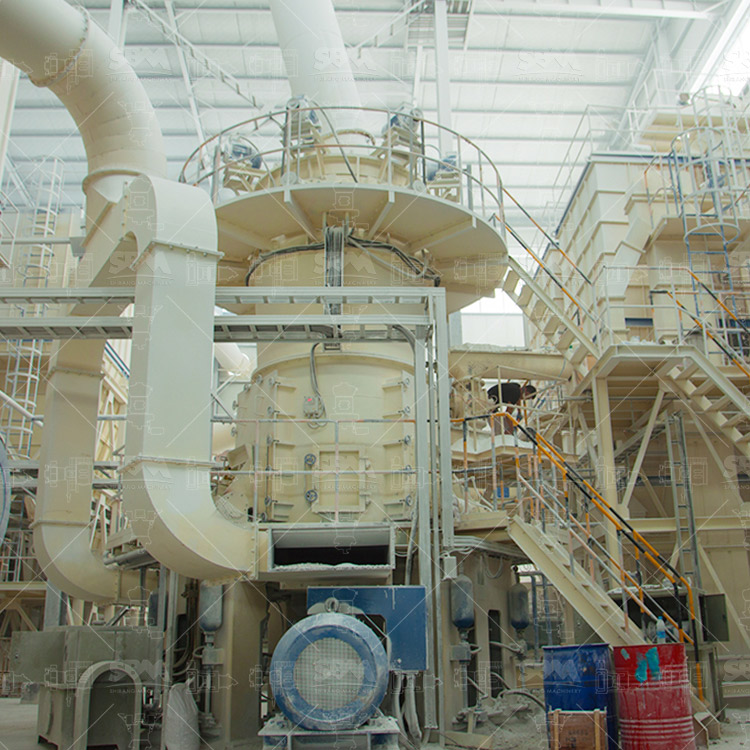
VRMs feature a hot gas generator that introduces hot air directly into the grinding chamber. This allows simultaneous grinding and drying of moist kaolin feed, a significant advantage over systems requiring separate drying equipment. The direct contact between hot air and material ensures efficient heat transfer, reducing overall moisture content to below 1% in a single pass.
2. Superior Energy Efficiency
The fundamental principle of a VRM is bed grinding, where material is crushed between rollers and a rotating table under hydraulic pressure. This method applies force directly to the material layer, minimizing energy loss to friction and vibration common in tumbling ball mills. Typically, VRMs consume 30-50% less energy than a ball mill system producing the same product fineness. The integrated classifier also eliminates the need for external separation cycles, further reducing power consumption.
3. Exceptional Product Quality and Purity
Vertical mills operate without metal-to-metal contact between the grinding rollers and the table liner, as a stable material bed provides the interface. This non-contact design drastically reduces metallic wear and the associated iron contamination, which is crucial for maintaining kaolin’s high brightness. Furthermore, the high-precision, dynamic turbine classifier allows real-time adjustment of the cut point, ensuring a sharp top-size cut and a consistent, narrow particle size distribution essential for coating-grade kaolin.
4. Compact Footprint and Low Noise
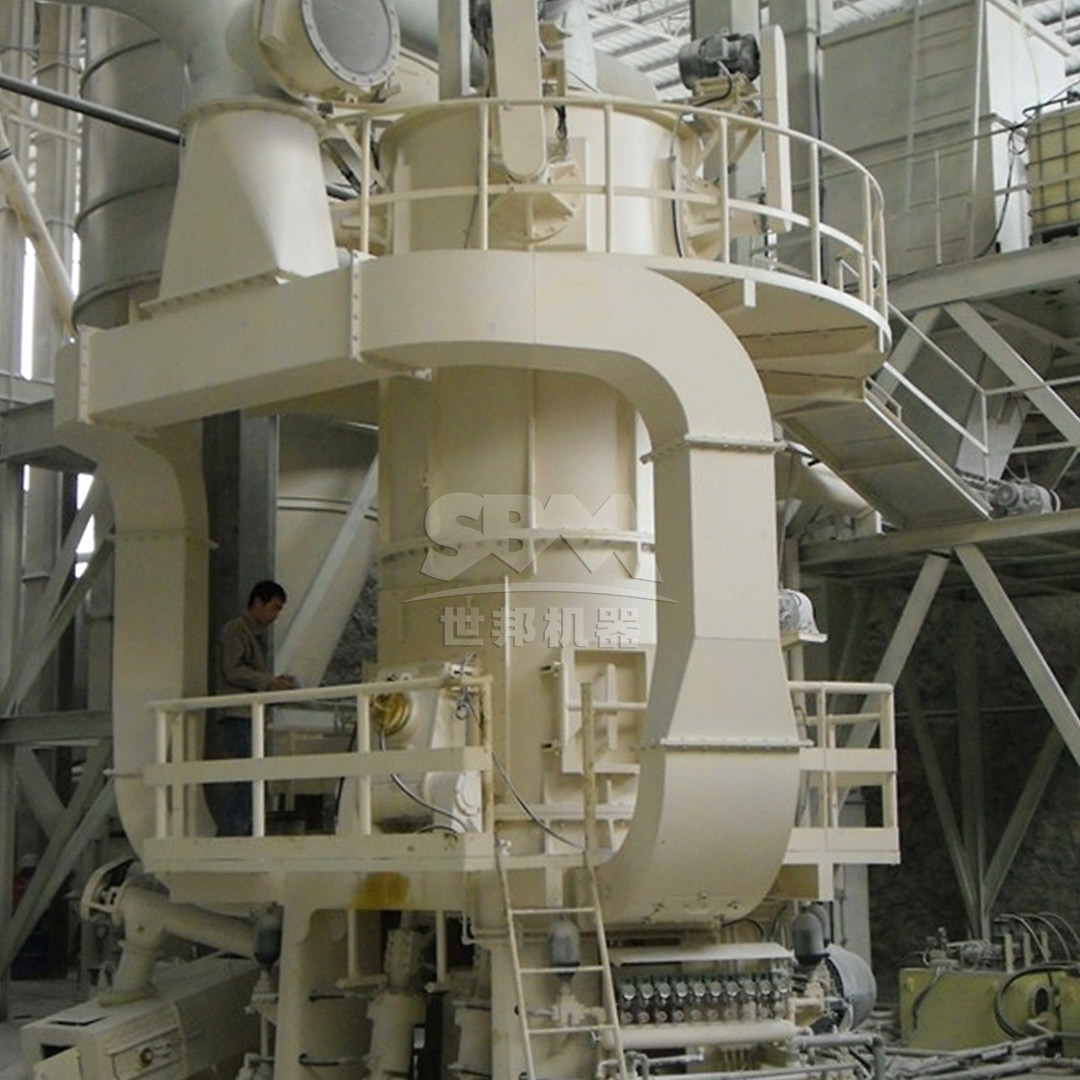
The VRM’s vertical structure integrates crushing, grinding, drying, classification, and conveying into a single, compact unit. This can reduce the plant’s floor space requirement by up to 50% compared to a horizontal ball mill circuit. The enclosed, negative-pressure operation also contains noise effectively, with sound levels often below 80 dB(A), creating a better working environment.
5. Advanced Automation and Stability
Modern VRMs are equipped with sophisticated PLC/DCS control systems. These systems monitor key parameters like grinding pressure, differential pressure, motor load, and product fineness. They can automatically adjust the feed rate, roller pressure, and classifier speed to maintain optimal and stable operation, minimizing human intervention and ensuring consistent product quality.
Recommended Solutions for Kaolin Processing
Selecting the right mill model is paramount to maximizing the benefits of vertical milling technology for kaolin. Based on the specific requirements of fineness, capacity, and system integration, we highly recommend the following solutions from our product portfolio.
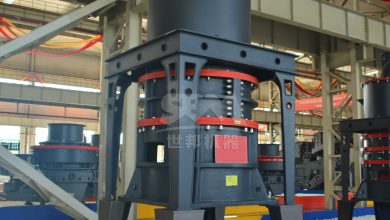
1. For Ultrafine and High-Value Kaolin Products (SCM Series Ultrafine Mill)
For producers targeting the high-end market requiring ultrafine kaolin powders (325-2500 mesh or 45-5μm), our SCM Series Ultrafine Mill is the ideal choice. This mill excels in producing superfine powders with exceptional uniformity.
- High-Precision Classification: Its vertical turbine classifier ensures precise particle size cutting with no coarse powder mixing, guaranteeing a uniform finished product critical for paper coating and high-performance plastics.
- High Efficiency & Energy Saving: It offers a capacity twice that of jet mills while consuming 30% less energy, significantly lowering operational costs.
- Durable & Eco-friendly: With special material rollers and rings for extended service life and a pulse dust collection system exceeding 99.9% efficiency, it ensures reliable and clean operation.
The SCM Series, with models like the SCM1250 (2.5-14 t/h) and SCM1680 (5.0-25 t/h), provides scalable solutions for large-scale production of coating-grade kaolin.
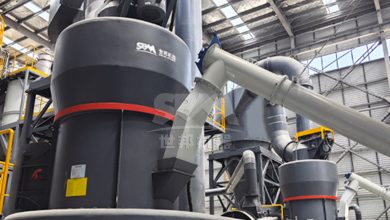
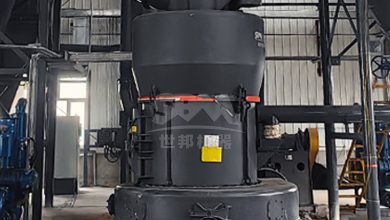
2. For High-Capacity General and Calcined Kaolin Grinding (LM Series Vertical Roller Mill)
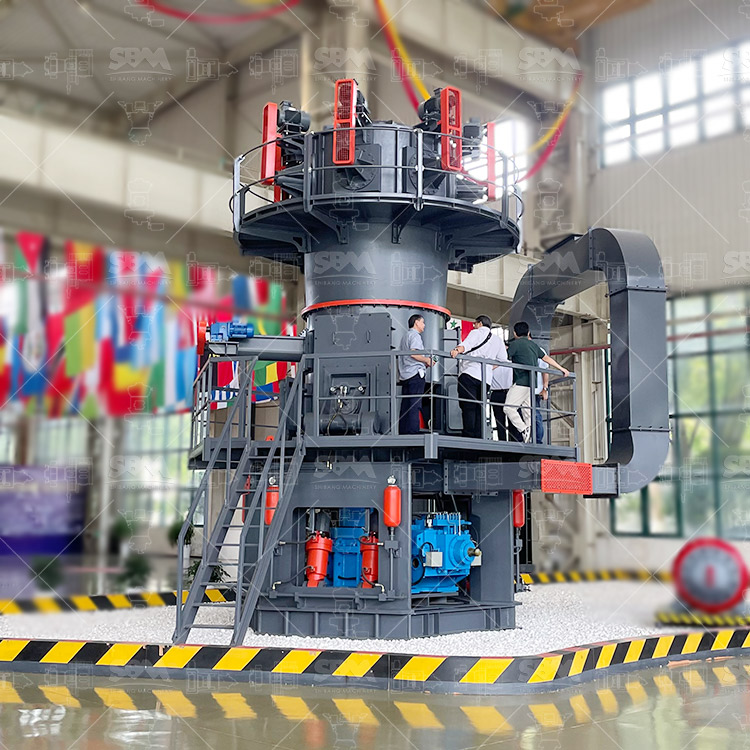
For large-scale production of filler-grade kaolin or the grinding of calcined kaolin, where capacities from tens to hundreds of tons per hour are required, our flagship LM Series Vertical Roller Mill stands out.
- Integrated Design: It combines crushing, grinding, drying, classification, and conveying in one unit, reducing floor space by 50% and civil construction costs by 40%. Outdoor installation is feasible, offering great layout flexibility.
- Low Operating Cost: The bed grinding principle and non-contact roller design lead to wear part life increases of up to 3 times and energy savings of 30-40% compared to traditional ball mill systems.
- Intelligent Control & Environmental Compliance: Featuring an expert-level auto-control system for remote monitoring and fully sealed negative pressure operation, it ensures stable production with dust emissions and noise well within international standards.
Models such as the LM190K (23-68 t/h) and LM220K (36-105 t/h) are perfectly suited for modern, high-tonnage kaolin processing plants seeking efficiency and reliability.
Conclusion
The transition to vertical roller mill technology represents a strategic upgrade for kaolin processors. By addressing the core challenges of energy consumption, product purity, particle size control, and environmental impact, VRMs deliver a compelling return on investment through lower operational costs, higher product quality, and greater production stability. Our SCM Series Ultrafine Mill and LM Series Vertical Roller Mill offer tailored, technologically advanced solutions across the spectrum of kaolin processing needs, from specialty ultrafine products to bulk filler materials. Adopting these vertical milling solutions is a definitive step towards building a more efficient, sustainable, and competitive kaolin processing operation.