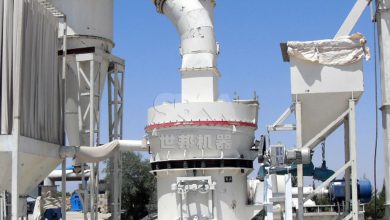
Sustainable Production of Heavy Calcium Carbonate and Filled Masterbatch: Equipment and Process Insights
Introduction
The global demand for heavy calcium carbonate (GCC) and its downstream products, such as filled masterbatch, continues to rise, driven by industries like plastics, paints, coatings, and paper. However, this growth is increasingly scrutinized under the lens of sustainability. Modern production must balance high efficiency and product quality with stringent environmental and economic goals. This article delves into the critical equipment and process considerations for achieving sustainable production of GCC and filled masterbatch, highlighting how advanced milling and grinding technologies form the backbone of this endeavor.
The Production Chain: From Quarry to Composite
The journey begins with high-purity limestone extracted from quarries. The raw stone undergoes primary crushing to reduce its size before the most critical stage: fine and ultrafine grinding. The quality of the final GCC powder—its particle size distribution (PSD), whiteness, and surface chemistry—directly dictates the performance of the filled masterbatch. The masterbatch production process then involves the homogeneous dispersion of this GCC powder into a polymer carrier (like PE or PP) using twin-screw extruders, creating a concentrated additive for final plastic products.
Core Challenges in Sustainable Production
Sustainability in this context encompasses three pillars:
- Energy Efficiency: Grinding is inherently energy-intensive. Reducing specific energy consumption (kWh/ton) is paramount.
- Resource Optimization: Maximizing yield, minimizing waste, and extending the lifespan of wear parts.
- Environmental Impact: Controlling dust emissions, noise pollution, and the overall carbon footprint of the operation.
Overcoming these challenges requires a strategic selection of processing equipment designed with these principles in mind.
Grinding Equipment: The Heart of the Process
The choice of mill determines the product’s fineness, output, and operational sustainability. Different stages and product specifications call for different technologies.
1. For Coarse to Medium-Fine Grinding (30-325 mesh / 600-45μm)
This range is often suitable for standard filler applications in masterbatch. Equipment must handle large feed sizes with high throughput and reliability.
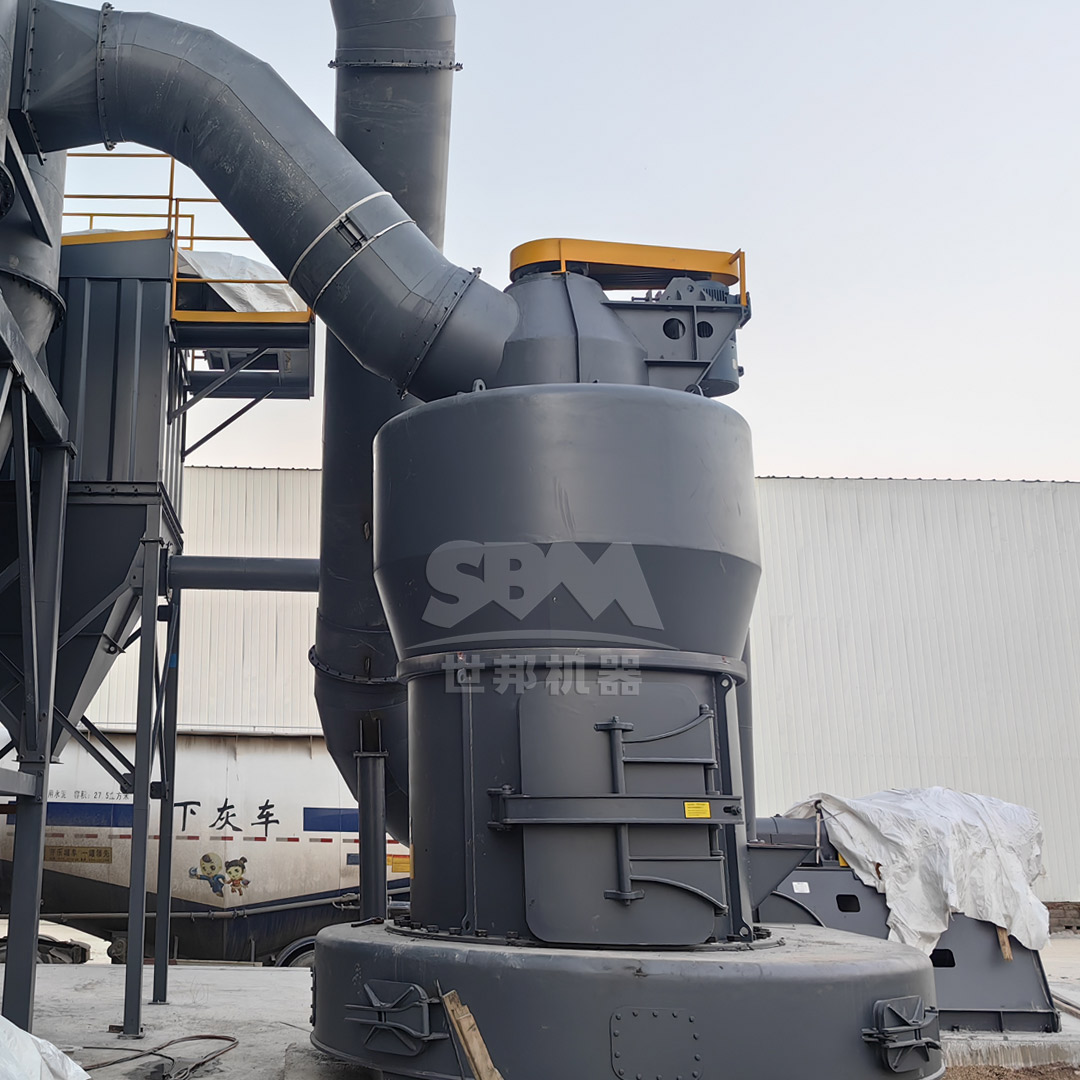
Recommended Solution: The MTW Series European Trapezium Mill
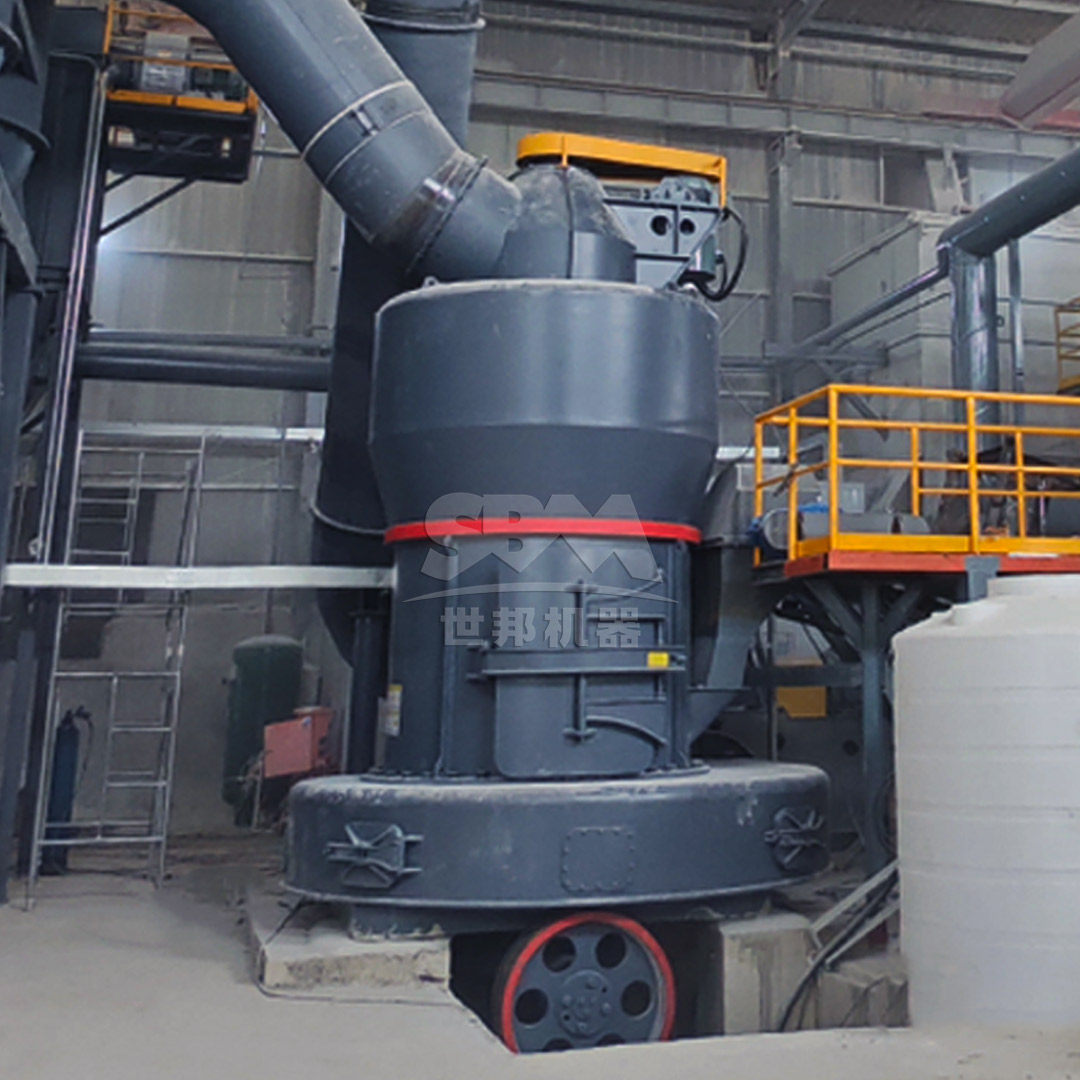
For robust, high-capacity production of GCC in the 30-325 mesh range, the MTW Series European Trapezium Mill stands out. Its design incorporates several sustainable advantages. The anti-wear shovel design and wear-resistant volute structure significantly reduce maintenance frequency and costs, optimizing resource use. The integral bevel gear drive achieves a remarkable 98% transmission efficiency, directly translating to lower energy consumption per ton of output. With capacities from 3 to 45 tons per hour and the ability to handle feed sizes up to 50mm, it offers a versatile and efficient solution for the primary grinding stages in a sustainable production line.
2. For Ultrafine and High-Value Grinding (325-2500 mesh / 45-5μm)
High-end applications in plastics, especially for masterbatch requiring excellent dispersion and mechanical properties, demand ultrafine GCC. This stage requires precision, high classification efficiency, and controlled energy use.
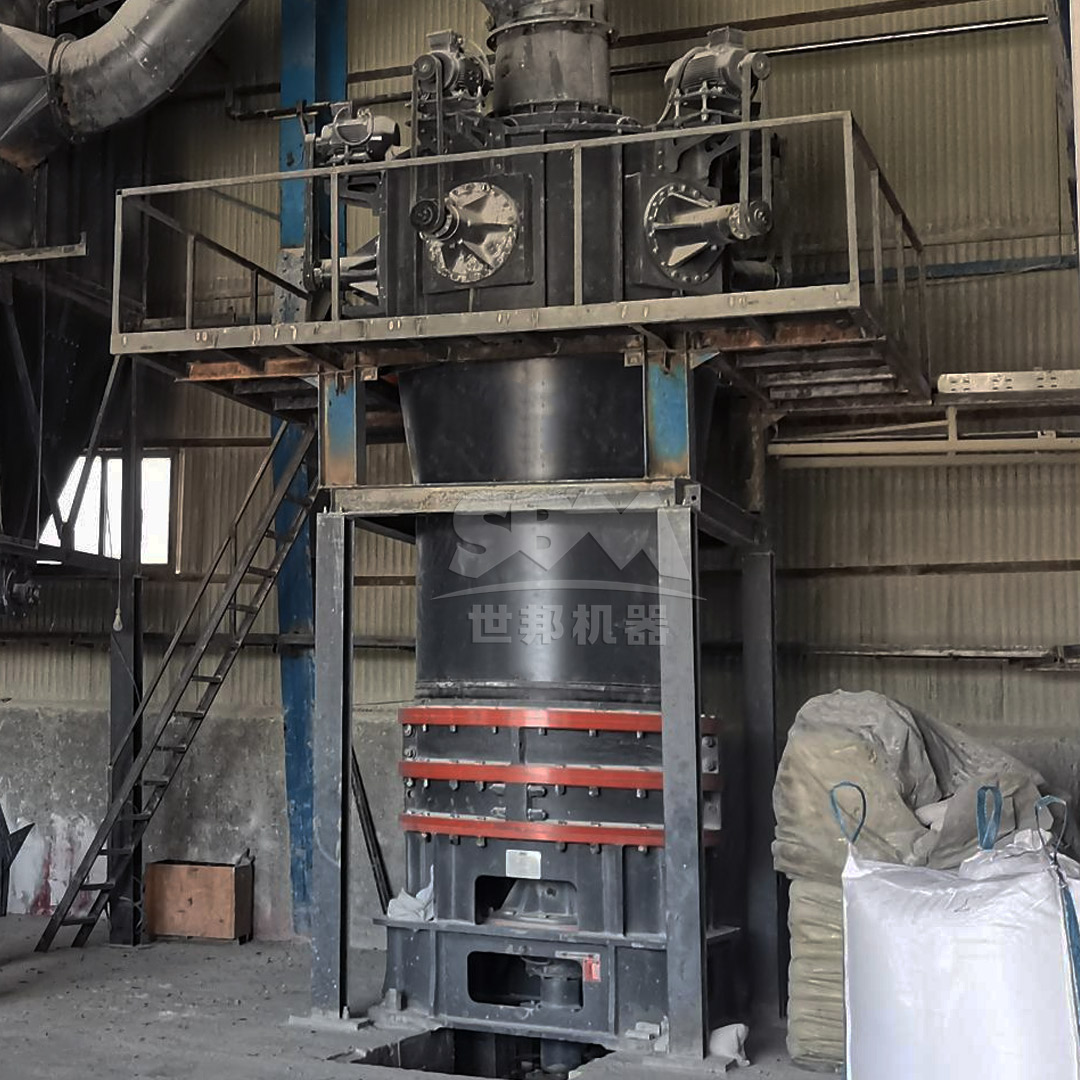
Recommended Solution: The SCM Series Ultrafine Mill
To produce premium ultrafine heavy calcium carbonate, the SCM Series Ultrafine Mill is the technology of choice. It excels in sustainability metrics crucial for this segment. Its high-efficiency & energy-saving design offers capacity double that of traditional jet mills while consuming 30% less energy. The high-precision vertical turbine classifier ensures a sharp particle size cut, producing uniform powder with no coarse particles, which enhances the quality and performance of the final masterbatch. Furthermore, its eco-friendly design features a pulse dust collection system with efficiency exceeding international standards and a soundproof room to minimize noise pollution. Models like the SCM1250 or SCM1680 can deliver between 2.5 and 25 tons per hour of precisely graded product, making it a cornerstone for sustainable, high-value powder production.
Process Integration for Masterbatch Production
Once the GCC powder is produced, the focus shifts to masterbatch manufacturing. Here, sustainability is achieved through:
- High Loading Rates: Using efficiently produced, surface-treated GCC allows for higher filler loading in the polymer, reducing resin consumption.
- Efficient Dispersion: Advanced twin-screw extruders with optimized screw design ensure complete dispersion of GCC, improving composite strength and reducing waste from off-spec material.
- Heat Recovery: Modern extrusion lines can incorporate systems to recover waste heat from the cooling process.
Conclusion
Sustainable production of heavy calcium carbonate and filled masterbatch is not a single-step achievement but a holistic approach integrated across the entire process chain. The foundation lies in selecting the right grinding equipment that embodies efficiency, durability, and environmental stewardship. Technologies like the MTW Series Mill for high-tonnage, medium-fine grinding and the SCM Series Ultrafine Mill for precision, high-value powder production provide the necessary tools to meet modern sustainability targets without compromising on productivity or quality. By investing in such advanced processes, producers can ensure their operations remain competitive, responsible, and aligned with the global shift towards a circular economy.