Successful Cases and Applications of Coal Gangue Deep Processing
Introduction: From Waste to Wealth
Coal gangue, a solid waste generated during coal mining and washing, has long been a significant environmental burden, occupying vast land areas and posing risks of spontaneous combustion and pollution. However, with advancements in deep processing technology, coal gangue is being transformed from an industrial byproduct into a valuable resource. High-value applications such as high-performance concrete additives, ceramic raw materials, soil conditioners, and even rare earth element extraction are now economically viable. The cornerstone of this transformation is efficient, precise, and reliable grinding technology that can process gangue into powders of specific fineness and quality. This article explores successful application cases and highlights the critical role of advanced milling equipment in unlocking the potential of coal gangue.
Key Application Areas and Success Stories
1. Production of High-Quality Building Materials
The construction industry is a primary consumer of processed coal gangue. When ground to appropriate fineness, gangue powder can partially replace cement or act as a high-performance supplementary cementitious material (SCM), enhancing concrete durability and reducing its carbon footprint.
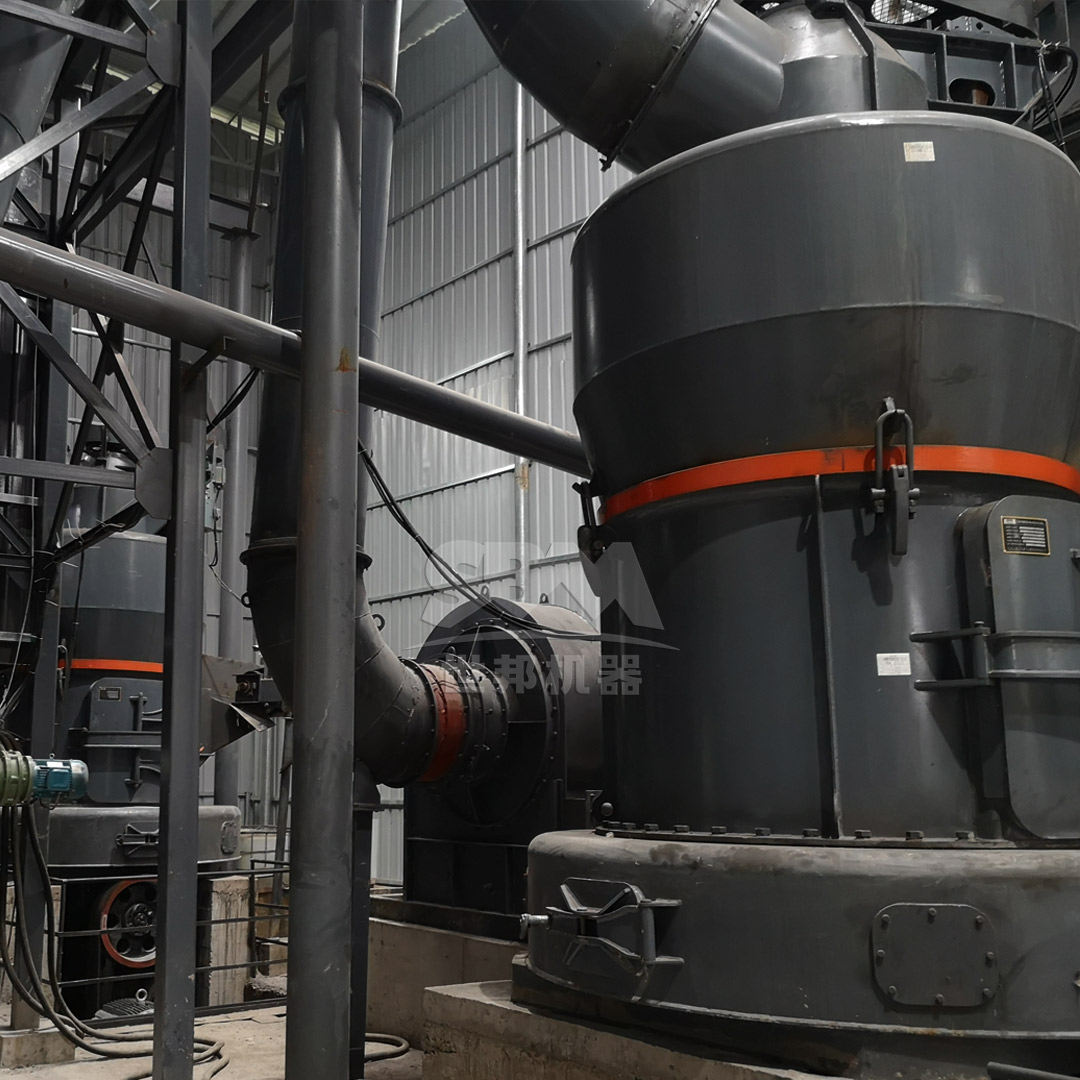
Case Study: A large building materials group in Shanxi, China, successfully utilizes coal gangue to produce autoclaved aerated concrete (AAC) blocks. Their process requires gangue to be ground to a fineness of 200-325 mesh (45-75μm) to ensure optimal reactivity and product strength. Initially, they faced challenges with inconsistent particle size distribution and high energy consumption from their older ball mill system. By upgrading to a modern, high-efficiency grinding solution, they achieved a 25% increase in production capacity while reducing specific energy consumption by over 30%. The uniform fineness of the powder significantly improved the quality and stability of their AAC blocks, making them highly competitive in the market.
2. Synthesis of Zeolite and Molecular Sieves
Coal gangue rich in kaolinite and other aluminosilicates can be activated and transformed into zeolites—porous materials with exceptional adsorption and catalytic properties used in water treatment, gas separation, and petrochemicals. This high-value application demands ultra-fine grinding to increase the specific surface area and reactivity of the raw gangue powder, typically requiring a D97 particle size below 10μm (over 1250 mesh).
Case Study: A chemical technology company in Inner Mongolia specializes in producing 4A zeolite from coal gangue for detergent manufacturers. Their technical bottleneck was the inability of their existing mills to consistently produce the sub-10μm powder required for efficient hydrothermal synthesis without excessive energy use. The implementation of an ultrafine grinding mill was a game-changer. The mill’s precise classification system ensured no coarse particles entered the reaction kettle, leading to a higher conversion rate and more uniform zeolite crystal size. This resulted in a 15% increase in final product yield and a product that consistently met the stringent specifications of their international clients.
3. Preparation of Soil Amendments and Geopolymers
Processed gangue powder can improve soil structure and provide trace minerals. Furthermore, when activated by an alkaline solution, it can form geopolymers—an eco-friendly alternative to Portland cement with excellent mechanical properties and chemical resistance. These applications often require a moderate fineness (80-200 mesh) but at very high throughputs to be economically feasible for large-scale land rehabilitation or infrastructure projects.
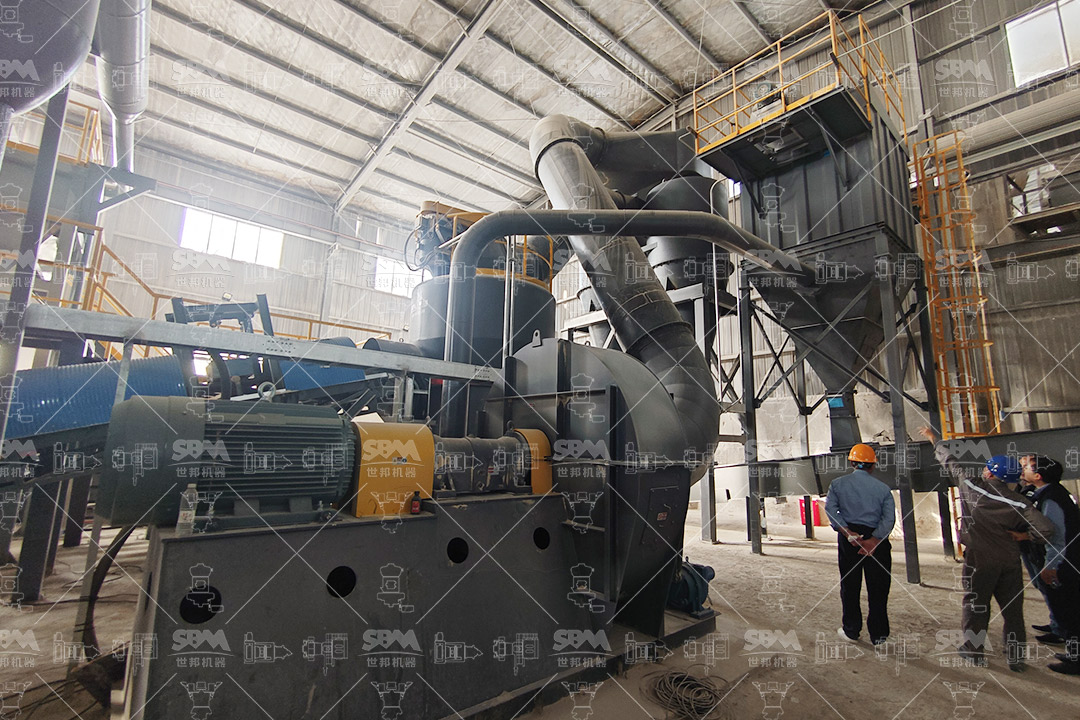
Case Study: An environmental remediation company undertaking a large-scale mine site rehabilitation project needed to process thousands of tons of stockpiled gangue into soil conditioner. Their primary requirements were high throughput, low operating cost, and the ability to handle variable feed sizes directly from primary crushing. They selected a large-capacity trapezium mill for this task. The mill’s rugged design, high transmission efficiency, and ability to accept feed sizes up to 50mm allowed for a simplified process flow, eliminating a secondary crushing stage. The system reliably produced 35 tons per hour of 100-mesh powder, enabling the rapid and cost-effective production of soil amendment for the project.
The Technological Backbone: Critical Role of Grinding Equipment
The success stories above underscore that the choice of grinding technology is paramount. The ideal equipment must offer:
- Precise Particle Size Control: Consistent fineness is crucial for chemical reactivity and product performance.
- High Energy Efficiency: Grinding is energy-intensive; lower specific consumption directly impacts profitability.
- Robustness & Low Maintenance: Ability to handle abrasive materials like gangue with minimal downtime.
- Environmental Compliance: Fully sealed systems with efficient dust collection are non-negotiable.
Two product lines from our portfolio are particularly well-suited to meet the diverse challenges of coal gangue deep processing, covering the spectrum from coarse grinding to ultra-fine powder production.
Recommended Solutions for Coal Gangue Processing
1. For High-Capacity, Coarse to Medium-Fine Grinding: MTW Series Trapezium Mill
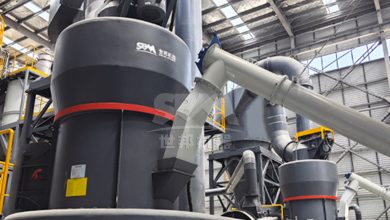
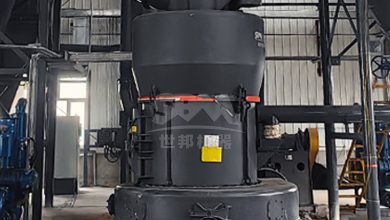
When the application calls for processing large volumes of coal gangue into powders in the range of 30-325 mesh (0.6mm to 45μm), the MTW Series Trapezium Mill is the optimal workhorse. Its design is engineered for durability and efficiency in demanding mineral processing environments.
Key advantages for gangue processing include:
- High Throughput: With capacities ranging from 3 to 45 tons per hour, it is ideal for large-scale projects like soil amendment production or pre-grinding for building materials.
- Superior Wear Resistance: The curved shovel blade design and wear-resistant grinding roller and ring significantly extend service life when processing abrasive gangue, reducing maintenance frequency and cost.
- Energy-Efficient Design: The bevel gear integral transmission achieves up to 98% transmission efficiency, and the optimized curved air duct reduces airflow resistance, leading to lower overall power consumption.
- Excellent Particle Size Distribution: The integrated powder classifier ensures sharp cuts and a consistent product, which is vital for downstream processes.
For instance, the MTW215G model, with a main motor power of 280kW, can process up to 45 tons per hour of coal gangue (feed size ≤50mm) into a finely controlled powder, making it a cornerstone for high-volume beneficiation plants.
2. For Ultra-Fine and High-Value Applications: SCM Ultrafine Mill
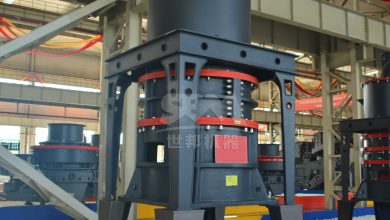
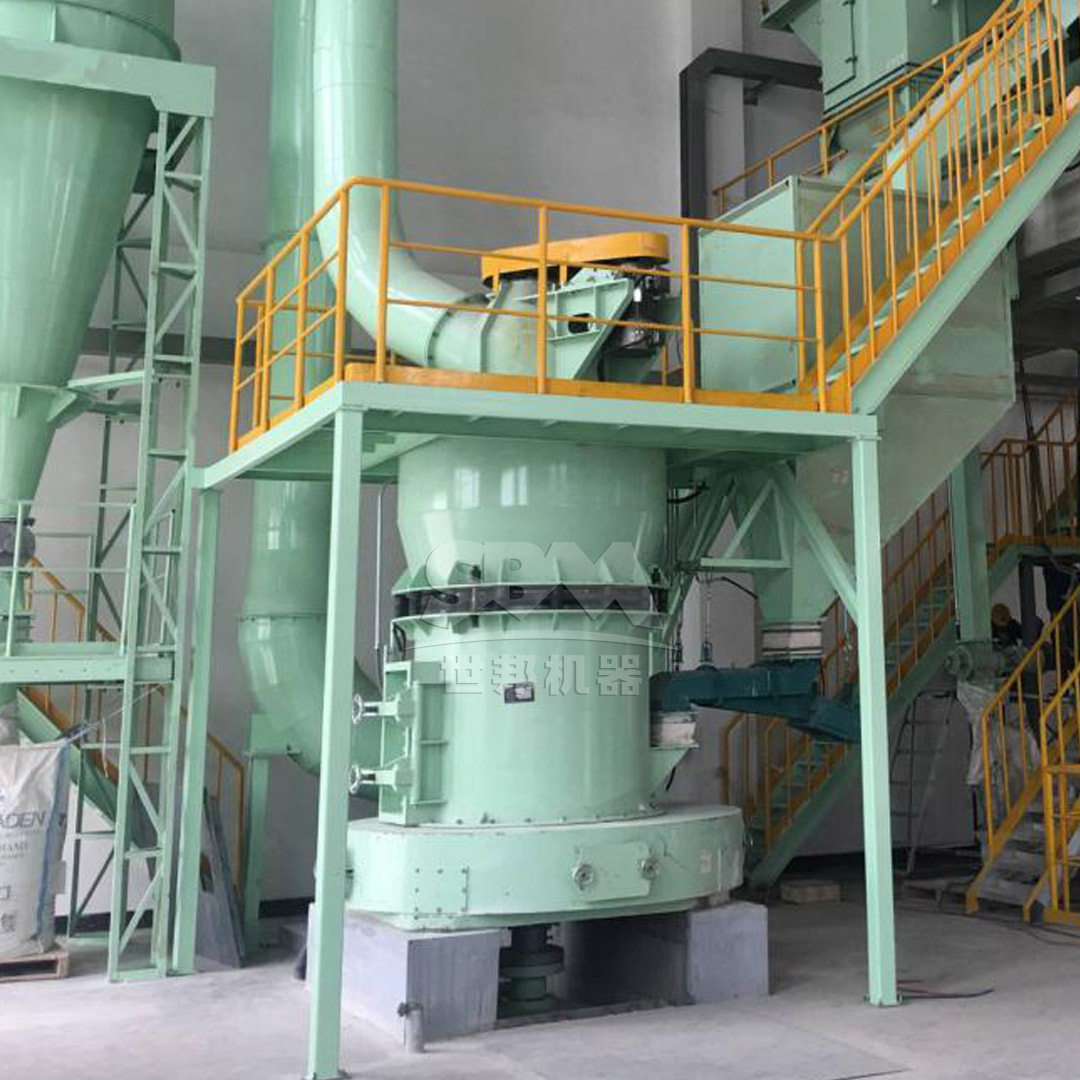
For unlocking the highest value from coal gangue, such as in zeolite synthesis, high-performance ceramic fillers, or advanced composite materials, grinding down to the micron and sub-micron level is essential. The SCM Ultrafine Mill is specifically designed for this purpose, capable of producing powders from 325 to 2500 mesh (45μm down to 5μm D97).
Its technological strengths directly address the needs of advanced gangue processing:
- Ultra-Fine Grinding Capability: The multi-layer grinding ring and roller design, coupled with a high-precision vertical turbine classifier, reliably achieves D97 ≤ 5μm, activating the gangue’s latent chemical properties.
- Exceptional Energy Savings: Compared to traditional jet mills, the SCM mill can double the production capacity while reducing energy consumption by approximately 30%, dramatically lowering the operating cost of producing ultra-fine powders.
- Intelligent Control & Consistency: The system features intelligent control that automatically adjusts to maintain target fineness, ensuring a uniform product batch after batch—a critical factor for sensitive chemical synthesis processes.
- Environmental and Operational Excellence: With a pulse dust collector exceeding international standards and noise levels below 75dB, it provides a clean and operator-friendly working environment.
A model like the SCM1250, with a 185kW motor and a throughput of 2.5-14 tons per hour (depending on final fineness), provides the perfect balance of power and precision for a dedicated ultra-fine gangue processing line aimed at the specialty chemicals market.
Conclusion: Partnering for a Sustainable Future
The deep processing of coal gangue represents a compelling path toward a circular economy in the mining and construction sectors. The transition from waste disposal to resource creation is technologically driven, with advanced milling equipment sitting at its core. Success depends on selecting the right technology tailored to the target product’s fineness, required throughput, and total cost of ownership. From the high-volume, robust performance of the MTW Series Trapezium Mill to the precision ultra-fine grinding of the SCM Ultrafine Mill, our solutions are proven in the field to enhance efficiency, product quality, and profitability. By leveraging these technologies, industries can not only mitigate an environmental challenge but also forge new, sustainable revenue streams from previously discarded materials.