Study on Preparation of Active Micro Powder from Manganese Slag
1. Introduction
Manganese slag, a byproduct of ferromanganese and silicomanganese production, represents a significant industrial waste stream globally. With increasing environmental concerns and the drive towards sustainable resource utilization, the conversion of this waste into valuable active micro powder has gained considerable attention. This study explores the comprehensive process of transforming manganese slag into high-value active micro powder, focusing on preparation methodologies, technical challenges, and potential applications in construction and industrial sectors.
The active micro powder derived from manganese slag exhibits excellent pozzolanic properties and can serve as a high-quality supplementary cementitious material (SCM). This not only reduces the environmental footprint of cement production but also enhances the mechanical properties and durability of concrete. The successful preparation of this material requires sophisticated grinding technology to achieve the precise particle size distribution necessary for optimal reactivity.
2. Characteristics of Manganese Slag
Manganese slag typically contains various metallic oxides including SiO₂, Al₂O₃, CaO, MgO, and residual manganese compounds. Its chemical composition varies depending on the production process and raw materials used. The vitreous structure of water-quenched manganese slag provides latent hydraulic properties that can be activated through fine grinding.
The key to transforming manganese slag into active micro powder lies in achieving specific physical characteristics: appropriate fineness (typically 400-600 m²/kg Blaine specific surface area), uniform particle size distribution, and controlled morphology. These parameters directly influence the reactivity and performance of the final product in various applications.
3. Preparation Process Overview
3.1. Pre-treatment Stage
The initial stage involves drying and pre-crushing of raw manganese slag to reduce moisture content and achieve appropriate feed size for subsequent grinding operations. Proper pre-treatment ensures consistent feeding and optimal performance of grinding equipment.
3.2. Fine Grinding Technology
The core of the preparation process involves precise grinding to achieve the required fineness. Conventional ball mills have been traditionally used, but modern vertical roller mills and specialized grinding systems offer superior efficiency and control. The selection of appropriate grinding technology significantly impacts the energy consumption, production capacity, and quality consistency of the final product.
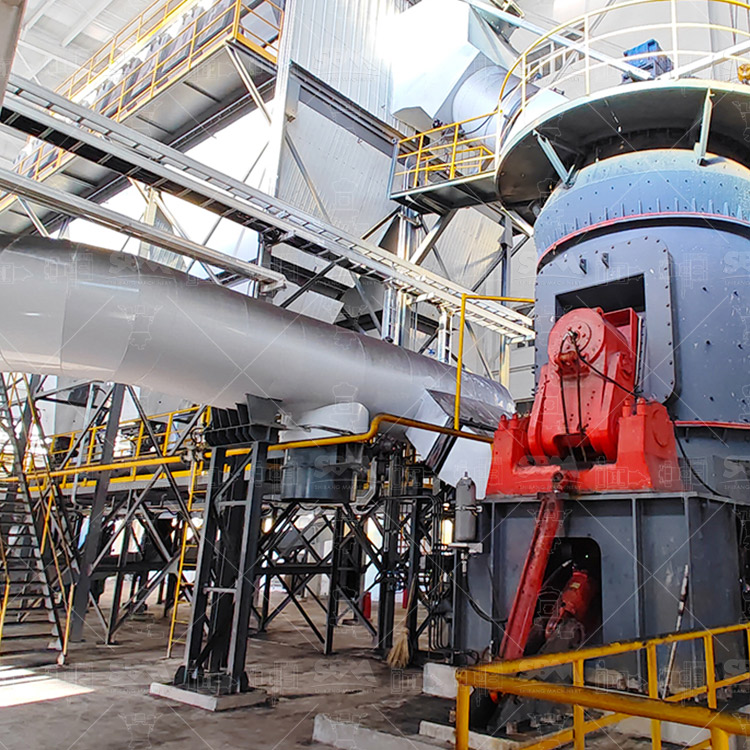
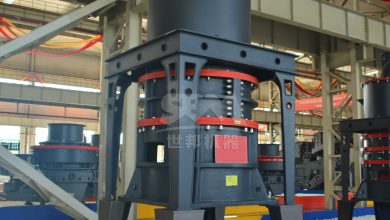
For this specific application, we recommend our SCM Series Ultrafine Mill (45-5μm), which offers exceptional capabilities for producing active micro powder from manganese slag. With an output fineness range of 325-2500 mesh (D97≤5μm) and processing capacity of 0.5-25 ton/h depending on model selection, this equipment provides the precision required for optimal activation of manganese slag. Its high-efficiency classification system ensures uniform particle size distribution, while the energy-saving design reduces operational costs by 30% compared to conventional grinding systems.
3.3. Classification and Collection
Efficient classification separates properly ground particles from oversize material, ensuring product quality. Modern classification systems integrated with grinding mills provide real-time adjustment capabilities to maintain consistent product specifications.
3.4. Quality Control and Packaging
Rigorous quality control measures including particle size analysis, specific surface area measurement, and activity index testing ensure the final product meets industry standards. Automated packaging systems maintain product integrity during storage and transportation.
4. Critical Technical Considerations
4.1. Energy Consumption Optimization
The grinding process accounts for approximately 60-70% of total energy consumption in micro powder production. Implementing energy-efficient grinding technologies and optimizing operational parameters can significantly reduce the carbon footprint and production costs.
4.2. Particle Size Control
Precise control of particle size distribution is crucial for achieving the desired reactivity. Advanced classification systems with adjustable parameters allow producers to tailor the product characteristics for specific applications.
4.3. Contamination Prevention
Maintaining product purity requires effective iron removal systems and wear-resistant construction of grinding components to minimize metallic contamination during processing.
5. Equipment Selection and Recommendation
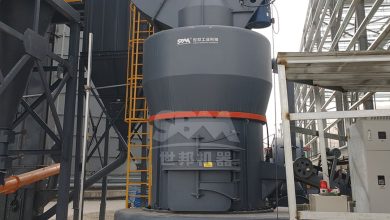
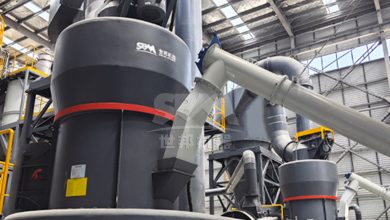
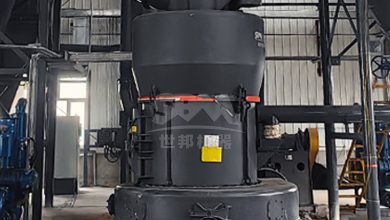
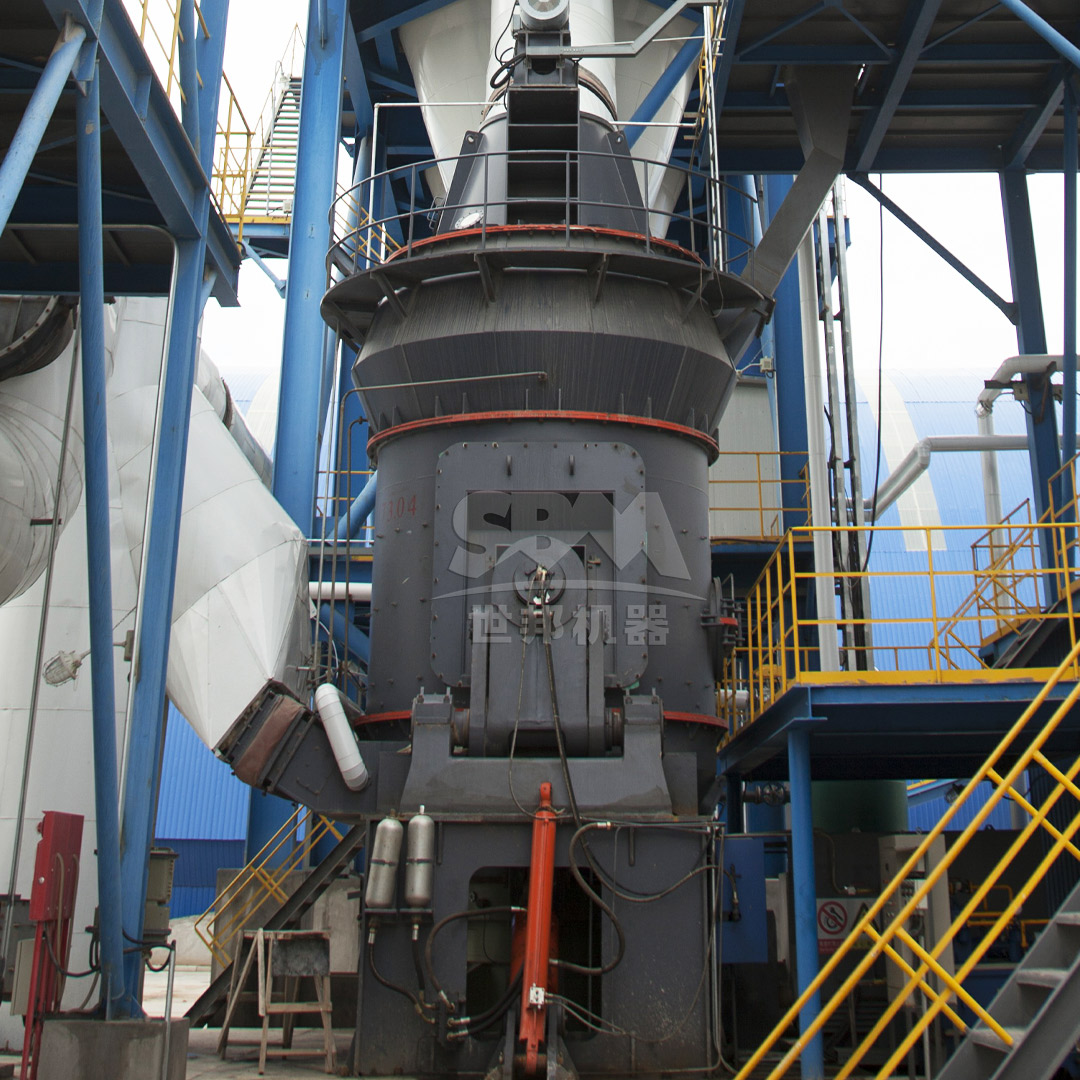
Based on extensive research and practical experience in manganese slag processing, we strongly recommend our LM Series Vertical Roller Mill for large-scale production of active micro powder. This equipment offers several advantages specifically beneficial for manganese slag processing:
The LM Series Vertical Roller Mill features a compact design that reduces footprint by 50% compared to traditional ball mill systems. Its intelligent control system allows for precise adjustment of grinding parameters, ensuring consistent product quality. With capacity ranging from 3-250 tons/hour depending on model selection and the ability to achieve fineness of 30-325 mesh (special models up to 600 mesh), this equipment provides the flexibility needed for various production requirements.
Key technical advantages include: 30-40% lower energy consumption compared to ball mill systems, wear-resistant components that extend maintenance intervals, and advanced environmental controls that maintain dust emissions below 20mg/m³. The vertical roller mill’s ability to handle materials with up to 15% moisture content without additional drying makes it particularly suitable for manganese slag processing.
6. Performance Evaluation of Active Micro Powder
The prepared active micro powder from manganese slag demonstrates excellent performance characteristics when used as a supplementary cementitious material. Laboratory tests and field applications show:
• 7-day activity index: ≥75%
• 28-day activity index: ≥95%
• Water requirement: ≤105%
• Soundness: qualified
• Specific surface area: 400-600 m²/kg
These properties make the material suitable for replacing 20-40% of cement in concrete mixtures, resulting in improved workability, reduced heat of hydration, enhanced durability, and lower carbon footprint.
7. Economic and Environmental Benefits
The conversion of manganese slag into active micro powder offers significant economic advantages by transforming waste material into a valuable product. The production cost is typically 30-40% lower than conventional supplementary cementitious materials, while the market price is competitive with other pozzolanic materials.
Environmentally, the process contributes to waste reduction, conservation of natural resources, and reduction of CO₂ emissions from cement production. Each ton of manganese slag micro powder used in concrete reduces cement consumption by approximately 0.8-1.0 tons, resulting in a net reduction of 0.6-0.8 tons of CO₂ emissions.
8. Applications in Construction Industry
The active micro powder from manganese slag finds diverse applications in the construction sector:
• High-performance concrete production
• Ready-mix concrete for improved durability
• Precast concrete elements
• Mass concrete applications for thermal control
• Soil stabilization and ground improvement
• Cement production as blend component
9. Challenges and Future Perspectives
Despite the clear benefits, several challenges remain in the widespread adoption of manganese slag micro powder. These include variability in raw material composition, need for consistent quality control, and market acceptance. Future research should focus on developing advanced activation techniques, standardization of product specifications, and exploration of new application areas.
Technological advancements in grinding equipment, particularly in the development of more energy-efficient and precise grinding systems, will continue to drive improvements in product quality and production economics. The integration of artificial intelligence and machine learning for process optimization represents a promising direction for future development.
10. Conclusion
The preparation of active micro powder from manganese slag represents a successful example of industrial waste valorization with significant technical, economic, and environmental benefits. The process requires sophisticated grinding technology to achieve the necessary fineness and particle size distribution for optimal reactivity. Modern grinding equipment, particularly vertical roller mills and specialized ultrafine grinding systems, provide the capabilities needed for efficient and cost-effective production.
With continued technological advancements and growing emphasis on sustainable construction practices, the market for high-quality active micro powder from manganese slag is expected to expand significantly. Proper equipment selection, process optimization, and quality control are essential for successful implementation of manganese slag valorization projects.
The transformation of manganese slag from an environmental liability to a valuable resource demonstrates the potential of circular economy principles in the metallurgical and construction industries. As technology continues to evolve, we can expect further improvements in production efficiency, product quality, and application diversity for this sustainable construction material.