Structure Diagram and Advantages of Talcum Powder Vertical Roller Mill
Introduction
The processing of talcum powder, a versatile mineral prized for its softness, lubricity, and chemical inertness, demands grinding equipment that can deliver ultra-fine particle sizes while maintaining high throughput and operational efficiency. Among various milling technologies, the Vertical Roller Mill (VRM) has emerged as the preferred solution for modern talc processing plants. This article delves into the structural diagram of a typical VRM system and elucidates its core advantages, highlighting why it represents a superior choice for producing high-quality talc powders.
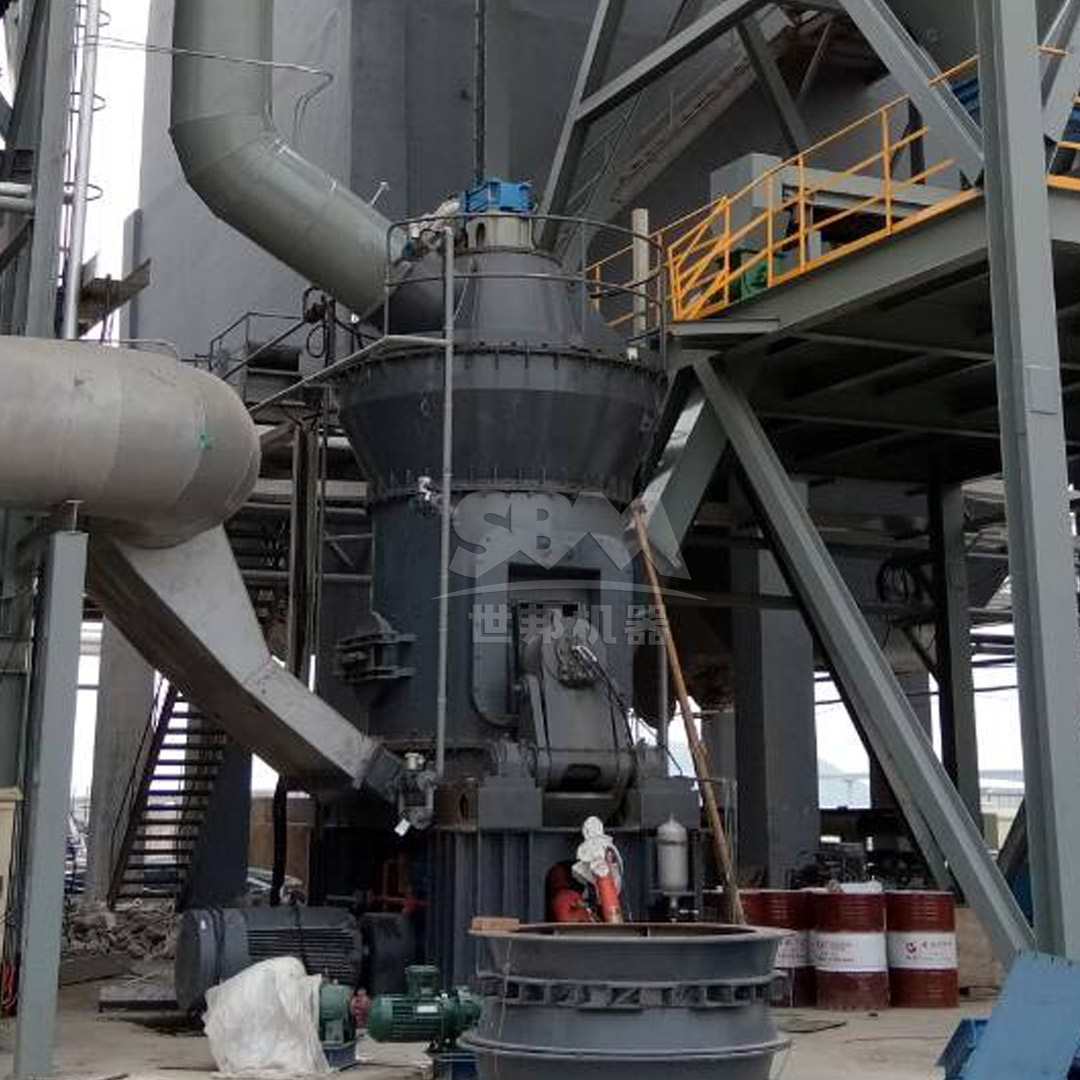
Structural Diagram and Working Principle
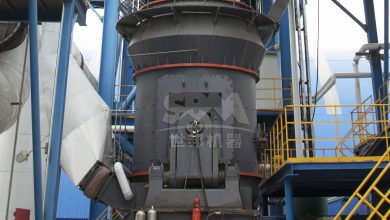
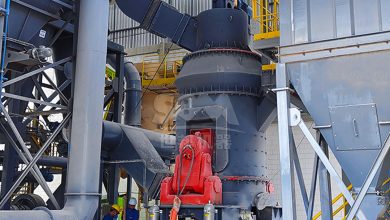
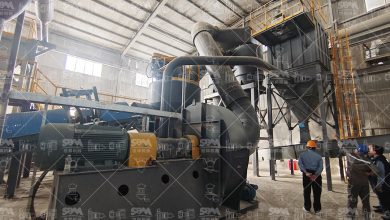
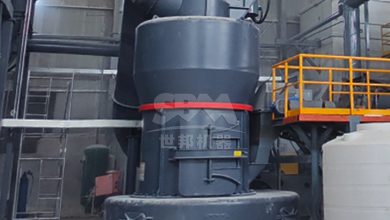
A Vertical Roller Mill for talc is a highly integrated system. Its core structure can be broken down into several key components, working in harmony to achieve efficient comminution.
1. Feeding System
Raw talc ore, pre-crushed to a size typically ≤50mm, is fed into the mill via a screw feeder or rotary valve. The feed system ensures a steady and controlled material flow into the grinding chamber.
2. Grinding Module (The Heart of the Mill)
- Grinding Table (Rotating): Driven by a planetary gearbox connected to the main motor, the table rotates, creating centrifugal force.
- Grinding Rollers (Stationary/Hydraulically Pressed): Typically two to four rollers, hydraulically loaded against the material bed on the rotating table. The material is ground by the inter-particle compression and shear forces between the rollers and the table.
3. Drying & Classification Zone
Hot gas (from a hot air generator) is introduced at the bottom of the mill, flowing upwards through the grinding zone. This serves a dual purpose: drying the moisture-laden talc and transporting the ground fines upwards. The air-powder mixture enters an integrated high-efficiency dynamic classifier (usually a vertical turbine type). This classifier precisely separates particles based on size. Coarse particles are rejected and fall back to the grinding table for further comminution, while qualified fine powder proceeds to the collection system.
4. Product Collection & Dedusting
The fine talc powder carried by the air stream is collected in a cyclone separator. The majority of the product is discharged here. The remaining fine dust in the exhaust air is captured by a high-efficiency pulse jet bag filter, ensuring emissions are well below environmental standards. The clean air is then exhausted by an induced draft fan.
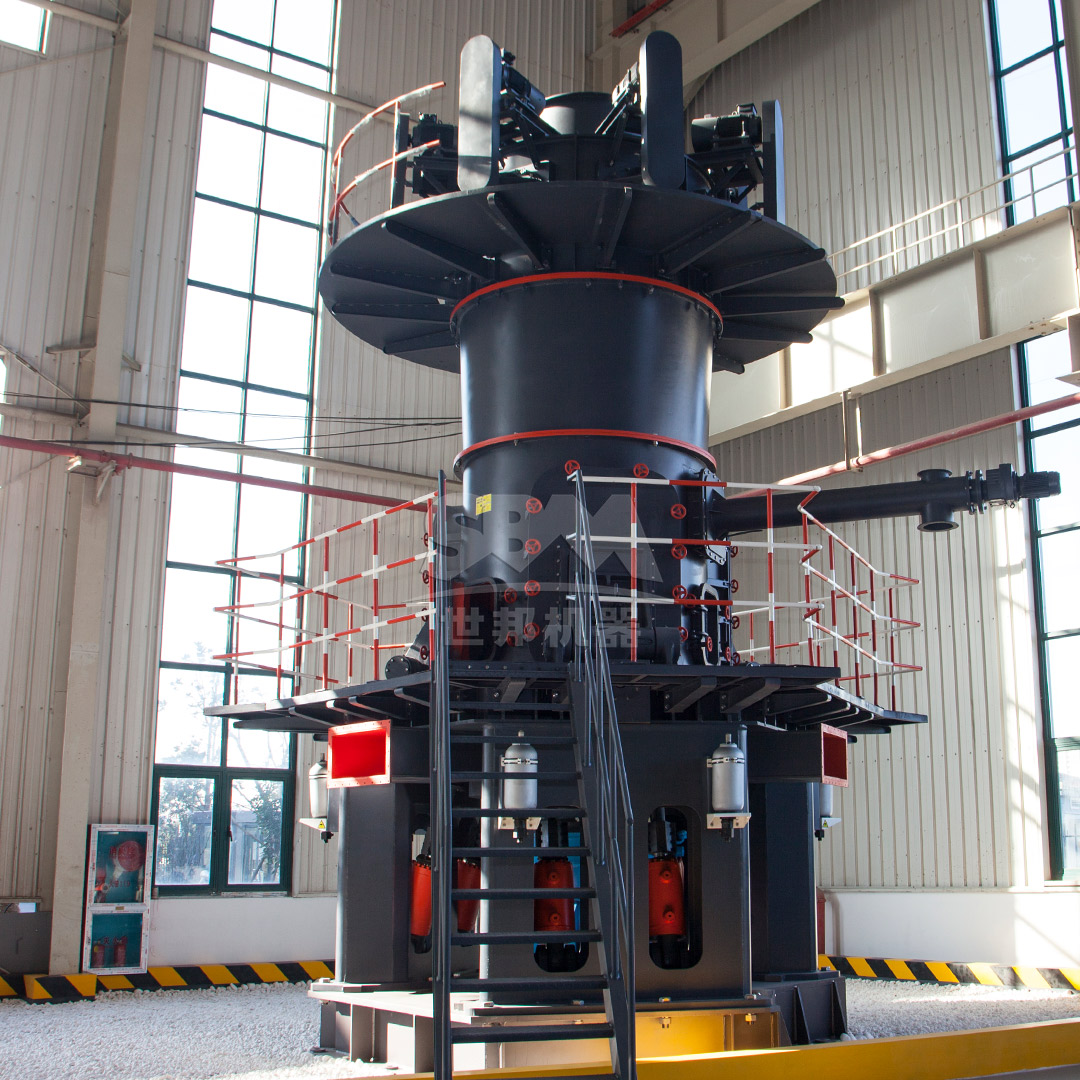
Key Advantages of Vertical Roller Mills for Talcum Powder
The structural design of the VRM translates into significant operational and economic benefits over traditional ball mills or Raymond mills.
1. Exceptional Energy Efficiency
The VRM operates on the principle of bed comminution, where particles are crushed against each other under pressure. This is far more efficient than the impact and attrition in a ball mill filled with grinding media. Energy savings of 30-40% are commonly achieved, making it the most cost-effective solution for large-scale production.
2. Integrated Drying and Grinding
The concurrent flow of hot air and material allows for efficient in-situ drying of talc, which often contains natural moisture. This eliminates the need for a separate, energy-intensive dryer, simplifying the process flow and reducing plant footprint and capital cost.
3. Precise Particle Size Control and High Product Quality
The internal dynamic classifier allows for instant and precise adjustment of product fineness, typically ranging from 30 mesh (600μm) down to ultra-fine sizes of 2500 mesh (5μm). The sharp cut-point of the classifier ensures a narrow particle size distribution, resulting in uniform talc powder with consistent properties—a critical factor for applications in plastics, paints, and cosmetics.
4. Low Wear and Maintenance Costs
In a VRM, there is no metal-to-metal contact between the grinding rollers and the table liner; a stable material bed acts as a buffer. Furthermore, wear parts like rollers and table liners are made from highly wear-resistant alloys. This design extends service life significantly, often by 2-3 times compared to other mills, reducing downtime and maintenance expenses.
5. Compact Design and Low Noise
The VRM’s vertical, integrated structure occupies 50% less space than a ball mill system of equivalent capacity. Its fully enclosed, negative-pressure operation also results in much lower noise levels, typically below 80 dB(A), contributing to a better working environment.
6. Advanced Process Control and Automation
Modern VRMs are equipped with sophisticated PLC/DCS control systems. These systems enable automatic start-up/shutdown sequences, real-time monitoring of grinding pressure, differential pressure, temperature, and fineness, and remote operational capabilities. This intelligent control maximizes stability, output, and quality while minimizing human intervention.
Recommended Solutions for Talcum Powder Production
Selecting the right VRM model depends on the target fineness and required capacity. Based on our extensive expertise and product portfolio, we recommend the following models as optimal solutions for talc processing:
1. For General Fine Talc Powder (30-325 mesh / 600-45μm)
For producing talc powder in the coarse to fine range for applications like ceramics, roofing, and polymers, the LM Series Vertical Roller Mill is an industry-proven workhorse. Its robust integrated design, featuring a patented quick-change roller system and intelligent control, ensures high reliability and low operating costs. With capacities ranging from 3 to 250 tons per hour, it is perfectly suited for medium to large-scale production lines. The LM series’ ability to handle feed sizes up to 50mm and its efficient drying capability make it a versatile and economical choice.
2. For Ultra-Fine and Coated Talc Powder (325-2500 mesh / 45-5μm)
When the application demands ultra-fine or surface-modified talc for high-value sectors such as premium plastics, paints, and personal care products, the SCM Series Ultrafine Mill is the definitive solution. This mill excels in producing powders with exceptional fineness and uniformity. Its core advantages include:
High Efficiency & Energy Saving: Offers twice the capacity of jet mills with 30% lower energy consumption.
High-Precision Classification: A vertical turbine classifier ensures precise particle size cutting with no coarse powder mixing.
Durable Design: Special material rollers and rings extend service life several times over.
For example, the SCM1250 model, with a main power of 185kW, can produce 2.5 to 14 tons per hour of talc powder adjustable between 325 and 2500 mesh, making it ideal for specialized, high-output ultra-fine talc production.
Conclusion
The Vertical Roller Mill, with its efficient structural design combining grinding, drying, and classification in a single unit, offers unparalleled advantages for talcum powder production. Its benefits in energy savings, product quality control, operational stability, and environmental compliance make it the cornerstone of modern, profitable talc processing facilities. Whether the target is standard filler-grade talc or premium ultra-fine products, selecting the appropriate VRM model—such as the robust LM series or the precision-oriented SCM series—is crucial for optimizing performance and return on investment.