Stone Grinding Machine: Direct Supply from Stone Crusher Manufacturer
Introduction to Stone Grinding Technology
The stone grinding industry has evolved significantly over the past decades, with modern grinding machines offering unprecedented levels of efficiency, precision, and environmental compliance. As a leading stone crusher manufacturer with decades of experience, we understand the critical importance of selecting the right grinding equipment for specific applications. This comprehensive guide explores the technological advancements in stone grinding machinery and highlights our flagship products that set new standards in the industry.
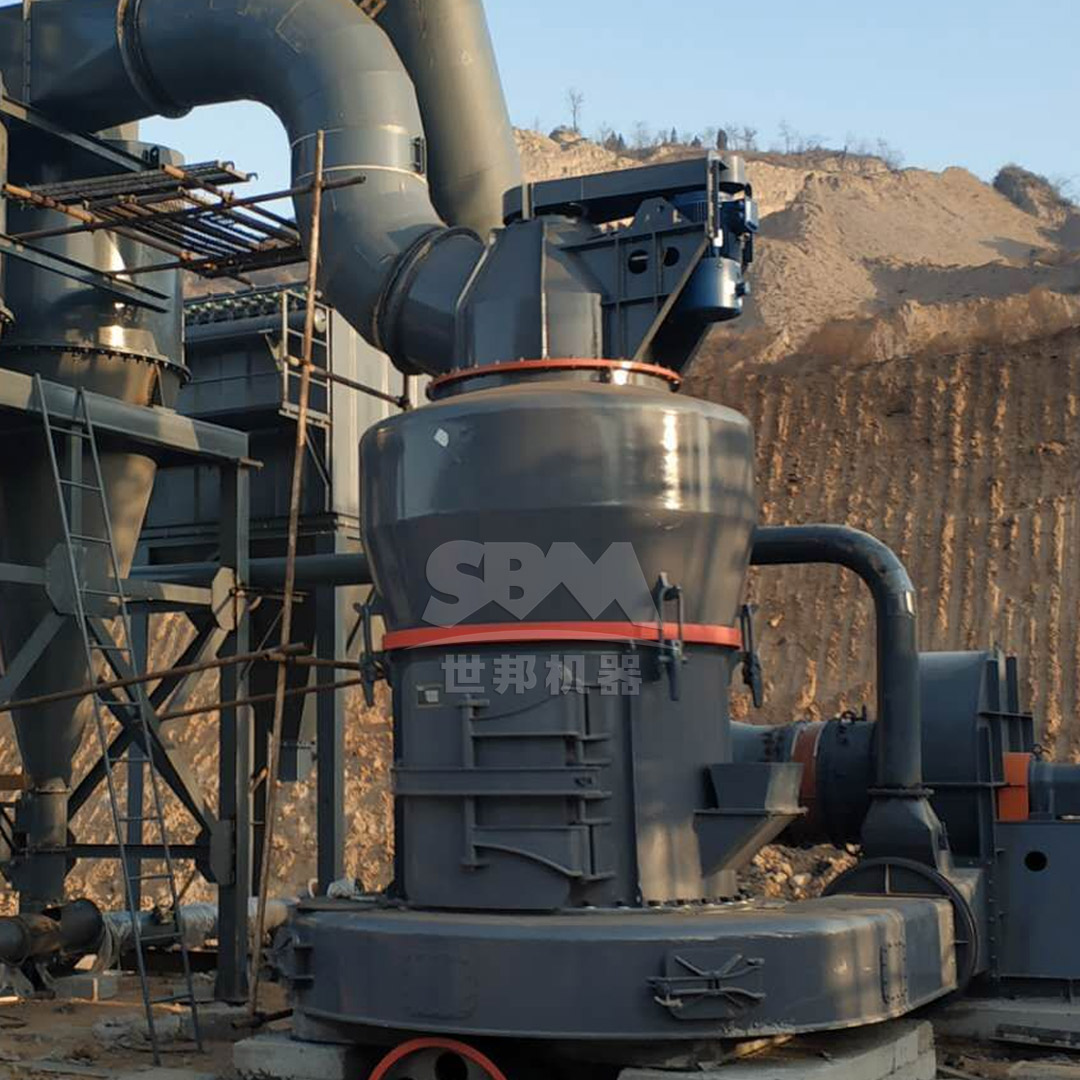
The Evolution of Grinding Technology
Traditional grinding methods often suffered from inconsistent particle size distribution, high energy consumption, and significant environmental impact. Today’s advanced grinding systems incorporate intelligent controls, precision classification, and eco-friendly designs that address these historical challenges. The transition from conventional ball mills to vertical roller mills and ultra-fine grinding systems represents a quantum leap in processing efficiency and product quality.
Key Considerations in Stone Grinding Machine Selection
Material Characteristics and Processing Requirements
Selecting the appropriate grinding equipment begins with a thorough understanding of the raw material properties and the desired end product specifications. Key factors include:
- Input Size Distribution: The maximum feed size determines the preliminary crushing requirements and influences the grinding chamber design
- Hardness and Abrasiveness: Material composition directly affects wear part selection and maintenance intervals
- Moisture Content: Wet or dry processing capabilities must match material characteristics
- Output Fineness Requirements: The target particle size distribution dictates the classification system design
- Production Capacity: Hourly throughput requirements influence machine sizing and power configuration
Technical Performance Metrics
Modern grinding equipment must deliver on multiple performance dimensions simultaneously. Energy efficiency has become particularly crucial as power costs continue to rise globally. Advanced systems now achieve specific energy consumption reductions of 30-50% compared to traditional technologies. Similarly, maintenance requirements have been dramatically reduced through improved wear part materials and innovative mechanical designs.
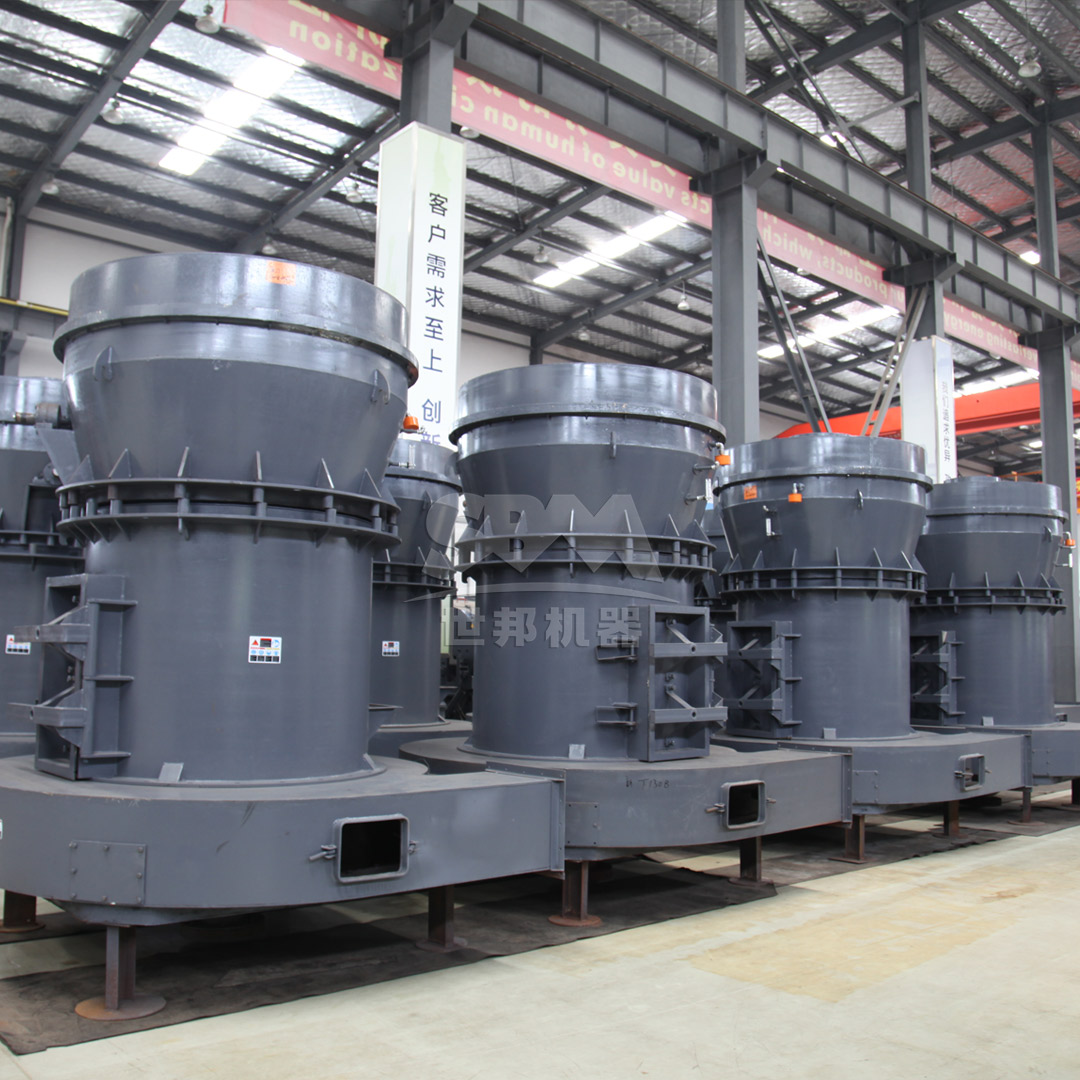
Our Premier Grinding Solutions
SCM Series Ultrafine Mill: Precision in Fine Grinding
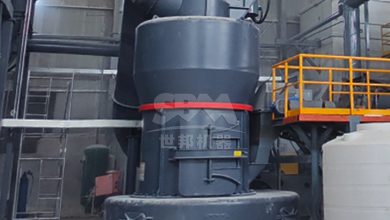
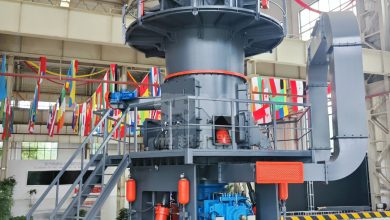
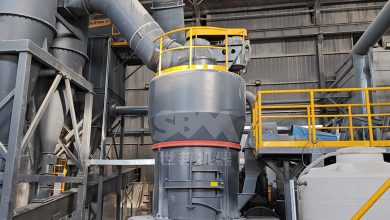
For applications requiring exceptional fineness control, our SCM Ultrafine Mill represents the pinnacle of grinding technology. Engineered for materials ranging from calcium carbonate to kaolin and various industrial minerals, this system delivers unparalleled performance in the fine and ultra-fine grinding spectrum.
Technical Specifications and Capabilities
The SCM series handles input materials up to 20mm and produces powders with fineness ranging from 325 to 2500 mesh (D97 ≤ 5μm). With capacity options from 0.5 to 25 tons per hour across different models, these mills accommodate various production scales. The SCM1680 model, with its 315kW main motor, represents our highest-capacity ultra-fine grinding solution, processing up to 25 tons per hour while maintaining precise particle size control.
Innovative Design Features
Several proprietary technologies distinguish the SCM Ultrafine Mill from conventional grinding systems:
- Vertical Turbine Classifier: Ensures precise particle size cuts without coarse powder contamination
- Multi-layer Grinding Mechanism: Three-layer grinding rings with progressively finer grinding paths
- Bearing-free Screw Grinding Chamber: Eliminates bearing failures in high-dust environments
- Intelligent Control System: Automatically maintains target fineness through real-time feedback
The energy efficiency of the SCM series is particularly noteworthy, with documented energy savings of 30% compared to jet mills while delivering twice the production capacity. This combination of performance and efficiency makes it an ideal solution for high-value mineral processing applications where product consistency and operating costs are critical.
MTW Series Trapezium Mill: Versatility and Reliability
For general-purpose grinding applications requiring robust performance and operational flexibility, our MTW Series Trapezium Mill offers an optimal balance of capacity, fineness range, and reliability. Designed for materials with input sizes up to 50mm and output fineness from 30 to 325 mesh, this series serves a broad spectrum of industrial minerals and raw materials.
Engineering Excellence
The MTW series incorporates several patented innovations that enhance performance and reduce operating costs:
- Curved Air Duct Design: Minimizes airflow resistance and improves transmission efficiency
- Integrated Bevel Gear Transmission: Achieves 98% transmission efficiency in a compact footprint
- Wear-resistant Volute Structure: Eliminates flow obstruction and reduces maintenance costs by 30%
- Modular Shovel Design: Enables partial replacement of worn components instead of complete assembly replacement
The MTW215G model, with its 280kW main motor and capacity range of 15-45 tons per hour, exemplifies the series’ capability to handle large-volume production requirements while maintaining consistent product quality. The intelligent spring pressure system automatically compensates for roller and ring wear, ensuring stable performance throughout the maintenance cycle.
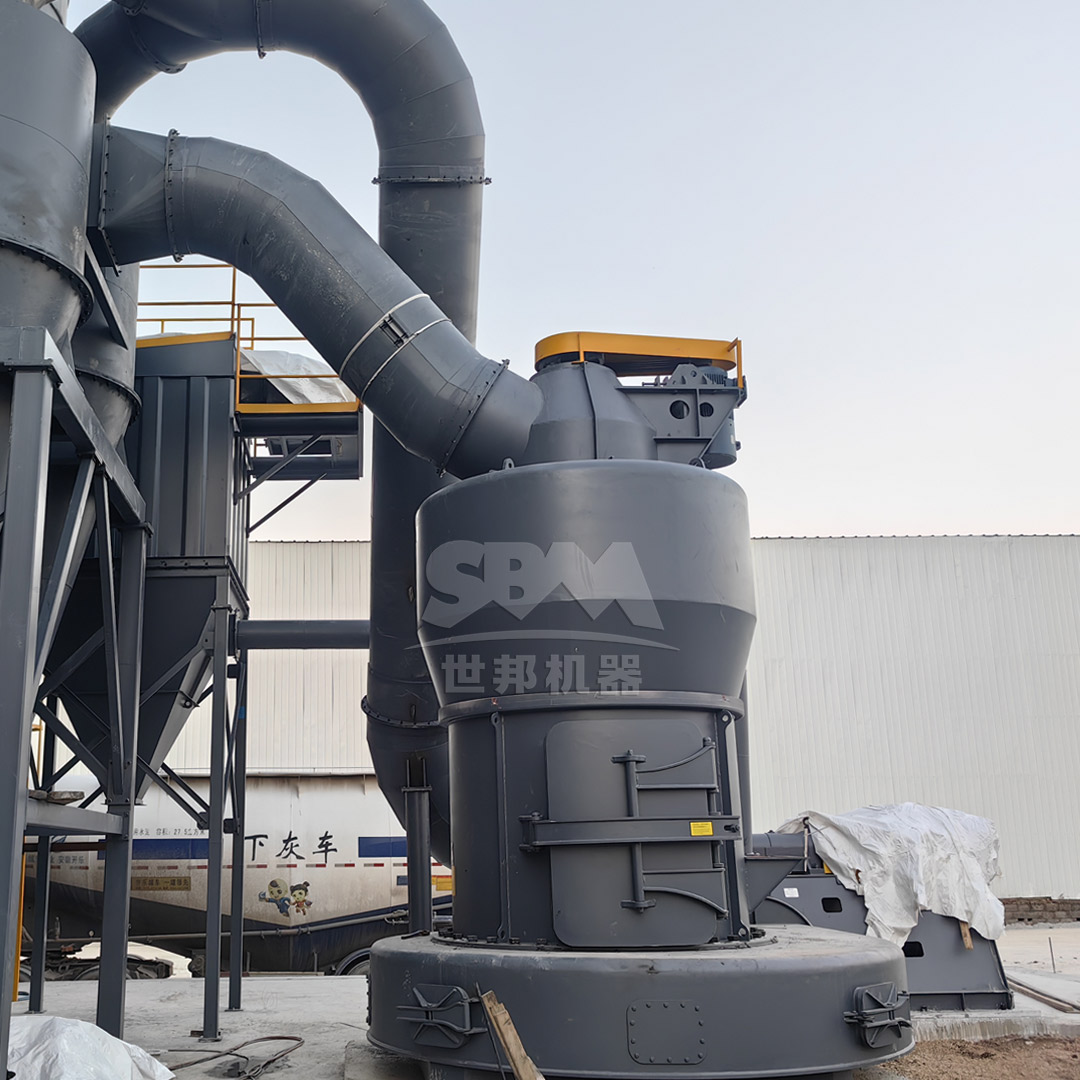
Advanced Operational Principles
Material Flow and Size Reduction Mechanisms
Modern grinding systems employ sophisticated material handling and size reduction principles. In the SCM Ultrafine Mill, the main motor drives multiple layers of grinding rings to rotate. Material enters through the feed system and is dispersed by centrifugal force into the grinding paths. Progressive compression between rollers and rings achieves the target fineness through multiple grinding stages, with the final product collected by cyclone separators and pulse dust collection systems.
Classification Technology
Precise particle size control separates advanced grinding systems from conventional equipment. Our vertical turbine classification systems utilize aerodynamic principles to separate particles based on mass and diameter. The adjustable classifier speed enables operators to fine-tune the cut point without mechanical changes, providing exceptional operational flexibility for products with varying fineness requirements.
Environmental and Operational Benefits
Eco-Friendly Operation
Contemporary grinding equipment must address environmental concerns beyond basic performance metrics. Our grinding systems incorporate multiple environmental protection features:
- Pulse Dust Collection: Exceeds international emission standards with collection efficiency exceeding 99.9%
- Noise Reduction Engineering: Acoustic insulation maintains operational noise below 75-80dB
- Closed-loop Systems: Prevent material loss and minimize environmental impact
- Energy Recovery Options: Heat exchange systems capture and reuse process energy
Operational Economics
The total cost of ownership for grinding equipment extends far beyond the initial purchase price. Our systems are engineered to minimize operating costs through:
- Extended Wear Part Life: Special alloy compositions increase service life by 3-5 times
- Reduced Power Consumption: Advanced drive systems and efficient classification lower specific energy use
- Minimal Maintenance Requirements: Simplified access and modular components reduce downtime
- Automated Operation: Reduced labor costs and improved consistency
Application-Specific Solutions
Matching Equipment to Material Characteristics
Different mineral types and applications require tailored grinding approaches. Our technical team works closely with clients to select the optimal configuration based on material properties and production objectives. For calcium carbonate and other soft minerals, the SCM Ultrafine Mill delivers exceptional results with minimal contamination. For harder materials like feldspar and quartz, the MTW Series provides the necessary robustness while maintaining precise particle control.
Integrated Plant Solutions
As a comprehensive crushing and grinding equipment manufacturer, we offer integrated solutions that optimize the entire size reduction process from primary crushing through final classification. This systems approach ensures compatibility between process stages and maximizes overall plant efficiency. Our engineering services include plant layout, material handling design, and automation integration to create turnkey production facilities.
Future Trends in Stone Grinding Technology
Digitalization and Smart Operation
The next generation of grinding equipment will increasingly incorporate Industry 4.0 principles, with enhanced connectivity, predictive maintenance capabilities, and artificial intelligence for process optimization. Our current systems already feature remote monitoring and control options, laying the foundation for fully autonomous operation in the near future.
Sustainability Developments
Environmental considerations will continue to drive innovation in grinding technology. We are actively developing next-generation systems with further reduced energy consumption, water-free processing options, and circular economy principles that minimize waste generation throughout the product lifecycle.
Conclusion
Selecting the right stone grinding equipment requires careful consideration of technical specifications, operational requirements, and long-term economic factors. As a direct manufacturer with comprehensive crushing and grinding expertise, we offer solutions that deliver optimal performance across all these dimensions. Our SCM Ultrafine Mill and MTW Series Trapezium Mill represent the current state of the art in their respective categories, providing reliable, efficient, and environmentally responsible processing for a wide range of applications. We invite potential partners to contact our technical team for personalized equipment recommendations based on specific material characteristics and production objectives.