Steel Slag Recycling Methods and Complete Customized Processing Solutions for Steel Slag Micro Powder Production
Introduction: The Imperative for Steel Slag Valorization
The global steel industry generates vast quantities of steel slag, a by-product of the steelmaking process. Traditionally considered waste, improper disposal of steel slag occupies valuable land and poses potential environmental risks due to its leaching of heavy metals. However, with advancing technology and a growing emphasis on circular economy principles, steel slag is now recognized as a valuable secondary resource. Its primary application lies in the production of high-value micro powder, which serves as a supplementary cementitious material (SCM), a filler in composites, or a raw material for other industrial processes. This article explores modern steel slag recycling methodologies and outlines complete, customized processing solutions for efficient micro powder production, highlighting the critical role of advanced grinding technology.
Section 1: Pre-Treatment and Beneficiation of Raw Steel Slag
Effective micro powder production begins with proper pre-treatment of the raw slag. Freshly produced steel slag contains metallic iron (Fe) and may have variable chemical and physical properties. A standard pre-processing line typically includes:
- Cooling: Controlled air or water quenching to stabilize the slag and prevent dusting.
- Crushing & Screening: Primary and secondary crushing stages to reduce slag size to a manageable feed for grinding circuits (typically below 50mm). Magnetic separation is integrated here to recover metallic iron, which can be returned to the steel furnace, enhancing overall process economics.
- Storage & Homogenization: Stockpiling ensures a consistent feed quality, crucial for stable grinding operation and consistent powder quality.
Section 2: Core Technology – Grinding Steel Slag into Micro Powder
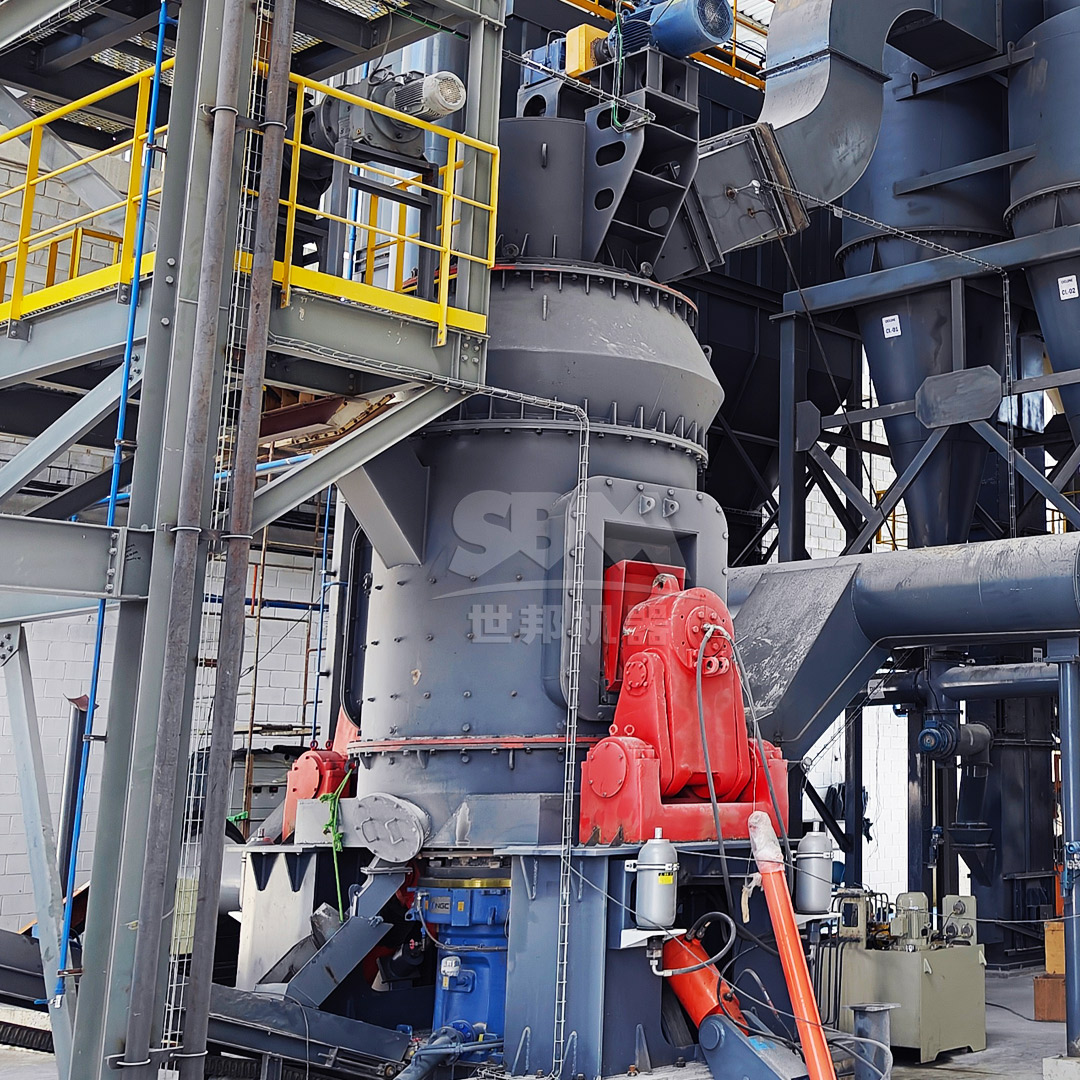
The heart of any steel slag powder production plant is the grinding system. The choice of grinding mill is paramount, as it directly determines production capacity, energy efficiency, and most importantly, the final product’s fineness and particle size distribution (PSD). Steel slag is moderately abrasive and requires robust, efficient milling solutions.
2.1 Key Considerations for Mill Selection
- Target Fineness: For use as an SCM, a Blaine surface area of >420 m²/kg or a fineness of 325-600 mesh is common. For higher-value applications like polymer fillers, ultrafine powders reaching 2500 mesh (D97 ≤ 5μm) may be required.
- Capacity & Scalability: From pilot-scale (a few tons per hour) to large industrial lines (over 100 t/h).
- Energy Consumption: Grinding is energy-intensive. Modern vertical roller mills and ultrafine mills offer significant advantages over traditional ball mills.
- System Integration: A complete solution includes feeding, grinding, classification, collection, and dust control.
2.2 Recommended Grinding Solutions
Based on the target product specification, two types of mills stand out for steel slag processing.
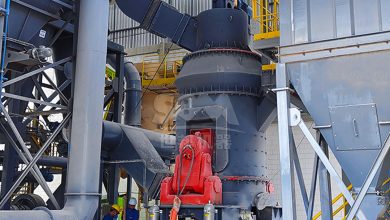
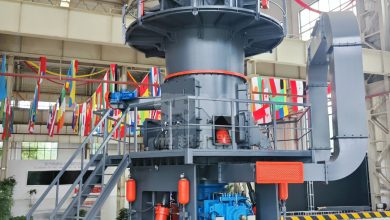
For High-Capacity Production of Slag Powder (325-600 mesh): The LM Series Vertical Roller Mill (Slag Mill variant) is the industry benchmark. Its集约化设计 integrates multiple functions into a single unit, significantly reducing footprint and civil costs. The principle of料床粉碎 between磨辊 and a rotating磨盘 is highly efficient, offering 30-40% lower energy consumption compared to ball mill systems. Its智能控制 system allows for stable, automated operation, ensuring consistent product quality. Models like the LM220N or LM280N are specifically engineered for slag, handling high moisture feed and delivering powder with controlled humidity and specific surface area. The全密封负压运行 guarantees environmental compliance with dust emissions <20mg/m³.
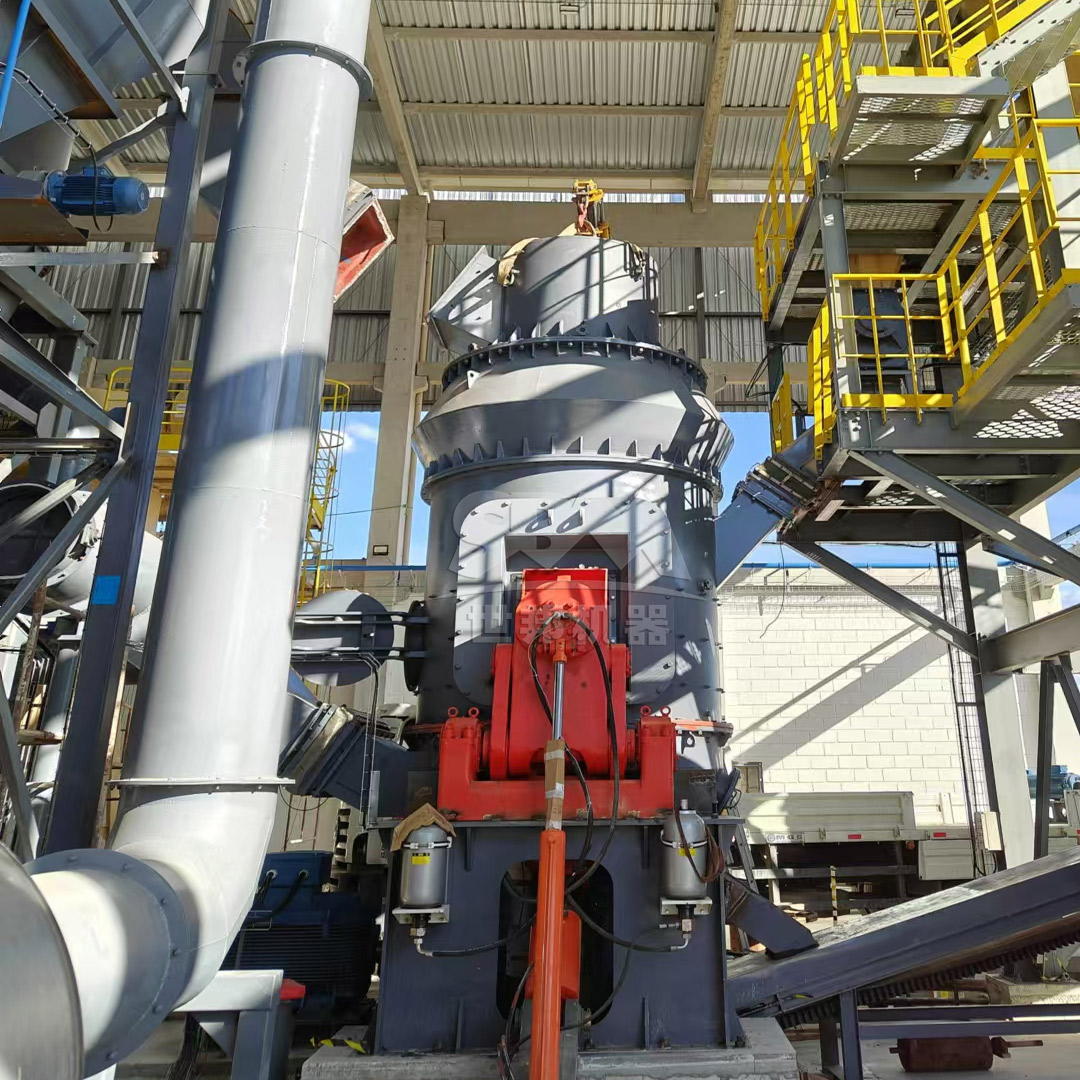
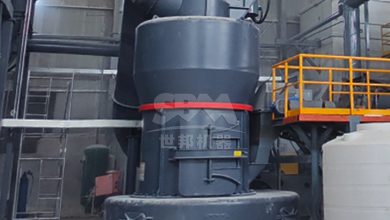
For Production of Ultra-Fine Steel Slag Powder (600-2500 mesh): When the application demands exceptionally fine or narrowly classified powder, the SCM Series Ultrafine Mill is the optimal choice. This mill excels in producing powders in the range of 325 to 2500 mesh (D97 ≤ 5μm). Its核心优势 lies in the combination of efficient grinding and高精度分级. The vertical turbine classifier ensures precise cut-points, resulting in成品均匀 with no coarse particle contamination. For steel slag processors looking to enter high-end markets, the SCM series offers remarkable效率节能, with capacity reportedly twice that of jet mills and energy savings of 30%. The耐用设计, featuring special material rollers and磨环, withstands the abrasive nature of slag. Furthermore, its环保低噪 design, with pulse dust collection efficiency exceeding international standards and noise levels below 75dB, makes it an environmentally sound investment. Models such as the SCM1250 or SCM1680 provide a range of capacities to suit different production scales.
Section 3: Auxiliary Systems & Complete Plant Design
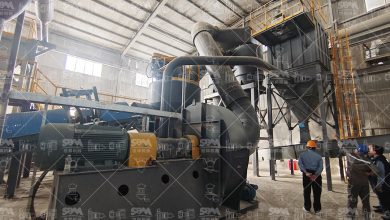
A successful micro powder plant extends beyond the mill. A complete customized solution encompasses:
- Drying System: If feed moisture is high, a dedicated dryer (e.g., rotary, flash) may be required upstream of the mill.
- Feeding System: Precise and stable feeders (e.g., belt, vibratory) are essential for optimal mill performance.
- Classification System: Often integrated within the mill (as in LM or SCM series), but external high-efficiency classifiers can be added for stricter PSD control.
- Powder Collection: A combination of cyclone separators and high-efficiency pulse-jet baghouse filters ensures >99.9% collection efficiency.
- Storage & Packaging: Silos for bulk storage and automated bagging or big-bag stations for dispatch.
- Electrical & Control System: A central PLC-based control room for monitoring and operating the entire plant, ensuring safety, efficiency, and data logging.
Section 4: Customized Solution Development
There is no one-size-fits-all solution for steel slag micro powder production. A professional provider will follow a structured approach:
- Sample Testing & Analysis: Comprehensive lab testing of the client’s slag sample to determine grindability, chemical composition, and target product specs.
- Process Flow Design: Creating a tailored process flow diagram (PFD) that integrates pre-treatment, grinding, and auxiliary systems.
- Equipment Selection & Layout: Choosing the optimal model and size of crushers, mills, classifiers, and collectors, followed by a detailed plant layout (PLD).
- Economic & Environmental Assessment: Providing detailed CAPEX/OPEX analysis and ensuring the plant design meets all local environmental regulations.

Conclusion
The transformation of steel slag from an industrial waste into a high-performance micro powder is a technically and economically viable pathway, aligning perfectly with sustainable development goals. The success of such a venture hinges on selecting the right core grinding technology—such as the high-capacity LM Vertical Roller Mill for standard slag powder or the precision-focused SCM Ultrafine Mill for premium ultrafine products—and integrating it into a complete, well-engineered processing plant. By partnering with an experienced provider capable of delivering customized solutions from lab test to turnkey installation, steel producers and independent processors can unlock significant value, reduce environmental footprint, and contribute to a more circular materials economy.