Steel Slag Processing: What Are the Key Processes in a Vertical Mill Production Line?
Introduction to Steel Slag Processing
Steel slag, a byproduct of steelmaking processes, presents both environmental challenges and valuable opportunities for resource utilization. With millions of tons generated annually worldwide, efficient processing of steel slag has become crucial for sustainable industrial development. Vertical mill technology has emerged as the most advanced solution for transforming this industrial waste into high-value products for construction, cement production, and various other applications.
The comprehensive processing of steel slag involves multiple stages, from initial crushing to final powder collection, with vertical mills serving as the core equipment in modern production lines. This article explores the key processes in a vertical mill production line for steel slag, highlighting the technological advancements that make this approach both economically viable and environmentally responsible.
Raw Material Preparation and Pre-treatment
Before steel slag enters the vertical mill, proper preparation is essential to ensure optimal processing efficiency and product quality. The initial stage involves several critical steps:
Magnetic Separation
Steel slag typically contains significant amounts of metallic iron that must be recovered before grinding. Powerful magnetic separators extract ferrous materials, which can be recycled back to steel plants. This recovery not only improves the quality of the final slag powder but also generates additional revenue streams.
Primary and Secondary Crushing
Large slag pieces undergo sequential size reduction through jaw crushers and impact crushers. The material is reduced to particles typically under 50mm, with careful control of particle size distribution to optimize subsequent grinding operations. Modern crushing systems incorporate dust suppression technologies to maintain clean working environments.
Drying and Moisture Control
Steel slag often contains moisture from cooling processes or outdoor storage. Rotary dryers or integrated drying within the mill system reduce moisture content to optimal levels (typically below 1-2%), ensuring efficient grinding and preventing material clogging. The drying process may utilize waste heat from other industrial processes, enhancing overall energy efficiency.
Vertical Mill Grinding Process
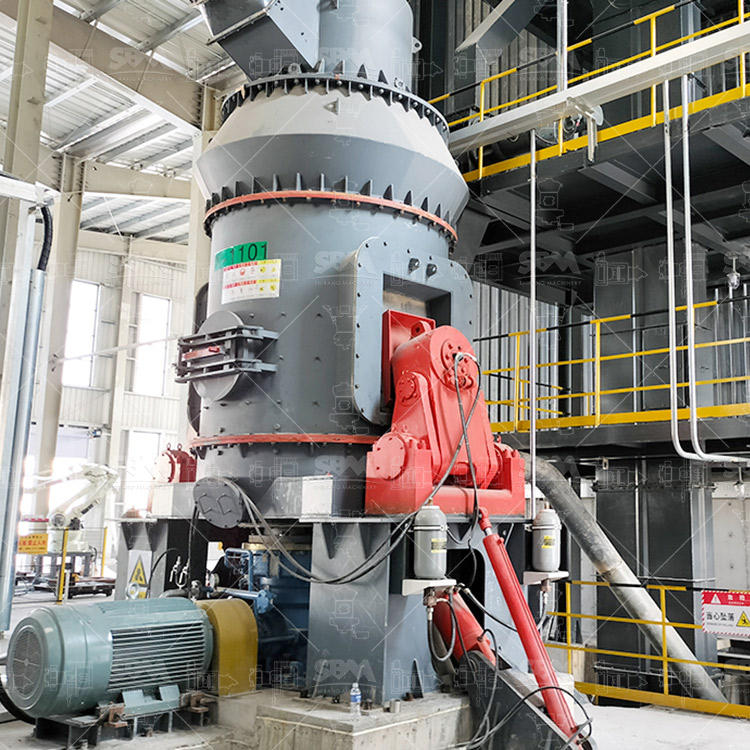
The heart of the steel slag processing line is the vertical mill, where the actual size reduction occurs through sophisticated mechanical forces. Understanding this core process is essential for optimizing production efficiency and product quality.
Material Feeding and Distribution
Prepared slag enters the mill through a precision feeding system, typically using weigh feeders or belt conveyors with automated control. The material is evenly distributed across the grinding table by a rotating feed chute, ensuring consistent loading and preventing localized overloading that could disrupt grinding stability.
Grinding Mechanism
Vertical mills employ a unique bed grinding principle where material is ground between rotating grinding rollers and a stationary grinding table. The hydraulic system applies precisely controlled pressure to the rollers, creating compressive forces that fracture the slag particles. This method is significantly more energy-efficient than the impact-based crushing in traditional ball mills.
Classification and Internal Recirculation
As particles are ground, hot gas flow (typically 200-250°C) transports them upward to a dynamic classifier located in the top section of the mill. The classifier, with its adjustable rotor speed, separates particles based on size – fine particles proceed to collection systems while coarse particles fall back to the grinding table for further size reduction. This internal classification creates a highly efficient closed-circuit system within a single machine.
Key Equipment in Vertical Mill Production Lines
A complete steel slag processing line incorporates several specialized components that work in harmony to achieve the desired product specifications.
Vertical Mill Selection
The selection of an appropriate vertical mill is critical for successful steel slag processing. Different mill types offer varying capabilities in terms of throughput, final fineness, and energy consumption. For steel slag applications, mills must be designed with enhanced wear protection due to the abrasive nature of the material.
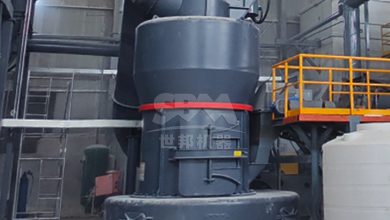
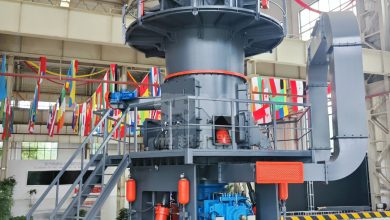
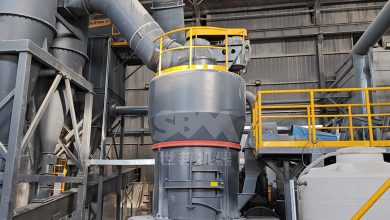
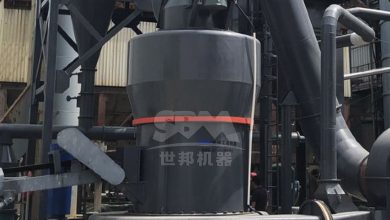
For operations requiring ultra-fine steel slag powder with fineness reaching 2500 mesh (5μm), the SCM Ultrafine Mill represents an optimal solution. This advanced mill system delivers exceptional performance with output fineness ranging from 325 to 2500 mesh (D97 ≤ 5μm) and capacity from 0.5 to 25 tons per hour depending on model selection. Its intelligent control system automatically maintains consistent product fineness while reducing energy consumption by 30% compared to conventional grinding systems. The vertical turbine classifier ensures precise particle size distribution without coarse powder contamination, while special material rollers and grinding rings provide extended service life in abrasive slag applications.
Dust Collection System
Modern pulse-jet baghouse filters capture fine particles with efficiency exceeding 99.9%. These systems are designed with explosion-proof features considering the potential fire hazards associated with fine metallic particles in slag. Advanced filter media with surface treatment ensure long service life despite the challenging operating conditions.
Hot Gas Generation
Hot gas generators provide the necessary heat for drying and material transport within the mill. These systems can be fired by various fuels including natural gas, oil, or even waste-derived fuels, with sophisticated control systems maintaining precise temperature profiles throughout the process.
Product Collection and Quality Control
The final stages of the production line focus on efficient product recovery and consistent quality assurance.
Powder Separation and Collection
Fine slag powder exiting the mill’s classifier enters high-efficiency cyclones that separate the majority of product from the transport gas. Secondary collection in bag filters captures the remaining fines, resulting in overall collection efficiencies exceeding 99.9%. Dense-phase conveying systems then transport the product to storage silos without degradation of particle size distribution.
Quality Monitoring
Online particle size analyzers continuously monitor product fineness, with feedback loops automatically adjusting mill parameters to maintain specifications. Additional quality parameters such as Blaine specific surface area, chemical composition, and activity index are regularly tested in laboratory facilities to ensure compliance with customer requirements and relevant standards.
Advanced Process Control Systems
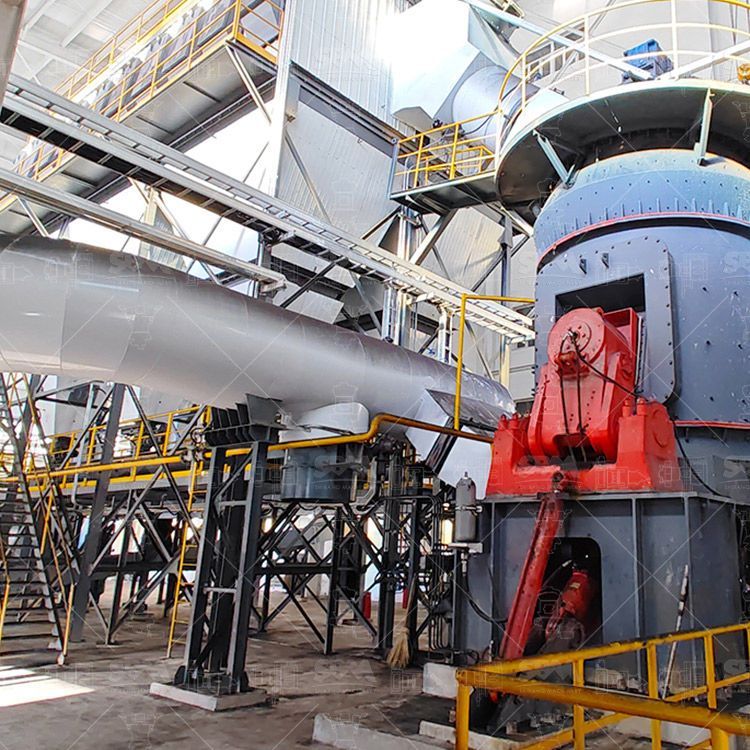
Modern vertical mill operations for steel slag incorporate sophisticated automation that optimizes performance and ensures consistent product quality.
Integrated Control Philosophy
PLC-based control systems manage the entire production line from raw material feeding to final product storage. These systems implement complex control strategies that balance multiple variables including feed rate, grinding pressure, classifier speed, gas flow, and temperature to maintain stable operation despite variations in raw material characteristics.
Optimization Algorithms
Advanced process control (APC) systems utilize model-based predictive control and neural networks to continuously optimize mill performance. These systems can automatically respond to changing conditions, maximizing throughput while minimizing specific energy consumption. Historical data analysis helps identify trends and opportunities for further process improvements.
Remote Monitoring and Support
Cloud-connected systems enable remote monitoring of mill performance by equipment suppliers, allowing proactive maintenance and rapid troubleshooting. Operators can access real-time performance data and historical trends through web-based interfaces, facilitating informed decision-making regardless of location.
Environmental Considerations and Sustainability Benefits
Vertical mill technology for steel slag processing offers significant environmental advantages over traditional disposal methods or alternative processing technologies.
Emissions Control
The completely enclosed system prevents dust emissions during processing, with comprehensive filtration ensuring that exhaust gases meet the strictest environmental standards. Noise levels are typically maintained below 80 dB through proper acoustic insulation and vibration damping.
Resource Conservation
By converting steel slag into valuable products, vertical mill operations contribute significantly to circular economy principles. The resulting slag powder can replace clinker in cement production, reducing the carbon footprint associated with Portland cement manufacturing. Each ton of cement clinker replaced by slag powder avoids approximately 0.8 tons of CO2 emissions.
Energy Efficiency
Vertical mills consume 30-50% less energy than traditional ball mills for equivalent throughput, contributing to lower operating costs and reduced environmental impact. The ability to utilize waste heat from other processes further enhances the sustainability profile of these operations.
Applications of Processed Steel Slag Powder
The high-quality powder produced through vertical mill processing finds applications across multiple industries, creating economic value from what was previously considered waste.
Cement and Concrete Production
Steel slag powder serves as an excellent supplementary cementitious material when properly processed. It enhances concrete durability, particularly in sulfate-rich environments, and improves long-term strength development. The latent hydraulic properties of steel slag contribute to the pozzolanic reaction in concrete, reducing permeability and enhancing chemical resistance.
Construction Materials
Beyond concrete, steel slag powder finds use in mortars, grouts, soil stabilization, and asphalt mixtures. Its angular particle shape and surface characteristics improve packing density and mechanical interlock in composite materials. The material’s light color compared to other cement replacements offers aesthetic advantages in architectural applications.
Specialty Applications
Further processing can yield specialized products for niche applications. Ultra-fine steel slag powders with controlled particle size distribution serve as functional fillers in polymers, coatings, and other industrial products. The iron content in some slag varieties makes them suitable for heavy media separation processes in mining operations.
Equipment Recommendations for Steel Slag Processing
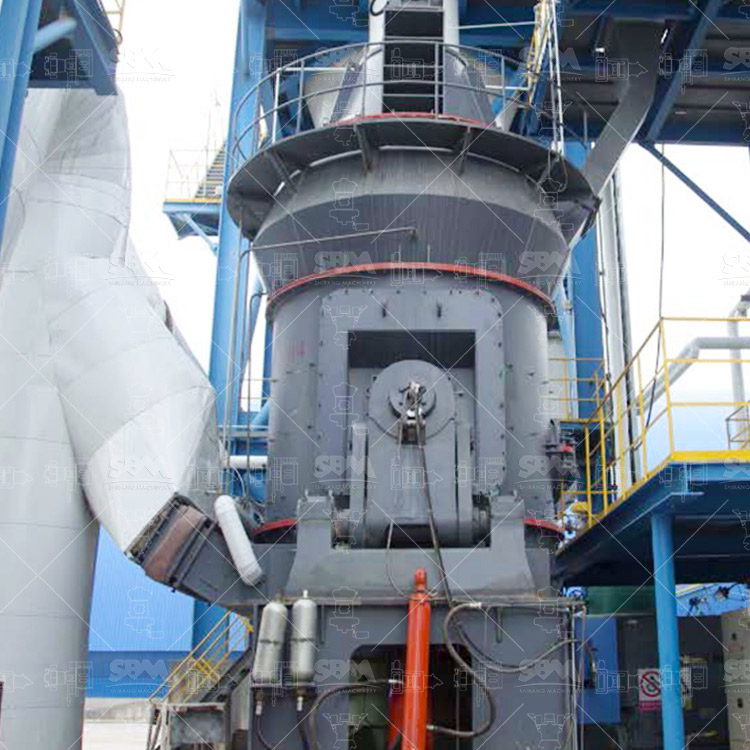
Selecting the right equipment is crucial for establishing an efficient and profitable steel slag processing operation. Based on the specific requirements of steel slag grinding, certain mill types offer distinct advantages.
For operations targeting the production of steel slag powder for cement replacement, the LM Series Vertical Roller Mill provides an ideal balance of capacity, energy efficiency, and product quality. With capacity ranging from 3 to 250 tons per hour and the ability to produce powder with fineness between 30-325 mesh (special models reaching 600 mesh), this mill series handles the complete size reduction process in a single unit. The integrated design combines crushing, grinding, and classification functions, reducing footprint requirements by 50% compared to traditional grinding systems. Its intelligent control system supports remote operation and real-time monitoring, while the negative pressure operation ensures dust emissions remain below 20mg/m³. The specially designed grinding elements withstand the abrasive nature of steel slag, with wear parts lasting 3 times longer than conventional designs while reducing energy consumption by 30-40% compared to ball mill systems.
Future Trends in Steel Slag Processing
The evolution of vertical mill technology continues to enhance the efficiency and capabilities of steel slag processing operations.
Digitalization and Industry 4.0
Advanced sensors and data analytics are transforming mill operations, enabling predictive maintenance and self-optimizing processes. Digital twins of complete production lines allow simulation of different operating scenarios and optimization of performance before implementing changes in the physical plant.
Product Diversification
Research continues to expand the applications for steel slag powder, including development of specialized products with tailored properties for specific industrial uses. Advanced classification technologies enable production of multiple products from a single feed material, maximizing value recovery.
Carbon Footprint Reduction
Future developments focus on further reducing the environmental impact of slag processing through increased energy efficiency, greater use of renewable energy, and integration with carbon capture technologies. The potential for steel slag to actively participate in carbonation processes offers exciting possibilities for carbon-negative building materials.
Conclusion
Vertical mill technology has revolutionized steel slag processing, transforming an industrial byproduct into valuable materials that support sustainable construction and manufacturing. The comprehensive process from raw slag to refined powder involves sophisticated equipment and control systems that optimize efficiency, product quality, and environmental performance. As technology continues to advance, vertical mill production lines will play an increasingly important role in circular economy initiatives, contributing to resource conservation and reduced environmental impact while creating economic value from material that was previously considered waste.
The successful implementation of steel slag processing requires careful consideration of the entire production chain, from material preparation through final product handling. With proper equipment selection and process design, operators can establish highly profitable operations that simultaneously address environmental challenges and meet growing demand for sustainable construction materials.