Steel Slag Powder Processing: Complete Grinding Technology Guide
Introduction to Steel Slag Processing
Steel slag, a byproduct of steelmaking processes, has evolved from industrial waste to a valuable resource in construction and building materials. Proper grinding and processing transform this material into high-quality steel slag powder, which serves as an excellent supplementary cementitious material. The comprehensive processing of steel slag involves multiple stages, with grinding technology playing the pivotal role in determining final product quality and application performance.
The transformation of steel slag into useful powder requires sophisticated grinding equipment capable of handling its abrasive nature while achieving precise particle size distribution. Modern grinding technologies have revolutionized steel slag utilization, enabling manufacturers to produce consistent, high-performance materials that meet stringent industry standards.
Fundamental Properties of Steel Slag
Understanding the physical and chemical characteristics of steel slag is essential for selecting appropriate grinding technologies. Steel slag typically contains calcium silicates, ferrites, and various metal oxides, giving it unique hydraulic properties when finely ground. The material’s hardness, abrasiveness, and potential expansion characteristics present specific challenges that must be addressed through proper equipment selection and processing parameters.
Key considerations include the slag’s chemical composition, free lime content, iron percentage, and glass content, all of which influence grindability and final product performance. The Bond Work Index for steel slag generally ranges between 14-23 kWh/t, indicating moderate to high grinding energy requirements compared to other industrial minerals.
Grinding Technology Selection Criteria
Selecting the optimal grinding technology for steel slag processing requires careful evaluation of multiple factors. Production capacity requirements, target fineness, energy consumption, operational costs, and final product specifications must all be considered when choosing grinding equipment.
Key Selection Parameters:
- Production Capacity: Ranging from small-scale operations (1-5 t/h) to large industrial plants (50-100 t/h)
- Product Fineness: From coarse applications (200-400 m²/kg) to ultra-fine products (500-800 m²/kg)
- Moisture Content: Handling capabilities for materials with varying moisture levels
- Abrasion Resistance: Equipment durability when processing highly abrasive materials
- System Integration: Compatibility with pre-processing and classification systems
Advanced Grinding Technologies for Steel Slag
Vertical Roller Mills for High-Capacity Applications
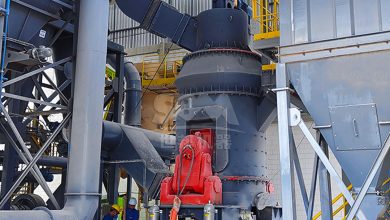
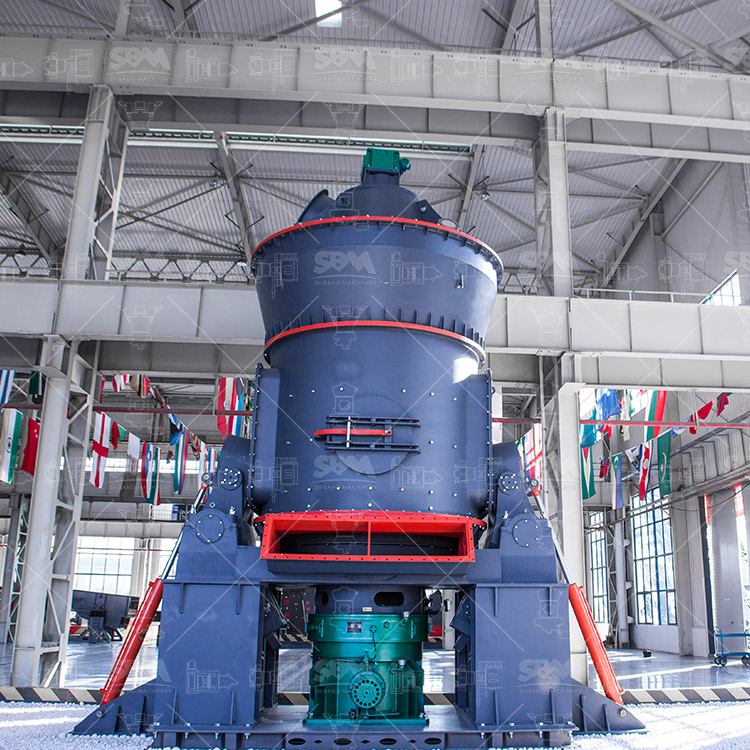
Vertical roller mills represent the state-of-the-art in steel slag grinding technology, offering exceptional efficiency and reliability for medium to high-capacity operations. These systems integrate multiple functions including grinding, drying, and classification within a single compact unit, significantly reducing the footprint and complexity of processing plants.
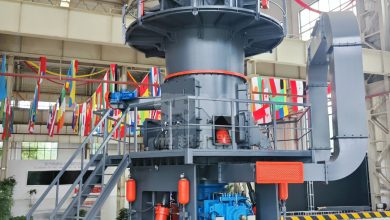
Our LM Series Vertical Roller Mills exemplify this technology with their robust construction and advanced operational features. Specifically designed for challenging materials like steel slag, these mills feature specialized wear protection systems that extend component life while maintaining consistent performance. The integrated drying capability allows processing of slag with moisture content up to 15%, eliminating the need for separate drying equipment.
The technological advantages of vertical roller mills include 30-40% lower energy consumption compared to traditional ball mill systems, reduced maintenance requirements through easily replaceable wear parts, and precise control over product fineness through integrated dynamic classifiers. For steel slag applications requiring production capacities from 10 to 110 tons per hour, the vertical roller mill represents the optimal solution balancing performance, efficiency, and operational economy.
Ultra-Fine Grinding Systems for High-Value Applications
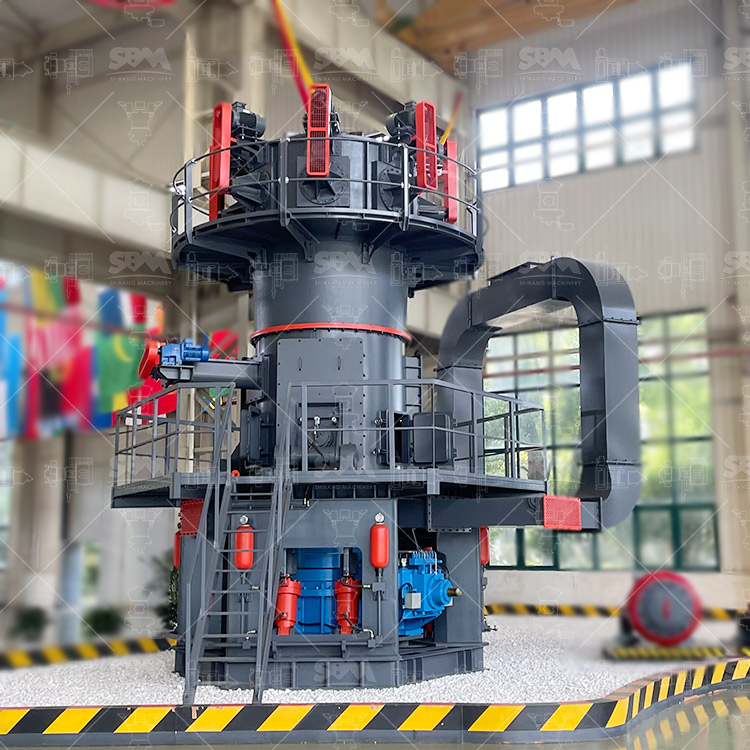
For applications demanding superior fineness and particle size distribution, ultra-fine grinding systems provide the necessary technological capabilities. These advanced mills achieve product fineness up to 2500 mesh (D97 ≤ 5μm), opening opportunities for high-value applications in specialty concretes, functional fillers, and advanced composite materials.
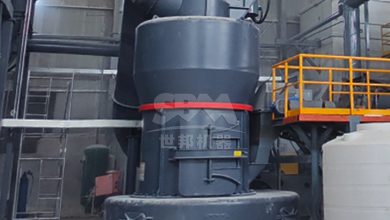
Our SCM Series Ultrafine Mill represents the pinnacle of ultra-fine grinding technology for steel slag processing. With output fineness ranging from 325 to 2500 mesh and capacity from 0.5 to 25 tons per hour, this equipment delivers exceptional performance for specialized applications. The vertical turbine classifier ensures precise particle size control, while the unique grinding chamber design without bearings or screws guarantees stable operation even with highly abrasive materials.
The SCM Ultrafine Mill incorporates multiple technological innovations including intelligent control systems that automatically maintain target product fineness, special material roller and ring sets that extend service life several times over conventional designs, and comprehensive environmental protection features including pulse dust collection exceeding international standards and noise levels below 75dB. For operations targeting the premium segment of steel slag products, this technology provides unmatched capabilities.
Integrated Processing Systems
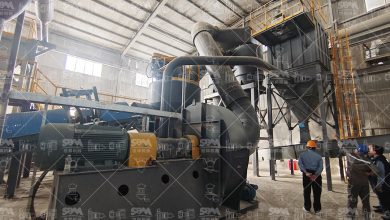
Modern steel slag processing requires more than just grinding equipment – it demands integrated systems that optimize the entire production chain. From initial crushing and magnetic separation to final classification and packaging, each stage must be carefully coordinated to ensure optimal efficiency and product quality.
Pre-Processing Requirements
Effective steel slag grinding begins with proper pre-processing. Initial crushing to appropriate feed size (typically ≤20mm for ultra-fine mills and ≤50mm for vertical mills), efficient metal recovery through magnetic separation, and controlled feeding systems all contribute to stable grinding operation and consistent product quality. Modern processing plants incorporate automated control systems that monitor and adjust these parameters in real-time, maximizing overall system efficiency.
Classification and Product Handling
Following the grinding process, efficient classification ensures the final product meets specified quality parameters. Advanced air classifiers separate particles based on size, allowing precise control over the product’s particle size distribution. For steel slag powder intended for cement replacement applications, maintaining consistent fineness and particle morphology is crucial for predictable performance in concrete mixtures.
Operational Considerations and Best Practices
Successful steel slag grinding operations require attention to numerous operational factors beyond equipment selection. Proper system design, operational parameter optimization, and comprehensive maintenance protocols all contribute to long-term success and profitability.
Energy Optimization Strategies
Grinding represents the most energy-intensive stage in steel slag processing, making energy optimization a critical consideration. Modern grinding systems incorporate multiple energy-saving features including high-efficiency drives, optimized grinding geometries, and intelligent control systems that minimize energy consumption while maintaining product quality. Operational practices such as maintaining consistent feed rates and optimizing classifier settings further contribute to energy efficiency.
Wear Management and Maintenance
The abrasive nature of steel slag necessitates robust wear management strategies. Advanced grinding equipment incorporates specialized wear materials in critical components, with design features that facilitate quick replacement and minimize downtime. Predictive maintenance programs utilizing vibration analysis, wear monitoring, and performance trending help anticipate maintenance needs before they impact production.
Quality Control and Product Specifications
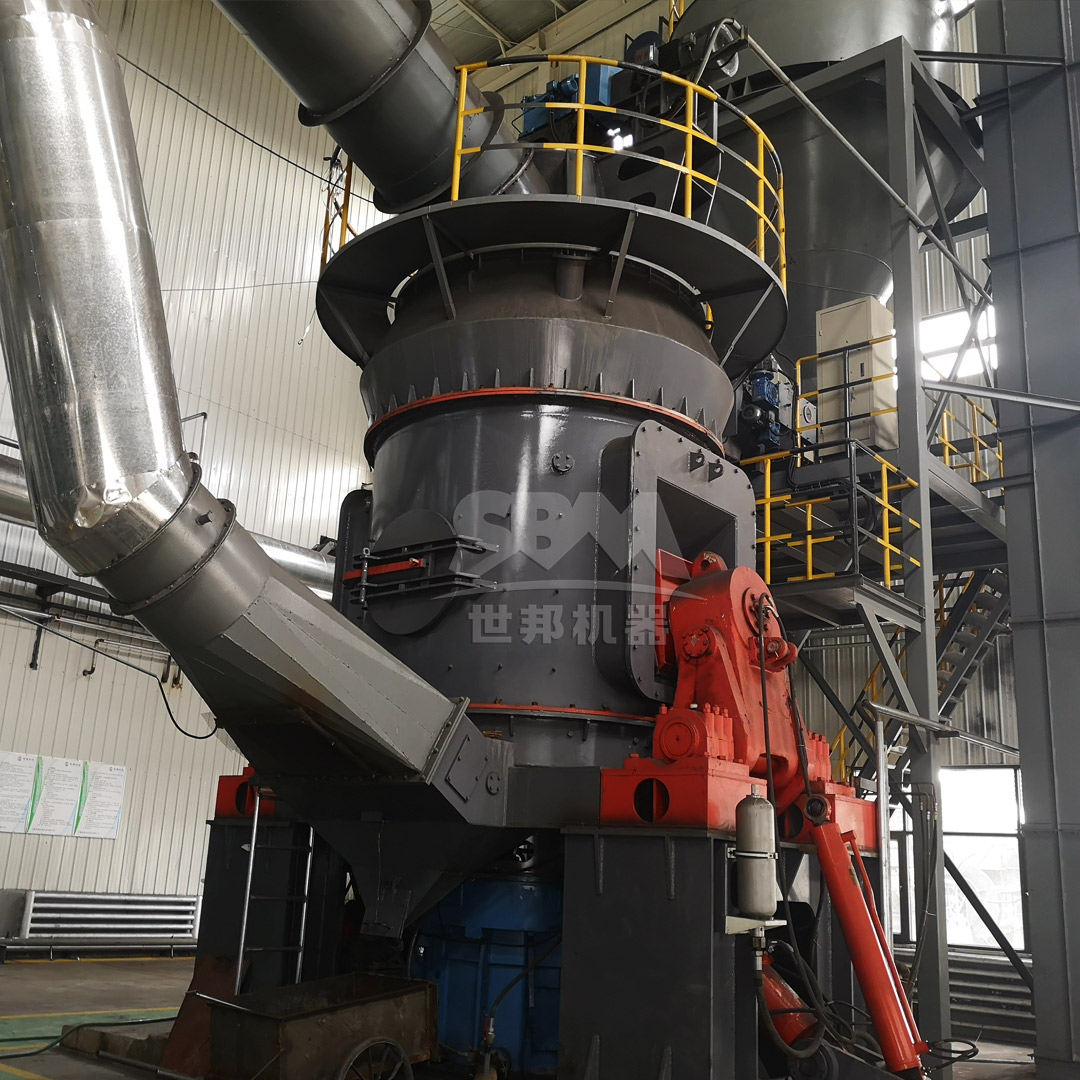
Consistent product quality is essential for steel slag powder to gain acceptance in construction applications. Comprehensive quality control systems monitor critical parameters including fineness, chemical composition, activity index, and soundness. Modern grinding plants incorporate automated sampling and testing systems that provide real-time quality data, enabling immediate adjustment of operational parameters to maintain product specifications.
Industry standards such as ASTM C989 and EN 15167-1 establish performance requirements for steel slag powder used in concrete, with specific criteria for fineness, strength activity index, and volume stability. Advanced grinding technologies must consistently meet these requirements while maintaining operational efficiency and cost-effectiveness.
Future Trends in Steel Slag Grinding Technology
The evolution of steel slag grinding technology continues, driven by demands for higher efficiency, improved product quality, and enhanced sustainability. Emerging trends include the development of hybrid grinding systems that combine multiple grinding principles, advanced control systems utilizing artificial intelligence for process optimization, and equipment designs that further reduce environmental impact through lower energy consumption and emissions.
Digitalization represents another significant trend, with smart grinding systems incorporating comprehensive sensor networks, data analytics, and remote monitoring capabilities. These technologies enable predictive maintenance, optimized operation, and seamless integration with broader plant management systems, representing the next frontier in steel slag processing efficiency.
Conclusion
Steel slag grinding technology has matured into a sophisticated field offering multiple technological pathways tailored to specific production requirements and product specifications. From high-capacity vertical roller mills to precision ultra-fine grinding systems, modern equipment provides solutions for virtually any application scenario. The continuing evolution of grinding technology ensures that steel slag will play an increasingly important role in sustainable construction materials, transforming industrial byproducts into valuable resources through advanced processing technologies.
As the industry progresses, the integration of digital technologies, advanced materials, and optimized system designs will further enhance the efficiency and capabilities of steel slag grinding operations. By selecting appropriate grinding technologies and implementing best practices throughout the processing chain, producers can maximize the value of steel slag while contributing to more sustainable construction practices.