Small Stone Powder Mill Production Process and Technology Introduction
Introduction to Small Stone Powder Milling
The production of fine stone powder is a critical process in various industries including construction, ceramics, paint, and chemical manufacturing. Small stone powder mills have become essential equipment for transforming raw mineral materials into precisely controlled fine powders. This article provides a comprehensive overview of the production process, technological advancements, and equipment selection for small stone powder milling operations.
Raw Material Preparation and Pre-treatment
Before the grinding process begins, proper raw material preparation is crucial for optimal mill performance. The initial stage involves crushing larger stones to a manageable size, typically below 50mm, using primary crushers such as jaw crushers or hammer mills. This pre-crushing step ensures uniform feeding and prevents mill overload. Material moisture content must be carefully controlled, as excessive moisture can lead to clogging and reduced grinding efficiency. For materials with high moisture content, pre-drying systems may be necessary to achieve the optimal 1-5% moisture range for most grinding applications.
Grinding Process Fundamentals
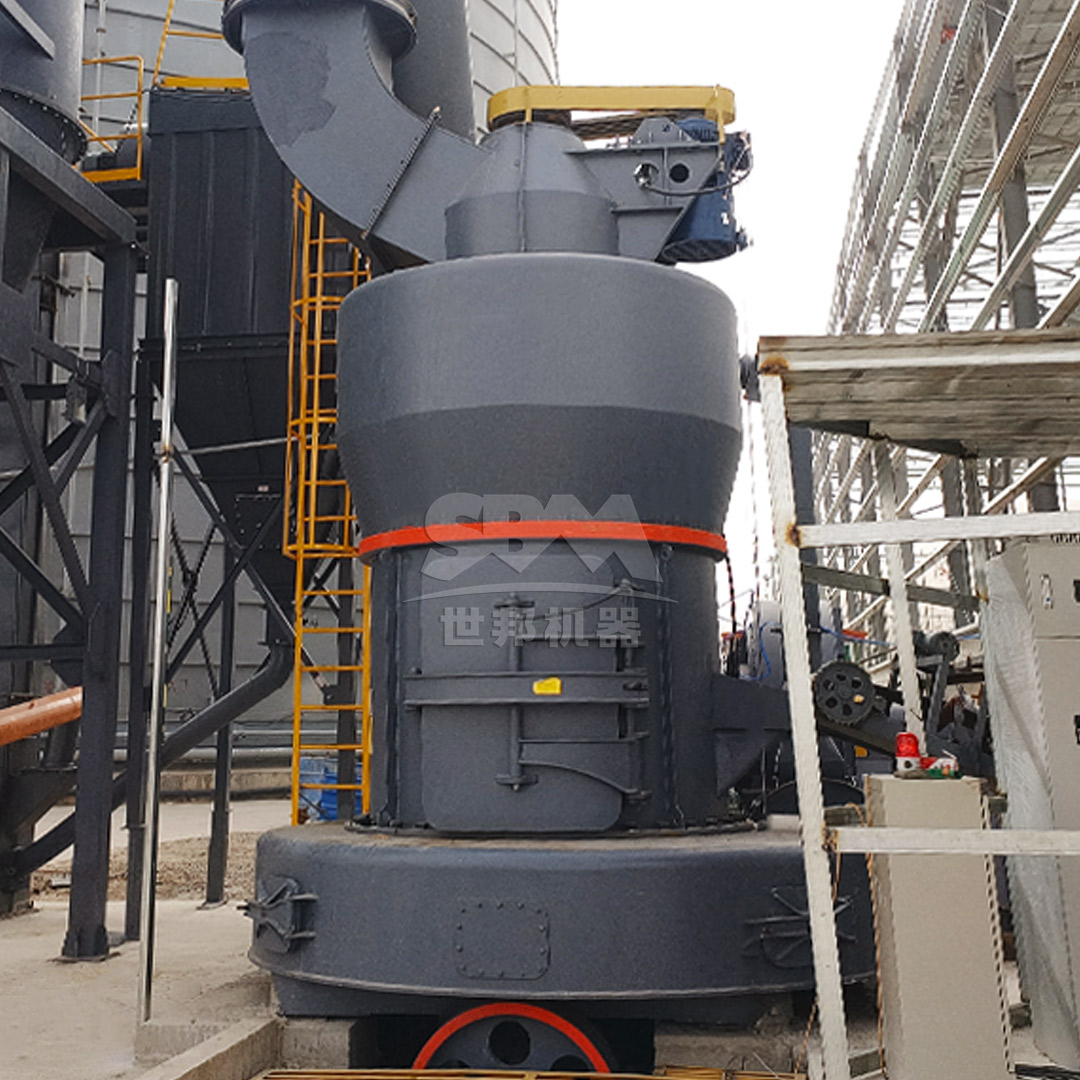
The core of stone powder production lies in the grinding process, where mechanical forces are applied to reduce particle size. Modern grinding systems employ various principles including compression, impact, and attrition. The selection of grinding technology depends on multiple factors including required fineness, material hardness, production capacity, and energy efficiency targets. Understanding the relationship between grinding energy and particle size reduction is essential for optimizing the milling process and minimizing operational costs.
Classification and Separation Technology
Following the grinding stage, classification systems separate particles according to size. Advanced air classifiers use centrifugal forces and airflow to precisely control the final product fineness. Modern classification systems can achieve cut points from coarse (600μm) to ultra-fine (5μm) with high efficiency. The integration of dynamic classifiers with grinding mills allows for real-time adjustment of product fineness without stopping production. This technological advancement has significantly improved product quality consistency and operational flexibility.
Advanced Mill Technologies for Stone Powder Production
Ultra-Fine Grinding Solutions
For applications requiring extremely fine powders in the range of 5-45μm, specialized ultra-fine grinding equipment is necessary. Our SCM Ultrafine Mill represents the cutting edge in ultra-fine grinding technology, capable of producing powders with fineness ranging from 325 to 2500 mesh (D97≤5μm). This system combines high-efficiency grinding with precision classification to deliver consistent product quality while reducing energy consumption by 30% compared to conventional jet mills. The vertical turbine classifier ensures precise particle size distribution without coarse particle contamination.
The SCM series features several technological advantages including intelligent control systems that automatically maintain target particle size, special wear-resistant materials that extend component life, and environmental features such as pulse dust collection exceeding international standards. With models ranging from SCM800 (0.5-4.5 ton/h capacity) to SCM1680 (5.0-25 ton/h capacity), this mill series offers solutions for various production requirements while maintaining noise levels below 75dB.

European Technology Trapezium Mills
For medium to fine grinding applications requiring 45-600μm products, trapezium mills offer an excellent balance of performance and efficiency. Our MTW Series Trapezium Mill incorporates European grinding technology with several innovative features including curved air duct design that reduces energy loss, combined blade systems that lower maintenance costs, and integrated cone gear transmission with 98% efficiency. The anti-abrasion design features specially formulated materials for grinding components, significantly extending service life while reducing operating costs.
The MTW series employs a scientific working principle where the main motor drives the grinding roller to rotate via reduction gear, while the grinding roller rotates around the pin shaft and presses on the grinding ring under the function of centrifugal force. The blade constantly scoops materials to the space between the grinding roller and ring for grinding. With models ranging from MTW110 (3-9 ton/h) to MRN218 (15-45 ton/h), this mill series provides versatile solutions for various production scales and material types.
Vertical Roller Mill Technology
Vertical roller mills have revolutionized stone powder production with their compact design and high energy efficiency. Our LM Series Vertical Roller Mill integrates crushing, grinding, classification, and conveying functions in a single unit, reducing footprint requirements by 50% compared to traditional grinding systems. The unique grinding principle involving a bed of material between the grinding rollers and table enables energy savings of 30-40% compared to ball mill systems.
Key advantages of vertical roller mills include their ability to handle moist materials through integrated drying, low wear rates due to the non-contact grinding principle, and advanced control systems that allow for remote operation and monitoring. The LM series offers models with capacities from 3 to 250 tons per hour, making them suitable for both small-scale specialized production and large-scale industrial operations.
Production Process Optimization
Energy Efficiency Considerations
Energy consumption represents a significant portion of operating costs in stone powder production. Modern milling systems incorporate several energy-saving features including frequency-controlled drives, optimized classifier designs, and heat recovery systems. The selection of appropriate mill technology for specific material characteristics can reduce energy consumption by 20-40% compared to conventional approaches. Additionally, proper system design including minimal pressure drop in air systems and efficient motor selection contributes to overall energy optimization.
Quality Control and Consistency
Maintaining consistent product quality requires integrated quality control systems throughout the production process. Modern mills incorporate real-time particle size monitoring, automated sampling systems, and advanced control algorithms that adjust operational parameters to maintain target specifications. The implementation of statistical process control methods combined with automated feedback loops ensures product consistency while minimizing human intervention and the potential for operator error.
Environmental Compliance and Dust Control
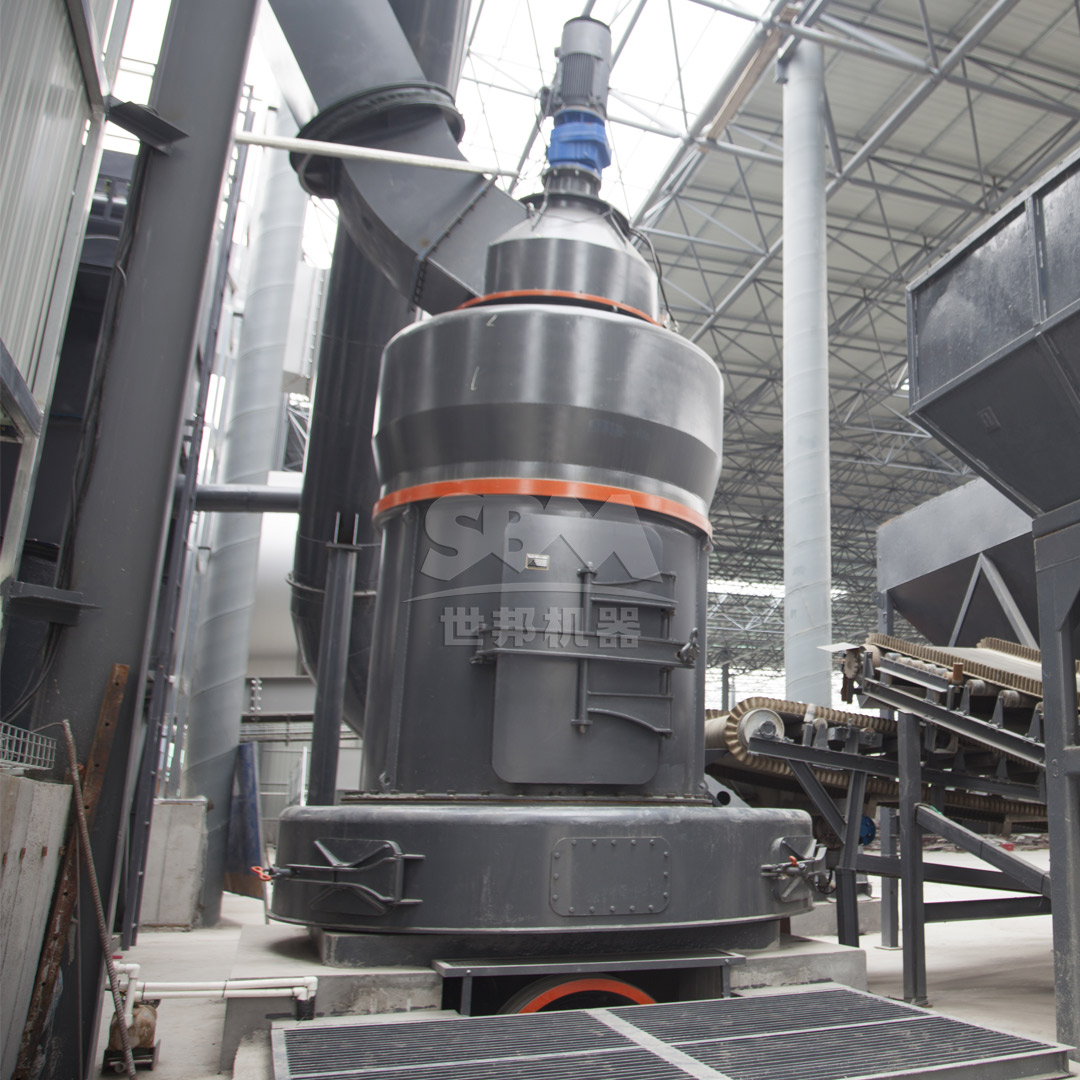
Stone powder production presents significant challenges in dust control and environmental management. Modern milling plants employ comprehensive dust collection systems typically combining cyclone separators with baghouse filters or cartridge collectors. Advanced pulse-jet cleaning systems maintain filter efficiency while minimizing compressed air consumption. Environmental considerations also include noise control through acoustic enclosures, vibration isolation, and strategic plant layout. Compliance with international environmental standards requires continuous monitoring and systematic approach to emission control.
Equipment Selection Guidelines
Matching Mill Technology to Application Requirements
Selecting the appropriate milling technology requires careful consideration of multiple factors including material characteristics, required product fineness, production capacity, and available utilities. For ultra-fine applications (below 45μm), the SCM Ultrafine Mill offers superior performance with its integrated classification system and high grinding efficiency. For medium-fine applications (45-600μm) with high capacity requirements, the MTW Trapezium Mill provides an optimal balance of performance and operating costs. Vertical roller mills present an excellent solution for integrated grinding and drying applications, particularly for moist materials.
Future Trends in Stone Powder Milling
The evolution of stone powder milling technology continues toward higher efficiency, greater automation, and reduced environmental impact. Emerging trends include the integration of artificial intelligence for predictive maintenance and process optimization, development of advanced wear-resistant materials to extend component life, and hybrid systems that combine multiple grinding principles for optimal performance. Digitalization of milling operations through Industrial Internet of Things (IIoT) technologies enables remote monitoring, predictive maintenance, and data-driven optimization of production parameters.
Conclusion
The production of small stone powder has evolved significantly with advancements in milling technology, classification systems, and process control. Modern mills offer unprecedented levels of efficiency, product quality, and environmental performance. The selection of appropriate technology, proper system design, and comprehensive process understanding are essential for successful powder production operations. As industry demands continue to evolve toward finer powders, tighter specifications, and sustainable production methods, milling technology will continue to advance, offering new opportunities for optimization and innovation in stone powder production.