Silicon Dioxide Grinding Mill: Types, Applications, and Future Market Trends
Introduction
Silicon dioxide (SiO₂), commonly known as silica, is one of the most abundant and versatile minerals on Earth. Its applications span across numerous industries, including electronics, construction, cosmetics, pharmaceuticals, and advanced materials. The key to unlocking its potential lies in the precise and efficient processing of silica into powders of varying fineness. This article provides a comprehensive overview of the grinding mills used for silicon dioxide, their specific applications, and emerging market trends, with a focus on selecting the optimal technology for your production needs.
Types of Grinding Mills for Silicon Dioxide
The choice of grinding mill is critical and depends primarily on the desired final particle size (fineness), required throughput, and the physical characteristics of the raw silica feed. The following are the primary mill types employed in the industry.
1. Ultrafine Grinding Mills (Particle Size: < 10 μm)
For applications demanding extremely fine powders, such as high-performance fillers, electronic encapsulants, or specialty ceramics, ultrafine grinding is essential.
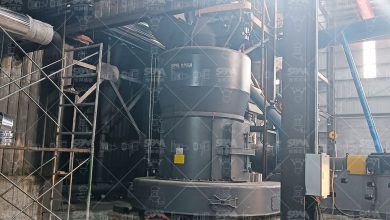
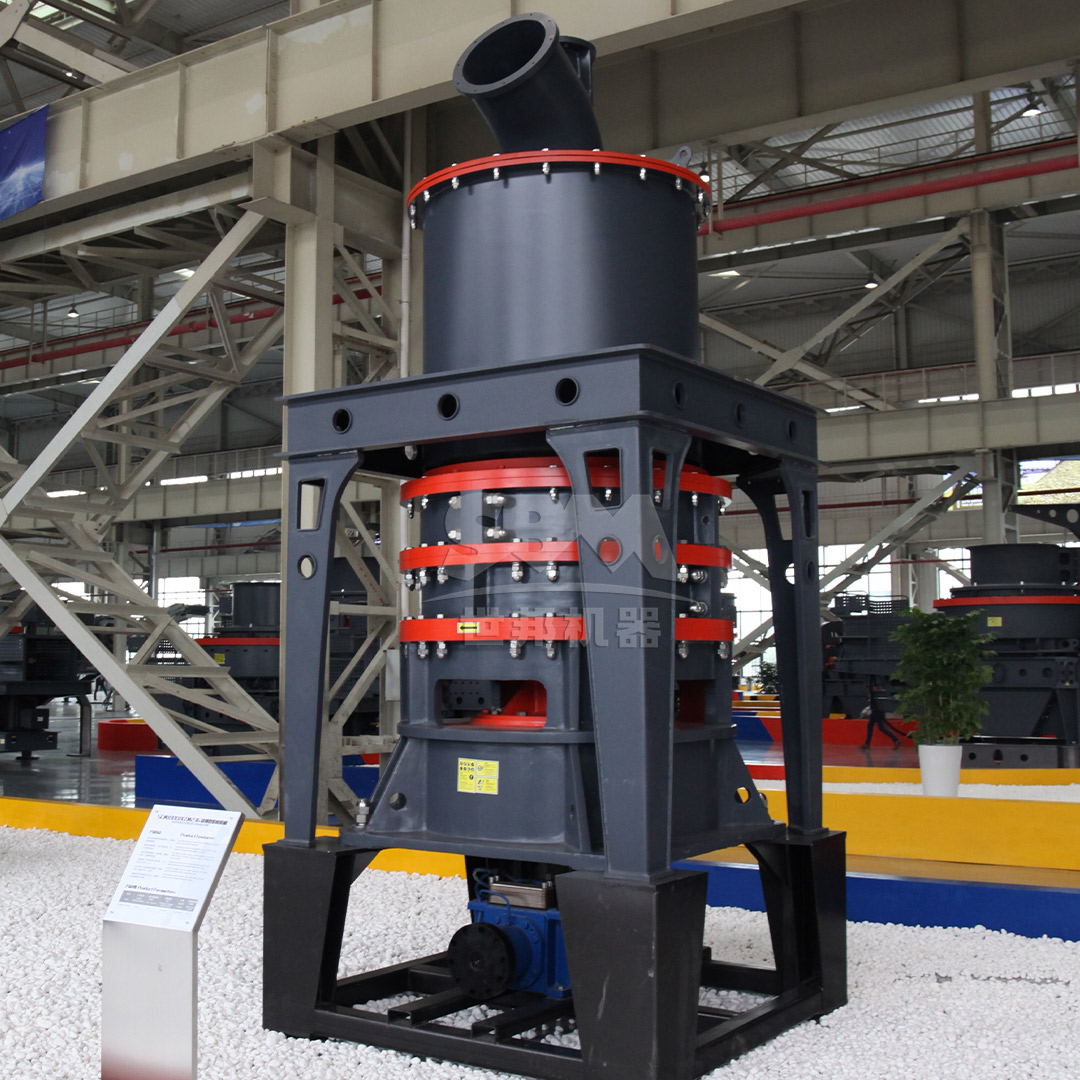
- SCM Series Ultrafine Mill: This mill type utilizes a layered grinding principle with multiple grinding rings and rollers. It is renowned for achieving a consistent fineness down to 5μm (D97) and features an integrated high-precision turbine classifier. Its energy efficiency and ability to produce narrow particle size distributions make it a top choice for high-value silica products.
- Jet Mills (Fluid Energy Mills): These mills use high-velocity jets of compressed air or steam to cause particle-on-particle impact, resulting in micron and sub-micron sized powders without contamination from grinding media. They are ideal for high-purity applications but typically have higher energy consumption.
2. Vertical Roller Mills (Particle Size: 45-600 μm)
Vertical mills are the workhorses for medium to large-scale production of silica flour, ground silica for glass, and construction materials.
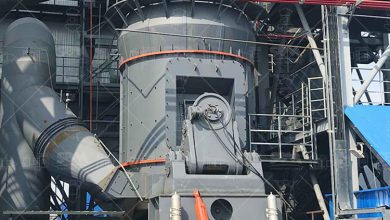
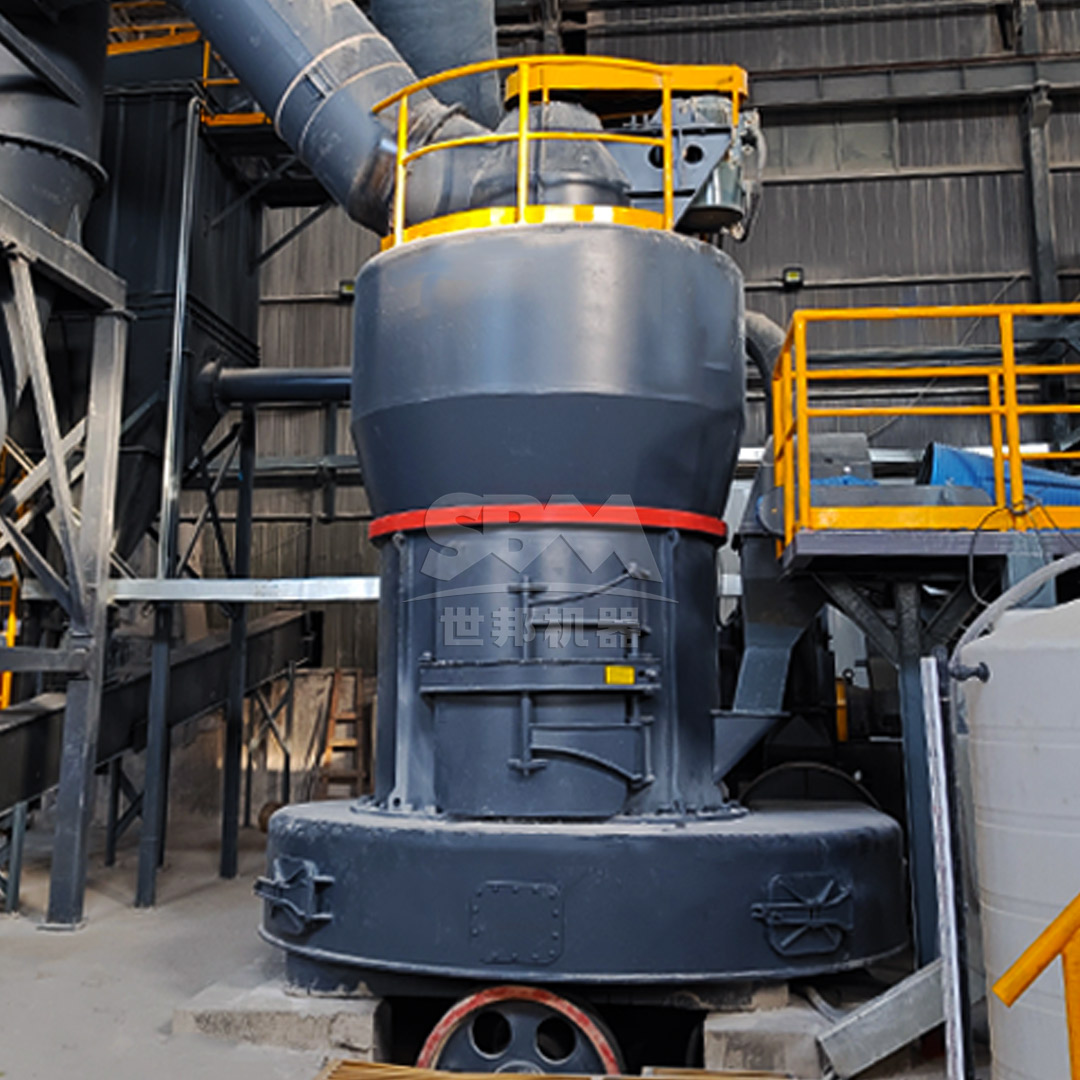
- LM Series Vertical Roller Mill: Characterized by its integrated design combining grinding, drying, and classification in a single unit. The material is ground between rollers and a rotating table. It offers significant advantages in energy savings (30-40% less than ball mills), low noise, and a small footprint. Its ability to handle moist feed and integrate with drying systems is a major benefit.
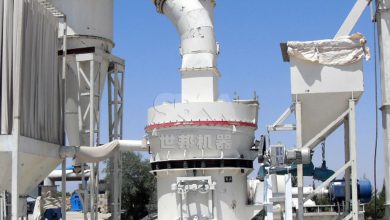
- MTW Series European Trapezium Mill: An advanced version of the traditional Raymond mill. It features curved air ducts for lower resistance, a geared central drive for high transmission efficiency, and wear-resistant components. It is highly efficient for producing powders in the 30-325 mesh range with stable output and low maintenance costs.
3. Traditional and High-Capacity Mills
For coarser grinds or specific process requirements, other mill types remain relevant.
- Ball Mills: A versatile and proven technology for wet or dry grinding. They are capable of producing a wide range of particle sizes but are generally less energy-efficient than vertical roller mills for fine grinding applications. They are often used in mineral processing or where simultaneous grinding and mixing is required.
- Hammer Mills: Primarily used for preliminary size reduction of raw silica ore or for producing very coarse silica sand. They offer high reduction ratios and are simple in design but are not suitable for producing fine powders.
Key Applications of Ground Silicon Dioxide
The fineness and purity of ground silica directly determine its application value.
- Construction & Glass: Coarser grades (20-100 mesh) are used as fillers in concrete, mortars, and as the primary raw material for glass manufacturing.
- Electronics & Semiconductors: Ultra-high-purity, ultrafine silica (often from jet mills) is used in silicon wafers, chip packaging, and as a critical component in optical fibers.
- Polymers & Composites: Precipitated and fumed silica are common, but finely ground silica (from SCM or LUM mills) acts as a reinforcing filler in tires, silicone rubber, and plastics, improving mechanical properties.
- Cosmetics & Pharmaceuticals: Very fine, highly uniform silica (D90 < 10μm) is used as a thickening agent, anti-caking agent, and gentle abrasive in toothpaste and powders.
- Advanced Ceramics & Refractories: Precise control over particle size distribution from mills like the LM series is crucial for the sintering behavior and final strength of technical ceramics.
Selecting the Right Mill: A Focus on Advanced Solutions
With evolving industry demands for efficiency, precision, and sustainability, modern grinding solutions offer distinct advantages. For producers targeting the high-end market with ultrafine silica powders, the SCM Ultrafine Mill stands out. Its core advantages align perfectly with stringent requirements:
- Superior Fineness & Uniformity: Capable of producing powder from 325 to 2500 mesh (45-5μm) with a narrow particle size distribution, thanks to its vertical turbine classifier that ensures no coarse particles contaminate the final product.
- High Efficiency & Energy Savings: Compared to traditional jet mills, the SCM mill can double the production capacity while reducing energy consumption by up to 30%. Its intelligent control system automatically adjusts operational parameters based on real-time feedback of product fineness.
- Durability & Low Maintenance: The use of special alloy materials for grinding rollers and rings extends service life significantly. Its innovative bearing-less screw design in the grinding chamber enhances operational stability.
- Environmental Compliance: Equipped with a high-efficiency pulse dust collector exceeding international standards and soundproofing technology to keep noise levels below 75dB, it meets modern environmental and workplace safety regulations.
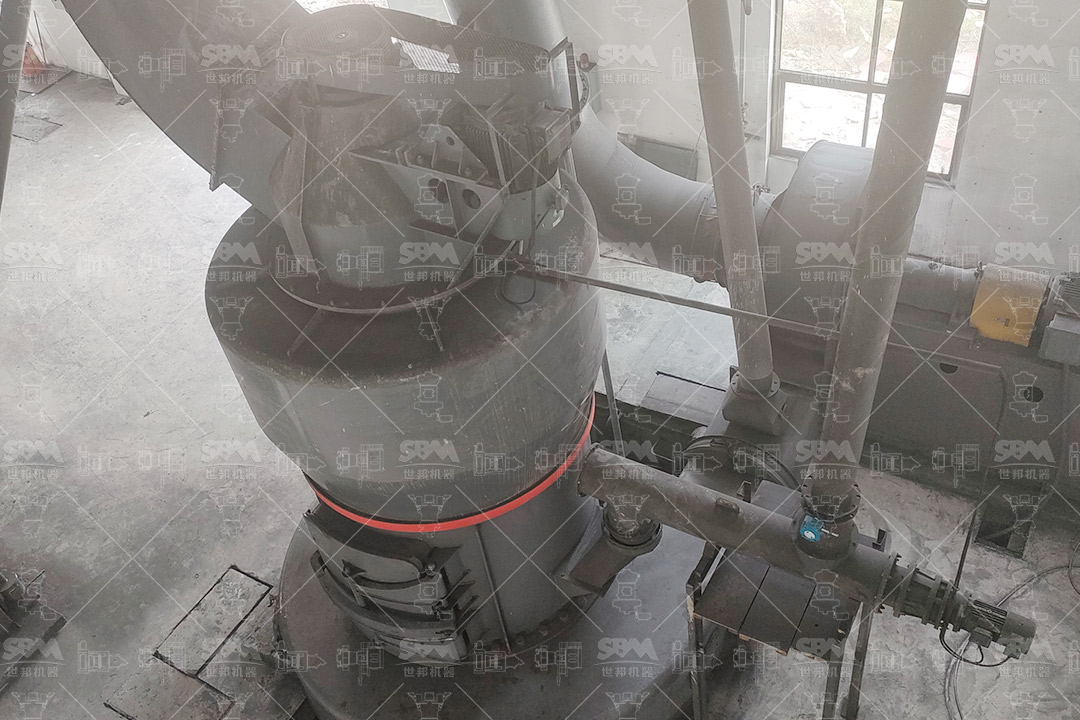
For large-scale production of ground silica in the medium-fineness range (e.g., for foundry sand, filler applications, or glass batch), the MTW Series Trapezium Mill is an excellent choice. Its strengths include high throughput (up to 45 TPH for the largest model), remarkable reliability from features like the cone gear integral transmission (98% efficiency) and curved air duct design, and reduced wear part costs due to its modular shovel design.
Future Market Trends and Technological Developments
The silicon dioxide grinding market is being shaped by several key trends:
- Demand for Ultra-High Purity and Nanoscale Powders: The growth of the semiconductor, photovoltaic, and advanced battery industries is driving demand for processing equipment that can achieve and maintain extreme purity and nano-scale fineness without contamination.
- Integration of Automation and Smart Controls: The future lies in fully automated mills with IoT connectivity. Predictive maintenance based on sensor data, AI-driven optimization of grinding parameters for consistent quality, and remote operational monitoring are becoming standard expectations to reduce downtime and labor costs.
- Sustainability and Energy Efficiency: Regulatory pressures and cost concerns are making energy consumption a primary selection criterion. Mills with significantly lower specific energy consumption (kWh/ton), like modern vertical roller mills and optimized ultrafine mills, will dominate new installations.
- Modular and Flexible Plant Design: There is a growing need for grinding systems that can be easily scaled or adapted to process different mineral types with quick changeover times, supporting smaller batch production for specialty chemicals.
Conclusion
The processing of silicon dioxide is a dynamic field where the correct selection of grinding technology is paramount to product quality and economic viability. From high-capacity vertical roller mills for foundational materials to precision ultrafine mills for cutting-edge applications, the equipment must align with specific fineness, capacity, and operational goals. As the market continues to demand finer, purer, and more sustainably produced silica powders, investing in advanced, efficient, and intelligent grinding solutions—such as the featured SCM Ultrafine Mill for premium products or the robust MTW Series for large-scale operations—is not just an operational decision but a strategic one for future growth and competitiveness.